
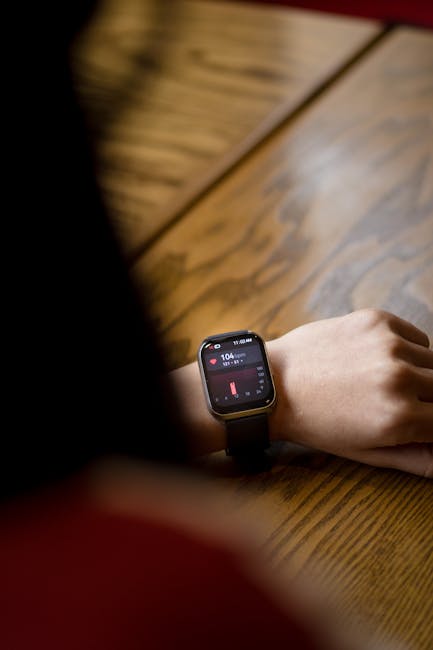
Unlock Your Potential: Personalized Workouts Fueled by Fitness Bands with Heart Rate
The era of one-size-fits-all fitness is fading. Today, we demand a more intelligent, responsive approach to our health and well-being. Enter the personalized workout, a tailor-made fitness regimen designed to maximize your results, prevent injury, and keep you motivated. At the core of this revolution lies a powerful, accessible tool: the fitness band with heart rate monitoring. These sleek wearables are no longer just step counters; they are sophisticated biometric sensors that provide invaluable data, transforming how we train and understand our bodies.
The Science Behind the Sweat: How Heart Rate Informs Your Workout
Your heart rate is a fundamental indicator of your body’s physiological response to exertion. When you exercise, your heart pumps faster to deliver oxygen and nutrients to your working muscles. By tracking this vital sign, fitness bands offer a window into the intensity of your effort and the effectiveness of your training.
-
Target Heart Rate Zones: The most significant benefit of heart rate monitoring is its ability to define and guide you within specific training zones. These zones are based on a percentage of your maximum heart rate (MHR), which can be estimated using formulas like the most common 220 minus your age.
- Zone 1 (Very Light): 50-60% of MHR. Ideal for warm-ups, cool-downs, and active recovery. Improves circulation and aids muscle repair.
- Zone 2 (Light): 60-70% of MHR. The “fat-burning” zone. Excellent for building aerobic base and endurance without excessive strain. You can hold a conversation comfortably.
- Zone 3 (Moderate): 70-80% of MHR. The “tempo” or “aerobic” zone. Improves cardiovascular fitness and endurance. Breathing becomes more noticeable, and conversation is challenging.
- Zone 4 (Hard): 80-90% of MHR. The “anaerobic” zone. Boosts power, speed, and VO2 max. Sustained effort here is difficult, and you can only speak in short bursts.
- Zone 5 (Maximum): 90-100% of MHR. Reserved for short, high-intensity intervals. Pushes your limits and significantly improves anaerobic capacity. This zone should be approached with caution and proper conditioning.
-
Calorie Expenditure Accuracy: While step counts provide a general idea of activity, heart rate monitoring offers a far more accurate estimation of calories burned. The intensity of your workout, directly reflected in your heart rate, is a primary driver of energy expenditure. This precision is crucial for individuals managing their weight or seeking to optimize their nutritional intake.
-
Training Load and Recovery: Fitness bands can track your total training load over time, helping you understand the cumulative stress on your body. This data is vital for preventing overtraining, a condition that can lead to fatigue, injury, and decreased performance. Many advanced bands also offer recovery metrics, analyzing your heart rate variability (HRV) and sleep patterns to suggest optimal rest periods.
Personalized Workout Design: Leveraging Your Heart Rate Data
The true power of a fitness band with heart rate lies in its ability to inform a truly personalized workout. Instead of following generic plans, you can adapt your training based on real-time feedback and historical data.
-
Tailoring Intensity for Specific Goals:
- Weight Loss: Focus on sustained periods in Zone 2 and Zone 3 to maximize fat oxidation. Incorporate High-Intensity Interval Training (HIIT) in Zone 4 and 5 for a metabolic boost, but ensure adequate recovery.
- Endurance Improvement: Gradually increase the duration of your workouts in Zone 2 and Zone 3. Periodically incorporate longer, steady-state efforts.
- Strength Training: While heart rate isn’t the primary metric for strength, monitoring it can help manage rest periods between sets. Higher heart rates during strength workouts can indicate a more metabolically demanding session, which can contribute to overall calorie burn.
- Cardiovascular Health: Consistent training across various heart rate zones, with a focus on moderate intensity, is crucial for improving heart health and reducing the risk of cardiovascular disease.
-
Optimizing Interval Training: HIIT is a highly effective training method, but it requires precise intensity management. Fitness bands allow you to accurately gauge when to push hard during work intervals (reaching higher zones) and when to recover (allowing your heart rate to drop). This ensures you’re working at the intended intensity for maximum benefit.
-
Preventing Overtraining and Injury: By monitoring your heart rate during and after workouts, you can identify signs of excessive fatigue. If your heart rate consistently remains elevated during rest or recovery periods, or if you find it difficult to reach your target zones during subsequent workouts, it might be a signal to scale back and prioritize recovery.
-
Real-time Adjustments: During a workout, your fitness band can provide immediate feedback. If you’re aiming for a specific heart rate zone and find yourself consistently above or below it, you can adjust your pace, resistance, or effort level on the fly. This dynamic adjustment ensures your workout remains effective and aligned with your goals.
Beyond the Workout: Holistic Health Insights
The data generated by fitness bands with heart rate extends far beyond the gym or running track. These devices offer a holistic view of your well-being, influencing your daily habits and overall health.
-
Sleep Tracking and Recovery: Quality sleep is paramount for muscle repair, hormone regulation, and cognitive function. Many fitness bands analyze sleep stages (light, deep, REM) and provide a sleep score, helping you identify patterns and make improvements to your sleep hygiene. This directly impacts your readiness for the next workout.
-
Stress Management: Elevated resting heart rate and fluctuations in heart rate variability (HRV) can be indicators of stress. Some advanced bands offer guided breathing exercises and stress-monitoring features, empowering you to manage stress levels and improve your overall resilience.
-
Activity Throughout the Day: Beyond structured workouts, fitness bands track your daily movement, encouraging you to stay active outside of dedicated exercise sessions. This promotes a more sedentary lifestyle and contributes to overall calorie expenditure.
Choosing the Right Fitness Band for Personalized Workouts
With a plethora of options available, selecting the right fitness band is crucial. Consider these factors:
- Accuracy of Heart Rate Sensor: Look for bands with optical heart rate sensors that have a good reputation for accuracy during dynamic movement.
- GPS Functionality: Essential for runners, cyclists, and outdoor enthusiasts who need precise distance and pace tracking.
- Battery Life: A longer battery life means less frequent charging and uninterrupted tracking.
- Durability and Water Resistance: Important for withstanding sweat, rain, and even swimming.
- App Ecosystem and Features: The accompanying app is where you’ll analyze your data. Look for intuitive interfaces, customizable workout plans, and integration with other fitness platforms.
- Comfort and Fit: You’ll be wearing this device constantly, so comfort is key.
- Advanced Metrics: For serious athletes, consider bands that offer VO2 Max estimation, recovery advisor, and detailed training load analysis.
Integrating Fitness Bands into Your Routine
- Set Clear Goals: Before you start, define what you want to achieve. This will dictate your training strategy.
- Understand Your Zones: Use the band’s estimations or consult a professional to determine your personal heart rate zones.
- Plan Your Workouts: Design sessions that target specific zones based on your goals.
- Monitor and Adapt: Pay attention to your heart rate during workouts and make adjustments as needed.
- Review Your Data: Regularly analyze your performance, recovery, and sleep patterns to refine your approach.
- Listen to Your Body: While data is valuable, it’s essential to complement it with your body’s signals. Don’t push through pain.
By embracing the power of fitness bands with heart rate monitoring, you’re not just exercising; you’re embarking on a journey of intelligent, personalized fitness. This data-driven approach empowers you to train smarter, recover more effectively, and ultimately, unlock your full potential.