
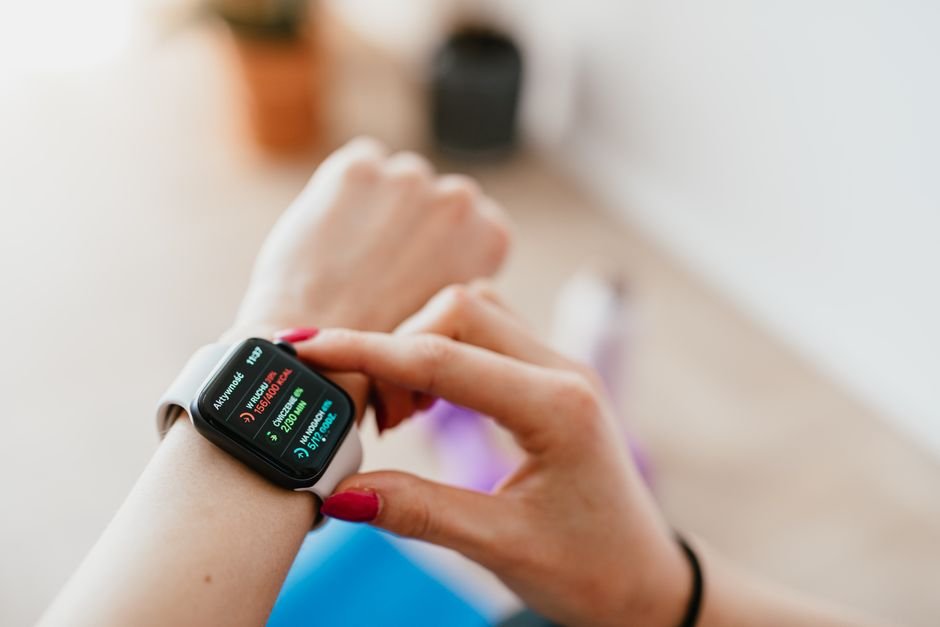
Unleash Your Potential: How Heart Rate Monitor Bands Revolutionize Personalized Fitness
In the ever-evolving landscape of health and wellness, the pursuit of personalized fitness has become paramount. Gone are the days of one-size-fits-all workout plans. Today, individuals are seeking tailored approaches that leverage their unique physiology to achieve optimal results, prevent injury, and foster sustainable healthy habits. At the forefront of this revolution stands the humble yet powerful heart rate monitor band, a wearable technology that has transformed how we understand and optimize our workouts.
Beyond Guesswork: The Science of Heart Rate Training
The human heart is an incredible engine, and its rhythm provides a direct window into our body’s physiological response to exercise. A heart rate monitor band, typically worn on the wrist or chest, continuously tracks this vital sign, translating it into actionable data. This data moves fitness beyond subjective feelings of exertion, offering objective insights into intensity levels, recovery, and overall cardiovascular health.
Understanding your heart rate zones is the cornerstone of personalized fitness. These zones represent different physiological states and training adaptations:
- Zone 1 (Very Light): 50-60% of Maximum Heart Rate (MHR). This is your recovery zone, ideal for active rest and improving circulation.
- Zone 2 (Light): 60-70% of MHR. This is your aerobic base building zone, crucial for endurance and fat burning. You can comfortably hold a conversation here.
- Zone 3 (Moderate): 70-80% of MHR. This is your tempo or aerobic fitness zone, enhancing cardiovascular efficiency and stamina. Conversation becomes more challenging.
- Zone 4 (Hard): 80-90% of MHR. This is your anaerobic zone, improving speed and power. Speaking is limited to short phrases.
- Zone 5 (Maximum): 90-100% of MHR. This is your peak effort zone, used for short bursts of maximal intensity and pushing your limits.
A heart rate monitor band allows you to precisely target these zones during your workouts, ensuring you’re training effectively for your specific goals.
Tailoring Workouts to Your Goals: The Power of Precision
Whether your aim is to shed pounds, build muscle, improve athletic performance, or simply enhance your general well-being, a heart rate monitor band provides the granular data needed for truly personalized training.
-
Weight Management: For fat loss, sustained periods in Zone 2 are highly effective. This zone optimizes fat oxidation, meaning your body primarily burns fat for fuel. A heart rate monitor ensures you stay within this range, preventing you from overexerting yourself and burning more carbohydrates, which can lead to premature fatigue and reduced fat-burning potential. Conversely, incorporating intervals in higher zones can boost your metabolism post-workout, a phenomenon known as EPOC (Excess Post-exercise Oxygen Consumption).
-
Cardiovascular Health & Endurance: Building a strong aerobic base is fundamental for endurance athletes and anyone looking to improve their heart health. Zone 2 training is king here. By consistently training in this zone, your body becomes more efficient at delivering oxygen to your muscles, increasing your stamina and reducing your perceived effort during longer activities. A heart rate monitor allows you to track your progress and ensure you’re progressively overloading your cardiovascular system without overtraining.
-
Strength and Power Development: While not solely reliant on heart rate, understanding your recovery between sets is crucial for strength training. Some advanced heart rate monitors can estimate recovery heart rate, indicating when your body is ready for the next set. Furthermore, high-intensity interval training (HIIT) sessions, often characterized by short bursts of maximal effort, are perfectly monitored by heart rate bands to ensure you’re hitting Zone 4 and 5 appropriately, maximizing the benefits of this time-efficient training style.
-
Injury Prevention: Pushing too hard, too soon, or for too long is a common pathway to injury. A heart rate monitor acts as a crucial safeguard. By staying within prescribed heart rate zones, you avoid excessive stress on your cardiovascular system and musculoskeletal structure. It also helps identify overtraining by flagging consistently elevated resting heart rates or a prolonged inability to recover between workouts.
Beyond the Workout: Holistic Health Insights
The utility of heart rate monitor bands extends far beyond the confines of your exercise sessions. Modern wearables offer a comprehensive suite of features that contribute to a holistic understanding of your health and well-being.
-
Resting Heart Rate (RHR): This is a key indicator of your cardiovascular fitness. A lower RHR generally signifies a more efficient heart. Tracking your RHR over time can reveal improvements in your fitness level and alert you to potential issues like illness or overtraining.
-
Heart Rate Variability (HRV): This metric measures the time variation between your heartbeats. A higher HRV is generally associated with better resilience, recovery, and a more balanced nervous system. Tracking HRV can provide insights into your stress levels, sleep quality, and readiness for intense training.
-
Sleep Tracking: Many heart rate monitor bands incorporate sophisticated sleep tracking algorithms. By monitoring your heart rate and movement during sleep, they can differentiate between sleep stages (light, deep, REM) and provide a sleep quality score. Understanding your sleep patterns is crucial, as adequate rest is vital for muscle repair, hormone regulation, and overall performance.
-
Calorie Expenditure: While not perfectly precise, heart rate monitors offer a more accurate estimation of calorie burn during exercise compared to generic calculations. This is particularly useful for individuals focused on weight management or tracking their daily energy balance.
-
Stress Monitoring: By analyzing heart rate and HRV, some bands can provide real-time stress level assessments. This allows individuals to identify stressors and implement relaxation techniques or adjust their activity levels accordingly.
Choosing the Right Heart Rate Monitor Band:
The market offers a diverse range of heart rate monitor bands, from basic trackers to advanced smartwatches. Key considerations when making a choice include:
- Accuracy: Look for devices that utilize optical sensors (wrist-based) or ECG sensors (chest straps) known for their accuracy. Chest straps generally offer the highest precision.
- Features: Determine which features are most important for your needs (e.g., GPS, advanced sleep tracking, music storage, smart notifications).
- Comfort and Durability: You’ll be wearing this device constantly, so comfort and water resistance are essential.
- Battery Life: Consider how often you’re willing to charge your device.
- App Ecosystem: The accompanying app is crucial for data analysis and insights. Ensure it’s user-friendly and provides the reports you need.
- Price: Heart rate monitor bands range in price, so set a budget that aligns with your desired features and quality.
Integrating Data for Actionable Insights:
The true power of a heart rate monitor band lies not just in collecting data, but in interpreting and acting upon it. Many devices sync with popular fitness apps, allowing for detailed analysis and progress tracking. This data can then be used to:
- Adjust Workout Intensity: If you consistently find yourself in a lower heart rate zone than intended, you might need to increase your effort. Conversely, if you’re frequently hitting your maximum heart rate during endurance sessions, you may need to dial it back to promote recovery and sustainable progress.
- Optimize Recovery: A high resting heart rate or low HRV might indicate the need for a rest day or a less intense workout.
- Personalize Training Plans: Share your data with a fitness professional who can use it to create a truly bespoke training program tailored to your physiological responses.
- Monitor Progress Over Time: Seeing tangible improvements in your resting heart rate, recovery times, and ability to sustain higher heart rate zones provides powerful motivation and reinforces the effectiveness of your personalized approach.
The Future of Personalized Fitness:
As wearable technology continues to advance, heart rate monitor bands will undoubtedly become even more sophisticated. We can anticipate more accurate physiological measurements, AI-driven personalized training recommendations, and seamless integration with other health monitoring devices. This ongoing evolution promises to further democratize personalized fitness, making it accessible and effective for everyone, empowering individuals to take control of their health and unlock their full potential. The heart rate monitor band is no longer just a gadget; it’s a vital tool in the modern pursuit of a healthier, fitter, and more optimized self.