
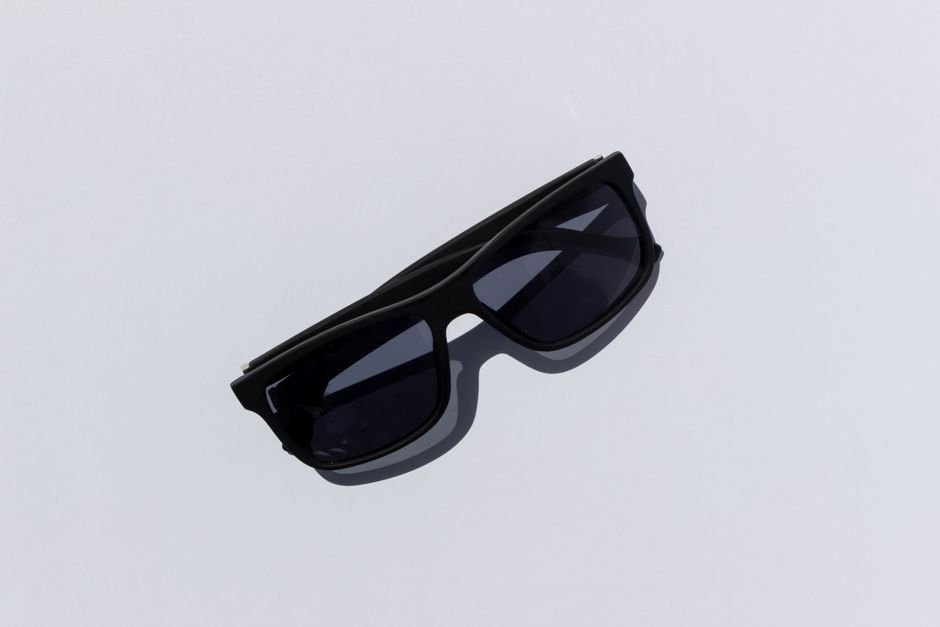
Men’s UV Protection Sunglasses: An Essential Eye Health Guide
The sun, a benevolent source of life and warmth, also emits powerful ultraviolet (UV) radiation. For men, protecting their eyes from these invisible rays is not merely a matter of style; it’s a critical component of long-term eye health. Neglecting UV protection can lead to a cascade of damaging effects, from temporary discomfort to irreversible vision loss. This comprehensive guide delves into the importance of UV protection in men’s sunglasses, exploring the science behind UV damage, the benefits of specific lens technologies, and practical advice for choosing the right pair to safeguard your precious eyesight.
Understanding the Invisible Threat: UV Radiation and Your Eyes
UV radiation is categorized into three main types: UVA, UVB, and UVC. While the Earth’s atmosphere effectively blocks UVC rays, UVA and UVB penetrate to reach our eyes.
-
UVA Rays: These longer wavelength rays penetrate deeply into the eye, reaching the retina. Chronic exposure to UVA radiation contributes to premature aging of the eye tissues, increasing the risk of cataracts and macular degeneration. They are present throughout the day, even on cloudy days, and can pass through window glass, making indoor exposure a concern as well.
-
UVB Rays: These shorter wavelength rays are more intense and are the primary cause of sunburn on the skin. In the eyes, UVB radiation can lead to photokeratitis, a painful condition often referred to as “snow blindness,” characterized by inflammation of the cornea. Long-term exposure to UVB rays is also a significant risk factor for developing cataracts.
The cumulative effect of UV exposure over a lifetime is substantial. Men, often engaging in outdoor activities like sports, hiking, fishing, or simply spending more time outdoors, are particularly susceptible to this cumulative damage. The consequences of unprotected UV exposure can manifest in various ways, impacting visual acuity and overall eye health.
The Damaging Domino Effect: Consequences of UV Exposure
The impact of UV radiation on the male eye is multifaceted and can lead to several debilitating conditions:
-
Cataracts: This is perhaps the most well-known consequence of prolonged UV exposure. Cataracts are the clouding of the eye’s natural lens, leading to blurry vision, glare, and difficulty seeing at night. UV radiation accelerates the breakdown of proteins in the lens, causing it to become opaque.
-
Macular Degeneration: The macula is a small area in the retina responsible for sharp, central vision. UV exposure, particularly UVA, is a significant risk factor for age-related macular degeneration (AMD), which can cause severe vision loss, making reading and recognizing faces difficult.
-
Pterygium (Surfer’s Eye): This is a non-cancerous growth of fleshy tissue that starts on the conjunctiva (the clear membrane covering the white of the eye) and can spread onto the cornea. It is strongly associated with prolonged exposure to UV rays, wind, and dust, often seen in surfers, sailors, and individuals living in sunny climates.
-
Photokeratitis: As mentioned earlier, this is an acute, painful condition caused by overexposure to UV radiation, particularly intense sunlight reflected off snow or water. Symptoms include redness, pain, tearing, and a gritty sensation in the eyes, often resolving within 24-48 hours but causing significant discomfort.
-
Skin Cancer Around the Eyes: The delicate skin around the eyes is also vulnerable to UV damage, increasing the risk of basal cell carcinoma, squamous cell carcinoma, and melanoma. Sunglasses that offer side protection can help mitigate this risk.
The Shield of Protection: Why UV Protection in Sunglasses is Non-Negotiable
The primary function of sunglasses, beyond aesthetics, is to act as a barrier against harmful UV radiation. Not all sunglasses are created equal, however. It is crucial to look for specific UV protection ratings to ensure your eyes are adequately safeguarded.
-
The 100% UV Protection Label: This is the gold standard. Sunglasses labeled “100% UV protection” or “UV 400” offer complete blockage of all UVA and UVB rays up to 400 nanometers. This is the most critical feature to look for.
-
Beyond the Label: Understanding Lens Technology
While the UV protection rating is paramount, other lens technologies can enhance both protection and visual comfort:
*   **Polarized Lenses:** Polarization is a lens treatment that reduces glare reflected off flat surfaces like water, snow, roads, and car windshields. While polarization doesn't inherently block UV rays, it significantly improves visual clarity and reduces eye strain, making outdoor activities more enjoyable and safer. Many polarized lenses also incorporate UV protection, so it's essential to check both specifications.

*   **Lens Color and Darkness:** The color and darkness of sunglass lenses do *not* directly correlate with their UV protection capabilities. Darker lenses can make it appear as though more light is blocked, but if they lack proper UV filtering, they can actually be more harmful. This is because the pupils may dilate in response to the darker tint, allowing more UV rays to enter the eye. Always prioritize the UV protection label over lens darkness.

*   **Lens Material:** Different lens materials offer varying levels of impact resistance and clarity. Polycarbonate lenses are a popular choice for sunglasses due to their lightweight nature and superior impact resistance, making them ideal for sports and active lifestyles. Trivex lenses offer similar benefits with improved optical clarity.

*   **Lens Coatings:** Anti-reflective coatings can reduce glare from the back of the lens, improving visual acuity. Hydrophobic and oleophobic coatings repel water and oil, making lenses easier to clean and reducing smudging. While these enhance comfort and maintenance, they do not directly contribute to UV protection.
Choosing Your Shield: A Practical Guide to Selecting Men’s UV Protection Sunglasses
Selecting the right pair of UV protection sunglasses involves considering several factors to ensure optimal eye health and comfort:
-
Prioritize UV Protection: This cannot be stressed enough. Always look for the “100% UV protection” or “UV 400” label. If in doubt, ask the retailer for confirmation or consult the manufacturer’s specifications.
-
Frame Fit and Coverage: The frame should fit comfortably and securely without pinching or slipping. Crucially, the frame should offer ample coverage to block UV rays from entering from the sides and above. Larger, wraparound styles provide superior protection by minimizing peripheral light exposure. Consider frames with integrated side shields for maximum protection during high-exposure activities.
-
Lens Color Considerations (for comfort, not protection):
- Gray: Offers true color perception and reduces brightness without distorting colors. Excellent for general use and driving.
- Brown/Amber: Enhances contrast and depth perception, making them ideal for driving, cycling, and golf. Can slightly alter color perception.
- Green: Offers good contrast and color fidelity. A good all-around choice for various conditions.
- Yellow/Orange: Enhance contrast in low-light conditions, such as overcast days or early morning/late evening activities. Not ideal for bright sunlight.
-
Intended Use: Consider the activities for which you’ll primarily wear your sunglasses.
- Sports and Outdoor Activities: Look for durable, impact-resistant frames (like polycarbonate or Trivex) with a secure fit and wraparound coverage. Polarized lenses are highly recommended for reducing glare.
- Driving: Gray or brown lenses with polarization are excellent for reducing glare and enhancing visibility. Ensure the lenses don’t distort traffic signals.
- Everyday Wear: A balance of style, comfort, and UV protection is key. Wraparound styles still offer superior protection even for casual use.
-
Prescription Needs: If you wear prescription glasses, you have several options:
- Prescription Sunglasses: The most convenient option, offering both vision correction and UV protection.
- Clip-On Sunglasses: Attach to your existing eyeglasses. Ensure they offer 100% UV protection.
- Photochromic Lenses: These lenses darken automatically in sunlight and become clear indoors, offering UV protection in both states.
-
Brand Reputation and Quality: Invest in sunglasses from reputable brands known for their quality lenses and construction. While price doesn’t always equate to quality, extremely cheap sunglasses may compromise on essential UV protection.
Beyond Sunglasses: A Holistic Approach to Eye Health
While UV protection sunglasses are paramount, other lifestyle choices contribute to overall eye health:
- Limit Direct Sun Exposure: Whenever possible, seek shade, especially during peak sun hours (10 am to 4 pm).
- Wear a Hat: A wide-brimmed hat provides an additional layer of protection for your eyes and the delicate skin around them.
- Regular Eye Exams: Schedule annual comprehensive eye exams with an ophthalmologist or optometrist. They can detect early signs of UV-related damage and provide personalized advice.
- Awareness of Medications: Some medications can increase photosensitivity, making your eyes more vulnerable to UV damage. Discuss this with your doctor.
Investing in Your Vision: The Long-Term Benefits
The cost of high-quality UV protection sunglasses is a small investment compared to the potential costs of treating vision-threatening eye conditions. By making UV protection a non-negotiable factor when purchasing sunglasses, men can actively safeguard their vision for years to come. Protecting your eyes from the sun’s harmful rays is a proactive step towards maintaining clear, healthy vision throughout your life, allowing you to continue enjoying all that the world has to offer.