
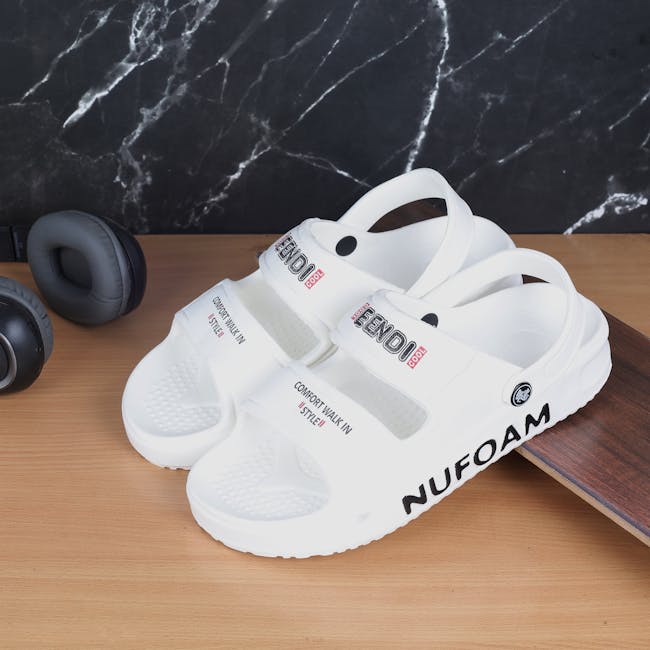
Men’s Casual Sandals: The Triad of Comfort, Durability, and Style
The humble sandal, often relegated to beachside excursions or poolside lounging, has transcended its utilitarian origins to become a cornerstone of men’s casual wear. Far from being mere foot coverings, modern men’s casual sandals are meticulously engineered to offer an unparalleled blend of comfort, exceptional durability, and sophisticated style, making them an indispensable part of any warm-weather wardrobe. This deep dive explores the multifaceted appeal of these versatile footwear options, dissecting the elements that contribute to their enduring popularity.
The Unwavering Pursuit of Comfort: A Foundation of Footwear Bliss
At the heart of any successful casual sandal lies its commitment to comfort. This is not a secondary consideration; it is the primary driver for many consumers. The open-air design inherently promotes breathability, a crucial factor in combating the discomfort associated with heat and humidity. However, true comfort extends far beyond mere ventilation.
Cushioning and Support: Modern sandals employ advanced cushioning technologies to absorb impact and provide a plush feel with every step. This includes the ubiquitous EVA (ethylene-vinyl acetate) foam, known for its lightweight, shock-absorbing properties, often found in midsoles. More premium options may feature memory foam that molds to the wearer’s foot, offering personalized support and pressure relief. Anatomically contoured footbeds are another key feature, designed to cradle the arch and heel, promoting proper alignment and reducing fatigue during prolonged wear. This is particularly important for sandals, which typically lack the structured support of closed-toe shoes.
Strap Design and Materials: The interface between the sandal and the foot – the straps – plays a pivotal role in comfort. Manufacturers meticulously consider strap width, placement, and material to prevent chafing and irritation. Soft, pliable leathers, high-density nylon webbing, and even plush neoprene linings are employed to ensure a smooth, non-abrasive contact. Adjustable straps, often featuring hook-and-loop closures or buckles, allow for a customized fit, accommodating varying foot widths and ensuring a secure yet unrestrictive feel. The absence of constrictive toe boxes further enhances the sensation of freedom and ease.
Lightweight Construction: The overall weight of a sandal significantly impacts its comfort. Lighter sandals reduce the energy expenditure required for walking, making them ideal for extended periods of wear. This is achieved through the strategic use of lightweight materials in both the sole and the upper.
Durability: Built to Withstand the Elements and Everyday Wear
While comfort is paramount, the longevity of a casual sandal is equally important for discerning consumers. The best sandals are not only comfortable but also robust, capable of withstanding the rigors of daily life and various outdoor environments.
Sole Construction and Materials: The outsole is the primary point of contact with the ground and thus bears the brunt of wear and tear. High-quality rubber compounds are favored for their exceptional grip, abrasion resistance, and flexibility. Tread patterns are thoughtfully designed to provide traction on a variety of surfaces, from slippery poolside tiles to uneven trails. Midsole durability is also crucial. While EVA offers excellent cushioning, it can compress over time. Some brands incorporate denser foam compounds or even rubber elements in the midsole to enhance its resilience and prevent premature breakdown.
Upper Materials and Stitching: The materials used for the straps and upper are critical for both comfort and durability. Full-grain leather, known for its strength and ability to age gracefully, is a premium choice. Suede offers a softer feel but may require more care. Synthetic materials, such as robust nylon or durable polyurethane, are often chosen for their water resistance and ease of cleaning. The stitching that holds the sandal together must be strong and resilient. Reinforced stitching, often using heavy-duty thread, prevents seams from pulling apart under stress.
Water Resistance and Quick-Drying Properties: For sandals intended for water-based activities or humid climates, water resistance and quick-drying capabilities are vital. Many modern sandals utilize hydrophobic materials and construction techniques that allow them to shed water rapidly, preventing them from becoming heavy and uncomfortable when wet. This also aids in preventing the growth of mildew and unpleasant odors.
Style: The Evolution from Utilitarian to Fashion-Forward
The perception of casual sandals has undergone a dramatic transformation. Once viewed as purely functional, they have now firmly established themselves as stylish and versatile fashion statements, capable of complementing a wide range of casual outfits.
Diverse Silhouettes and Designs: The market now boasts an impressive array of sandal styles, catering to diverse aesthetic preferences. The classic flip-flop, with its simple thong design, remains a popular choice for its unpretentious appeal. Slides, characterized by a single strap across the foot, offer effortless wearability and a modern, minimalist look. Fisherman sandals, with their caged design, provide a touch more coverage and a distinctly retro vibe. Strappy sandals, with multiple adjustable straps, offer a more secure fit and a sophisticated, often more elevated aesthetic.
Material and Color Palettes: The choice of materials significantly influences a sandal’s style. Rich, supple leathers in classic shades of brown, black, and tan exude a timeless elegance. Suede adds a touch of relaxed sophistication, while vibrant textiles and bold colorways inject a playful, contemporary feel. Neutral tones are undeniably versatile, easily pairing with shorts, chinos, and even casual linen trousers. However, increasingly, men are embracing bolder colors and patterns to express their personal style and add a pop of interest to their ensembles.
Brand Innovation and Designer Collaborations: Leading footwear brands are investing heavily in research and development, pushing the boundaries of sandal design. Innovative strap configurations, unique sole shapes, and the incorporation of premium hardware like buckles and metal accents elevate the humble sandal into a fashion piece. Designer collaborations further blur the lines between footwear and high fashion, introducing limited-edition models that are as coveted for their aesthetic as they are for their comfort and quality.
Versatility in Styling: The modern men’s casual sandal is no longer confined to the beach. They are perfectly suited for a weekend brunch, a casual Friday at the office (in more relaxed environments), a stroll through a park, or an evening barbecue. Pairing them with tailored shorts and a crisp linen shirt creates a smart-casual look. With well-fitting chinos and a t-shirt, they offer a relaxed yet put-together appearance. Even with a pair of dark wash jeans and a casual button-down, certain sandal styles can achieve a surprisingly stylish outcome. The key lies in understanding the specific sandal’s design and its inherent level of formality.
In conclusion, the evolution of men’s casual sandals is a testament to the power of thoughtful design and an understanding of consumer needs. By seamlessly integrating superior comfort, robust durability, and a diverse spectrum of stylish aesthetics, these footwear staples have earned their rightful place in the modern man’s wardrobe, offering a cool, comfortable, and fashionable solution for warmer days.