The air fryer, once a niche kitchen gadget, has rapidly ascended to become a beloved appliance for home cooks seeking healthier, faster, and more flavorful meals. Its ability to mimic the crispiness of deep-frying with a fraction of the oil has revolutionized weeknight dinners and weekend snacks alike. However, unlocking the full potential of your air fryer requires more than simply tossing food in and pressing a button. Mastering this versatile device involves understanding its nuances, employing smart techniques, and experimenting with its capabilities. This comprehensive guide delves into the essential tips and tricks that will transform you into an air fryer virtuoso.
Understanding the Air Fryer’s Magic: Hot Air Circulation
At its core, an air fryer is a countertop convection oven. It works by circulating extremely hot air around your food at high speed. This rapid air movement creates a convection effect, similar to a fan oven, which cooks food evenly and efficiently. Crucially, this process dehydrates the exterior of the food, leading to that coveted crispy texture without submerging it in oil. The basket design, with its perforations, further enhances this air circulation, ensuring all sides of the food are exposed to the hot air. Understanding this fundamental principle is the first step to mastering your air fryer.
Preheating: The Unsung Hero of Crispy Results
Just like a conventional oven, preheating your air fryer is paramount for achieving optimal results. Many users overlook this step, but it’s a game-changer. Preheating ensures that when your food hits the basket, it immediately begins to cook and crisp up. Without preheating, food will take longer to cook, and the exterior may not develop the desired texture, leading to a less satisfying outcome. Aim to preheat your air fryer for at least 3-5 minutes at your desired cooking temperature. Most air fryers will indicate when they are ready.
Oiling Your Food: Less is More, but Still Necessary
While the allure of “oil-free” cooking is a major draw, a small amount of oil is often beneficial for achieving the best texture and flavor. Oil acts as a flavor enhancer and helps to promote browning and crispiness by facilitating the Maillard reaction. However, the key is moderation. Instead of pouring oil directly into the basket, lightly coat your food with a spray oil or toss it in a bowl with a tablespoon or two of your preferred oil (olive oil, avocado oil, or coconut oil are excellent choices). This ensures even distribution and prevents excess oil from pooling at the bottom, which can lead to smoking and uneven cooking.
Don’t Overcrowd the Basket: Airflow is Key
This is arguably the most critical tip for successful air frying. Overcrowding the air fryer basket is a common mistake that leads to steaming rather than crisping. When the basket is too full, the hot air cannot circulate effectively around each piece of food. This results in uneven cooking, with some items being cooked through while others remain pale and soggy. For best results, cook food in a single layer, allowing ample space between each piece. If you’re cooking for a larger group, it’s better to cook in batches.
Shake, Flip, and Rotate: Ensuring Even Cooking
To guarantee that all sides of your food are cooked to perfection, regular intervention is necessary. About halfway through the cooking time, give your air fryer basket a good shake. For larger items like chicken wings or fries, use tongs to flip them over. For smaller items, shaking is usually sufficient. This simple action ensures that all surfaces are exposed to the hot air, leading to consistent browning and crispiness. Some air fryer models have a “shake reminder” function, which is a helpful feature.
Experiment with Cooking Times and Temperatures: Find Your Sweet Spot
While recipes provide a helpful starting point, every air fryer is slightly different, and cooking times can vary based on the size and thickness of your food, as well as the specific model of your air fryer. It’s essential to experiment and learn your appliance’s quirks. Start with the recommended cooking time and temperature, but keep a close eye on your food. It’s always better to undercook slightly and add more time than to overcook and ruin your meal. Use a meat thermometer for proteins to ensure they reach a safe internal temperature.
Beyond the Basics: Advanced Air Frying Techniques
Once you’ve mastered the fundamentals, it’s time to explore more advanced techniques to elevate your air fryer game.
-
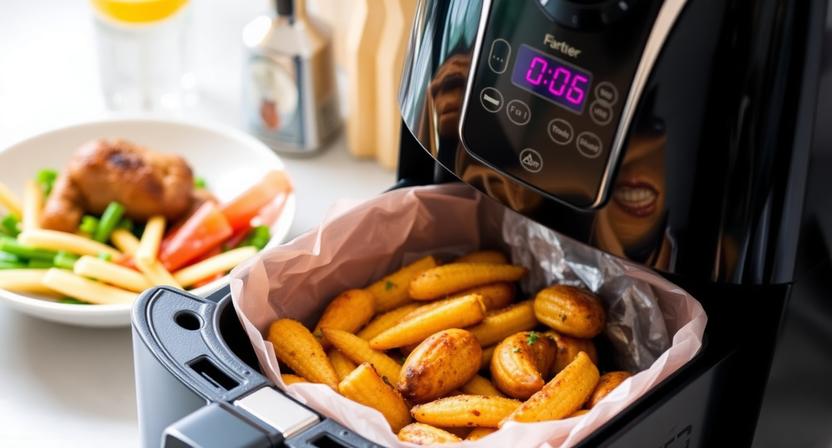
Using Parchment Paper or Liners: While not strictly necessary, air fryer parchment paper or silicone liners can be a lifesaver for easy cleanup, especially for sticky or greasy foods. Ensure you use liners specifically designed for air fryers, with perforations to allow for proper airflow. Avoid using standard parchment paper without holes, as it can obstruct airflow and lead to uneven cooking.
-
Marinating for Maximum Flavor: Just like with any cooking method, marinating your proteins before air frying can infuse them with incredible flavor. The hot air circulation in the air fryer helps to caramelize the marinades, creating delicious sticky coatings.
-
Breaded Foods: The Air Fryer’s Specialty: Air fryers are phenomenal for breaded items like chicken tenders, fish fillets, and even vegetables like zucchini fries. The hot air creates a remarkably crispy exterior that rivals deep-fried versions. For best results, ensure your breading is applied evenly and consider a light mist of cooking spray before air frying.
-
Roasting Vegetables to Perfection: Air fryers excel at roasting vegetables, bringing out their natural sweetness and creating a delightful char. Toss vegetables like broccoli, Brussels sprouts, asparagus, and sweet potato cubes with a little oil, salt, and pepper. Air fry until tender-crisp and slightly caramelized.
-
Reheating Leftovers with a Crispy Finish: Say goodbye to soggy microwave leftovers! Your air fryer is the ultimate tool for reheating. It can revive pizza, fried chicken, and even fries, bringing back their original crispiness. Reheat at a slightly lower temperature than you initially cooked to avoid burning.
-
Baking Small Batches: Many air fryers can also function as mini ovens. You can bake small cakes, muffins, cookies, and even individual pizzas in your air fryer. Invest in air fryer-specific baking pans or use oven-safe ramekins.
Troubleshooting Common Air Fryer Issues
Even experienced air fryer users can encounter challenges. Here are solutions to common problems:
-
Food is not crispy: Ensure you’re not overcrowding the basket, preheating the appliance, and using a small amount of oil. Shake or flip food halfway through cooking.
-
Food is burning on the outside, undercooked on the inside: This usually indicates the temperature is too high or you’re cooking for too long. Reduce the temperature and/or cooking time, and check for doneness more frequently.
-
Excessive smoke: This is often caused by fatty foods dripping onto the heating element or by using too much oil. Clean your air fryer regularly and trim excess fat from meats.
-
Uneven cooking: This is most likely due to overcrowding or not shaking/flipping the food. Ensure adequate space and consistent movement of the food.
Cleaning and Maintenance: Prolonging Your Air Fryer’s Lifespan
Regular cleaning is crucial for maintaining your air fryer’s performance and longevity.
-
Cool Down: Always allow your air fryer to cool down completely before cleaning.
-
Basket and Tray: Most air fryer baskets and trays are dishwasher-safe, but handwashing with warm, soapy water is often recommended to preserve their non-stick coating. Use a non-abrasive sponge.
-
Interior and Exterior: Wipe down the interior of the air fryer with a damp cloth. For stubborn grease, a mild degreaser can be used, but ensure it’s completely rinsed off. The exterior can be cleaned with a damp cloth.
-
Heating Element: Periodically check the heating element for any food debris and gently brush it away with a soft brush once cooled.
By embracing these tips and tricks, you’ll move beyond basic air frying and unlock a world of culinary possibilities. Your air fryer is a powerful tool that, with a little understanding and practice, can become your go-to appliance for creating delicious, healthy, and impressively crispy meals. Happy air frying!
Cookwell Air Fryer - 5L With See Through Window - 1400W (Grey & Black)
₹3,399.00 (as of September 18, 2026 18:39 GMT +05:30 - More infoProduct prices and availability are accurate as of the date/time indicated and are subject to change. Any price and availability information displayed on [relevant Amazon Site(s), as applicable] at the time of purchase will apply to the purchase of this product.)
Dustproof & Oil-Proof Air Fryer Cover for INALSA Ceramic AirFryer5.5L - Polyester Waterproof Kitchen Oven and Home Appliances Case with Handle, Black
₹224.00 (as of September 18, 2026 18:39 GMT +05:30 - More infoProduct prices and availability are accurate as of the date/time indicated and are subject to change. Any price and availability information displayed on [relevant Amazon Site(s), as applicable] at the time of purchase will apply to the purchase of this product.)
Philips Smartchoice OneChef, 6 Litre Smart All in One Cooking Device | 33-in-1 Functions: Air Fryer, Stir Fry, Steam, Boil, Curry & More. AmbiHeat Technology for Indian Recipes & Biryani.
₹19,995.00 (as of September 18, 2026 18:39 GMT +05:30 - More infoProduct prices and availability are accurate as of the date/time indicated and are subject to change. Any price and availability information displayed on [relevant Amazon Site(s), as applicable] at the time of purchase will apply to the purchase of this product.)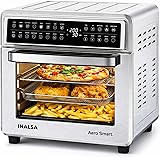
INALSA Air Fryer Oven With 23L Capacity|1700 W-16 Preset Programs |Digital Display and Touch Control| Rotisserie & Convection| 9 Accessories| Recipe Book|2 Year Warranty-Aero Smart23
₹12,999.00 (as of September 18, 2026 18:39 GMT +05:30 - More infoProduct prices and availability are accurate as of the date/time indicated and are subject to change. Any price and availability information displayed on [relevant Amazon Site(s), as applicable] at the time of purchase will apply to the purchase of this product.)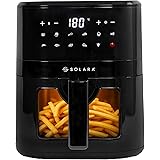
SOLARA Air Fryer For Home 4.5L with See Through Window, 10 Preset menus, 360° High Speed Air Circulation for Fry, Grill, Roast & Bake,Uses upto 90% less fat, 1500 Watts, Digital Touch Control, Black
₹3,428.00 (as of September 18, 2026 18:39 GMT +05:30 - More infoProduct prices and availability are accurate as of the date/time indicated and are subject to change. Any price and availability information displayed on [relevant Amazon Site(s), as applicable] at the time of purchase will apply to the purchase of this product.)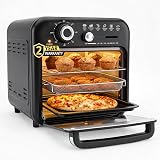
IBELL10L Air Fryer Oven for Home Kitchen, 1400W with 6 Presets, 7 Accessories, Grill, Roast, Bake, Reheat, BLACK, 2Year Warranty
₹6,445.00 (as of September 18, 2026 18:39 GMT +05:30 - More infoProduct prices and availability are accurate as of the date/time indicated and are subject to change. Any price and availability information displayed on [relevant Amazon Site(s), as applicable] at the time of purchase will apply to the purchase of this product.)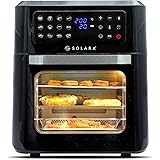
SOLARA 12L Air Fryer Oven for Home Kitchen, 1800W OTG Air Fryer Oven 12 Litre with 12 Presets, 9 Accessories, Grill, Roast, Bake, Reheat, AirFryer OTG, XX-Large, Recipe E-book, 1 Year Warranty, Black
₹8,299.00 (as of September 18, 2026 18:39 GMT +05:30 - More infoProduct prices and availability are accurate as of the date/time indicated and are subject to change. Any price and availability information displayed on [relevant Amazon Site(s), as applicable] at the time of purchase will apply to the purchase of this product.)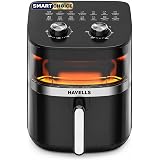
Havells Prolife Stellar Chef Smartchoice Air Fryer 5.5 Ltr|1500 Watts|See Through Window|Aerocrisp Tech: Rapid air circulation in every direction|Non Stick Silicon Coated Basket|2 Year Brand Warranty
₹5,167.44 (as of September 18, 2026 18:39 GMT +05:30 - More infoProduct prices and availability are accurate as of the date/time indicated and are subject to change. Any price and availability information displayed on [relevant Amazon Site(s), as applicable] at the time of purchase will apply to the purchase of this product.)
Milton Rapid Digital Air Fryer 4.2L | 1450W | 360° High Speed Air Circulation | Up to 90% Less Oil Usage | 8 Preset Menus | Touch Control Panel & Digital Display | Auto Shut-Off | 1 Year Warranty
₹3,199.00 (as of September 18, 2026 18:39 GMT +05:30 - More infoProduct prices and availability are accurate as of the date/time indicated and are subject to change. Any price and availability information displayed on [relevant Amazon Site(s), as applicable] at the time of purchase will apply to the purchase of this product.)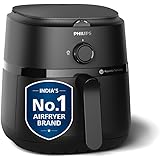
PHILIPS Air Fryer NA120/00, 4.2 Litre, Large | uses up to 90% less fat, with Rapid Air Technology
₹4,849.00 (as of September 18, 2026 18:39 GMT +05:30 - More infoProduct prices and availability are accurate as of the date/time indicated and are subject to change. Any price and availability information displayed on [relevant Amazon Site(s), as applicable] at the time of purchase will apply to the purchase of this product.)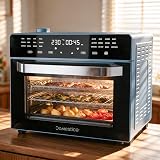
Domestica Elio Pro 24 in 1 Digital Air Fryer Oven & Toaster, 30 L, 1700 W | 12 Presets, 360˚ Even Cooking, Air Fry, Bake, Roast, Toast, Reheat, Broil, Dehydrate, Proof, 3 Level Cooking, LED Display
₹18,399.00 (as of September 18, 2026 18:39 GMT +05:30 - More infoProduct prices and availability are accurate as of the date/time indicated and are subject to change. Any price and availability information displayed on [relevant Amazon Site(s), as applicable] at the time of purchase will apply to the purchase of this product.)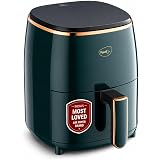
Pigeon Healthifry Digital Air Fryer, 360° High Speed Air Circulation Technology 1200 W with Non-Stick 4.2 L Basket
₹3,229.00 (as of September 18, 2026 18:39 GMT +05:30 - More infoProduct prices and availability are accurate as of the date/time indicated and are subject to change. Any price and availability information displayed on [relevant Amazon Site(s), as applicable] at the time of purchase will apply to the purchase of this product.)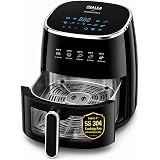
INALSA Stainless Steel Air Fryer,5.5 ltr & 1600 W,Non Toxic,SteelChef DW5.5
₹6,298.00 (as of September 18, 2026 18:39 GMT +05:30 - More infoProduct prices and availability are accurate as of the date/time indicated and are subject to change. Any price and availability information displayed on [relevant Amazon Site(s), as applicable] at the time of purchase will apply to the purchase of this product.)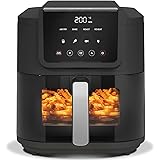
Nutricook 5L Air Fryer Slim with 100% Toxin-Free Ceramic Coating—No PTFE, PFAS, PFOA or Microplastics, Clear Window, Light & Large Basket | 1500W, 4 Presets, 2-Year Warranty
₹5,999.00 (as of September 18, 2026 18:39 GMT +05:30 - More infoProduct prices and availability are accurate as of the date/time indicated and are subject to change. Any price and availability information displayed on [relevant Amazon Site(s), as applicable] at the time of purchase will apply to the purchase of this product.)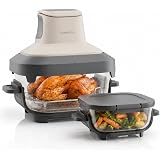
Domestica Lumera Air Fryer Oven with CarbonHeat™ Pro | Lumi Glass Air Fryer | 4L+1.5L Dual Bowl | BaseGuard™| 5 in 1 Grill, Airfry, Bake, Roast, Reheat | 100% Toxin Free - No PFAS, PTFE, PFOA | 1550W
₹10,998.00 (as of September 18, 2026 18:39 GMT +05:30 - More infoProduct prices and availability are accurate as of the date/time indicated and are subject to change. Any price and availability information displayed on [relevant Amazon Site(s), as applicable] at the time of purchase will apply to the purchase of this product.)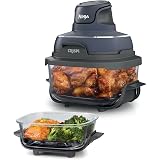
Ninja Crispi 1700W CleanCrisp Glass Air Fryer | 1.4L & 3.8L containers, Microwave, Freezer and Dishwasher Safe, Non-Toxic Glass Portable Cooking System with 2 year Warranty
₹15,999.00 (as of September 18, 2026 18:39 GMT +05:30 - More infoProduct prices and availability are accurate as of the date/time indicated and are subject to change. Any price and availability information displayed on [relevant Amazon Site(s), as applicable] at the time of purchase will apply to the purchase of this product.)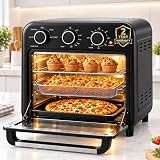
iBELL 24L Air Fryer Oven For Home Kitchen, 6-in-1 Functionality, Bake, Grill, Toast, Pizza & Dehydrate, Adjustable Temperature Control & Timer | 2-Year Warranty | Black
₹9,099.00 (as of September 18, 2026 18:39 GMT +05:30 - More infoProduct prices and availability are accurate as of the date/time indicated and are subject to change. Any price and availability information displayed on [relevant Amazon Site(s), as applicable] at the time of purchase will apply to the purchase of this product.)
10 PCS Air Fryer Accessories Combo Kit – Silicone Air Fryer Liners Set, 200ml Oil Spray Bottle, Silicone Brush, Spatula & Heat Resistant Grip | Reusable Non-Stick Air Fryer Kitchen Tools
₹284.00 (as of September 18, 2026 18:39 GMT +05:30 - More infoProduct prices and availability are accurate as of the date/time indicated and are subject to change. Any price and availability information displayed on [relevant Amazon Site(s), as applicable] at the time of purchase will apply to the purchase of this product.)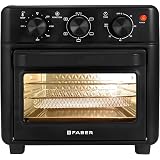
Faber Air Fryer Oven 14L 1400W|View Window|Bake Tray,Tray Handle & Crumb Tray|Dishwasher safe removable parts|5 Preset Auto Program|3 Rack Positions|Roast,Fry,Toast,Defrost|FFAO CrispX PRO 14 BK
₹6,489.00 (as of September 18, 2026 18:39 GMT +05:30 - More infoProduct prices and availability are accurate as of the date/time indicated and are subject to change. Any price and availability information displayed on [relevant Amazon Site(s), as applicable] at the time of purchase will apply to the purchase of this product.)