Description: Master your living room air quality in 2026. Compare top HEPA purifiers, CADR ratings, and smart tech to breathe cleaner, healthier air today.
The living room is the heart of the home, but it is also a magnet for invisible threats. From pet dander and seasonal pollen to Volatile Organic Compounds (VOCs) wafting off new furniture, the air you breathe while relaxing might be up to five times more polluted than the air outside. In 2026, air purification technology has evolved from simple fans to intelligent health systems.
This guide provides a deep dive into Living Room Air Quality Explained: Choosing the Best Air Purifier, ensuring you make an informed investment for your family’s wellness.
The Hidden Science of Living Room Air Quality
Indoor air quality (IAQ) is no longer a niche concern; it is a global health priority. Recent studies by the EPA confirm that most people spend 90% of their time indoors, where stagnant air can trap microscopic pollutants.
Common Living Room Pollutants
- PM2.5 (Fine Particulate Matter): Microscopic dust and smoke particles small enough to enter the bloodstream.
- VOCs: Gases emitted from paints, cleaning supplies, and even that “new car smell” from your sofa.
- Biological Allergens: Dust mites, mold spores, and pet dander that settle into carpets and upholstery.
Choosing the Best Air Purifier: Key Metrics Explained
When shopping for the best air purifier for living rooms, three technical specifications determine whether a unit is a powerhouse or a paperweight.
1. CADR (Clean Air Delivery Rate)
CADR measures how quickly a unit cleans the air of smoke, pollen, and dust. For a living room, which is typically the largest open space in a home, you need a high CADR.
- Expert Tip: Follow the “2/3 Rule.” Your purifier’s smoke CADR should be at least 2/3 of your room’s square footage.
2. ACH (Air Changes per Hour)
This tells you how many times the purifier can exchange all the air in a room within 60 minutes.
- Standard Homes: Aim for 4 ACH.
- Allergy Sufferers: Look for 5–6 ACH to ensure the air is scrubbed every 10 minutes.
3. Filter Grade: The H13/H14 Standard
In 2026, “HEPA-like” is no longer enough. Medical-grade True HEPA H13 or H14 filters are the gold standard, capturing 99.97% to 99.99% of particles as small as 0.1 microns.
Top Living Room Air Purifiers: 2026 Comparison Table
| Model | Best For | Coverage (Sq. Ft.) | Key Tech | Price Range |
| Dyson Big+Quiet BP03 | Large Open Spaces | 1,000+ | Formaldehyde destruction | $800 – $1,000 |
| Blueair 311i Max | Most Families | 387 (at 5 ACH) | HEPASilent™ Technology | $250 – $350 |
| Coway Airmega 250S | Tech Enthusiasts | 930 | Smart SIS sensors | $400 – $500 |
| Levoit Core 600S | Value Seekers | 635 | VortexAir™ 3.0 | $250 – $300 |
Advanced Technology: Beyond Simple Filtration
The best air purifiers you can buy right now utilize multi-stage systems to tackle different types of pollution.
Activated Carbon for Odor Removal
A HEPA filter alone cannot stop smells. You need a dedicated Activated Carbon layer. This porous material acts like a sponge for gases and odors from cooking or pets. In 2026 models, “granular” carbon is preferred over “carbon-coated” mesh for its higher surface area and longevity.
Smart Integration & Matter Support
The newest purifiers now support the Matter protocol, allowing them to communicate seamlessly with Apple Home, Google Home, and Amazon Alexa.
- Auto-Mode: Sensors detect a spike in pollutants (like burnt toast) and automatically ramp up fan speed.
- AQI Displays: Real-time OLED screens show your current PM2.5 levels, giving you visual peace of mind.
Maintenance: Protecting Your Investment
An air purifier is only as good as its last filter change. Neglecting maintenance can turn your device into a source of secondary pollution.
- Vacuum the Pre-Filter: Most units have a mesh outer layer that catches large dust bunnies. Clean this every 2 weeks to maintain airflow.
- Replace HEPA Every 6–12 Months: Depending on your environment (e.g., if you have three Golden Retrievers), filters will clog. Modern smart units will send a push notification to your phone when efficiency drops.
- Sensor Cleaning: Every 3 months, wipe the dust off the internal laser sensors to ensure the “Auto” mode remains accurate.
Real-World Case Study: The “Open-Concept” Challenge
A family in a 600-square-foot open-concept living and dining area recently tested the Dyson Big+Quiet. Despite the large volume of air, the unit’s long-range projection technology allowed it to circulate air from across the room, reducing measured PM2.5 levels from “Moderate” to “Excellent” in under 18 minutes.
Authority Note: This highlights why airflow design is just as important as the filter itself. If a purifier can’t move the air across the room, it only cleans the 3-foot “bubble” around the device.
Frequently Asked Questions
Do air purifiers help with COVID-19 or viruses?
Yes, True HEPA filters (H13 and above) are capable of capturing viral particles, though they should be used as part of a multi-layered defense strategy including ventilation.
Can I leave my air purifier on 24/7?
Absolutely. Most modern units are designed for continuous use and are highly energy-efficient, often costing less than $2 per month in electricity on “Low” or “Auto” settings.
Where is the best place to put an air purifier in a living room?
Place it in a central location with at least 1 foot of clearance on all sides. Avoid corners or hiding it behind sofas, as this restricts the intake of polluted air.
Conclusion: Breathing Easier in 2026
Improving your living room air quality is one of the most impactful upgrades you can make for your home. By focusing on a unit with a True HEPA H13 filter, a CADR rated for your square footage, and smart sensors that take the guesswork out of operation, you ensure a healthier environment for years to come.
Ready to transform your home’s atmosphere? Would you like me to help you compare the specific CADR ratings of two models you are currently considering?
Rbioko Compact HEPA Air Purifier for Home, Office, Bedroom, Desktop - Portable Mini Air Cleaner for Smoke, Dust, Odor, Quiet Operation, White
₹399.00 (as of September 19, 2026 18:50 GMT +05:30 - More infoProduct prices and availability are accurate as of the date/time indicated and are subject to change. Any price and availability information displayed on [relevant Amazon Site(s), as applicable] at the time of purchase will apply to the purchase of this product.)
Portable 3-in-1 Air Purifier, Aroma Diffuser & Air Humidifier with 1500ml Water Tank – Electric Revitalizer for Home, Office, Bedroom & Spa (Green)
₹869.00 (as of September 19, 2026 18:50 GMT +05:30 - More infoProduct prices and availability are accurate as of the date/time indicated and are subject to change. Any price and availability information displayed on [relevant Amazon Site(s), as applicable] at the time of purchase will apply to the purchase of this product.)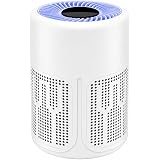
VIBEVISTA Portable Air Purifier for Home & Office, 360° Air Intake, Quiet Operation, Compact Desktop Air Cleaner for Bedroom, Living Room, Office & Small Rooms, White
₹1,999.00 (as of September 19, 2026 18:50 GMT +05:30 - More infoProduct prices and availability are accurate as of the date/time indicated and are subject to change. Any price and availability information displayed on [relevant Amazon Site(s), as applicable] at the time of purchase will apply to the purchase of this product.)
LINSO Indoor Air Cleaning Device for Bedroom, Office Desk, Study Area & Living Space | Compact Home Appliance | Multi Color
Now retrieving the price.
(as of September 19, 2026 18:50 GMT +05:30 - More infoProduct prices and availability are accurate as of the date/time indicated and are subject to change. Any price and availability information displayed on [relevant Amazon Site(s), as applicable] at the time of purchase will apply to the purchase of this product.)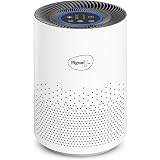
Pigeon Air Purifier for Home, HEPA H13, 99.99% PM2.5, White, 235 Sq Ft
₹4,299.00 (as of September 19, 2026 18:50 GMT +05:30 - More infoProduct prices and availability are accurate as of the date/time indicated and are subject to change. Any price and availability information displayed on [relevant Amazon Site(s), as applicable] at the time of purchase will apply to the purchase of this product.)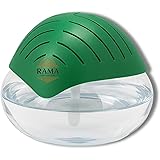
Rama Emporium Portable 3-in-1 Air Purifier, Aroma Diffuser & Air Humidifier with 500ml Water Tank – Electric Revitalizer for Fresh Air & Fragrance at Home, Office, Bedroom & Spa (Green)
₹869.00 (as of September 19, 2026 18:50 GMT +05:30 - More infoProduct prices and availability are accurate as of the date/time indicated and are subject to change. Any price and availability information displayed on [relevant Amazon Site(s), as applicable] at the time of purchase will apply to the purchase of this product.)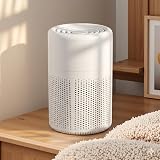
PROTON™ Mini Portable Air Purifier for Home & Bedroom | True HEPA Filter, 0.3 Micron Filtration | USB Powered, Low Noise 30dB | Covers 305 Sq Ft | Compact Desktop Air Cleaner for Office, Car & Travel
₹999.00 (as of September 19, 2026 18:50 GMT +05:30 - More infoProduct prices and availability are accurate as of the date/time indicated and are subject to change. Any price and availability information displayed on [relevant Amazon Site(s), as applicable] at the time of purchase will apply to the purchase of this product.)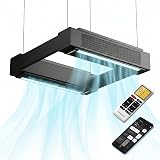
KARBAN Airzone Pure Plus | Two-Unit Square HEPA Air Purifier with Bladeless BLDC Ceiling Fan | Dimmable Color Changing LED light | Real-Time AQI | Smart, Wi-Fi, App, Alexa & Google | 6 Speed | Black
₹36,999.00 (as of September 19, 2026 18:50 GMT +05:30 - More infoProduct prices and availability are accurate as of the date/time indicated and are subject to change. Any price and availability information displayed on [relevant Amazon Site(s), as applicable] at the time of purchase will apply to the purchase of this product.)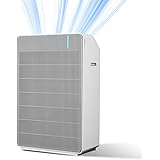
Cuckoo Respure Copper Air Purifier for Home, HEPA 13, Covers 570 Sqft/15min | 1 Additional Free Filter,408 m³/h CADR,PM 2.5 Sensor,Removes 99.99% Dust,Virus,Germs,Pet Hair,Allergens, 8 Yrs Motor Warranty
₹16,990.00 (as of September 19, 2026 18:50 GMT +05:30 - More infoProduct prices and availability are accurate as of the date/time indicated and are subject to change. Any price and availability information displayed on [relevant Amazon Site(s), as applicable] at the time of purchase will apply to the purchase of this product.)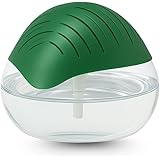
Fragair Other Portable Room Air Purifier Aroma Diffuser Or Humidifier Revitalizer, 500 Ml, Green
₹999.00 (as of September 19, 2026 18:50 GMT +05:30 - More infoProduct prices and availability are accurate as of the date/time indicated and are subject to change. Any price and availability information displayed on [relevant Amazon Site(s), as applicable] at the time of purchase will apply to the purchase of this product.)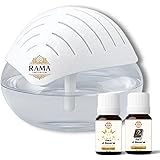
Rama Emporium Portable 3-in-1 Air Purifier, Aroma Diffuser & Air Humidifier with 750ml Water Tank – Electric Revitalizer with 2 Essential Oils (10 ml Each) for Home, Office, Bedroom & Spa (White)
₹999.00 (as of September 19, 2026 18:50 GMT +05:30 - More infoProduct prices and availability are accurate as of the date/time indicated and are subject to change. Any price and availability information displayed on [relevant Amazon Site(s), as applicable] at the time of purchase will apply to the purchase of this product.)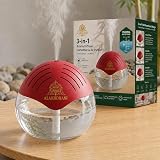
ALAKHDHANI 3-in-1 Aroma Diffuser, Humidifier & Air Purifier | Ultrasonic Cool Mist Humidifier for Home, Bedroom, Office, Spa | Red
₹999.00 (as of September 19, 2026 18:50 GMT +05:30 - More infoProduct prices and availability are accurate as of the date/time indicated and are subject to change. Any price and availability information displayed on [relevant Amazon Site(s), as applicable] at the time of purchase will apply to the purchase of this product.)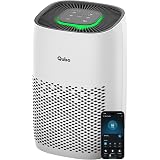
Qubo Q200 Smart Air Purifier for bedroom by Hero Group| Up to 200 SqFt| True HEPA H13|Removes 99.99% Dust, Allergens, Smoke, Virus & PM2.5|150 m³/h CADR|5-Stage Filter|App Control|9000 Hrs Filter Life
₹6,948.00 (as of September 19, 2026 18:50 GMT +05:30 - More infoProduct prices and availability are accurate as of the date/time indicated and are subject to change. Any price and availability information displayed on [relevant Amazon Site(s), as applicable] at the time of purchase will apply to the purchase of this product.)
LINSO Premium HEPA Air Purifier for Home & Office | Removes Dust, Smoke, Pollen, Pet Dander & Odors | Quiet Sleep Mode | Covers Large Rooms
Now retrieving the price.
(as of September 19, 2026 18:50 GMT +05:30 - More infoProduct prices and availability are accurate as of the date/time indicated and are subject to change. Any price and availability information displayed on [relevant Amazon Site(s), as applicable] at the time of purchase will apply to the purchase of this product.)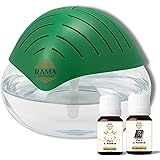
Rama Emporium Portable 3-in-1 Air Purifier, Aroma Diffuser & Air Humidifier with 1500ml Water Tank – Electric Revitalizer with Free 2 Essential Oil (10ml Each) for Home, Office, Bedroom & Spa (Green)
Now retrieving the price.
(as of September 19, 2026 18:50 GMT +05:30 - More infoProduct prices and availability are accurate as of the date/time indicated and are subject to change. Any price and availability information displayed on [relevant Amazon Site(s), as applicable] at the time of purchase will apply to the purchase of this product.)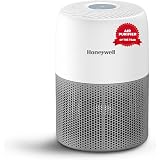
Honeywell Air Purifier for Home & Office, 3-in-1, Pre, H13 HEPA, Activated Carbon, Removes 99.99% Pollutants, Allergens, Pet Dander, Smoke, Dust & Pollens - Air touch V1
₹4,965.00 (as of September 19, 2026 18:50 GMT +05:30 - More infoProduct prices and availability are accurate as of the date/time indicated and are subject to change. Any price and availability information displayed on [relevant Amazon Site(s), as applicable] at the time of purchase will apply to the purchase of this product.)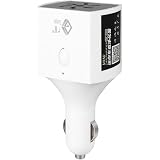
Negative Ion Generator Car Air Purifier, 12V, Lighter Port Compatible, Compact Size
₹2,800.00 (as of September 19, 2026 18:50 GMT +05:30 - More infoProduct prices and availability are accurate as of the date/time indicated and are subject to change. Any price and availability information displayed on [relevant Amazon Site(s), as applicable] at the time of purchase will apply to the purchase of this product.)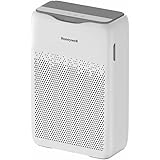
Honeywell Air Purifier for Home, 4 Stage Filtration, Covers 388 sq.ft, High Efficiency Pre-Filter, H13 HEPA, Activated Carbon Filter, Removes 99.99% Pollutants & Micro Allergens White - Air Touch V2
₹9,149.00 (as of September 19, 2026 18:50 GMT +05:30 - More infoProduct prices and availability are accurate as of the date/time indicated and are subject to change. Any price and availability information displayed on [relevant Amazon Site(s), as applicable] at the time of purchase will apply to the purchase of this product.)
Purnkam™ Small Air Purifiers for Bedroom Home with HEPA Filters, HEPA Filter Cleaner with Aromatherapy for Better Sleep Bedroom and Living Room, Allergies, Dust, Pet Dander, Odour, Smoke, Office
₹999.00 (as of September 19, 2026 18:50 GMT +05:30 - More infoProduct prices and availability are accurate as of the date/time indicated and are subject to change. Any price and availability information displayed on [relevant Amazon Site(s), as applicable] at the time of purchase will apply to the purchase of this product.)