Description: Choose the best and safest kids headphones in India. Learn about the crucial 85dB volume limit, BIS certification, durability, and features for e-learning and entertainment.
🇮🇳 Introduction: The Essential Digital Companion for Indian Children
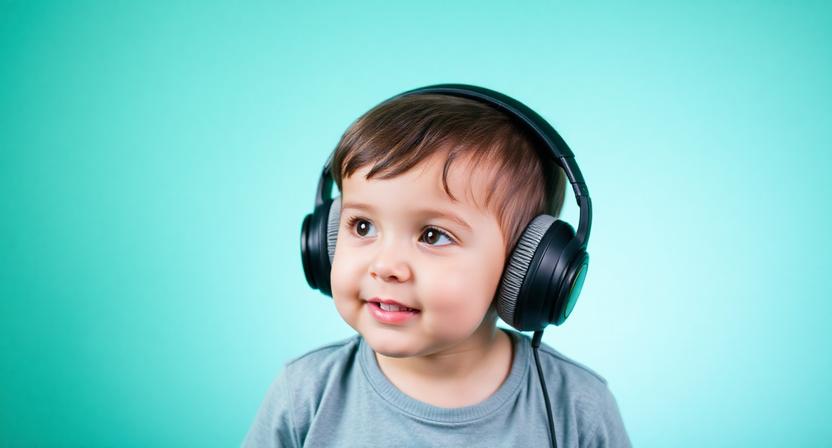
In the dynamic landscape of modern India, a pair of kids headphones has transformed from a simple accessory into a crucial tool for education, entertainment, and peace of mind. The rapid rise of e-learning, digital schooling, and child-friendly streaming content means that children are spending more time than ever connected to devices. The market size for kid’s headphones and earphones globally is expanding rapidly, driven by e-learning adoption, with an estimated 40% of market growth fueled by this sector alone (Source: Global Growth Insights).
However, unlike regular headphones, choosing a pair for a child involves a profound responsibility: protecting their delicate, developing hearing. A child’s inner ear is far more susceptible to damage from loud noise than an adult’s, and Noise-Induced Hearing Loss (NIHL) is permanent and entirely preventable.
This comprehensive, expert-backed guide is meticulously crafted for the concerned Indian parent. It will equip you with the knowledge to navigate the market, prioritize critical safety features over mere aesthetics, and make a smart, trustworthy investment in your child’s auditory health and seamless learning experience.
👂 Section 1: The Safety Non-Negotiables – Protecting Precious Hearing
The single most important factor in choosing headphones for children is safety. Ignoring this can have serious, irreversible consequences. Every decision must be filtered through the lens of long-term hearing protection.
The Decibel Limit: The 85 dB Gold Standard
The World Health Organization (WHO) and other global health bodies unanimously recommend a maximum sound limit for children’s personal audio devices.
- Maximum Safe Volume: The globally recognized limit is 85 decibels (dB). Exposure to volumes above $85\text{ dB}$ for prolonged periods can cause permanent damage to the hair cells in the cochlea. By contrast, many adult headphones can easily peak at over $115\text{ dB}$, which is dangerously loud.
- The Critical Rule: Always choose headphones with a built-in, hardware-based volume limiter that cannot be easily bypassed by the child. Some devices offer dual limits (e.g., $85\text{ dB}$ and $94\text{ dB}$ for noisy travel), but the primary setting should be $85\text{ dB}$ or lower.
- The 60/60 Rule: Parents should enforce the ’60/60 Rule’: 60 minutes of listening time per day at a maximum of 60% of the device’s volume (even with a volume-limiting headset). Encourage regular 15-minute breaks after every hour of continuous use.
Indian Standards and Certifications (BIS)
When buying electronics in India, it is crucial to look for safety compliance marks that ensure the product meets national quality benchmarks.
- BIS Certification: Look for the BIS (Bureau of Indian Standards) mark on the product packaging. This certification ensures that the electronics meet safety benchmarks and quality standards set in India. While the $85\text{ dB}$ limit is globally accepted, the BIS mark provides an added layer of assurance for electronic safety and quality in the local context.
- Wired vs. Wireless Safety:
- Wired: Offers reliable connection and zero charging anxiety. However, wires can be a trip hazard for younger kids and lead to tangling, a common source of frustration.
- Wireless (Bluetooth): Safer regarding physical hazards (no wires to trip over). Modern wireless kids headphones, particularly those from reputable brands, often have better parental control features via apps (e.g., usage tracking and volume locking).
👶 Section 2: Fit, Comfort, and Durability – Designed for Little Users
A headphone’s safety features are useless if the child refuses to wear them because they are uncomfortable or if they break after the first drop.
The Anatomy of a Comfortable Kids Headphone
Children have smaller heads and ears, requiring specific design considerations. Adult headphones will often be too large, slip off, or exert excessive, uncomfortable pressure.
- Size and Adjustability: The headband must be adjustable and lightweight to accommodate a growing child, often spanning ages 3 to 14 years. Look for durable, flexible materials (like a springy titanium core or high-grade plastic) that can withstand bending without breaking—a common requirement with active children.
- Ear-Cup Type: Over-Ear vs. On-Ear:
- Over-Ear (Circumaural): Cups sit around the ear. They generally provide a better seal, leading to superior passive noise isolation. This is crucial because if external noise is blocked out, the child won’t feel the need to override the volume limiter.
- On-Ear (Supra-aural): Sit on the ear. They are usually lighter, more portable, and can be more comfortable for very young children (ages 3-6).
- Cushioning Material: The ear cups and headband padding should be made of soft, hypoallergenic, and breathable material. Indian parents should note that in high-humidity climates, breathable, quality foam prevents sweating and irritation during long study sessions.
Built to Last: Durability in the Indian Home
Kids are rough on their gear. The headphones must be exceptionally robust to justify the investment.
- Tangle-Free and Flexible: Look for tangle-free braided cables (for wired models) and highly flexible headbands that can be twisted, bent, or even dropped without snapping.
- Case Studies on Longevity: Premium models often come with a carry case or pouch, which dramatically increases the product’s lifespan. A $20 headphone that lasts six months is a worse investment than a $50 headphone that lasts three years. The TCO (Total Cost of Ownership) is lower with a more durable product.
🎓 Section 3: Smart Features for Modern E-Learning and Travel
The $85\text{ dB}$ limit is essential, but other features can enhance the headphone’s utility, especially for online classes and travel.
Active Noise Cancellation (ANC) for Focus
While sometimes seen as a luxury, Active Noise Cancellation (ANC) is a powerful educational tool in a noisy environment, which is common in crowded Indian cities or joint families.
- The Science: ANC uses microphones to detect ambient noise and then produces an inverse sound wave to cancel it out.
- E-Learning Benefit: In a study, children using ANC headphones in a noisy environment showed better focus during online learning modules. By removing distracting background noises (traffic, TV, family conversations), ANC removes the child’s temptation to raise the volume past the safe limit to hear their teacher or audio content clearly.
- Recommendation: ANC is highly recommended for school-going children (age 7+) who frequently attend online classes.
SharePort and Daisy-Chaining Technology
This is a great feature for siblings sharing a tablet on a long car or train journey.
- How it Works: One headphone connects wirelessly or wired to the source device (tablet/phone). The second headphone then plugs into a dedicated port on the first headphone.
- Real-World Example: Two children can watch the same movie on a single device, each using a separate pair of headphones, which prevents arguments and minimizes the number of devices needed.
Parental Control Apps and Microphone Quality
The best headphones offer integrated software for parents to manage usage.
- Parental Apps: Look for brands that offer a companion app (e.g., JBL, Philips) that allows parents to remotely monitor volume levels, set daily listening time limits, or even lower the $85\text{ dB}$ limit further for sensitive ears.
- Microphone Quality: For online schooling and video calls with grandparents, a high-quality, clear, built-in boom mic (or a clear in-line mic) is essential. It ensures the child is heard clearly without having to shout, improving communication and confidence.
🛒 Section 4: Choosing the Right Headphone Type by Age Group
The requirements for a 3-year-old watching nursery rhymes are drastically different from a 12-year-old attending coding classes.
Toddlers and Preschoolers (Ages 3-6)
- Priority: Simplicity, Comfort, and Maximum Durability.
- Type Preferred: On-Ear Wireless with extremely soft padding and simple, bright designs. Look for minimal, easy-to-use buttons.
- Key Feature: The volume limit must be hardware-locked and the build must be flexible enough to survive bending and pulling.
Primary School Children (Ages 7-10)
- Priority: E-Learning Focus, Comfort for Longer Use, and SharePort.
- Type Preferred: Over-Ear Wireless or high-quality Wired (for school).
- Key Feature: Look for ANC (optional but highly recommended) and a built-in microphone suitable for clear, two-way communication during live classes. Good battery life (15+ hours) for wireless models is essential.
Tweens and Early Teens (Ages 11-14)
- Priority: Sound Quality, Style, and Connectivity.
- Type Preferred: Over-Ear Wireless that balances kid-safe features with a “cooler,” more adult-like aesthetic (e.g., Skullcandy Grom or JBL JR series).
- Key Feature: Good sound balance (high-quality drivers that don’t need high volume to sound clear), and often, a preference for features like dual connection (connecting to a phone and laptop simultaneously).
| Age Group | Focus Priority | Key Feature Checklist |
| 3-6 Years | Safety & Durability | Hardware $85\text{ dB}$ Limit, Flexible/Bendable Build, Simple Controls, Wireless |
| 7-10 Years | E-Learning & Comfort | $85\text{ dB}$ Limit, Clear Mic, ANC (Recommended), 15+ Hr Battery Life |
| 11-14 Years | Quality & Style | $85\text{ dB}$ Limit (Parental Lock), Good Audio Fidelity, Aesthetic Design, Dual-Connectivity |
💡 Section 5: The Final Checklist and Actionable Buying Tips
Before making a purchase, ensure you have considered these practical aspects specific to the Indian consumer.
- Checking the Volume Limit: Do not rely only on the manufacturer’s claim. When you first receive the headphones, test the volume limit yourself by connecting it to a device and playing a standard audio track at the maximum setting. The sound should not feel uncomfortably loud.
- Local Brands and Value: Indian brands like boAt (Rockerz Kids) and Noise offer fantastic value propositions, often integrating the 85dB limit and bright, durable designs at highly competitive prices. These local players have driven the market’s growth and are worth exploring alongside global brands like JBL and Philips.
- The Travel Factor: For families who travel frequently via air or train, a foldable design with a secure carrying case is a necessity, saving space and preventing damage in luggage.
🌟 Conclusion: Investing in Your Child’s Future Comfort
Choosing the perfect kids headphones is an act of thoughtful parenting. It’s not about finding the cheapest or the loudest option; it’s about making a responsible investment that protects your child’s most valuable sensory organ—their hearing—while empowering their education and enjoyment of digital content.
By prioritizing the 85dB volume limit, ensuring the headphones have a comfortable, child-specific fit, and looking for features that enhance focus (like ANC) and durability, you are setting your child up for a lifetime of healthy listening habits. Be a smart, authoritative buyer and choose a product that reflects the high value you place on your child’s well-being.
✍️ Compelling Call to Action
Ready to gift your child the perfect blend of safety and sound? Use this definitive guide to shortlist models with a guaranteed 85dB limit and BIS certification. Click here to compare the top-rated kids headphones and invest in their auditory health today!
boAt Rockerz 411, 40Ms Low Latency, 40Hrs Battery, 40Mm Drivers, ENx Tech, App Support, Bluetooth Headphones, Wireless Over Ear Headphone with Mic (Active Black)
₹1,499.00 (as of September 19, 2026 15:31 GMT +05:30 - More infoProduct prices and availability are accurate as of the date/time indicated and are subject to change. Any price and availability information displayed on [relevant Amazon Site(s), as applicable] at the time of purchase will apply to the purchase of this product.)
JBL New Launch Tune 780NC Wireless Over Ear Headphones with Adaptive Noise Cancellation, Upto 76 Hrs Battery, Smart Ambient, Spatial Sound, Customized EQ, Google Fast Pair, Dual Pairing, BT 6.0 -Black
₹7,999.00 (as of September 19, 2026 15:31 GMT +05:30 - More infoProduct prices and availability are accurate as of the date/time indicated and are subject to change. Any price and availability information displayed on [relevant Amazon Site(s), as applicable] at the time of purchase will apply to the purchase of this product.)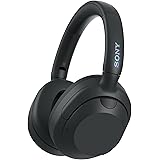
Sony ULT Wear WH-ULT900N Noise Cancellation Wireless Bluetooth Over Ear Headphones with Massive Bass, Up to 50Hrs Battery-Black
₹14,989.00 (as of September 19, 2026 15:31 GMT +05:30 - More infoProduct prices and availability are accurate as of the date/time indicated and are subject to change. Any price and availability information displayed on [relevant Amazon Site(s), as applicable] at the time of purchase will apply to the purchase of this product.)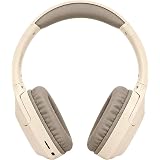
GameSir BeatXtra Lite Premium Wireless Bluetooth Headphones V5.3, Over Ear Stereo Headset with Built-in Microphone, 40mm Drivers, AUX Mode, Comfortable Cushions, Up to 250 Hours Standby (Beige)
₹799.00 (as of September 19, 2026 15:31 GMT +05:30 - More infoProduct prices and availability are accurate as of the date/time indicated and are subject to change. Any price and availability information displayed on [relevant Amazon Site(s), as applicable] at the time of purchase will apply to the purchase of this product.)
PunnkFunnk BeatXtra Lite Premium Wireless Bluetooth Headphones V5.3, Over Ear Stereo Headset with Built-in Microphone, 40mm Drivers, AUX Mode, Comfortable Cushions, Up to 250 Hours Standby (Beige)
₹799.00 (as of September 19, 2026 15:31 GMT +05:30 - More infoProduct prices and availability are accurate as of the date/time indicated and are subject to change. Any price and availability information displayed on [relevant Amazon Site(s), as applicable] at the time of purchase will apply to the purchase of this product.)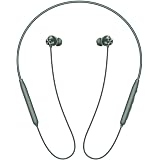
for OnePlus Z2 ANC Neckband Buds Bluetooth with Lightweight Comfortable Fit Long Battery Noise Isolation (Green) (AS-Z2)
Now retrieving the price.
(as of September 19, 2026 15:31 GMT +05:30 - More infoProduct prices and availability are accurate as of the date/time indicated and are subject to change. Any price and availability information displayed on [relevant Amazon Site(s), as applicable] at the time of purchase will apply to the purchase of this product.)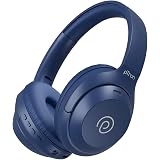
pTron Studio Classic with 75Hrs Playtime, Dual Device Pairing, Wireless Over Ear Headphones with HD Mic, Deep Bass, TruTalk AI-ENC Calls, Low-Latency Game & Music, BT5.4 & Type-C Charging (Navy)
₹899.00 (as of September 19, 2026 15:31 GMT +05:30 - More infoProduct prices and availability are accurate as of the date/time indicated and are subject to change. Any price and availability information displayed on [relevant Amazon Site(s), as applicable] at the time of purchase will apply to the purchase of this product.)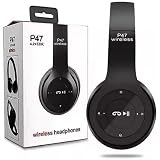
MOBIXONE Latest Wireless Bluetooth Over-Ear Headphones with Mic, SD Card Slot, Foldable Stereo Headset, FM Radio, AUX Input, Adjustable Headband, Compatible with All Smartphone, Laptop & Tablet
₹350.00 (as of September 19, 2026 15:31 GMT +05:30 - More infoProduct prices and availability are accurate as of the date/time indicated and are subject to change. Any price and availability information displayed on [relevant Amazon Site(s), as applicable] at the time of purchase will apply to the purchase of this product.)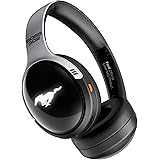
GOBOULT Mustang Thunder Bluetooth Headphones with Upto 70H Playtime, BoomX Technology, Brightness LEDs, 40mm Driver, Zen ENC Mic, BTv 5.4, Type-C Fast Charging, Over Ear Wireless Headphone with Mic
₹2,799.00 (as of September 19, 2026 15:31 GMT +05:30 - More infoProduct prices and availability are accurate as of the date/time indicated and are subject to change. Any price and availability information displayed on [relevant Amazon Site(s), as applicable] at the time of purchase will apply to the purchase of this product.)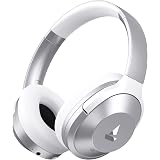
boAt Nirvana 751 ANC, 65Hrs Battery, Hybrid Active Noise Cancellation(~33dB), Fast Charge, Ambient Mode, Carry Pouch, Bluetooth Headphones, Wireless Headphone with Mic (Sterling Silver)
₹2,399.00 (as of September 19, 2026 15:31 GMT +05:30 - More infoProduct prices and availability are accurate as of the date/time indicated and are subject to change. Any price and availability information displayed on [relevant Amazon Site(s), as applicable] at the time of purchase will apply to the purchase of this product.)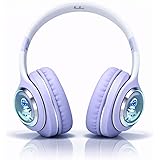
PunnkFunnk Astro Junior Wireless Bluetooth Headphones with BT 5.3, Noise Cancelling, Hi-Res Audio, 40mm Drivers, Deep Bass, Memory Foam Ear Cushions, Over-Ear Headset for Kids, Teens & Adults (Purple)
₹799.00 (as of September 19, 2026 15:31 GMT +05:30 - More infoProduct prices and availability are accurate as of the date/time indicated and are subject to change. Any price and availability information displayed on [relevant Amazon Site(s), as applicable] at the time of purchase will apply to the purchase of this product.)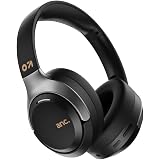
GOBOULT Q Over Ear Bluetooth Headphones with 70H Playtime, 40mm Bass Drivers, Zen™ ENC Mic, Type-C Fast Charging, 4 EQ Modes, Made in India, IPX5 Headphones Wireless with mic (Jet Black)
₹2,499.00 (as of September 19, 2026 15:31 GMT +05:30 - More infoProduct prices and availability are accurate as of the date/time indicated and are subject to change. Any price and availability information displayed on [relevant Amazon Site(s), as applicable] at the time of purchase will apply to the purchase of this product.)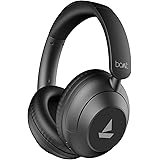
boAt Rockerz 650 Pro, Touch/Swipe Controls, Dolby Audio, 80Hrs Battery, 2Mics ENx, Fast Charge, App Support, Dual Pair, Bluetooth Over Ear Headphones with Mic (Iris Black)
₹3,099.00 (as of September 19, 2026 15:31 GMT +05:30 - More infoProduct prices and availability are accurate as of the date/time indicated and are subject to change. Any price and availability information displayed on [relevant Amazon Site(s), as applicable] at the time of purchase will apply to the purchase of this product.)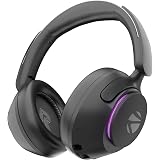
Zebronics Envy Pro ANC Wireless Headphones, BT v6.0 + Type-C Dongle, 40mm Drivers, Up to 40h Playback, App Support, Gaming Mode, ENC, 3 EQ Modes, RGB, Rapid Charging, Foldable Design (Black)
₹3,499.00 (as of September 19, 2026 15:31 GMT +05:30 - More infoProduct prices and availability are accurate as of the date/time indicated and are subject to change. Any price and availability information displayed on [relevant Amazon Site(s), as applicable] at the time of purchase will apply to the purchase of this product.)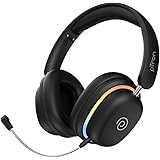
pTron Studio Xtreme, 70hrs Playtime, 40ms Low-Latency, Dual Device Pairing, Wireless Over Ear Headphones w/Detachable Mic & TruTalk ENC Calls, 40mm Drivers, RGB Lights, BT5.4 & Type-C Charging (Black)
Now retrieving the price.
(as of September 19, 2026 15:31 GMT +05:30 - More infoProduct prices and availability are accurate as of the date/time indicated and are subject to change. Any price and availability information displayed on [relevant Amazon Site(s), as applicable] at the time of purchase will apply to the purchase of this product.)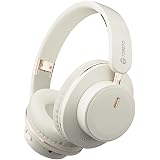
Toreto Aero Loom Wireless Over Ear Bluetooth Headphones, Foldable Design | Upto 40 Hrs Playtime, 40mm Magnetic Horn for Powerful Bass, Type-C Fast Charging, Comfort Fit Earcups, Built-In Mic
Now retrieving the price.
(as of September 19, 2026 15:31 GMT +05:30 - More infoProduct prices and availability are accurate as of the date/time indicated and are subject to change. Any price and availability information displayed on [relevant Amazon Site(s), as applicable] at the time of purchase will apply to the purchase of this product.)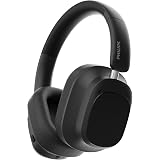
PHILIPS TAH6550 Bluetooth Wireless Over-Ear Headphones with 3 Mics, 60 Hours Battery Life, 40mm Drivers, Bluetooth 5.3, Dual Pairing, USB-C Charging, AUX Connectivity, Black
₹2,499.00 (as of September 19, 2026 15:31 GMT +05:30 - More infoProduct prices and availability are accurate as of the date/time indicated and are subject to change. Any price and availability information displayed on [relevant Amazon Site(s), as applicable] at the time of purchase will apply to the purchase of this product.)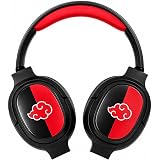
Boat Wireless Bluetooth Over-Ear Headphones with Deep Bass, Built-in Microphone, Comfortable Ear Cups, Adjustable Headband, Stylish Design, for Music, Calls, Gaming, Travel and Daily Use
₹780.00 (as of September 19, 2026 15:31 GMT +05:30 - More infoProduct prices and availability are accurate as of the date/time indicated and are subject to change. Any price and availability information displayed on [relevant Amazon Site(s), as applicable] at the time of purchase will apply to the purchase of this product.)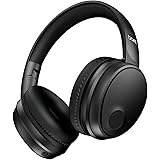
boAt Rockerz Trendz, 40mm Drivers, 50hrs Battery, 60ms Low Latency, ENx Tech, BT v5.4, Foldable Cups, Voice Assistant, Bluetooth Headphones, Wireless Headphone with Mic (Black Sabre)
₹999.00 (as of September 19, 2026 15:31 GMT +05:30 - More infoProduct prices and availability are accurate as of the date/time indicated and are subject to change. Any price and availability information displayed on [relevant Amazon Site(s), as applicable] at the time of purchase will apply to the purchase of this product.)