
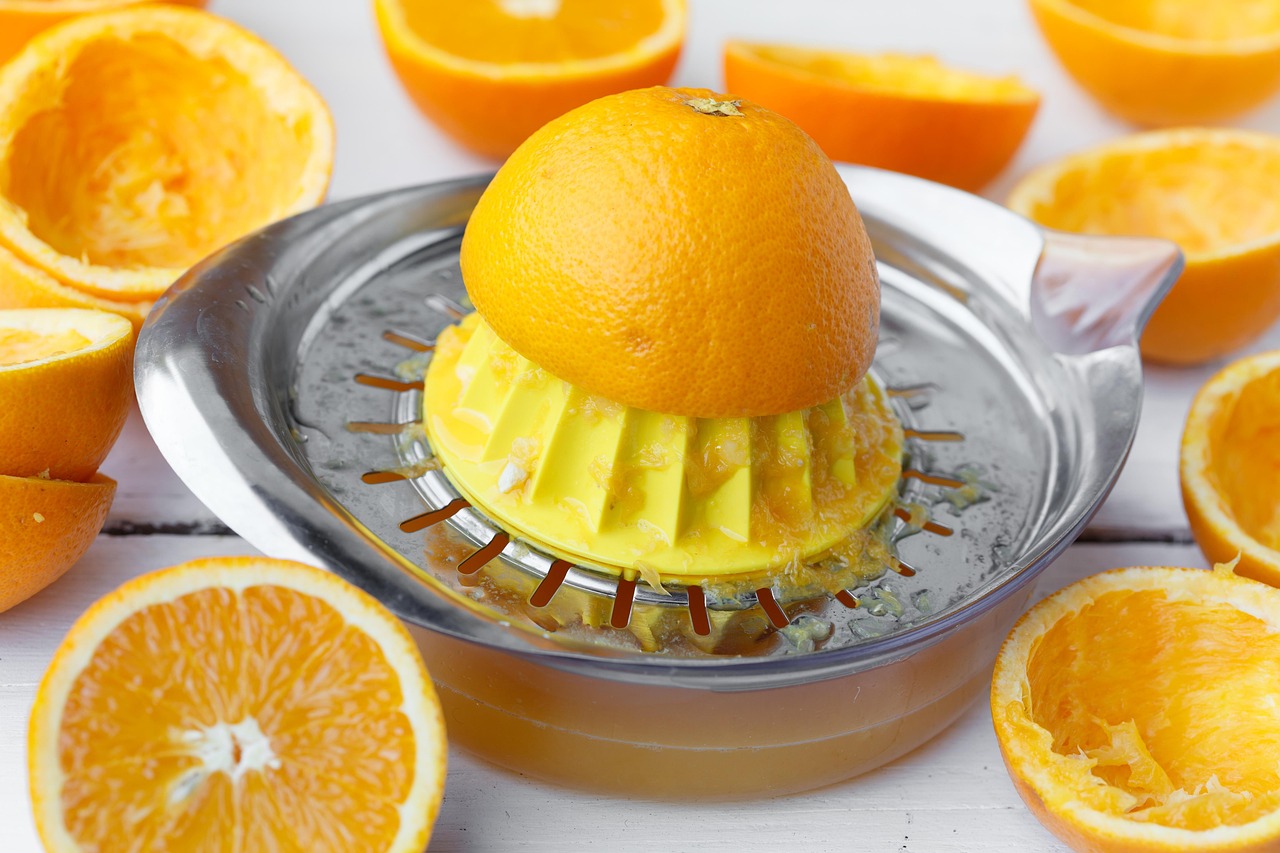
Juicing for Beginners: Your Ultimate Guide to Fresh Juices
Embarking on the juicing journey can feel overwhelming, a vibrant kaleidoscope of fruits and vegetables promising health and vitality. This comprehensive guide demystifies the process, equipping beginners with the knowledge and confidence to create delicious, nutrient-rich juices at home. From selecting the right equipment to mastering flavor combinations, we’ll navigate the world of fresh juices, unlocking their potent benefits one sip at a time.
The Power of Fresh Juice: Why Start Juicing?
Juicing extracts the liquid essence from produce, concentrating vitamins, minerals, enzymes, and antioxidants. This readily absorbable form allows your body to quickly assimilate these vital nutrients, offering a potent boost to your immune system, energy levels, and overall well-being. Regular juicing can aid in detoxification, improve digestion, promote healthy skin, and contribute to weight management. It’s a simple yet profound way to infuse your diet with a concentrated dose of nature’s goodness.
Choosing Your Juicing Companion: Understanding Juicer Types
The cornerstone of any juicing endeavor is the juicer. Two primary types dominate the market: centrifugal and masticating (or slow) juicers.
-
Centrifugal Juicers: These work by spinning a fast-moving blade against a mesh filter, forcing the juice through and expelling the pulp. They are generally more affordable, faster, and easier to clean. However, the high speed can generate heat, potentially degrading some nutrients, and they are less efficient with leafy greens. Ideal for beginners seeking a quick and easy entry into juicing, especially with harder fruits and vegetables.
-
Masticating Juicers: Also known as slow juicers, these use a single auger (screw) to crush and press produce, extracting juice with minimal heat. This method preserves more nutrients and enzymes. They are more efficient, particularly with leafy greens and fibrous vegetables, and produce drier pulp. While more expensive and slower, masticating juicers offer superior juice quality and are favored by those serious about maximizing nutritional intake.
For beginners, a good quality centrifugal juicer is an excellent starting point. As your juicing habit grows, you might consider upgrading to a masticating juicer.
Essential Juicing Equipment Beyond the Juicer:
- Sharp Knife and Cutting Board: For preparing your produce.
- Measuring Cups and Spoons: For precise recipe following.
- Airtight Containers: For storing your freshly pressed juice.
- Strainer (optional): For an extra-smooth juice if your juicer produces a lot of foam.
- Cleaning Brushes: Essential for keeping your juicer in pristine condition.
Navigating the Produce Aisle: What to Juice and What to Avoid
The beauty of juicing lies in its versatility. Almost any fruit or vegetable can be juiced, but some perform better than others.
Beginner-Friendly Produce:
- Fruits: Apples, pears, oranges, lemons, limes, grapes, berries (strawberries, blueberries, raspberries).
- Vegetables: Cucumbers, celery, carrots, beets, ginger, spinach, kale, romaine lettuce.
Produce to Approach with Caution (or Avoid for Beginners):
- High-Starch Vegetables: Potatoes, sweet potatoes (can be very fibrous and clog juicers).
- Very Fibrous Produce: Rhubarb (can be stringy and difficult to process).
- Avocado: Its creamy texture is better suited for smoothies.
- Bananas: Similar to avocado, they don’t juice well.
The Art of Preparation: Washing and Chopping
Thoroughly washing all produce is paramount to remove pesticides, dirt, and contaminants. For most fruits and vegetables, a good rinse under cold running water is sufficient. For root vegetables like carrots and beets, scrubbing with a vegetable brush is recommended.
- Apples and Pears: Remove the core and seeds. You can leave the skin on for added fiber and nutrients.
- Citrus Fruits: Peel them completely to avoid a bitter pith.
- Leafy Greens: Wash thoroughly, especially if they have sandy soil. You can tie them into a bundle for easier feeding into the juicer.
- Ginger and Turmeric: Scrub clean and peel if desired (though the skin is also nutritious).
- Carrots, Beets, Celery: Trim off any tough ends.
Juicing Fundamentals: Simple Recipes for Beginners
Starting with simple, classic combinations will help you acclimate to the flavors and your juicer.
-
The Classic Green:
- 2 cups spinach
- 1 cucumber
- 2 celery stalks
- 1 green apple
- Juice all ingredients. This offers a refreshing, hydrating, and nutrient-dense option.
-
Sunrise Citrus Burst:
- 2 oranges (peeled)
- 1 grapefruit (peeled)
- 1-inch piece of ginger
- Juice all ingredients. A zesty and vitamin C-rich blend to kickstart your day.
-
Carrot Cake Delight:
- 4 carrots
- 1 apple
- 1/2 inch ginger
- Pinch of cinnamon (optional, added after juicing)
- This naturally sweet and earthy juice is a crowd-pleaser.
Flavor Balancing: The Key to Delicious Juices
Juicing is an exploration of taste. Don’t be afraid to experiment, but keep these principles in mind for harmonious flavors:
- Sweetness: Apples, pears, carrots, grapes, and berries provide natural sweetness.
- Acidity/Tartness: Lemons, limes, and grapefruit add a zesty kick and balance sweetness.
- Earthy/Savory: Beets, celery, and leafy greens offer grounding flavors.
- Spice/Pungency: Ginger and turmeric add a warming, invigorating element.
Tips for Juicing Success:
- Start Small: Begin with one or two simple recipes before diving into complex blends.
- Taste and Adjust: Don’t hesitate to add a squeeze of lemon or a piece of ginger to fine-tune the flavor.
- Fresh is Best: Consume your juice immediately after juicing for maximum nutrient absorption.
- Listen to Your Body: Pay attention to how different juices make you feel.
- Don’t Discard the Pulp: Carrot, apple, and beet pulp can be used in baking, added to smoothies, or even fed to compost.
- Hydration is Key: While juice is nutritious, it’s not a complete replacement for water.
Cleaning Your Juicer: A Crucial Step
Prompt cleaning is vital to prevent pulp from drying and becoming difficult to remove, and to maintain the longevity of your juicer. Most juicers come with cleaning brushes. Disassemble the parts, rinse them thoroughly, and use the brushes to scrub away any residual pulp. Many juicer parts are also dishwasher safe.
Beyond the Basics: Advanced Juicing Tips
Once you’re comfortable, consider incorporating:
- Herbs: Parsley, mint, and cilantro add fresh, vibrant notes.
- Spices: A pinch of cayenne pepper can add a metabolism-boosting kick.
- Nut Milks: Some high-end masticating juicers can even process nuts for homemade milk.
Juicing is a rewarding journey into vibrant health. By understanding your equipment, selecting quality produce, and embracing simple flavor combinations, beginners can unlock the immense potential of fresh juices, transforming their well-being one delicious glass at a time.