
Is a Fast Charger Worth It? Unpacking the Benefits and Drawbacks
In an era where our smartphones are indispensable companions, battery life and charging speed have become paramount concerns. The advent of fast charging technology has promised to alleviate the perennial anxiety of a dwindling battery, but is it truly worth the investment? This in-depth exploration delves into the tangible benefits and potential drawbacks of fast chargers, empowering you to make an informed decision for your digital life.
The Allure of Speed: Unpacking the Benefits of Fast Charging
The primary and most compelling benefit of a fast charger is, unequivocally, speed. The ability to replenish a significant portion of your device’s battery in a fraction of the time offered by conventional chargers is a game-changer for many. Imagine this: you’re rushing out the door, your phone is at 10%, and you only have 15 minutes to spare. A fast charger can often deliver enough juice to get you through several hours of moderate use in that short window. This translates to less time tethered to an outlet and more freedom to move about your day without constant battery monitoring.
This rapid replenishment is particularly beneficial for power users and frequent travelers. Gamers, content creators, and individuals who rely heavily on their devices for work or communication often find their batteries depleted quickly. Fast charging offers a crucial lifeline, allowing them to quickly top up their devices during breaks or between appointments, ensuring uninterrupted productivity and entertainment. For travelers, navigating unfamiliar cities or dealing with tight schedules, a fast charger can be a lifesaver, minimizing the downtime associated with charging in hotel rooms or airports.
Beyond mere convenience, fast charging can also contribute to enhanced productivity. The reduced charging time means less interruption to your workflow. Instead of waiting an hour or more for your phone to reach a usable percentage, a quick 20-30 minute charge can be sufficient to complete essential tasks, answer urgent emails, or navigate to your destination. This efficiency can be particularly valuable in professional settings where every minute counts.
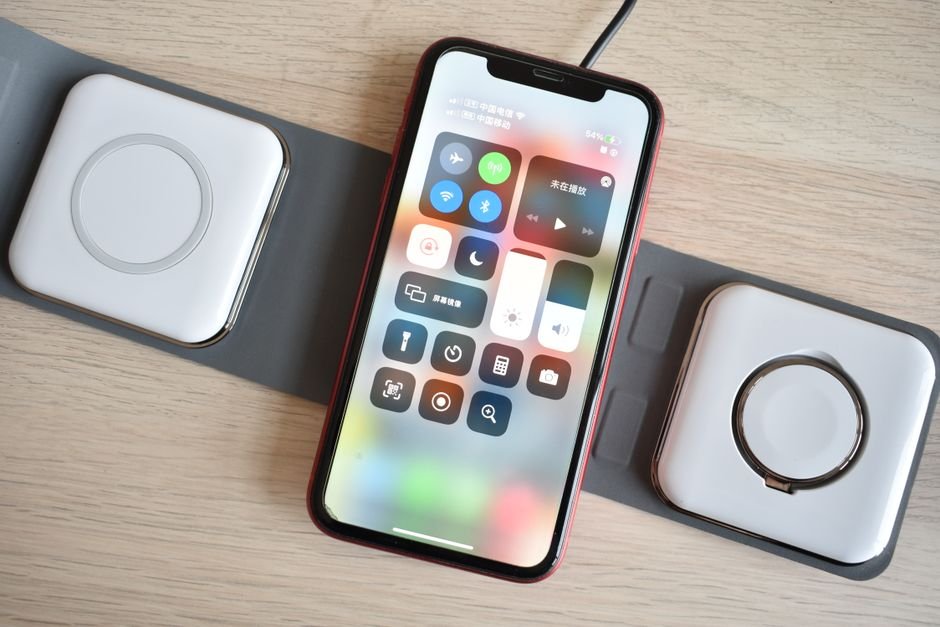
Furthermore, the increasing adoption of wireless fast charging adds another layer of convenience. Simply placing your Qi-compatible device on a fast wireless charging pad eliminates the need to fumble with cables, making it ideal for bedside tables, desks, or car mounts. While not as universally fast as their wired counterparts, modern wireless fast chargers offer a significant improvement over standard wireless charging speeds, blending seamless integration with rapid power delivery.
The technological advancements driving fast charging are also noteworthy. Technologies like Qualcomm’s Quick Charge, USB Power Delivery (USB PD), and proprietary standards from manufacturers like Samsung (Adaptive Fast Charging) and OnePlus (Warp Charge/VOOC) have continually pushed the boundaries of charging speeds. These advancements are often integrated into newer smartphones, meaning that purchasing a compatible fast charger ensures you’re harnessing the full charging potential of your device. Using a slower charger might mean your new, high-end phone isn’t charging as quickly as it’s capable of.
Finally, for those who own multiple devices that support fast charging, a single, high-wattage fast charger can simplify your charging setup. Instead of carrying multiple chargers, you can invest in a powerful USB PD charger that can efficiently charge your smartphone, tablet, and even some laptops, reducing clutter and travel weight.
The Flip Side of the Coin: Examining the Drawbacks of Fast Charging
While the benefits are compelling, it’s crucial to acknowledge the potential drawbacks associated with fast charging. The most frequently cited concern revolves around battery degradation. The accelerated charging process generates more heat, and excessive heat is a known enemy of lithium-ion batteries. Repeated exposure to high temperatures can, over time, lead to a reduction in the battery’s overall capacity and lifespan. This means that a battery that initially held a full charge for a day might, after years of consistent fast charging, struggle to last half that time.
This potential for reduced battery longevity is a significant consideration for users who intend to keep their devices for an extended period. While manufacturers are implementing sophisticated battery management systems to mitigate heat and optimize charging cycles, the fundamental physics of faster energy transfer and increased heat generation remain. Some users may choose to opt for slower charging methods, especially overnight, to preserve their battery’s health.
Another point of contention is cost. Fast chargers, particularly those from reputable brands or with advanced proprietary technologies, are often more expensive than standard chargers. While the upfront cost might be justifiable for the convenience, it adds an additional expense to the overall ownership of a device, especially if you need to purchase one separately.
Compatibility issues can also arise. While USB PD is becoming a more universal standard, some proprietary fast charging technologies are exclusive to specific manufacturers or device models. This means that a fast charger designed for one brand might not deliver its full speed, or even charge at all, with a device from another. This necessitates careful research to ensure your fast charger is compatible with your specific smartphone. Furthermore, the charging cable also plays a crucial role. To achieve maximum fast charging speeds, you often need a high-quality cable rated for the specific wattage and charging protocol.
The risk of overheating and potential damage is another concern, though less common with modern, certified chargers. Using a low-quality or counterfeit fast charger could lead to excessive heat generation, potentially damaging both the charger and the device’s battery or charging port. It’s essential to purchase chargers from trusted manufacturers with appropriate safety certifications.
Finally, while less of a technical drawback and more of a user behavior consideration, the temptation to constantly top up can be exacerbated by fast charging. The ease of quickly adding a few percentage points might encourage users to charge their phones more frequently, potentially leading to more overall charging cycles, which, in turn, can contribute to battery wear.
Making the Decision: Is a Fast Charger Worth It For You?
The question of whether a fast charger is “worth it” is ultimately subjective and depends on your individual needs, usage patterns, and priorities.
If convenience, time-saving, and uninterrupted productivity are paramount, and you are a heavy device user or frequent traveler, then a fast charger is likely a worthwhile investment. The ability to quickly power up your device can significantly improve your daily experience and reduce battery anxiety.
However, if your primary concern is maximizing battery longevity and you tend to keep your devices for several years, you might consider a more conservative approach. Utilizing slower charging methods, especially overnight, or using a fast charger only when absolutely necessary, could help preserve your battery’s health.
It’s also important to consider the cost-benefit analysis. If a fast charger is significantly more expensive than a standard one, weigh the added cost against the perceived value of the time saved. If your device already comes with a fast charger, the decision is already made for you.
Ultimately, understanding both the advantages and disadvantages of fast charging allows you to make an informed choice that aligns with your lifestyle and technological preferences. By considering your own usage habits and priorities, you can determine if the allure of speed truly translates into a worthwhile benefit for your digital life.