
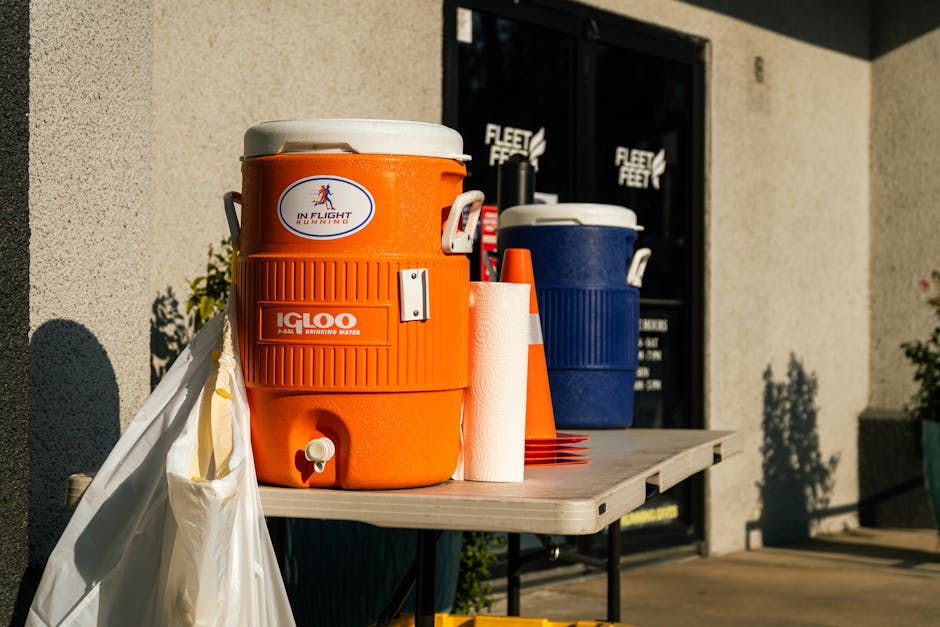
Beyond the Box: Innovative Cooler Designs Revolutionizing Thermal Management
The humble cooler, a staple for picnics, camping trips, and transporting perishables, is undergoing a quiet revolution. Gone are the days of bulky, inefficient ice chests. Today, cutting-edge materials, smart technology, and ingenious engineering are transforming coolers into sophisticated thermal management devices. Whether you’re a serious adventurer, a busy parent, or an eco-conscious consumer, these innovative cooler designs offer superior performance, enhanced convenience, and a glimpse into the future of keeping things cool.
The Rise of Advanced Insulation: Material Science Takes Center Stage
The core of any cooler’s effectiveness lies in its insulation. Traditional foam coolers, while functional, often struggle with heat transfer. The latest generation of coolers is pushing the boundaries with advanced insulation materials that offer significantly improved R-values (a measure of thermal resistance).
Vacuum Insulated Panels (VIPs): These are the superheroes of modern insulation. VIPs consist of a porous core material encased in a gas-impermeable barrier. A vacuum is then drawn within the panel, drastically reducing heat conduction and convection. Coolers incorporating VIPs, often strategically placed in the lid and walls, can maintain ice for days, even weeks, in extreme conditions. Brands like Yeti and Orca have embraced VIP technology in their high-performance lines, delivering unparalleled ice retention. The thin profile of VIPs also allows for more internal storage volume within a similar external footprint compared to traditional coolers.
Aerogel Insulation: While still emerging in consumer products due to cost, aerogel is an ultra-lightweight, porous solid with exceptional insulating properties. Its structure, composed of over 99% air, makes it an incredibly effective barrier against heat transfer. As manufacturing processes become more efficient, expect to see aerogel integrated into premium coolers for ultimate thermal performance, potentially allowing for even sleeker designs.
Phase Change Materials (PCMs): Beyond simple insulation, PCMs actively manage temperature. These materials absorb and release thermal energy as they change state (e.g., from solid to liquid). By incorporating PCMs that melt at specific temperatures, coolers can create a stable, colder environment. Imagine a cooler designed with a PCM that melts at 0°C, effectively creating a “cold sink” that keeps contents at or below freezing without the mess of melting ice. Companies are exploring PCMs for specialized applications, such as keeping medications or sensitive food items at precise temperatures.
Smart Coolers: The Integration of Technology
The “smart” revolution hasn’t bypassed the cooler. Connected devices are bringing unprecedented functionality and convenience to thermal storage.
Temperature Monitoring and Alerts: Many smart coolers feature integrated digital thermometers that display internal temperatures. More advanced models connect via Bluetooth or Wi-Fi to smartphone apps, providing real-time temperature readings and sending alerts if the temperature rises above a pre-set threshold. This is invaluable for preserving sensitive items like groceries, breast milk, or medical supplies during long journeys or power outages.
Active Cooling Systems: While not yet mainstream for portable coolers, active cooling systems are a significant innovation. These systems, akin to small refrigerators, use thermoelectric coolers (Peltier modules) or miniature compressors to actively reduce internal temperatures. Some advanced RV or marine coolers utilize these technologies, offering consistent cooling without relying on ice. The challenge for portable versions lies in power consumption and portability, but future battery advancements and more efficient cooling technologies could make these a reality for everyday use.
Integrated Power Banks and Charging Ports: Many smart coolers are now equipped with built-in rechargeable batteries that not only power the internal electronics but can also serve as power banks for charging phones, tablets, or other devices. This eliminates the need for separate power sources and enhances the utility of the cooler as a central hub for outdoor adventures.
Ergonomics and User-Centric Design: Convenience Redefined
Beyond insulation and technology, innovative cooler designs are focusing on user experience, making them easier to use, transport, and maintain.
Modular and Customizable Interiors: Gone are the days of a single, cavernous space. Many new coolers offer modular interiors with adjustable dividers, shelves, and specialized compartments. This allows users to organize contents efficiently, preventing items from shifting and ensuring optimal air circulation. Some even include dedicated sections for dry goods, separate from the main ice-filled compartment.
Wheeled and Wheelless Mobility Solutions: Large, heavy coolers are a burden. Innovative designs address this with robust, all-terrain wheels and telescoping handles that make transport significantly easier, even on uneven surfaces. For those who prefer a more compact solution, some manufacturers are developing lighter, more maneuverable wheeled coolers that can be carried like a duffel bag.
Integrated Cutting Boards and Cup Holders: Small but impactful features are enhancing the functionality of coolers. Many high-end coolers now come with integrated cutting boards, bottle openers, and even cup holders, transforming the cooler into a portable workstation and entertainment hub. This reduces the need to pack additional accessories, streamlining the outdoor experience.
Self-Draining Systems and Easy Cleaning: The dreaded task of emptying and cleaning a cooler is being addressed with improved drainage systems. Some coolers feature elevated drain plugs or even integrated pumps that make emptying water quick and effortless. Easy-to-clean interiors with smooth, non-porous surfaces are also becoming standard, simplifying maintenance and preventing odors.
Sustainable and Eco-Friendly Coolers: Cooling with a Conscience
Environmental consciousness is driving innovation in cooler design, with a focus on reducing waste and utilizing sustainable materials.
Recycled and Biodegradable Materials: Manufacturers are increasingly incorporating recycled plastics and, in some cases, exploring biodegradable materials for cooler construction. This reduces reliance on virgin plastics and minimizes the environmental footprint of these products.
Reduced Reliance on Single-Use Ice: The evolution of insulation and the introduction of PCMs are reducing the need for constant replenishment of melting ice, thereby minimizing water waste and the environmental impact of ice production.
Longer Lifespan and Repairability: By utilizing durable materials and robust construction, manufacturers are designing coolers with extended lifespans. Some brands are also offering repair services or replacement parts, further promoting sustainability by discouraging premature disposal.
Specialty Coolers: Tailored Solutions for Specific Needs
The innovation extends beyond general-purpose coolers, with specialized designs emerging for niche applications.
Rolling Coolers for Event Catering: Designed for mobility and large capacity, these coolers often feature heavy-duty wheels, reinforced handles, and multiple compartments for organizing different food and beverage types at events.
Soft-Sided and Collapsible Coolers for Portability: For those prioritizing lightweight and compact storage, soft-sided coolers made from durable, insulated fabrics offer excellent portability. Many are designed to collapse flat when not in use, making them ideal for car trunks or limited storage spaces.
Medical and Pharmaceutical Coolers: Precision temperature control is paramount for transporting vaccines, medications, and biological samples. These specialized coolers often feature advanced insulation, active cooling systems, and data logging capabilities to ensure strict temperature adherence.
The landscape of coolers is rapidly evolving, moving far beyond basic ice retention. These innovative designs, driven by advancements in material science, smart technology, user-centric engineering, and a growing commitment to sustainability, are redefining what a cooler can be. As these technologies mature and become more accessible, we can expect even more exciting developments in the quest for the perfect, efficient, and convenient way to keep our world cool.
