
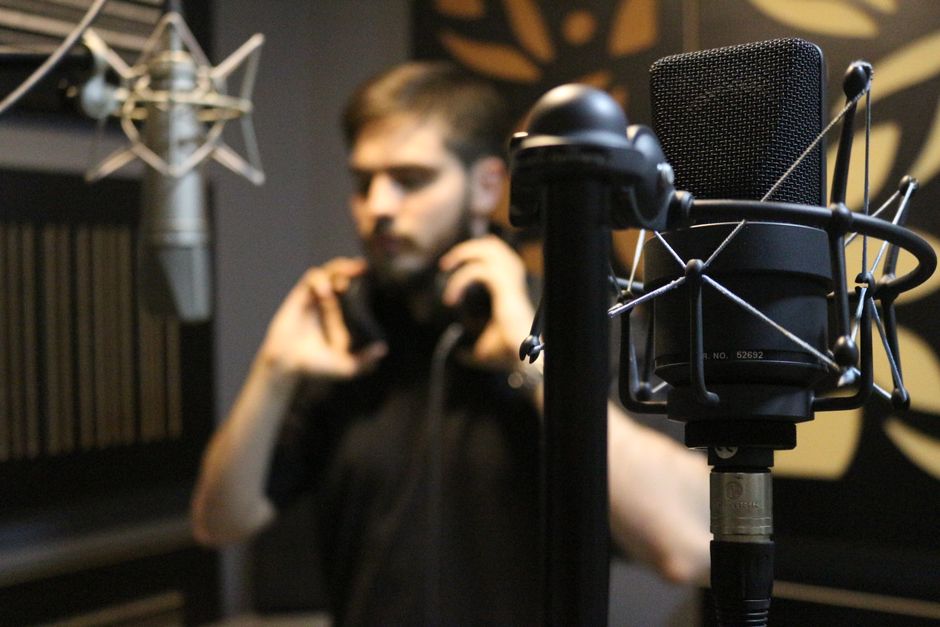
Elevating Your YouTube Vlogs: The Crucial Role of Condenser Microphones for High-Fidelity Audio
In the competitive landscape of YouTube, compelling visuals are only half the battle. For vloggers striving to capture audience attention and build a loyal following, crystal-clear, professional-sounding audio is paramount. Viewers are increasingly discerning, and poorly recorded dialogue can quickly lead to them clicking away. This is where the power of high-fidelity audio, specifically achieved through the use of condenser microphones, becomes indispensable for YouTube vloggers.
Condenser microphones, often referred to as capacitor microphones, are renowned for their sensitivity, accuracy, and ability to capture a wide frequency range. Unlike their dynamic counterparts, which are more robust and excel at handling high sound pressure levels, condensers utilize a diaphragm that vibrates within an electrostatic field. This intricate mechanism allows them to reproduce subtle nuances in vocal performance and ambient sound with remarkable fidelity, transforming a typical vlog into an immersive listening experience.
Why Condenser Microphones for Vlogging? The Fidelity Advantage
The core appeal of condenser microphones for vloggers lies in their inherent ability to deliver high-fidelity audio. This translates to:
- Exceptional Detail and Nuance: Condensers are incredibly sensitive, picking up the subtlest vocal inflections, breaths, and even the ambient sounds of your recording environment. This detail adds a layer of realism and intimacy to your vlogs, making viewers feel more connected to your narrative. Imagine the difference between hearing a muffled voice and clearly perceiving the texture and emotion in your delivery.
- Wide Frequency Response: High-fidelity audio demands a microphone that can accurately reproduce the full spectrum of human speech, from the deep resonance of a male voice to the crispness of a female soprano. Condenser microphones typically offer a flatter, broader frequency response compared to dynamic mics, ensuring that no part of your vocal range is lost or artificially boosted. This results in a more natural and balanced sound.
- Transients and Dynamics: The ability to capture transient sounds – those quick, sharp bursts of sound like plosives (“p” and “b” sounds) or the attack of a musical instrument – is crucial for dynamic audio. Condensers excel at this, preserving the impact and clarity of these short-lived sounds without distortion. For vloggers who might incorporate music or sound effects, this accuracy is invaluable.
- Lower Self-Noise: While not universally true for all models, many high-quality condenser microphones are designed with very low self-noise. This is the inherent noise the microphone produces even when no sound is present. A low self-noise microphone means you can record at lower gain levels, reducing the amplification of background noise and resulting in a cleaner, more professional track.
Types of Condenser Microphones for Your Vlog Setup
When considering condenser microphones for YouTube vlogging, two primary types stand out:
- Large-Diaphragm Condenser (LDC) Microphones: These are the workhorses for studio vocal recording and are increasingly popular for vlogging, especially for those recording in controlled environments or seeking a rich, warm vocal tone. Their larger diaphragms are more sensitive and tend to offer a smoother, more pleasing frequency response, often imparting a desirable “larger than life” quality to vocals. LDCs are excellent for capturing detailed dialogue and can add a professional polish to your spoken word. They are often mounted on boom stands or desk mounts to optimize their position relative to the speaker.
- Small-Diaphragm Condenser (SDC) Microphones: Also known as pencil microphones, SDCs are generally more compact and known for their accuracy and transient response. While often associated with instrument miking, certain SDCs can be excellent for vlogging, especially when capturing a more natural, less colored sound or when portability is a concern. Their narrower pickup patterns can also be beneficial in reducing room reflections.
Key Considerations for Choosing Your Vlog Condenser Microphone
Selecting the right condenser microphone involves understanding a few key specifications and features:
- Polar Patterns: This refers to the microphone’s directionality – where it picks up sound from. For vlogging, the most common and often most suitable polar pattern is cardioid. A cardioid microphone primarily picks up sound from the front, rejecting sound from the sides and rear. This is ideal for isolating your voice from ambient noise and unwanted room reflections. Other patterns like supercardioid and hypercardioid offer even tighter pickup from the front but can have small “null” spots at the sides, requiring more precise positioning. Omnidirectional microphones pick up sound equally from all directions, which can be useful for capturing room ambiance but is generally not recommended for solo vlogging where isolation is key.
- Phantom Power: Condenser microphones require power to operate. This is typically supplied via phantom power, a DC electrical signal sent through the microphone cable from the audio interface or mixer. Most professional condenser microphones require +48V phantom power. Ensure your recording device is capable of providing this.
- Connectivity: Condenser microphones typically use XLR connectors, a professional standard for balanced audio signals. This means you’ll need an audio interface or mixer with XLR inputs to connect your microphone to your computer. Some USB condenser microphones exist, offering a simpler plug-and-play solution for beginners, but they often compromise on the ultimate fidelity and flexibility of an XLR setup.
- Diaphragm Size: As mentioned, large-diaphragm condensers generally offer a warmer, richer sound, while small-diaphragm condensers are known for their accuracy and transient response. Your preference will depend on the desired vocal character and recording environment.
- Frequency Response Chart: This graph illustrates how the microphone responds to different frequencies. A flatter response indicates greater accuracy. For vlogging, you’ll want a microphone that captures the crucial mid-range frequencies where human speech resides with clarity.
- Sensitivity: Higher sensitivity means the microphone can pick up quieter sounds. While desirable for capturing detail, excessive sensitivity can also pick up more unwanted background noise.
Integrating Your Condenser Microphone into Your Vlog Workflow
Once you’ve selected your ideal condenser microphone, proper integration into your workflow is crucial for maximizing its potential:
- Acoustic Treatment: Even the best condenser microphone can struggle in a reverberant room. Simple acoustic treatments like blankets, foam panels, or even strategically placed furniture can significantly reduce echoes and improve the clarity of your recordings. Recording in a quieter space is always the first line of defense.
- Microphone Placement: Proper mic placement is critical for capturing the best sound. For a cardioid microphone, position it directly in front of your mouth, typically 6-12 inches away. Experiment with distance to find the sweet spot that balances vocal presence with minimizing plosives. Using a pop filter is highly recommended to mitigate harsh “p” and “b” sounds.
- Audio Interface/Mixer: A good audio interface or mixer is essential for converting the analog signal from your XLR microphone into a digital signal your computer can understand. Look for interfaces with clean preamps and phantom power capabilities.
- Recording Software (DAW): Digital Audio Workstation (DAW) software like Audacity (free), Adobe Audition, Logic Pro, or Ableton Live allows you to record, edit, and process your audio. Familiarize yourself with basic audio editing techniques, including noise reduction, EQ, and compression, to further refine your sound.
- Monitoring: Use good quality headphones to monitor your audio during recording and editing. This allows you to identify any issues like background noise, clipping, or uneven levels in real-time.
Popular Condenser Microphones for YouTube Vlogging (Examples)
While specific recommendations can vary based on budget and individual needs, several condenser microphones consistently receive high praise for their performance in vlogging contexts:
- Rode NT-USB+: A popular USB condenser microphone that offers excellent sound quality and ease of use for beginners.
- Blue Yeti: Another widely recognized USB condenser known for its versatility with multiple polar patterns.
- Audio-Technica AT2020: A budget-friendly large-diaphragm condenser that punches above its weight in terms of audio fidelity.
- Shure SM7B (though often considered a dynamic, it excels in vocal clarity and is frequently used in high-end vlogging): While technically a dynamic microphone, its exceptional vocal clarity and low self-noise make it a benchmark for professional vocal recording and a popular choice for vloggers seeking a broadcast-quality sound.
- Rode NT1-A: A benchmark large-diaphragm condenser known for its incredibly low self-noise and clear, detailed sound.
- Sennheiser MKH 416: A highly regarded shotgun microphone, often used in film and broadcast, its focused pickup pattern and excellent transient response can be advantageous for vloggers in less controlled environments.
The Investment in High-Fidelity Audio Pays Off
Investing in a quality condenser microphone is not just about acquiring a piece of equipment; it’s about investing in the overall quality and professionalism of your YouTube channel. Viewers are more likely to engage with content that is enjoyable to watch and listen to. By prioritizing high-fidelity audio with a well-chosen condenser microphone, vloggers can significantly enhance their storytelling, build trust with their audience, and ultimately achieve greater success on the platform. The subtle nuances and clarity that a condenser microphone brings to your voice can be the differentiating factor that elevates your vlogs from amateur to exceptional.