
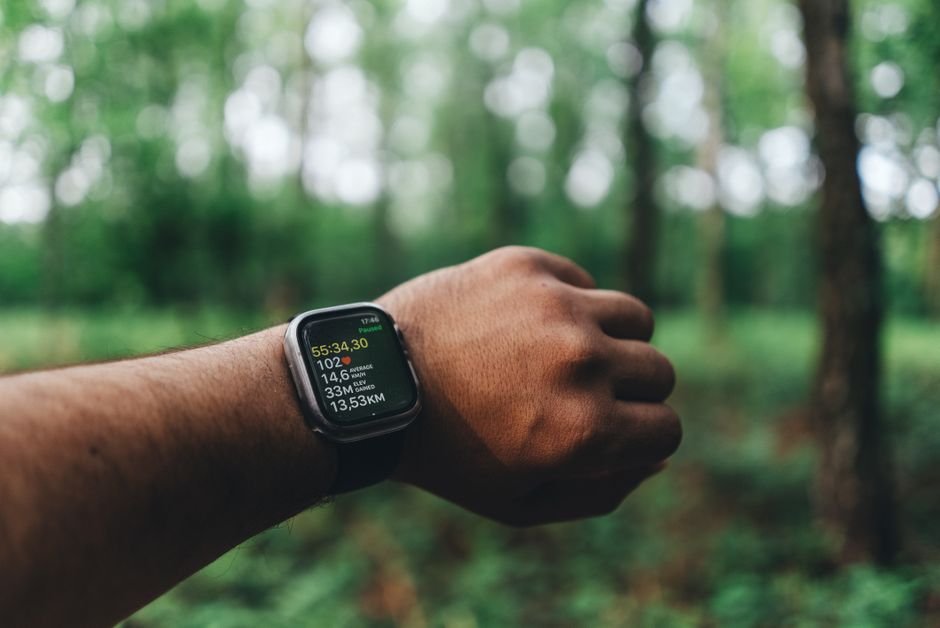
Heart Rate Smartwatch: Monitor Your Health on the Go
The modern smartwatch has transcended its origins as a mere timekeeping device, evolving into a sophisticated personal health companion. At its core, the heart rate monitor has become a cornerstone of this transformation, offering individuals unprecedented access to real-time physiological data, empowering them to proactively manage their well-being. This article delves into the intricacies of heart rate smartwatches, exploring their technology, benefits, applications, and the burgeoning landscape of wearable health monitoring.
The Science Behind the Beat: How Smartwatches Measure Heart Rate
The primary technology enabling heart rate monitoring in smartwatches is photoplethysmography (PPG). This non-invasive technique utilizes light-emitting diodes (LEDs) to shine green light onto the skin. As blood pulses through the capillaries beneath the skin’s surface, it absorbs and reflects this light. The smartwatch’s sensor then detects the variations in reflected light. When the heart beats, a surge of blood increases the volume in the capillaries, absorbing more light. Between beats, blood volume decreases, allowing more light to be reflected. By analyzing these fluctuations in reflected light over time, the smartwatch can accurately calculate the heart rate, typically expressed in beats per minute (BPM).
While PPG is the dominant technology, some advanced devices may incorporate electrocardiogram (ECG) capabilities. ECG sensors measure the electrical activity of the heart. This involves placing two electrodes on the watch’s casing, which, when touched by a finger, complete an electrical circuit. The ECG provides a more detailed picture of the heart’s electrical rhythm and can detect certain arrhythmias that PPG might miss. However, ECG readings are generally taken on demand, whereas PPG continuously monitors heart rate.
Unlocking the Benefits: Why Track Your Heart Rate?
The advantages of continuously monitoring heart rate with a smartwatch are multifaceted, impacting various aspects of health and fitness.
-
Fitness Optimization: For athletes and fitness enthusiasts, heart rate data is invaluable. During exercise, understanding heart rate zones allows for targeted training. Reaching specific BPM ranges during workouts can maximize calorie burn, improve cardiovascular endurance, and enhance athletic performance. Smartwatches can guide users through different intensity levels, ensuring they are training effectively and safely. Post-workout recovery can also be tracked, with resting heart rate offering insights into the body’s recuperation process.
-
Cardiovascular Health Awareness: Elevated or consistently low resting heart rates can be indicators of underlying cardiovascular issues. Smartwatches provide a convenient way to track these baseline metrics. Significant deviations from a personal norm can prompt users to consult a healthcare professional. Furthermore, some smartwatches offer irregular heart rhythm notifications, alerting users to potential atrial fibrillation (AFib), a common type of irregular heartbeat that can increase the risk of stroke.
-
Stress Management and Mindfulness: Heart rate variability (HRV), the fluctuation in time between heartbeats, is a key indicator of the body’s stress response. Higher HRV generally signifies a more resilient nervous system, capable of adapting to stress. Smartwatches can track HRV, providing insights into stress levels throughout the day. This data can empower users to identify stress triggers and implement mindfulness techniques, such as deep breathing exercises, which are often integrated into smartwatch features.
-
Sleep Quality Analysis: Heart rate naturally decreases during sleep. By monitoring heart rate patterns during slumber, smartwatches can contribute to a comprehensive sleep analysis. Coupled with other metrics like movement and breathing, this data can help users understand their sleep stages, identify potential sleep disturbances, and make informed adjustments to improve sleep hygiene.
-
General Well-being Monitoring: Beyond specific health conditions, continuous heart rate tracking offers a general sense of well-being. Noticing unusual spikes or dips in heart rate during daily activities can signal fatigue, dehydration, or even the onset of illness. This proactive awareness allows for timely intervention and promotes a more holistic approach to health management.
Beyond the Beat: Advanced Features and Applications
The capabilities of heart rate smartwatches extend far beyond simple BPM readings. Many devices now integrate a suite of advanced features that enhance their utility as health monitoring tools.
-
Blood Oxygen (SpO2) Monitoring: Measuring blood oxygen saturation provides an indication of how well oxygen is being delivered to the body’s extremities. Low SpO2 levels can be a symptom of various respiratory issues or altitude sickness. Some smartwatches offer on-demand SpO2 readings, while others track it during sleep.
-
Skin Temperature Sensing: While still an emerging feature, skin temperature sensors can detect subtle changes that might indicate illness or ovulation cycles. This adds another layer of physiological data for users to interpret.
-
Fall Detection: For older adults or individuals prone to falls, sophisticated accelerometers and gyroscopes, combined with heart rate data, can detect a hard fall. The smartwatch can then automatically initiate a call to emergency services or designated contacts, providing a crucial safety net.
-
Guided Breathing Exercises: Recognizing the link between heart rate, stress, and breathing, many smartwatches offer guided breathing sessions. These exercises, often visualized on the watch face, help users regulate their heart rate and promote relaxation.
-
Activity Tracking and Goal Setting: Heart rate data is intrinsically linked to physical activity. Smartwatches automatically track steps, distance, calories burned, and active minutes. Users can set personalized fitness goals, and the watch provides real-time feedback on their progress, motivating them to stay active.
-
Data Synchronization and Health Platforms: The true power of smartwatch data lies in its accessibility and analysis. Most smartwatches sync wirelessly with companion smartphone apps. These apps provide detailed historical data, trends, and insights, often presented in easy-to-understand graphs and charts. Many also integrate with larger health platforms like Apple Health, Google Fit, or third-party fitness apps, allowing for a consolidated view of one’s health data.
Choosing the Right Heart Rate Smartwatch
With a plethora of options available, selecting the ideal heart rate smartwatch requires careful consideration of individual needs and priorities.
-
Accuracy: While most modern smartwatches offer good accuracy for general monitoring, the precision can vary. For serious athletes or those with specific medical concerns, researching reviews that focus on heart rate accuracy during intense exercise or specific conditions is advisable.
-
Features: Determine which additional health metrics are important to you. Do you need SpO2 monitoring, advanced sleep tracking, or ECG capabilities? Prioritize devices that offer the features most relevant to your health goals.
-
Battery Life: Continuous heart rate monitoring and other features can impact battery life. Consider how often you are willing to charge your device. Some watches offer multi-day battery life, while others require daily charging.
-
Comfort and Design: A smartwatch is worn for extended periods, so comfort is paramount. Consider the strap material, weight, and overall design. The watch should also complement your personal style.
-
Ecosystem Integration: If you are already invested in a particular smartphone ecosystem (e.g., Apple or Android), choosing a smartwatch that seamlessly integrates with that ecosystem can enhance the user experience.
-
Price: Smartwatches range from budget-friendly options to premium devices with advanced features. Set a budget and explore models within that range.
The Future of Wearable Heart Health
The evolution of heart rate smartwatches is far from over. Ongoing research and technological advancements promise even more sophisticated capabilities. We can anticipate more accurate and comprehensive cardiovascular risk assessment, early detection of a wider range of conditions, and deeper integration with telehealth services. The smartwatch is poised to become an even more integral part of preventative healthcare, empowering individuals to take greater control of their heart health and overall well-being, one beat at a time.