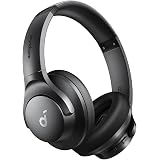
In the relentless hum of modern life, headphones have transcended mere accessories to become essential portals to sonic immersion. They are our personal concert halls, our private cinemas, our tranquil escapes. From the thumping bass of a workout anthem to the subtle nuances of a classical masterpiece, the right pair of headphones can transform an auditory experience from ordinary to extraordinary. Navigating the vast landscape of headphone technology can feel daunting, but understanding the key elements – driver types, impedance, sensitivity, and form factors – empowers you to find your perfect sonic sanctuary.
Drivers: The Heart of the Sound
At the core of every headphone lies its driver, the component responsible for converting electrical signals into sound waves. The size and type of driver significantly impact the headphone’s audio signature, affecting everything from bass response to treble clarity.
- Dynamic Drivers: The most common type, dynamic drivers utilize a voice coil attached to a diaphragm. When electricity flows through the coil, it creates a magnetic field that vibrates the diaphragm, producing sound. They are known for their robust bass output and ability to handle high volumes, making them a popular choice for everyday listening and genres with a strong low-end presence. However, they can sometimes struggle with reproducing very fine details or achieving the same level of spatial accuracy as other driver types.
- Balanced Armature (BA) Drivers: Smaller and more precise than dynamic drivers, BAs are commonly found in in-ear monitors (IEMs). They use a tiny armature suspended between magnets, which vibrates a balanced reed to move a diaphragm. BAs excel at delivering exceptional detail, clarity, and accuracy, particularly in the mid-range and treble frequencies. They are often used in multi-driver configurations, where different BAs are tuned to specific frequency ranges, allowing for a highly refined and balanced sound profile. However, they can sometimes lack the impactful bass of dynamic drivers and may require more power to reach optimal volume.
- Planar Magnetic Drivers: These drivers employ a thin, flat diaphragm with a conductive trace that vibrates within a magnetic field. Planar magnetic headphones are renowned for their speed, accuracy, and exceptional detail retrieval across the entire frequency spectrum. They offer a wide soundstage, excellent transient response, and a natural, uncolored sound. However, they are typically larger, heavier, and more expensive than dynamic driver headphones, and often require dedicated amplifiers due to their lower sensitivity and higher impedance.
- Electrostatic Drivers: Representing the pinnacle of headphone technology, electrostatic drivers utilize a thin, conductive diaphragm suspended between two charged plates. Applying an electrical charge causes the diaphragm to vibrate, generating sound. Electrostatic headphones are celebrated for their unparalleled detail, airiness, and transparency. They offer an incredibly fast response, a vast soundstage, and a level of realism that can be breathtaking. However, they are the most expensive and require specialized amplifiers to operate, making them a niche choice for audiophiles.
Impedance and Sensitivity: The Power Equation
Understanding impedance and sensitivity is crucial for matching headphones to your audio source.
- Impedance (Ohms): Impedance measures the resistance of the headphone’s electrical circuit to the flow of alternating current. Measured in Ohms (Ω), lower impedance headphones (typically below 50Ω) are easier to drive and can be powered directly by most smartphones and portable music players. Higher impedance headphones (above 100Ω, and often much higher for planar magnetic and electrostatic models) require more voltage and current to achieve optimal volume and performance. They often benefit from a dedicated headphone amplifier, which can provide the necessary power to unlock their full sonic potential.
- Sensitivity (dB/mW or dB/V): Sensitivity indicates how loud a headphone can get with a given amount of power. It’s usually expressed in decibels per milliwatt (dB/mW) or decibels per volt (dB/V). Higher sensitivity means the headphones will play louder with less power. Headphones with high sensitivity (e.g., 100dB/mW and above) are generally well-suited for portable devices, while those with lower sensitivity may require an amplifier to reach satisfactory listening levels.
Form Factors: Tailoring to Your Lifestyle
The physical design of headphones dictates their comfort, portability, and how they interact with your environment.
- Over-Ear Headphones: Enclosing the entire ear, over-ear headphones offer superior comfort and passive noise isolation. They are ideal for extended listening sessions and for creating an immersive soundstage.
- Open-Back: These headphones have perforated earcups, allowing air and sound to pass through. This design promotes a more natural and expansive soundstage, often described as “speaker-like.” However, they offer minimal noise isolation, leaking sound in and out, making them best suited for quiet environments.
- Closed-Back: Featuring solid earcups, closed-back headphones provide excellent passive noise isolation, blocking out external distractions and preventing sound leakage. This makes them ideal for noisy environments like public transport or offices. However, they can sometimes create a slightly more confined soundstage compared to open-back designs.
- On-Ear Headphones: Resting directly on the ear, on-ear headphones offer a compromise between portability and sound quality. They are generally more compact than over-ear models but provide less passive noise isolation. They can sometimes create pressure on the ears during long listening sessions.
- In-Ear Monitors (IEMs): These small, in-ear devices create a seal within the ear canal, offering excellent passive noise isolation and a highly personal listening experience. IEMs are incredibly portable and discreet, making them perfect for commuting, exercise, and travel. They often utilize balanced armature drivers for exceptional detail and clarity.
- True Wireless Earbuds: A subset of IEMs, true wireless earbuds offer ultimate freedom from wires. They consist of two separate earbuds that connect wirelessly to your device and to each other. While offering unparalleled convenience, battery life and sound quality can vary significantly between models.
Noise Cancellation: The Art of Silence
Active Noise Cancellation (ANC) technology uses microphones to detect ambient noise and then generates an opposing sound wave to cancel it out, creating a quieter listening environment. This is particularly beneficial for travelers and those in noisy workplaces. The effectiveness of ANC can vary, and some ANC implementations can subtly alter the sound signature.
The Quest for Sonic Purity
Choosing the right headphones is a personal journey, a delicate balance of technical specifications, comfort, and intended use. Whether you’re a seasoned audiophile seeking the utmost fidelity or a casual listener desiring an escape from the everyday, the world of headphones offers a sonic sanctuary waiting to be discovered. Explore, experiment, and let your ears guide you to the perfect soundtrack to your life.
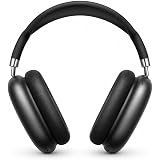
RISHU ACCESSORIES Wireless Bluetooth Over-Ear Headphones | Active Noise Cancellation (ANC), Hi-Fi Stereo, Built-in Microphone, Soft Memory Foam Ear Cushions
₹499.00 (as of October 10, 2026 21:21 GMT +05:30 - More infoProduct prices and availability are accurate as of the date/time indicated and are subject to change. Any price and availability information displayed on [relevant Amazon Site(s), as applicable] at the time of purchase will apply to the purchase of this product.)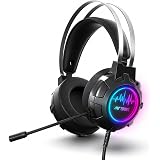
Ant Esports H950 Pro Wired Gaming Headset for PC, Xbox, PS4 & PS5, 7.1 USB Surround Sound Wired Headphones, 50mm Drivers, Mirror RGB LED, Omnidirectional Mic & Noise Isolating Ear Cups – Black
₹779.00 (as of October 10, 2026 21:21 GMT +05:30 - More infoProduct prices and availability are accurate as of the date/time indicated and are subject to change. Any price and availability information displayed on [relevant Amazon Site(s), as applicable] at the time of purchase will apply to the purchase of this product.)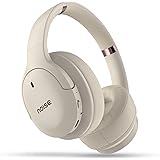
Noise Airwave Max 4 Wireless Over Ear Headphones with 70H Playtime, ENC, 40mm Driver, Low Latency(up to 40ms), Dual Pairing, BT v5.4 (Calm Beige) (AUD-HDPHN-4-BEIGE)
₹1,699.00 (as of October 10, 2026 21:21 GMT +05:30 - More infoProduct prices and availability are accurate as of the date/time indicated and are subject to change. Any price and availability information displayed on [relevant Amazon Site(s), as applicable] at the time of purchase will apply to the purchase of this product.)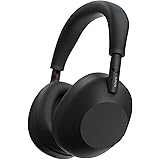
Sony WH-1000XM6 The Best Wireless Noise Canceling Headphones, HD NC Processor QN3, 12 Microphones, Adaptive NC Optimizer, Mastered by Engineers, Studio-Quality- Black, Over Ear
₹35,138.00 (as of October 10, 2026 21:21 GMT +05:30 - More infoProduct prices and availability are accurate as of the date/time indicated and are subject to change. Any price and availability information displayed on [relevant Amazon Site(s), as applicable] at the time of purchase will apply to the purchase of this product.)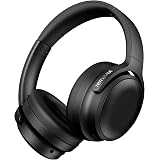
boAt 2026 Launch Nirvana Eutopia 2 ANC, (~45dB) Adaptive Hybrid ANC, 80H Battery, 3D Spatial Audio, Dual Drivers, Hi-Res Ldac, ASAP™ Charge, AI-ENx™ & Adaptive Fit Bluetooth Headphones (Cosmic Black)
₹4,999.00 (as of October 10, 2026 21:21 GMT +05:30 - More infoProduct prices and availability are accurate as of the date/time indicated and are subject to change. Any price and availability information displayed on [relevant Amazon Site(s), as applicable] at the time of purchase will apply to the purchase of this product.)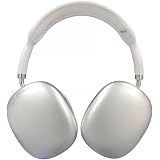
P9 Wireless Bluetooth Headphones | Over Ear Comfortable Ear Cushions | 30-Hr Battery Backup, 40mm Dynamic Drivers, Foldable Lightweight Design, Type-C Fast Charging, AUX & TF Card Support
₹499.00 (as of October 10, 2026 21:21 GMT +05:30 - More infoProduct prices and availability are accurate as of the date/time indicated and are subject to change. Any price and availability information displayed on [relevant Amazon Site(s), as applicable] at the time of purchase will apply to the purchase of this product.)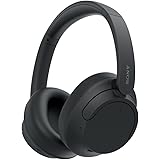
Sony WH-CH720N Active Noise Cancellation Wireless Bluetooth Over Ear Headphones with Mic, Adaptive Sound Control, Quick Charge, Up to 35Hrs Battery, Customized EQ- Black
₹6,989.00 (as of October 10, 2026 21:21 GMT +05:30 - More infoProduct prices and availability are accurate as of the date/time indicated and are subject to change. Any price and availability information displayed on [relevant Amazon Site(s), as applicable] at the time of purchase will apply to the purchase of this product.)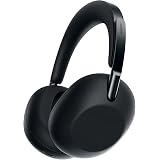
Sony 1000X THE COLLEXION Smartchoice Wireless Noise Cancelling Bluetooth Headphones, Luxury Comfort, 360 Upmix for Music, Cinema, Games, New Integrated Processor V3, AI Noise reduction for Calls-Black
₹54,989.00 (as of October 10, 2026 21:21 GMT +05:30 - More infoProduct prices and availability are accurate as of the date/time indicated and are subject to change. Any price and availability information displayed on [relevant Amazon Site(s), as applicable] at the time of purchase will apply to the purchase of this product.)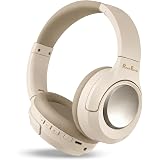
PunnkFunnk BeatXtra Pro Wireless Bluetooth Headphones V5.3, Over-Ear Stereo Headset with 40mm Drivers, Noise Cancelling, Soft Cushioned Ear Cups, 10m Wireless Range, Teen & Adults (Beige)
₹749.00 (as of October 10, 2026 21:21 GMT +05:30 - More infoProduct prices and availability are accurate as of the date/time indicated and are subject to change. Any price and availability information displayed on [relevant Amazon Site(s), as applicable] at the time of purchase will apply to the purchase of this product.)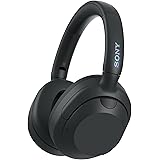
Sony ULT Wear WH-ULT900N Noise Cancellation Wireless Bluetooth Over Ear Headphones with Massive Bass, Up to 50Hrs Battery-Black
₹12,989.00 (as of October 10, 2026 21:21 GMT +05:30 - More infoProduct prices and availability are accurate as of the date/time indicated and are subject to change. Any price and availability information displayed on [relevant Amazon Site(s), as applicable] at the time of purchase will apply to the purchase of this product.)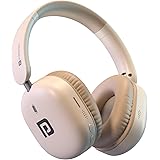
Portronics Muffs M6 Over Ear Wireless Bluetooth Headphone with Upto 40 Hours Playtime, Dual Pairing, 40mm Driver, HD Mic, Bluetooth 5.4V, Foldable Design, Type C Fast Charging (Biege)
₹999.00 (as of October 10, 2026 21:21 GMT +05:30 - More infoProduct prices and availability are accurate as of the date/time indicated and are subject to change. Any price and availability information displayed on [relevant Amazon Site(s), as applicable] at the time of purchase will apply to the purchase of this product.)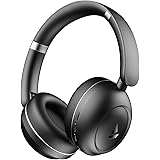
boAt Rockerz Prime 415, 360 Spatial Audio, 120H Battery, 40mm Drivers, AI-ENx Tech, Beast Mode, ASAP Charge & App Support, Bluetooth Headphones, Wireless Headphone with Mic (Black Sabre)
₹1,599.00 (as of October 10, 2026 21:21 GMT +05:30 - More infoProduct prices and availability are accurate as of the date/time indicated and are subject to change. Any price and availability information displayed on [relevant Amazon Site(s), as applicable] at the time of purchase will apply to the purchase of this product.)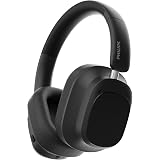
PHILIPS TAH6550 Wireless Bluetooth Over-Ear Headphones with 3 Mics, 60 Hours Battery Life, 40mm Drivers, Bluetooth 5.3, Dual Pairing, USB-C Charging, AUX Connectivity, Black.
₹2,349.00 (as of October 10, 2026 21:21 GMT +05:30 - More infoProduct prices and availability are accurate as of the date/time indicated and are subject to change. Any price and availability information displayed on [relevant Amazon Site(s), as applicable] at the time of purchase will apply to the purchase of this product.)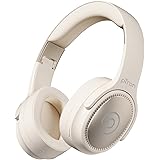
pTron Studio Pro w/ 65Hrs Playtime, Wireless Over Ear Headphones with HD Mic, Dual Device Pairing, TruTalk AI-ENC Calls, Low-Latency Game & Music, 40mm Drivers, BT5.4, Type-C Fast Charging (Cream)
₹749.00 (as of October 10, 2026 21:21 GMT +05:30 - More infoProduct prices and availability are accurate as of the date/time indicated and are subject to change. Any price and availability information displayed on [relevant Amazon Site(s), as applicable] at the time of purchase will apply to the purchase of this product.)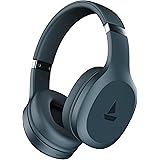
boAt Rockerz 412, 60H Battery, 40Mm Drivers, 40Ms Low Latency, ENx Tech, Stream Ad Free Music via App Support, Bluetooth Headphones, Wireless Over Ear Headphone with Mic (Bold Blue)
₹1,049.00 (as of October 10, 2026 21:21 GMT +05:30 - More infoProduct prices and availability are accurate as of the date/time indicated and are subject to change. Any price and availability information displayed on [relevant Amazon Site(s), as applicable] at the time of purchase will apply to the purchase of this product.)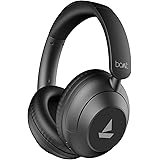
boAt Rockerz 650 Pro, Touch/Swipe Controls, Dolby Audio, 80Hrs Battery, 2Mics ENx, Fast Charge, App Support, Dual Pair, Bluetooth Over Ear Headphones with Mic (Iris Black)
₹2,298.00 (as of October 10, 2026 21:21 GMT +05:30 - More infoProduct prices and availability are accurate as of the date/time indicated and are subject to change. Any price and availability information displayed on [relevant Amazon Site(s), as applicable] at the time of purchase will apply to the purchase of this product.)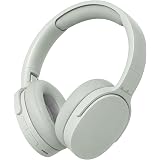
PunnkFunnk BeatXtra Wireless Stereo Bluetooth Headphones V5.3, Over Ear Foldable Headset with 40mm Drivers, Soft Cushioned Ear Pads, Built-in Mic, AUX Input, 10M Wireless Range, Teen & Adults (Green)
₹649.00 (as of October 10, 2026 21:21 GMT +05:30 - More infoProduct prices and availability are accurate as of the date/time indicated and are subject to change. Any price and availability information displayed on [relevant Amazon Site(s), as applicable] at the time of purchase will apply to the purchase of this product.)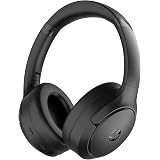
HP H400 Wireless Headset, Over Ear Headset, Built-in Noise-canceling mic, Calling and Playing time Upto 50 Hours, Bluetooth 6.0, Type-c Charging, 1 Year Warranty, Black, 210 Grams (D69Z3AA)
₹1,899.00 (as of October 10, 2026 21:21 GMT +05:30 - More infoProduct prices and availability are accurate as of the date/time indicated and are subject to change. Any price and availability information displayed on [relevant Amazon Site(s), as applicable] at the time of purchase will apply to the purchase of this product.)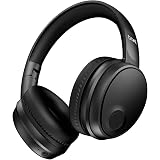
boAt Rockerz Vibe Wireless Headphones with 40mm Drivers, Up to 50 Hours Playback, Bluetooth 5.4, Beast Mode with 60ms Low Latency, ENx Technology – Active Black
₹999.00 (as of October 10, 2026 21:21 GMT +05:30 - More infoProduct prices and availability are accurate as of the date/time indicated and are subject to change. Any price and availability information displayed on [relevant Amazon Site(s), as applicable] at the time of purchase will apply to the purchase of this product.)