
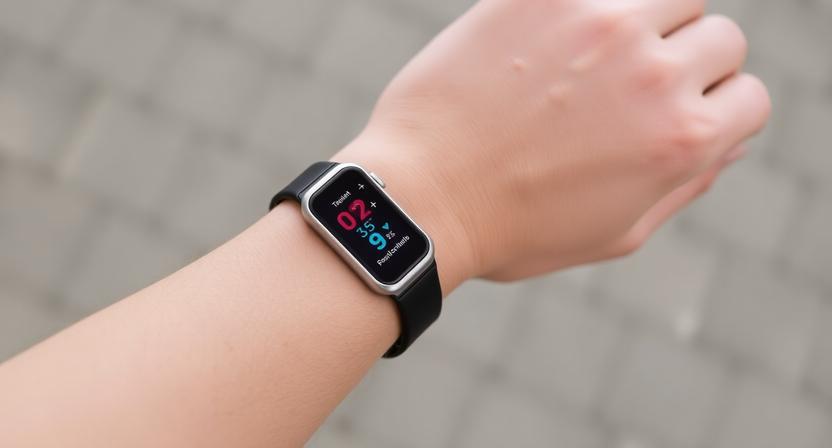
The modern fitness tracker has evolved far beyond simple step counting. Today, these wearable devices are sophisticated health monitoring tools, and one of the most significant advancements is the integration of SpO2, or blood oxygen saturation, tracking. This feature transforms your wrist-worn gadget into an essential health companion, offering deeper insights into your respiratory and cardiovascular well-being. Understanding what SpO2 is, how it’s measured, and the benefits it provides is crucial to leveraging this powerful technology for a healthier life.
Decoding SpO2: The Oxygen Connection
SpO2, standing for peripheral oxygen saturation, is a measurement of the percentage of hemoglobin in your blood that is carrying oxygen. Hemoglobin is the protein in red blood cells responsible for transporting oxygen from your lungs to the rest of your body. A healthy SpO2 level typically falls between 95% and 100%. Levels below 95% can indicate that your body isn’t receiving enough oxygen, a condition known as hypoxemia. This can stem from various underlying issues, ranging from respiratory illnesses to altitude sickness and even sleep apnea.
How Your Fitness Tracker Measures SpO2
Fitness trackers utilize a technology called photoplethysmography (PPG) to measure SpO2. This involves using light-emitting diodes (LEDs) on the underside of the tracker that shine specific wavelengths of light – typically red and infrared – through your skin and into your blood vessels. As blood circulates, it absorbs some of this light. Oxygenated hemoglobin absorbs infrared light differently than deoxygenated hemoglobin. The tracker’s sensors then measure the amount of light that is reflected back. By analyzing the ratio of absorbed red and infrared light, the device can calculate your blood oxygen saturation percentage. While this method is generally accurate for general wellness monitoring, it’s important to note that it’s not a medical-grade device and should not be used for diagnosing or treating medical conditions.
Beyond Steps: The Multifaceted Benefits of SpO2 Tracking
The inclusion of SpO2 monitoring on fitness trackers unlocks a wealth of health insights previously only accessible through clinical means. Here’s how it can become your essential health companion:
-
Respiratory Health Insights: For individuals with chronic respiratory conditions like asthma, COPD, or bronchitis, SpO2 tracking provides a valuable, non-invasive way to monitor their oxygen levels throughout the day and night. Significant drops in SpO2 could signal a worsening of their condition or the need for medication adjustment. Athletes, especially those training at high altitudes, can also benefit from understanding how their body adapts to lower oxygen environments.
-
Sleep Apnea Detection (Potential Indicator): Sleep apnea is a serious sleep disorder characterized by repeated pauses in breathing during sleep. These pauses lead to drops in blood oxygen levels. While a fitness tracker cannot definitively diagnose sleep apnea, significant and recurring dips in SpO2 during sleep, especially when accompanied by other symptoms like loud snoring or daytime fatigue, can be a strong indicator that warrants a conversation with a healthcare professional for further investigation.
-
Cardiovascular Fitness and Recovery: Your cardiovascular system plays a vital role in oxygen delivery. Monitoring SpO2 alongside heart rate can offer a more comprehensive picture of your body’s response to exercise. Consistently high SpO2 levels during exertion can indicate efficient oxygen utilization and good cardiovascular health. Furthermore, observing SpO2 recovery post-exercise can provide insights into your fitness level. A faster return to baseline SpO2 levels generally suggests better cardiovascular fitness.
-
Altitude Adaptation: If you live in or are traveling to higher altitudes, your body needs to adapt to lower oxygen levels. SpO2 tracking can help you understand how well your body is acclimatizing. A consistently lower SpO2 reading at altitude might indicate that you need to take it easy, stay hydrated, and allow your body more time to adjust.
-
General Wellness Monitoring: Even for healthy individuals, tracking SpO2 offers a valuable baseline. Understanding your normal oxygen saturation range allows you to identify deviations that might signal an underlying issue. This proactive approach to health can empower you to seek medical advice sooner rather than later.
-
Fitness Optimization: For athletes and fitness enthusiasts, SpO2 data can inform training strategies. Understanding how your body performs at different oxygen levels can help you tailor your workouts, especially for endurance training or high-intensity interval training (HIIT).
Choosing the Right Fitness Tracker with SpO2
When selecting a fitness tracker with SpO2 capabilities, consider these factors:
-
Accuracy and Reliability: While consumer-grade devices are not medical devices, look for trackers from reputable brands that have invested in sensor technology and have undergone testing to ensure reasonable accuracy for wellness monitoring. Read reviews and compare data if possible.
-
Battery Life: SpO2 tracking can consume more battery power. Ensure the device offers a battery life that suits your needs, especially if you plan to wear it 24/7.
-
Comfort and Design: You’ll be wearing this device constantly, so comfort is paramount. Choose a design and material that you find comfortable and aesthetically pleasing.
-
Companion App Features: The accompanying app is crucial for interpreting your SpO2 data. Look for apps that provide clear visualizations, historical trends, and insights into your readings. Some apps offer personalized recommendations based on your data.
-
Additional Health Metrics: While SpO2 is a key feature, consider other metrics the tracker offers, such as heart rate, sleep tracking, ECG (electrocardiogram), stress monitoring, and GPS. A comprehensive suite of features provides a holistic view of your health.
-
Water Resistance: If you plan to wear your tracker during swimming or other water activities, ensure it has adequate water resistance.
Maximizing Your SpO2 Data: Tips for Effective Use
To get the most out of your fitness tracker’s SpO2 feature, follow these tips:
-
Wear it Correctly: Ensure the tracker is snug but not too tight on your wrist. A loose fit can lead to inaccurate readings. Position it a finger’s width above your wrist bone for optimal sensor contact.
-
Minimize Movement: SpO2 readings are best taken when you are still. For the most accurate readings, especially during sleep, try to remain as motionless as possible.
-
Understand Your Baseline: Track your SpO2 over several days and nights to establish your personal baseline. This will help you identify significant deviations.
-
Context is Key: Always consider your SpO2 readings in conjunction with other data, such as your heart rate, activity levels, and how you feel. A slightly lower reading during strenuous exercise might be normal, but a sudden drop while resting could be a cause for concern.
-
Don’t Self-Diagnose: Remember that a fitness tracker is a wellness tool, not a medical device. If you have concerns about your SpO2 readings or experience symptoms, consult a healthcare professional. They can interpret your data in the context of your overall health and conduct necessary medical tests.
-
Regularly Sync Your Data: Ensure you regularly sync your tracker with its companion app to access historical data and identify trends.
-
Keep the Sensors Clean: Dust and debris on the sensors can affect accuracy. Clean them regularly with a soft, dry cloth.
The Future of Wearable Health Monitoring
The integration of SpO2 tracking is a significant step forward in making advanced health monitoring accessible to everyone. As technology continues to advance, we can expect even more sophisticated sensors and AI-driven insights from our wearable devices. Fitness trackers with SpO2 are no longer just for athletes; they are becoming indispensable tools for anyone looking to take a more proactive and informed approach to their health and well-being, offering a constant, personalized stream of data that empowers informed decisions about your body.
Drumstone Smart Fitness Band with OLED Display, Heart Rate & Sleep Tracking, Step & Calorie Counter, Bluetooth Activity Tracker, Call & Message Notifications, Water Resistant for Android & iOS
₹889.00 (as of October 12, 2026 10:10 GMT +05:30 - More infoProduct prices and availability are accurate as of the date/time indicated and are subject to change. Any price and availability information displayed on [relevant Amazon Site(s), as applicable] at the time of purchase will apply to the purchase of this product.)
Fitbit Inspire 3 Morning Glow/Black, 3-month Google Health Premium membership, small and large bands, Sleep Tracking
₹7,999.00 (as of October 12, 2026 10:10 GMT +05:30 - More infoProduct prices and availability are accurate as of the date/time indicated and are subject to change. Any price and availability information displayed on [relevant Amazon Site(s), as applicable] at the time of purchase will apply to the purchase of this product.)
UGMA Products Android Smart Watch, Black, 1.99-inch Touch Display | bluetooth
₹499.00 (as of October 12, 2026 10:10 GMT +05:30 - More infoProduct prices and availability are accurate as of the date/time indicated and are subject to change. Any price and availability information displayed on [relevant Amazon Site(s), as applicable] at the time of purchase will apply to the purchase of this product.)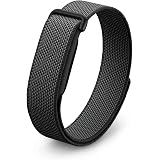
Google Fitbit Air - Screenless Fitness and Health Tracking - Works with Android and iOS - Obsidian
Now retrieving the price.
(as of October 12, 2026 10:10 GMT +05:30 - More infoProduct prices and availability are accurate as of the date/time indicated and are subject to change. Any price and availability information displayed on [relevant Amazon Site(s), as applicable] at the time of purchase will apply to the purchase of this product.)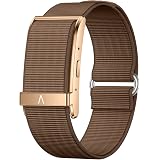
URBAN ARC Note – India's First AI Meeting Recorder Smart Fitness Band | Woven Nylon Band, Metal Buckle Clasp, Slim Form Factor, Unisex Design, Adjustable Fit
₹6,999.00 (as of October 12, 2026 10:10 GMT +05:30 - More infoProduct prices and availability are accurate as of the date/time indicated and are subject to change. Any price and availability information displayed on [relevant Amazon Site(s), as applicable] at the time of purchase will apply to the purchase of this product.)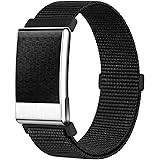
élixir Sense Health & Fitness Tracker | Advanced 24/7 HRV, ECG, SPO₂, BP & Skin Temp Monitoring | Sleep, Stress & Activity Tracking | Body Composition Analysis | Recovery & Wellness Guidance (Onyx)
₹5,899.00 (as of October 12, 2026 10:10 GMT +05:30 - More infoProduct prices and availability are accurate as of the date/time indicated and are subject to change. Any price and availability information displayed on [relevant Amazon Site(s), as applicable] at the time of purchase will apply to the purchase of this product.)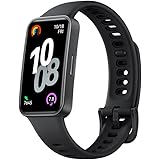
Huawei Band 10 Smartwatch with AI-Powered Fitness Monitoring, Pro-Level Sleep Analysis, Emotional Wellbeing Assistant,Streamlined Metallic Design,Fast Charging,iOS Android (Band 10, Strap Black)
₹3,299.00 (as of October 12, 2026 10:10 GMT +05:30 - More infoProduct prices and availability are accurate as of the date/time indicated and are subject to change. Any price and availability information displayed on [relevant Amazon Site(s), as applicable] at the time of purchase will apply to the purchase of this product.)
Fitbit Inspire 3 Midnight Zen/Black, 3-month Google Health Premium membership, small and large bands, Sleep Tracking
₹7,999.00 (as of October 12, 2026 10:10 GMT +05:30 - More infoProduct prices and availability are accurate as of the date/time indicated and are subject to change. Any price and availability information displayed on [relevant Amazon Site(s), as applicable] at the time of purchase will apply to the purchase of this product.)
Drumstone TopRated 𝟏𝟓𝐘𝐫 𝐖𝐚𝐫𝐫𝐚𝐧𝐭𝐲 Smart Fitness Watch and Activity Tracker for Men & Women, Health Band with Heart Rate Monitor and Daily Fitness Tracking Features, Smart Band Watch
₹999.00 (as of October 12, 2026 10:10 GMT +05:30 - More infoProduct prices and availability are accurate as of the date/time indicated and are subject to change. Any price and availability information displayed on [relevant Amazon Site(s), as applicable] at the time of purchase will apply to the purchase of this product.)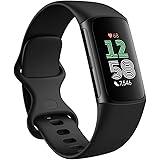
Fitbit Charge 6, Band Obsidian/Black 3-month Google Health Premium membership, small and large bands, Sleep Tracking
₹12,999.00 (as of October 12, 2026 10:10 GMT +05:30 - More infoProduct prices and availability are accurate as of the date/time indicated and are subject to change. Any price and availability information displayed on [relevant Amazon Site(s), as applicable] at the time of purchase will apply to the purchase of this product.)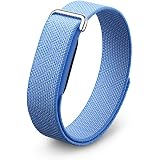
Google Fitbit Air - Screenless Activity Tracker with Fitness, Heart Rate, and Sleep Tracking - Personalized AI-Powered Coaching - Up to 7 Days’ Battery Life - Works with iOS and Android - Lavender
₹18,699.00 (as of October 12, 2026 10:10 GMT +05:30 - More infoProduct prices and availability are accurate as of the date/time indicated and are subject to change. Any price and availability information displayed on [relevant Amazon Site(s), as applicable] at the time of purchase will apply to the purchase of this product.)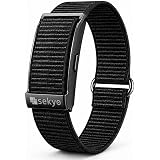
sekyo Flex Fitness Tracker | Advanced Health & Activity Tracking with AI Health Score | Heart Rate, SpO2, HRV, Sleep & Stress | 100+ Sports Modes | 30 Days Battery | IP68 Smart Band for Men & Women
₹2,699.00 (as of October 12, 2026 10:10 GMT +05:30 - More infoProduct prices and availability are accurate as of the date/time indicated and are subject to change. Any price and availability information displayed on [relevant Amazon Site(s), as applicable] at the time of purchase will apply to the purchase of this product.)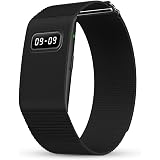
Pebble Qore View Fitness Band with 30 Days Battery Life | 100+ Sports Modes | Advanced Health Tracking | HR & SpO2| Stress | Sleep Monitoring (Deep Black)
₹3,999.00 (as of October 12, 2026 10:10 GMT +05:30 - More infoProduct prices and availability are accurate as of the date/time indicated and are subject to change. Any price and availability information displayed on [relevant Amazon Site(s), as applicable] at the time of purchase will apply to the purchase of this product.)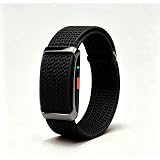
Printme Smart Fitness Tracker Band for Men & Women, Screenless Activity Tracker with Woven Magnetic Strap, Fitness Activity Monitoring Band, Comfortable Wearable for Daily Fitness
₹1,999.00 (as of October 12, 2026 10:10 GMT +05:30 - More infoProduct prices and availability are accurate as of the date/time indicated and are subject to change. Any price and availability information displayed on [relevant Amazon Site(s), as applicable] at the time of purchase will apply to the purchase of this product.)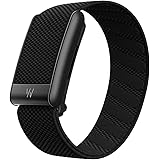
Whoop 5.0 Health and Fitness Wearable – 12 Month Membership Included | 24/7 Activity and Sleep Tracker, AI Coaching, Sleep, Strain, Recovery & Menstrual Cycle Insights – 14+ Days Battery Life
₹23,990.00 (as of October 12, 2026 10:10 GMT +05:30 - More infoProduct prices and availability are accurate as of the date/time indicated and are subject to change. Any price and availability information displayed on [relevant Amazon Site(s), as applicable] at the time of purchase will apply to the purchase of this product.)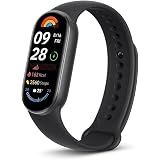
Drumstone (10 Year Warranty Smart Band 9 Global Version, 1.62" AMOLED Display with 1200-Nit Brightness, Up to 21-Day Battery Life, 150+, Bluetooth 5.4 & 50M Water-Resistant Fitness Tracker, Black
₹769.00 (as of October 12, 2026 10:10 GMT +05:30 - More infoProduct prices and availability are accurate as of the date/time indicated and are subject to change. Any price and availability information displayed on [relevant Amazon Site(s), as applicable] at the time of purchase will apply to the purchase of this product.)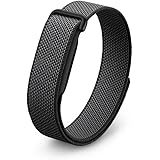
Google Fitbit Air - Screenless Activity Tracker with Fitness, Heart Rate, and Sleep Tracking - Personalized AI-Powered Coaching - Up to 7 Days’ Battery Life - Works with iOS and Android - Obsidian
₹14,485.00 (as of October 12, 2026 10:10 GMT +05:30 - More infoProduct prices and availability are accurate as of the date/time indicated and are subject to change. Any price and availability information displayed on [relevant Amazon Site(s), as applicable] at the time of purchase will apply to the purchase of this product.)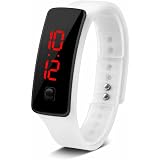
Lambent 𝟏𝟓 𝐘𝐞𝐚𝐫 𝐋𝐨𝐧𝐠 𝐋𝐢𝐟𝐞 𝐖𝐚𝐫𝐫𝐚𝐧𝐭𝐲 LED Digital Fitness Watch, Touch Screen Electronic Watch, Soft Silicone Strap, Waterproof Sports Watch for Men, Women, Kids.
₹499.00 (as of October 12, 2026 10:10 GMT +05:30 - More infoProduct prices and availability are accurate as of the date/time indicated and are subject to change. Any price and availability information displayed on [relevant Amazon Site(s), as applicable] at the time of purchase will apply to the purchase of this product.)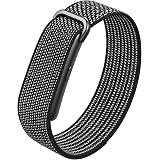
sekyo Flex Air Fitness Tracker with AI Health Report | Heart Rate, SpO2, HRV, Sleep, Stress & Period Tracking | 100+ Sports Modes | Up to 30 Days Battery | Lightweight Smart Band for Men & Women
₹3,490.00 (as of October 12, 2026 10:10 GMT +05:30 - More infoProduct prices and availability are accurate as of the date/time indicated and are subject to change. Any price and availability information displayed on [relevant Amazon Site(s), as applicable] at the time of purchase will apply to the purchase of this product.)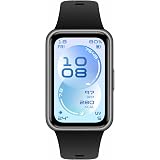
Huawei Band 11 Health & Fitness Tracker, Enhanced Sleep Tracking, All-Day Health Monitoring, Ultra-Slim & Comfort Wear, Compatible with iOS & Android, Smart Watch, Metal (Black)
Now retrieving the price.
(as of October 12, 2026 10:10 GMT +05:30 - More infoProduct prices and availability are accurate as of the date/time indicated and are subject to change. Any price and availability information displayed on [relevant Amazon Site(s), as applicable] at the time of purchase will apply to the purchase of this product.)