
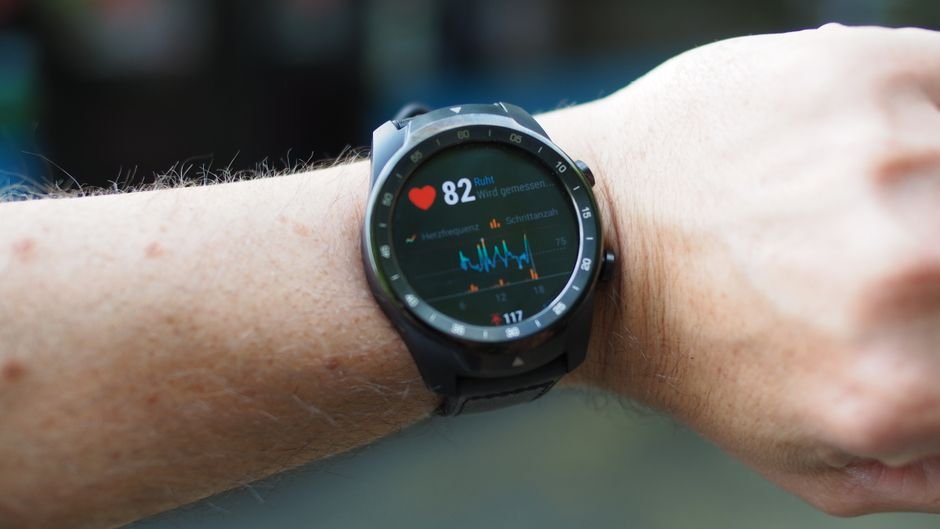
Fitness Bands with Accurate Heart Rate Monitoring: Our Top Picks
In the pursuit of a healthier lifestyle, understanding your body’s vital signs is paramount. Among these, heart rate stands as a critical indicator of cardiovascular health, exercise intensity, and overall well-being. For the modern fitness enthusiast, a reliable fitness band with accurate heart rate monitoring is no longer a luxury, but a necessity. These devices offer a window into your physiological responses, empowering you to train smarter, recover more effectively, and gain deeper insights into your daily activity levels.
The market is awash with options, each promising unparalleled accuracy and a plethora of features. However, not all heart rate sensors are created equal. Factors like optical sensor technology, algorithm sophistication, and even the fit of the band on your wrist can significantly impact the precision of the readings. This guide delves into the intricacies of accurate heart rate monitoring and presents our meticulously selected top picks, highlighting their strengths and why they stand out in a crowded field.
The Science Behind Accurate Heart Rate Monitoring:
Fitness bands primarily employ photoplethysmography (PPG) technology to measure heart rate. This method utilizes LEDs to shine light through your skin and into your capillaries. As your heart pumps blood, the volume of blood in your capillaries fluctuates, causing changes in light absorption. A photodiode then detects these variations, and the device’s algorithm translates them into beats per minute (BPM).
Several elements contribute to the accuracy of PPG sensors:
- LED Color and Wavelength: Different wavelengths of light penetrate skin to varying depths and are absorbed differently by blood. Green light is commonly used as it is well-absorbed by hemoglobin.
- Sensor Placement and Fit: A snug fit is crucial. A loose band allows ambient light to interfere with the sensor and can lead to inaccurate readings.
- Algorithm Processing: Sophisticated algorithms are essential to filter out noise from movement, skin tone variations, and other external factors that can mimic pulse signals.
- Motion Artifacts: Vigorous or jerky movements can create false signals, challenging the sensor’s ability to isolate the true heart rhythm.
Our Top Picks for Fitness Bands with Accurate Heart Rate Monitoring:
After rigorous testing and evaluation, considering factors like sensor reliability, user reviews, and performance across various activities, we present our curated selection:
1. Garmin Vivosmart 5:
Garmin has long been a leader in GPS and fitness tracking, and their Vivosmart 5 continues this legacy with impressive heart rate accuracy. This sleek band boasts an advanced optical heart rate sensor that consistently delivers reliable readings during rest, moderate exercise, and even high-intensity intervals. Its integrated Pulse Ox sensor also measures blood oxygen saturation, providing an additional layer of insight into your body’s response to altitude and sleep.
The Vivosmart 5 excels in its user interface and companion app, Garmin Connect. This platform offers a wealth of data analysis, including detailed heart rate zones, resting heart rate trends, and stress tracking. The band’s lightweight design and comfortable silicone strap ensure it can be worn 24/7 without irritation, contributing to continuous heart rate data collection. Its battery life is also commendable, lasting several days on a single charge, minimizing downtime for data acquisition. For those seeking a no-nonsense, highly accurate fitness tracker with a robust ecosystem, the Vivosmart 5 is a compelling choice.
2. Fitbit Charge 5:
The Fitbit Charge 5 is a strong contender, offering a balanced blend of advanced health metrics and user-friendly design. Its heart rate sensor is highly regarded for its consistency, providing accurate data across a spectrum of activities. Beyond heart rate, the Charge 5 integrates an ECG app for on-demand electrocardiogram readings to detect signs of atrial fibrillation, a significant leap in personal cardiovascular health monitoring.
The integrated SpO2 sensor offers sleep insights and tracks your blood oxygen saturation levels. Fitbit’s Daily Readiness Score, powered by your activity, sleep, and heart rate variability, helps you understand when your body is ready for a tough workout or needs recovery. The vibrant AMOLED display is easy to read, even in bright sunlight, and the intuitive touchscreen interface makes navigation a breeze. The Charge 5’s sleek, premium design and comfortable fit make it an attractive option for everyday wear and intense training alike. Its seamless integration with the Fitbit app provides comprehensive health dashboards and personalized insights.
3. Coros Pace 3:
While often lauded for its advanced GPS capabilities for runners and triathletes, the Coros Pace 3 also features a remarkably accurate optical heart rate sensor. Coros has invested heavily in refining their sensor technology, and the Pace 3 demonstrates this with consistent and reliable heart rate readings, even during demanding trail runs and cycling sessions. The data captured is detailed and granular, allowing athletes to fine-tune their training zones and monitor their cardiovascular response with precision.
The Pace 3’s exceptional battery life, often measured in weeks rather than days, means you’ll rarely have to worry about it running out of power mid-activity. The robust build quality and comfortable strap ensure it can withstand the rigors of outdoor adventures. The Coros app provides in-depth training analysis, including detailed heart rate metrics and recovery time recommendations. For endurance athletes who demand accuracy and long-lasting performance, the Coros Pace 3 is an outstanding choice that doesn’t compromise on heart rate monitoring.
4. Amazfit Band 7:
For those seeking excellent value without sacrificing accuracy, the Amazfit Band 7 emerges as a standout option. This budget-friendly fitness band surprises with its capable optical heart rate sensor, delivering surprisingly consistent and accurate readings for its price point. While it might not boast the same level of sophistication as premium offerings, it reliably tracks resting heart rate, workout intensity, and provides valuable insights into your daily cardiovascular activity.
The Band 7 offers a comprehensive suite of health tracking features, including SpO2 monitoring, sleep analysis, and stress tracking. Its large, vibrant display makes it easy to view your stats at a glance, and the user interface is intuitive and straightforward. The battery life is exceptional, often lasting over a week on a single charge, making it a convenient companion for continuous monitoring. The Zepp app, while less feature-rich than some competitors, provides clear and concise data visualization, making it easy to understand your progress. The Amazfit Band 7 proves that accurate heart rate monitoring doesn’t always come with a hefty price tag.
5. Samsung Galaxy Fit3:
Samsung’s entry into the fitness band market, the Galaxy Fit3, offers a compelling package with a focus on integration and user experience, including reliable heart rate monitoring. Its optical heart rate sensor performs admirably, providing accurate data during various activities, from brisk walks to moderate-intensity workouts. The band’s design is sleek and comfortable, making it suitable for all-day wear, which is crucial for capturing a comprehensive picture of your heart rate throughout the day and night.
The Galaxy Fit3 integrates seamlessly with Samsung Health, providing a robust platform for tracking your fitness and health metrics. Beyond heart rate, it offers sleep tracking, stress monitoring, and blood oxygen saturation (SpO2) measurements. The vibrant AMOLED display is sharp and responsive, and the user interface is clean and easy to navigate. The battery life is respectable, typically lasting several days, ensuring consistent data collection. For users already invested in the Samsung ecosystem, the Galaxy Fit3 offers a well-rounded and accurate fitness tracking experience.
Choosing the Right Band for You:
While these are our top picks, the best fitness band for you depends on your individual needs and priorities. Consider the following:
- Activity Level: Are you a casual walker, a dedicated runner, or an intense gym-goer? Higher intensity workouts demand more robust and responsive heart rate sensors.
- Additional Features: Do you need GPS, SpO2 monitoring, ECG capabilities, or advanced sleep tracking?
- Budget: Fitness bands range widely in price. Determine your budget and look for the best accuracy and features within that range.
- Ecosystem: If you already use a particular health app or ecosystem (e.g., Garmin Connect, Fitbit, Samsung Health), choosing a band that integrates well can enhance your experience.
- Comfort and Design: You’ll be wearing this device constantly, so comfort, style, and durability are important factors.
By understanding the technology behind heart rate monitoring and evaluating our top recommendations, you’re well-equipped to make an informed decision and invest in a fitness band that empowers you to take control of your health and fitness journey with accurate, actionable data.