
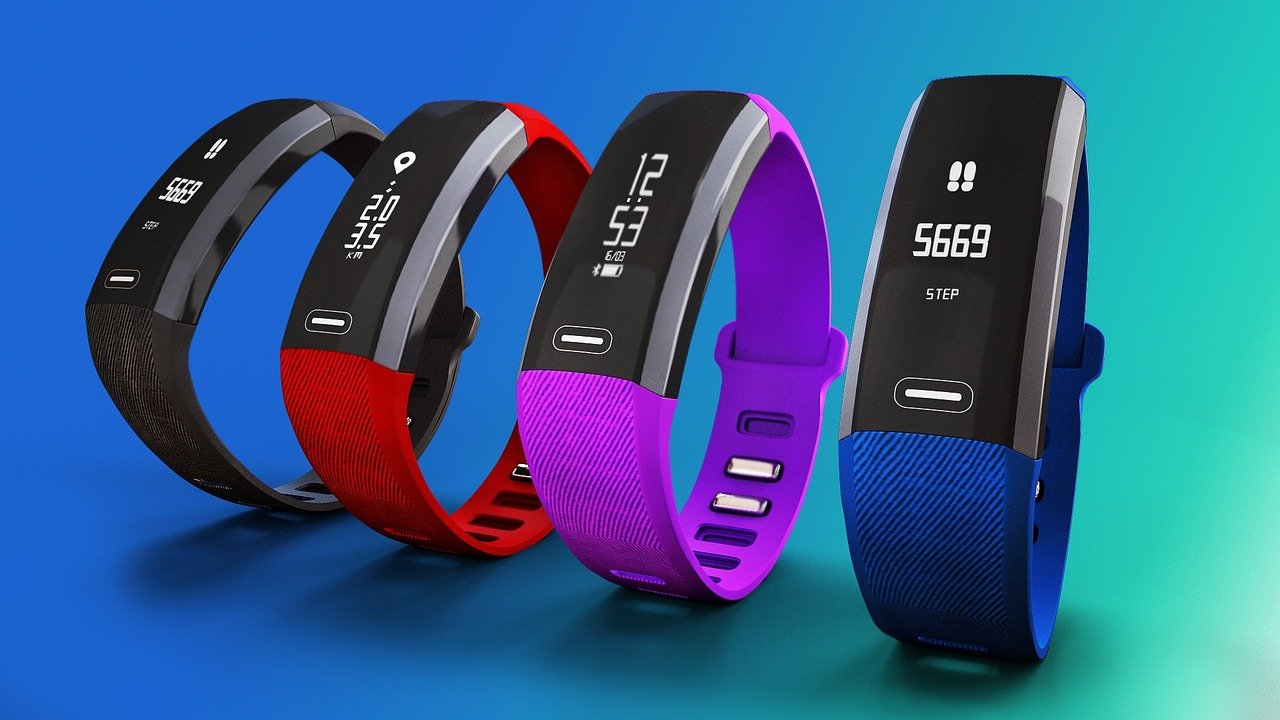
Fitness Band Workout Tracking: Maximize Your Exercise
Fitness bands, once rudimentary step counters, have evolved into sophisticated personal trainers strapped to your wrist. Their ability to meticulously track a vast array of workout metrics offers an unprecedented opportunity to understand, optimize, and ultimately maximize your exercise regimen. Moving beyond passive data collection, these devices empower users with actionable insights, transforming how we approach fitness.
The core of a fitness band’s workout tracking prowess lies in its array of sensors. Accelerometers and gyroscopes are fundamental, diligently logging movement patterns to estimate steps, distance, and activity intensity. However, modern bands integrate advanced technologies like optical heart rate monitors, GPS, barometric altimeters, and even SpO2 sensors. This multi-sensor approach allows for a granular breakdown of your physical exertion, providing data far more comprehensive than a simple stopwatch.
Understanding Key Workout Metrics and Their Significance:
-
Heart Rate: Arguably the most critical metric, heart rate directly reflects your cardiovascular effort. Fitness bands typically display your current heart rate, resting heart rate, and maximum heart rate achieved during a workout. Understanding your heart rate zones is paramount for targeted training.
- Zone 1 (Very Light): 50-60% of max heart rate. Aids in recovery and warm-ups.
- Zone 2 (Light): 60-70% of max heart rate. Builds aerobic base, improves endurance.
- Zone 3 (Moderate): 70-80% of max heart rate. Improves cardiovascular fitness and endurance.
- Zone 4 (Hard): 80-90% of max heart rate. Boosts anaerobic threshold and speed.
- Zone 5 (Maximum): 90-100% of max heart rate. Improves peak performance and power (use with caution).
By monitoring your heart rate, you can ensure you’re training within the appropriate zone for your fitness goals, whether it’s fat burning, endurance building, or high-intensity interval training (HIIT).
-
Calories Burned: While an estimate, calorie expenditure data, often calculated by combining heart rate, activity duration, and personal biometrics (age, weight, gender), provides a tangible measure of energy expenditure. This is invaluable for weight management, allowing you to balance caloric intake with output.
-
Distance and Pace: For runners, cyclists, and walkers, GPS integration is a game-changer. It accurately records distance covered and calculates pace, enabling you to track progress over time. Analyzing pace variations during a run can highlight areas where you might be slowing down, prompting adjustments to your form or intensity.
-
Steps and Active Minutes: These foundational metrics encourage consistent movement throughout the day. Active minutes, often defined as periods of moderate to vigorous activity, are a more accurate representation of meaningful exercise than just step count, as they factor in intensity.
-
VO2 Max Estimation: Some advanced fitness bands can estimate your VO2 max, the maximum amount of oxygen your body can utilize during intense exercise. This is a strong indicator of cardiovascular fitness. Tracking changes in your estimated VO2 max over time is a powerful way to gauge improvements in your aerobic capacity.
-
Rep Counting and Form Analysis (Emerging Features): Newer, more specialized bands and companion apps are beginning to offer rep counting for strength training and even basic form analysis for certain exercises like squats and push-ups. While still nascent, these features promise to revolutionize strength training tracking.
-
Sleep Tracking: Crucially linked to workout recovery and performance, sleep tracking provides insights into sleep duration, stages (light, deep, REM), and disturbances. Adequate, quality sleep is essential for muscle repair, hormone regulation, and overall readiness for training.
Leveraging Fitness Band Data for Optimized Workouts:
The true power of a fitness band lies not just in collecting data but in actively using it to refine your training.
-
Goal Setting and Progress Monitoring: Before lacing up your shoes, define clear, measurable goals. Do you want to run a 5k in under 30 minutes? Increase your average cycling speed? Lose 5 pounds? Use your fitness band to set these goals and then meticulously track your progress. Seeing tangible improvements, visualized through graphs and historical data, is incredibly motivating.
-
Personalized Training Zones: Instead of guessing your intensity, use your heart rate data to train within specific zones. If your goal is to improve your endurance, focus on spending more time in Zone 2. For speed work, incorporate intervals in Zone 4 and 5. Many fitness bands allow you to set custom alerts for when you enter or leave specific heart rate zones.
-
Interval Training Optimization: HIIT is highly effective for burning calories and improving cardiovascular fitness. Your fitness band can help you precisely time your work and rest intervals, ensuring you’re pushing hard enough during the work periods and recovering adequately during the rest. Track your heart rate recovery between intervals; a faster recovery indicates improved fitness.
-
Identifying Overtraining and Under-recovering: Consistently high resting heart rates, poor sleep quality, and a general feeling of fatigue, even when your workout metrics seem normal, can be signs of overtraining. Conversely, if your workout intensity consistently falls below your target zones, you might be under-recovering. Pay attention to these subtle cues alongside the raw data.
-
Form and Technique Refinement: While direct form analysis is still developing, observing your stride length, cadence, or pace variations during a run can offer clues. For example, a sudden drop in pace might indicate fatigue or a change in form. If your band tracks cadence, you can work on increasing it for a more efficient running style.
-
Post-Workout Analysis and Adaptation: After each workout, take a few minutes to review the data. What was your average heart rate? How did you perform during intervals? Did you achieve your target intensity? Use this information to inform your next workout. If a session felt too easy, increase the intensity or duration next time. If it was too hard, scale it back.
-
Consistency and Habit Formation: The persistent nudges and reminders from fitness bands to move, reach step goals, or engage in active minutes can be powerful tools for habit formation. Seeing your daily and weekly activity streaks can foster a sense of accomplishment and encourage you to maintain consistency.
-
Bridging the Gap Between Workouts: Beyond structured exercise, fitness bands encourage general activity. Tracking steps and active minutes throughout the day ensures you’re not sedentary for prolonged periods, contributing to overall health and improved workout readiness.
Choosing the Right Fitness Band for Your Needs:
The market is saturated with fitness bands, each with varying features and price points. Consider these factors:
- Primary Activity: Are you a runner, cyclist, swimmer, or general fitness enthusiast? Prioritize bands with accurate GPS, water resistance, and specific sport modes if needed.
- Key Metrics: What data is most important to you? Ensure the band tracks your desired metrics (heart rate, VO2 max, sleep stages, etc.).
- App Ecosystem: The companion app is crucial for data visualization, analysis, and goal setting. Explore different app interfaces and functionalities.
- Battery Life: Consider how often you’re willing to charge your device.
- Comfort and Design: You’ll be wearing it daily, so comfort and aesthetics matter.
Future of Fitness Band Workout Tracking:
The evolution of fitness band technology is rapid. We can anticipate more sophisticated AI-driven coaching, advanced biomechanical analysis, improved recovery metrics, and seamless integration with other health and wellness platforms. These devices are no longer just trackers; they are becoming indispensable partners in our fitness journeys, empowering us to train smarter, recover better, and ultimately, achieve our athletic aspirations. By understanding and actively utilizing the data they provide, you can unlock your full fitness potential.