
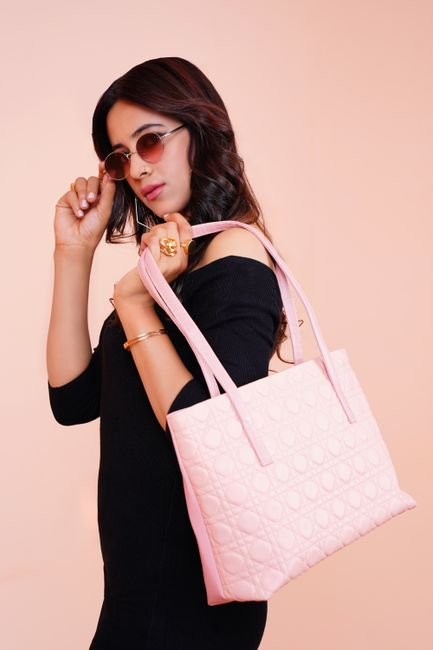
The Perfect Companion: Unlocking the Secrets to Finding the Right Handbag Size
The handbag: more than just an accessory, it’s a trusted confidante, a mobile office, and a stylish statement. Yet, navigating the vast landscape of handbag sizes can feel like deciphering an ancient code. Too small, and it becomes a frustrating game of Tetris. Too large, and it risks overwhelming your silhouette and becoming a bottomless pit of forgotten essentials. The quest for the perfect handbag size is a deeply personal one, dictated by your lifestyle, your body proportions, and your individual needs. This in-depth guide will equip you with the knowledge to make informed decisions, ensuring your next handbag is not just beautiful, but eminently practical.
Understanding the Fundamentals: Beyond Inches and Inches
While dimensions are a starting point, true handbag sizing transcends mere measurements. It’s about understanding how a bag interacts with your daily activities and your personal aesthetic. We can broadly categorize handbag sizes into a few key groups, each serving distinct purposes:
-
The Micro and Mini Marvels (Under 6 inches tall/wide): These diminutive darlings are designed for the bare essentials. Think your phone, a slim cardholder, lipstick, and perhaps a single key. They are perfect for evenings out, events where you want to travel light, or as a stylish accent piece. Their primary function is decorative, offering a touch of polish without the burden of carrying much.
-
The Small Wonders (6-10 inches tall/wide): Stepping up slightly, small bags can accommodate a bit more. They are ideal for daytime errands, casual lunches, or when you need to carry a few more items than a micro bag allows. You might fit a small wallet, your phone, sunglasses, and a few personal care items.
-
The Medium Mavens (10-15 inches tall/wide): This is the sweet spot for many. Medium-sized bags offer a fantastic balance of capacity and portability. They are versatile enough for work, travel, or everyday use. You can comfortably store a tablet or small laptop, a notebook, a larger wallet, a water bottle, and all your daily necessities.
-
The Large and Luxurious (Over 15 inches tall/wide): For those who need to carry it all, the large handbag reigns supreme. These are the workhorses, perfect for students, professionals who carry laptops and extensive documents, mothers on the go, or frequent travelers. They can easily hold a laptop, books, a change of clothes, or even groceries. However, their generous size requires careful consideration to avoid becoming unwieldy.
Decoding Your Lifestyle: The Ultimate Sizing Compass
The most crucial factor in determining the right handbag size is an honest assessment of your daily life. Ask yourself these questions:
-
What are your daily must-haves? Make a list. Be brutally honest. Do you carry a full-sized wallet or a compact cardholder? Is your phone a mini or a plus model? Do you need to carry a book, a tablet, or a laptop? Do you always have a water bottle or a snack?
-
What is your primary use for the handbag? Is it for work, evenings out, running errands, travel, or a combination?
- Work: If you need to carry a laptop, documents, or a lunch, a medium to large tote or satchel is likely your best bet. Consider bags with dedicated compartments for organization.
- Everyday Errands: A medium-sized crossbody or shoulder bag offers convenience and enough space for essentials.
- Evenings Out: A clutch, mini bag, or small crossbody is ideal for a phone, lipstick, and a few cards.
- Travel: For weekend trips, a medium to large tote or a duffel bag is practical. For longer journeys, a spacious carry-on or a chic backpack might be more suitable.
- Motherhood: Diaper bags are a category unto themselves, but if you’re looking for a stylish option that can still hold essentials for yourself and a little one, a large tote or a well-organized backpack is a good choice.
-
How much do you typically carry? Be realistic. Do you have a tendency to overpack? If so, a smaller bag might force you to be more selective and less burdened.
Considering Your Body Proportions: The Art of Balance
The size of your handbag should also complement your body shape and height. A bag that is too large can make a petite person appear even smaller, while a tiny bag might get lost on a taller individual.
-
Petite Frame: Opt for smaller to medium-sized bags. A bag that extends much beyond your hip line can overwhelm your frame. Crossbody bags that sit at your waist or slightly above are often flattering.
-
Average Frame: You have the most flexibility. Medium to large bags can work well, depending on your needs and personal style.
-
Taller Frame: You can generally carry larger bags without them appearing disproportionate. However, ensure the bag’s length doesn’t extend too far past your natural waist.
-
Shoulder Width: A bag with a wider strap can balance out broader shoulders, while a slimmer strap can create a more delicate impression.
The Anatomy of a Handbag: Features That Impact Size Perception
Beyond the exterior dimensions, certain design elements can influence how much a bag holds and how it feels:
-
Structured vs. Unstructured Bags: Structured bags, like satchels or briefcases, maintain their shape and can often feel more compact, even if they have a similar internal volume to an unstructured tote. Unstructured bags, like slouchy hobos, can expand to accommodate more but might appear larger when full.
-
Compartments and Pockets: Well-designed internal and external pockets are crucial for organization and can make a bag feel more capacious by preventing items from becoming jumbled. A bag with multiple compartments can help you maximize its usable space.
-
Depth vs. Width: A bag that is deeper might hold more than a bag that is wider but shallower, even if their overall dimensions appear similar.
-
Strap Length and Drop: The way a bag hangs from your body significantly impacts its perceived size. A bag with a short strap that sits high on your shoulder might feel different than a bag with a long strap that hangs lower.
Practical Tips for Making the Right Choice:
-
Try Before You Buy: If possible, visit a store and try on handbags. Hold them, feel their weight, and imagine packing them with your essentials. See how they hang on your body.
-
Measure Your Current Bag: Take a tape measure to your current favorite handbag and note its dimensions. This gives you a benchmark for what works for you.
-
Visualize Your Contents: Before purchasing, mentally (or physically, if you have it handy) pack the bag with your typical items. Does everything fit comfortably? Is there room for a spontaneous purchase?
-
Consider Versatility: Can the bag be used for multiple occasions or purposes? A medium-sized tote that works for work and weekend errands offers excellent value.
-
Don’t Be Afraid to Go Smaller: Sometimes, a smaller bag can be liberating, forcing you to prioritize and carry only what you truly need. This can lead to less clutter and a lighter load.
-
Don’t Be Afraid to Go Larger (with caution): If you genuinely need to carry a lot, a larger bag is necessary. However, prioritize bags with good structure and organization to prevent them from becoming a black hole.
-
Read Reviews: Online reviews can offer valuable insights into the actual capacity and usability of a handbag. Look for comments from people with similar needs and lifestyles.
By carefully considering your lifestyle, body proportions, and the practical features of a handbag, you can move beyond the allure of aesthetics alone and find a companion that truly enhances your daily life. The perfect handbag size is not a one-size-fits-all solution; it’s a personalized equation that leads to effortless style and unparalleled functionality.