
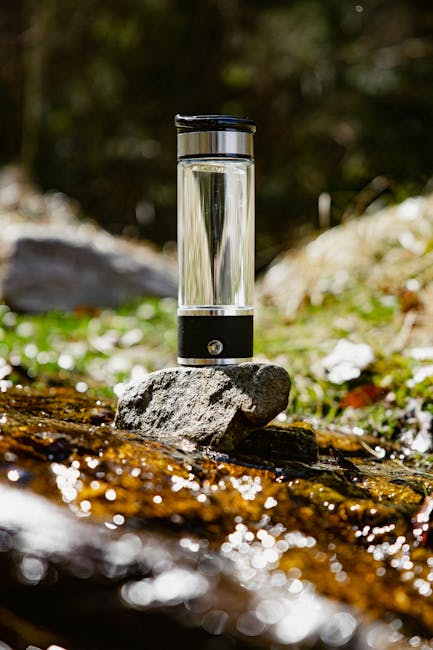
Find Your Chill: The Best Water Purifier with Cooling Features
In today’s health-conscious world, access to clean, refreshing water is paramount. While water purifiers have become ubiquitous for their ability to remove contaminants, a growing segment of consumers is seeking an added layer of convenience: chilled water on demand. Imagine stepping away from your desk on a warm afternoon and being greeted by a perfectly chilled glass of pure water, or effortlessly filling your water bottle with cool refreshment after a workout. This is the promise of a water purifier with cooling features, a sophisticated appliance that elevates hydration from a necessity to a delightful experience.
The market for these innovative devices is expanding, offering a diverse range of technologies and functionalities. Choosing the “best” model hinges on individual needs, budget, and specific purification requirements. This comprehensive guide delves into the key considerations when selecting a water purifier with cooling, explores the leading technologies, and highlights features that define excellence in this category, empowering you to find your perfect chill.
Understanding the Technology Behind Chilled Water
At its core, water purification with cooling involves two distinct but integrated processes. The purification stage typically employs a multi-stage filtration system to remove impurities. Common technologies include:
- Sediment Filters: These remove larger particles like sand, rust, and silt, protecting subsequent filters.
- Activated Carbon Filters: Highly effective at adsorbing chlorine, volatile organic compounds (VOCs), pesticides, herbicides, and unpleasant odors and tastes.
- Reverse Osmosis (RO): A highly effective method that uses a semipermeable membrane to remove dissolved solids, heavy metals (lead, arsenic, mercury), bacteria, viruses, and even microscopic impurities. RO systems often include post-carbon filters for taste enhancement.
- Ultrafiltration (UF): While not as fine as RO, UF membranes effectively remove bacteria, viruses, and larger organic molecules without removing beneficial minerals.
- UV Sterilization: Ultraviolet light deactivates microorganisms like bacteria and viruses, providing an extra layer of disinfection.
The cooling mechanism itself is usually powered by a refrigeration cycle, similar to what you find in refrigerators and air conditioners. Here’s a simplified breakdown:
- Compressor: This is the heart of the cooling system, compressing a refrigerant gas, increasing its temperature and pressure.
- Condenser: The hot, high-pressure gas flows through the condenser coils, where it releases heat to the surrounding air and condenses into a liquid.
- Expansion Valve: The liquid refrigerant passes through an expansion valve, causing a significant drop in pressure and temperature.
- Evaporator: The cold, low-pressure refrigerant then flows through the evaporator coils, which are in contact with the purified water. As the refrigerant absorbs heat from the water, it evaporates back into a gas, thus chilling the water.
The efficiency and speed of the cooling process are often determined by the power of the compressor and the design of the cooling coils. Some advanced models may also incorporate digital temperature controls for precise chilling.
Key Features to Look for in a Water Purifier with Cooling
Beyond the core purification and cooling functions, several features contribute to a superior user experience and optimal performance:
- Purification Capacity and Technology: The choice between RO, UF, or a combination depends on your local water quality and personal preferences. If your tap water is heavily contaminated, RO is generally recommended. For milder concerns or if you prefer to retain minerals, UF might suffice.
- Cooling Capacity and Temperature Range: Consider how much chilled water you typically consume. Some units offer adjustable temperature settings, allowing you to select your preferred level of coolness. Look for models that can maintain a consistent temperature.
- Storage Tank Capacity: This refers to the volume of purified water the unit can hold. A larger tank is beneficial for households with higher water consumption.
- Dispensing Speed and Ease of Use: How quickly does the purified and chilled water dispense? Intuitive controls and easy-to-operate levers or buttons are crucial for daily convenience.
- Energy Efficiency: Refrigeration systems consume energy. Look for models with energy-saving modes or high energy efficiency ratings to minimize your electricity bills.
- Durability and Build Quality: Invest in a unit constructed from high-quality, food-grade materials that are built to last. Stainless steel components and robust casings are indicators of durability.
- Maintenance and Filter Replacement: Understand the frequency of filter replacement and the cost involved. Easy access to filter compartments simplifies the maintenance process. Some models offer filter change indicators, which are a useful reminder.
- Safety Features: Look for features like child lock mechanisms for the hot water dispenser (if applicable) and automatic shut-off functions to prevent overflow or damage.
- Noise Level: Refrigeration units can sometimes be noisy. If noise is a concern, research models known for their quiet operation.
- Smart Features: Some high-end models incorporate smart technology, such as app connectivity for monitoring water quality, filter life, and controlling settings remotely.
Top Technologies and Their Benefits
The integration of advanced purification and cooling technologies creates a synergistic effect, delivering both health and convenience.
1. RO + Cooling Systems: These are the gold standard for comprehensive purification and offer excellent chilled water. The RO membrane removes a vast array of contaminants, ensuring the purest possible water. The integrated cooling system then chills this purified water to perfection. These systems are ideal for areas with hard water or concerns about heavy metals and dissolved solids.
- Benefits: Unparalleled purity, effective removal of dissolved impurities, excellent taste, and refreshing chilled water.
- Considerations: Can be more expensive, may require a storage tank, and can sometimes remove beneficial minerals (though some models offer remineralization).
2. UF + Cooling Systems: For those whose primary concern is microbial contamination and who prefer to retain natural minerals, UF with cooling is a strong contender. UF membranes are effective against bacteria and viruses while allowing essential minerals to pass through.
- Benefits: Retains beneficial minerals, effective against bacteria and viruses, generally more affordable than RO, and provides chilled water.
- Considerations: Less effective than RO at removing dissolved solids and heavy metals.
3. Dual-Stage Purification with Cooling (e.g., Carbon + UF/RO): Many purifiers combine multiple filtration stages for enhanced purification before the cooling stage. For instance, a system might feature an activated carbon filter followed by an RO or UF membrane. This layered approach ensures a broader spectrum of contaminants are removed.
- Benefits: Comprehensive purification, improved taste and odor, and reliable chilled water.
4. Advanced Cooling Technologies: Some manufacturers are innovating with cooling systems to improve efficiency and speed. This can include:
- Compressor-based cooling: The most common and effective, providing consistent and rapid chilling.
- Thermoelectric cooling (Peltier effect): Less common in purifiers but found in some compact models. It’s generally less efficient and slower for larger volumes.
Choosing the Right Model for Your Household
When making your selection, consider the following scenarios:
- For Families with Health Concerns or in Areas with Poor Water Quality: An RO + Cooling system is highly recommended. The robust purification ensures the safest drinking water, and the chilled option adds daily enjoyment.
- For Health-Conscious Individuals Who Prefer Mineral-Rich Water: A UF + Cooling system might be the perfect balance. It provides effective purification while preserving natural minerals, and the cooling feature enhances the drinking experience.
- For Offices or Shared Spaces: Look for models with higher storage tank capacities and faster dispensing rates to cater to multiple users. Features like a robust build and ease of maintenance are also important.
- For Budget-Conscious Consumers: While advanced features come at a premium, there are increasingly affordable UF + Cooling or basic RO + Cooling options available. Prioritize essential purification and cooling capabilities within your budget.
Maintenance: The Key to Longevity and Performance
Even the best water purifier with cooling features requires regular maintenance to ensure optimal performance and water quality. This typically involves:
- Regular Filter Replacement: Adhere to the manufacturer’s recommended schedule for replacing sediment, carbon, RO, and UF filters. Clogged filters reduce purification efficiency and can impact cooling performance.
- UV Lamp Replacement (if applicable): UV lamps have a limited lifespan and need to be replaced periodically to maintain their sterilizing effectiveness.
- Cleaning the Dispensing Area and Tank: Regularly clean the faucet, drip tray, and water tank to prevent bacterial growth and maintain hygiene.
- Descaling: In areas with hard water, mineral deposits can build up in the cooling system. Periodic descaling, as per the manufacturer’s instructions, is essential to prevent damage and maintain cooling efficiency.
By investing in a high-quality water purifier with cooling features and committing to regular maintenance, you are not just buying an appliance; you are investing in your health, well-being, and daily comfort. The ability to effortlessly access pure, chilled water is a luxury that quickly becomes an indispensable part of modern living. Find your chill, and transform your hydration routine.