
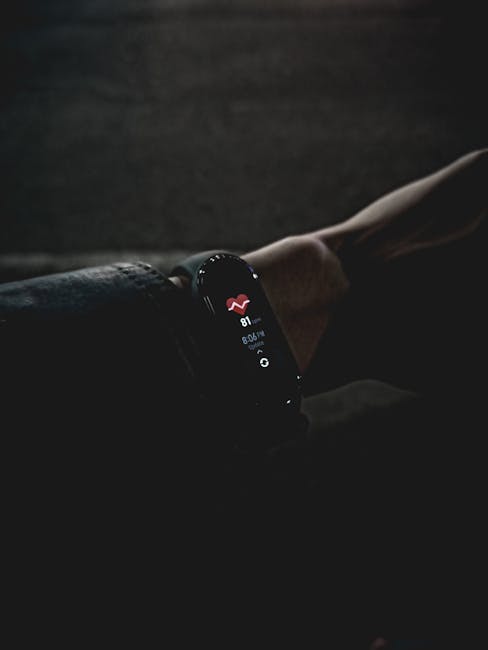
Elevate Your Health: Smartwatches Offering Heart Rate & BP Data
The landscape of personal health monitoring has undergone a dramatic revolution, with smartwatches at the forefront of this transformation. No longer just devices for tracking steps or receiving notifications, these wearable companions are increasingly sophisticated tools for understanding and managing our cardiovascular well-being. Among the most impactful advancements are the integration of accurate heart rate and blood pressure (BP) monitoring capabilities, empowering individuals with unprecedented insights into their physiological state. This article delves into the world of smartwatches that offer heart rate and BP data, exploring their functionalities, benefits, the technology behind them, and what to consider when choosing the right device for your health journey.
The Power of Continuous Monitoring: Heart Rate Insights
Heart rate, a fundamental indicator of cardiovascular health, provides a wealth of information. A resting heart rate can reveal a person’s overall fitness level, while elevated rates during activity or stress can signal potential issues. Smartwatches have made continuous heart rate monitoring accessible and effortless.
-
How it Works: Most smartwatches utilize photoplethysmography (PPG) technology. This involves using LEDs to shine light onto the skin and a photodetector to measure the amount of light that is reflected back. As blood pumps through your arteries with each heartbeat, the volume of blood in your wrist fluctuates. This change in blood volume alters how much light is absorbed or reflected, allowing the sensor to detect and count your heartbeats.
-
Benefits of Heart Rate Data:
- Fitness Tracking: Understanding your heart rate zones during workouts (fat burning, cardio, peak) optimizes training efficiency and prevents overexertion.
- Stress Management: Persistent high resting heart rates can be a sign of chronic stress. Monitoring this can prompt individuals to implement stress-reduction techniques.
- Sleep Quality: Analyzing heart rate patterns during sleep can reveal disturbances and provide insights into sleep quality.
- Early Detection of Irregularities: While not a diagnostic tool, significant and unexplained deviations in heart rate, such as persistent tachycardia (fast heart rate) or bradycardia (slow heart rate), can be an early warning sign to consult a healthcare professional. Some advanced smartwatches are also beginning to incorporate ECG (electrocardiogram) functionality, which can detect atrial fibrillation (AFib), a common type of irregular heartbeat.
Revolutionizing BP Measurement: The Smartwatch Frontier
Blood pressure monitoring has traditionally required cuff-based devices, often inconvenient for regular, at-home checks. The integration of BP monitoring into smartwatches represents a significant leap forward in accessibility and proactive health management.
-
Technological Approaches to BP Monitoring:
- Cuffless BP Measurement: This is the holy grail for wearable BP monitoring. Several innovative approaches are being explored and implemented:
- PPG-based Estimation: Similar to heart rate, PPG signals can be analyzed for subtle changes related to blood pressure. Algorithms interpret these variations, correlating them with BP readings. This method is becoming increasingly sophisticated, with some devices offering calibration against traditional cuffs.
- Electrocardiogram (ECG) and PPG Combination: By analyzing the time delay between the electrical signal of the heartbeat (ECG) and the pulse wave reaching the wrist (PPG), smartwatches can estimate BP. This “pulse transit time” (PTT) is inversely related to BP.
- Other Emerging Technologies: Research is ongoing into technologies like bioimpedance, which measures electrical resistance in the body, and ultrasound, which can assess blood flow.
- Cuffless BP Measurement: This is the holy grail for wearable BP monitoring. Several innovative approaches are being explored and implemented:
-
Benefits of Smartwatch BP Data:
- Frequent and Convenient Monitoring: The ability to check BP anytime, anywhere, without the need for a cuff, encourages more frequent measurements. This is crucial for individuals with hypertension or those at risk.
- Trend Analysis: Tracking BP trends over time, rather than relying on single readings, provides a more accurate picture of an individual’s cardiovascular health and the effectiveness of lifestyle changes or medication.
- Early Detection of Hypertension: Regular monitoring can help identify elevated BP readings that might otherwise go unnoticed, leading to earlier diagnosis and intervention.
- Personalized Health Insights: Correlating BP fluctuations with daily activities, diet, and stress levels can empower individuals to make informed lifestyle adjustments.
Key Features to Look For in a Health-Focused Smartwatch
When selecting a smartwatch for heart rate and BP monitoring, consider the following:
- Accuracy and Validation: This is paramount. Look for devices that have undergone clinical validation or have received regulatory approval (e.g., FDA clearance in the US, CE marking in Europe) for their BP measurement capabilities. Check reviews and research studies for independent accuracy assessments.
- Ease of Use: The interface should be intuitive, and the process for taking readings (especially BP) should be straightforward.
- Data Visualization and Reporting: The companion app should offer clear and comprehensive graphs and reports of your heart rate and BP trends. The ability to export data for your doctor is a significant advantage.
- Additional Health Metrics: Beyond heart rate and BP, consider smartwatches that offer other valuable metrics like SpO2 (blood oxygen saturation), sleep tracking, stress monitoring, and activity tracking.
- Battery Life: Continuous monitoring can be battery-intensive. Evaluate the battery life to ensure it meets your needs.
- Comfort and Design: You’ll be wearing this device daily, so comfort and aesthetic appeal are important.
- Smartwatch Ecosystem and Features: Consider your existing smartphone and preferred operating system, as well as other smartwatch features you desire (notifications, GPS, contactless payments, etc.).
The Future of Wearable Cardiovascular Health
The integration of heart rate and BP monitoring in smartwatches is just the beginning. The future promises even more sophisticated capabilities:
- Advanced AFib Detection: More accurate and reliable detection of atrial fibrillation.
- Predictive Health Analytics: AI-powered algorithms that can predict potential cardiovascular events based on accumulated data.
- Integration with Healthcare Providers: Seamless sharing of data with physicians for more personalized and proactive care.
- Non-Invasive Glucose Monitoring: While still in development, this could be the next frontier in wearable health tracking.
Important Considerations and Disclaimers
It is crucial to understand that smartwatches offering heart rate and BP data are not medical devices and should not be used for self-diagnosis or as a substitute for professional medical advice.
- Consult Your Doctor: Always discuss your health concerns and any data you obtain from your smartwatch with your healthcare provider. They can interpret the data in the context of your individual health history and provide appropriate medical guidance.
- Calibration is Key: For BP monitoring, many smartwatches recommend periodic calibration against a traditional cuff-based monitor to ensure accuracy.
- Lifestyle Impact: While these devices provide data, they are tools. Sustainable improvements in cardiovascular health come from consistent healthy lifestyle choices, including diet, exercise, stress management, and adequate sleep.
By embracing the technological advancements in smartwatches, individuals can embark on a more informed and proactive journey towards a healthier heart and a more empowered life. The ability to continuously monitor key cardiovascular indicators right from your wrist offers an unparalleled opportunity to understand your body, identify potential issues early, and make meaningful changes for long-term well-being.