The relentless march of technological advancement has brought us powerful and indispensable tools, none more ubiquitous than the laptop. Yet, behind the sleek designs and impressive processing power lies a growing environmental footprint. From resource extraction for components to energy consumption during use and the daunting challenge of e-waste, traditional laptops contribute significantly to our planet’s ecological strain. Fortunately, a paradigm shift is underway, driven by a growing demand for eco-friendly laptops – devices designed with sustainability at their core, aiming to minimize environmental impact throughout their lifecycle.
The concept of an eco-friendly laptop transcends mere energy efficiency. It encompasses a holistic approach, considering every stage from the sourcing of raw materials to the eventual disposal or recycling of the device. Manufacturers are increasingly prioritizing the use of recycled and renewable materials, reducing reliance on virgin resources. This includes incorporating post-consumer recycled plastics, reclaimed metals like aluminum and copper, and even bio-based materials derived from plants. These choices not only conserve natural resources but also significantly reduce the energy and pollution associated with mining and processing virgin materials.
Furthermore, the design for disassembly and repairability is a crucial element of sustainable laptop manufacturing. Traditional laptops are often designed to be impenetrable, making repairs difficult and encouraging premature replacement. Eco-conscious brands are actively combating this by designing devices that are easier to open, with modular components that can be readily replaced. This extends the lifespan of the laptop, reducing the need for frequent upgrades and the subsequent generation of e-waste. Extended product lifecycles are a cornerstone of a circular economy, where products are designed to be used, repaired, and ultimately recycled or repurposed, minimizing landfill burden.
Energy efficiency remains a paramount concern for eco-friendly laptops. While all laptops strive for better battery life, sustainable models go further by optimizing power consumption at every level. This involves utilizing low-power processors, efficient display technologies like OLED or E-Ink (though less common in mainstream laptops currently), and intelligent power management software. Certifications like ENERGY STAR and EPEAT (Electronic Product Environmental Assessment Tool) play a vital role in identifying laptops that meet stringent energy efficiency standards, providing consumers with a clear benchmark for making informed decisions. EPEAT, in particular, goes beyond energy to assess the overall environmental performance of electronic products, including the reduction of hazardous substances.
The reduction of hazardous substances is another critical aspect of eco-friendly laptop design. Many conventional electronic components contain materials like lead, mercury, cadmium, and brominated flame retardants, which are toxic to both human health and the environment. Leading eco-friendly manufacturers are actively working to eliminate or significantly reduce the use of these substances, adhering to regulations like RoHS (Restriction of Hazardous Substances). This commitment not only protects the environment during manufacturing and disposal but also ensures a safer working environment for those involved in the production process.
The packaging of laptops also presents an opportunity for environmental improvement. Many brands are transitioning to minimalist, plastic-free packaging made from recycled and recyclable materials. This reduces the volume of waste generated and minimizes the use of petrochemical-based plastics. Biodegradable or compostable packaging solutions are also emerging, further contributing to a reduced environmental impact.
When considering a purchase, consumers can look for specific certifications and initiatives that highlight a brand’s commitment to sustainability. B Corp certification, for instance, signifies that a company meets high standards of social and environmental performance, accountability, and transparency. Carbon footprint labeling is also gaining traction, allowing consumers to understand the environmental impact of a product’s entire lifecycle.
The longevity and durability of an eco-friendly laptop are directly linked to its sustainability. By using high-quality, robust materials and designing for repairability, these devices are built to last. This contrasts with the planned obsolescence often found in consumer electronics, where products are designed to fail after a certain period, forcing consumers to purchase replacements. Investing in a durable, repairable laptop is not only environmentally responsible but also economically sound in the long run.
The supply chain transparency is another area where eco-conscious brands are differentiating themselves. Understanding where components are sourced, how they are manufactured, and the labor practices involved is crucial for true sustainability. Companies that are transparent about their supply chains are more likely to be held accountable for their environmental and social impacts. This often involves working with suppliers who adhere to ethical and sustainable practices, ensuring fair labor conditions and responsible resource management.
The end-of-life management of electronic devices is a significant global challenge. E-waste is a rapidly growing stream of waste, containing valuable materials that can be recycled but also hazardous substances that can leach into the environment if not handled properly. Eco-friendly laptop manufacturers are increasingly offering take-back programs and partnering with certified e-waste recyclers. These programs ensure that devices are disassembled, and their components are responsibly recycled or disposed of, recovering valuable materials and preventing environmental contamination. Consumers should actively seek out brands that provide such services, ensuring their old devices contribute to a circular economy rather than a landfill.
The repairability score, often provided by organizations like iFixit, is a valuable metric for consumers looking for sustainable laptops. A higher repairability score indicates that a device is easier to disassemble and repair, making it more likely to have a longer lifespan. This empowers users to take ownership of their devices and extend their usability, reducing the need for costly professional repairs or premature replacements.
The software and firmware also play a role in eco-friendly computing. Operating systems and applications optimized for power efficiency can contribute to reduced energy consumption during use. Furthermore, companies committed to sustainability often provide long-term software support, ensuring that devices remain functional and secure for extended periods, further contributing to their longevity.
The future of computing is undeniably intertwined with sustainability. As awareness grows and technological innovation continues, we can expect to see even more advancements in the field of eco-friendly laptops. From the widespread adoption of biodegradable materials to highly efficient modular designs and robust take-back programs, the industry is moving towards a more responsible and environmentally conscious future. By making informed choices and supporting brands that prioritize sustainability, consumers can play a crucial role in driving this positive change and contributing to a greener planet. The transition to eco-friendly technology is not just a trend; it’s a necessity for a sustainable and thriving future.
Lenovo 14 (2026), Intel Core i5 13th Gen 13420H - (8 GB DDR5/512 GB SSD/Intel UHD Graphics/Windows 11 Pro) Thin and Light Business Laptop/14.0" FHD Display/Luna Grey/Copilot Key/1.4 kg/MS Office 2024
₹58,990.00 (as of September 21, 2026 14:37 GMT +05:30 - More infoProduct prices and availability are accurate as of the date/time indicated and are subject to change. Any price and availability information displayed on [relevant Amazon Site(s), as applicable] at the time of purchase will apply to the purchase of this product.)
Dell 15 AI Powered Laptop, Intel Core Ultra 5 225U Processor, 16GB:512GB, 15.6" (39.62cm) FHD 300nits Display, (Dell 15), Backlit Keyboard with AI Copilot Hotkey, Win 11 + MSO'24, 1.66kg Thin & Light
₹78,990.00 (as of September 21, 2026 14:37 GMT +05:30 - More infoProduct prices and availability are accurate as of the date/time indicated and are subject to change. Any price and availability information displayed on [relevant Amazon Site(s), as applicable] at the time of purchase will apply to the purchase of this product.)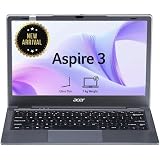
Acer Aspire 3 (2026), Intel Celeron Dual Core N4500 - (8 GB/256 GB SSD/Intel UHD Graphics/Windows 11 Home) Thin and Light Laptop/11.6" HD/Steel Grey/1.0 Kg/MS Office 2024
₹33,990.00 (as of September 21, 2026 14:37 GMT +05:30 - More infoProduct prices and availability are accurate as of the date/time indicated and are subject to change. Any price and availability information displayed on [relevant Amazon Site(s), as applicable] at the time of purchase will apply to the purchase of this product.)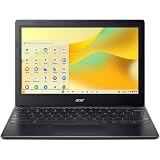
Acer Chromebook, Intel Celeron- N4500 Processor, 4GB LPDDR4 RAM, 32GB eMMC, 29.46cm /11.6" inch HD Display, Chrome OS, Intel UHD Graphics,WiFi 5, Black, 1.2 KG, CO731, Thin & Light Laptop
₹15,990.00 (as of September 21, 2026 14:37 GMT +05:30 - More infoProduct prices and availability are accurate as of the date/time indicated and are subject to change. Any price and availability information displayed on [relevant Amazon Site(s), as applicable] at the time of purchase will apply to the purchase of this product.)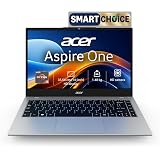
Acer Smartchoice Aspire One, AMD Ryzen 5-40,Office 2024 + M365 Basic, 8GB LPDDR5 RAM/ 512GB SSD, 14.0"/35.56cm WXGA Display, Win 11 Home, Pure Silver, 1.48KG, A114-43, Thin and Light Laptop
₹49,990.00 (as of September 21, 2026 14:37 GMT +05:30 - More infoProduct prices and availability are accurate as of the date/time indicated and are subject to change. Any price and availability information displayed on [relevant Amazon Site(s), as applicable] at the time of purchase will apply to the purchase of this product.)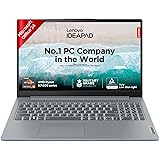
Lenovo IdeaPad Slim 3 Ryzen 5 7520U 15.6" (39.6cm) FHD Thin and Light Laptop (16GB RAM/512GB SSD/Backlit Keyboard/Windows 11/ Office 2024/Grey/1.6Kg), 82XQ01RYIN
₹64,950.00 (as of September 21, 2026 14:37 GMT +05:30 - More infoProduct prices and availability are accurate as of the date/time indicated and are subject to change. Any price and availability information displayed on [relevant Amazon Site(s), as applicable] at the time of purchase will apply to the purchase of this product.)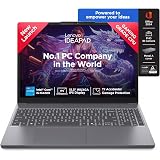
Lenovo IdeaPad Slim 3 13th Gen Intel Core i5-13420H 15.3 inch (38.8cm) WUXGA IPS Laptop (16GB RAM/512GB SSD/Windows 11/Office 2024/Top Metal Cover/Backlit KB/Luna Grey/1.6Kg), 83K101JDIN
₹74,990.00 (as of September 21, 2026 14:37 GMT +05:30 - More infoProduct prices and availability are accurate as of the date/time indicated and are subject to change. Any price and availability information displayed on [relevant Amazon Site(s), as applicable] at the time of purchase will apply to the purchase of this product.)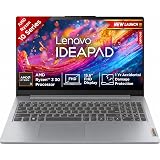
Lenovo IdeaPad Slim 3 Ryzen 3 30 15.6" (39.6cm) FHD Thin and Light Laptop (8GB RAM/512GB SSD/AMD Radeon 610M Graphics/Windows 11/Office 2024/Grey/1.6Kg), 82XQ01VYIN
₹52,400.00 (as of September 21, 2026 14:37 GMT +05:30 - More infoProduct prices and availability are accurate as of the date/time indicated and are subject to change. Any price and availability information displayed on [relevant Amazon Site(s), as applicable] at the time of purchase will apply to the purchase of this product.)
Acer Chromebook, Intel Celeron- N4500 Processor, 4GB LPDDR4 RAM, 64GB eMMC, 29.46cm /11.6" inch HD Display, Chrome OS, Intel UHD Graphics,WiFi 5, Black, 1.2 KG, CO731, Thin & Light Laptop
₹17,990.00 (as of September 21, 2026 14:37 GMT +05:30 - More infoProduct prices and availability are accurate as of the date/time indicated and are subject to change. Any price and availability information displayed on [relevant Amazon Site(s), as applicable] at the time of purchase will apply to the purchase of this product.)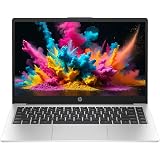
HP Professional 14 (2026), Intel (i7 14th Gen) Core 7 150U - (32 GB/512 GB SSD/Intel Iris Xe Graphic/Windows 11 Pro) Business Laptop/14.0" FHD/Backlit + Fingerprint/Silver/Copilot Key/1.4kg/MSO 2024
₹93,940.00 (as of September 21, 2026 14:37 GMT +05:30 - More infoProduct prices and availability are accurate as of the date/time indicated and are subject to change. Any price and availability information displayed on [relevant Amazon Site(s), as applicable] at the time of purchase will apply to the purchase of this product.)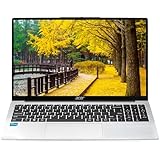
Acer Aspire 3 (2026), Intel Core i3 13th Gen 1305U - (16 GB/500 GB SSD/Intel UHD Graphics/Windows 11 Home) Thin and Light Laptop/15.6" FHD IPS Display/Silver/1.5 Kg/MS Office 2024/2 Years Warranty
₹53,990.00 (as of September 21, 2026 14:37 GMT +05:30 - More infoProduct prices and availability are accurate as of the date/time indicated and are subject to change. Any price and availability information displayed on [relevant Amazon Site(s), as applicable] at the time of purchase will apply to the purchase of this product.)
Acer Travel Lite (2026) AMD Ryzen 5 Hexa Core 7430U - (16 GB/512 GB SSD/AMD Radeon Graphics/Windows 11 Home) TL04-41M Light Laptop/14.0" FHD Display/Black/Metal Body/Copilot Key/1.34 Kg/MSO 2024
₹58,990.00 (as of September 21, 2026 14:37 GMT +05:30 - More infoProduct prices and availability are accurate as of the date/time indicated and are subject to change. Any price and availability information displayed on [relevant Amazon Site(s), as applicable] at the time of purchase will apply to the purchase of this product.)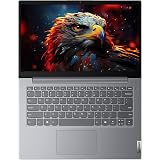
Lenovo V14 Intel Core i5 13th Gen 13420H |16 GB DDR5/512 GB SSD/Windows 11 | Thin and Light Laptop/Intel UHD Graphics/ 14.0" FHD Display/Luna Grey/Copilot Key/1.4 kg/MS Office 2024
₹70,750.00 (as of September 21, 2026 14:37 GMT +05:30 - More infoProduct prices and availability are accurate as of the date/time indicated and are subject to change. Any price and availability information displayed on [relevant Amazon Site(s), as applicable] at the time of purchase will apply to the purchase of this product.)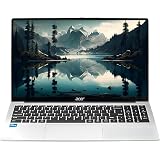
Acer Aspire 3 (2026), Intel Core i5 13th Gen 1334U - (16 GB/512 GB SSD/Intel UHD Graphics/Windows 11 Home) Thin and Light Laptop/15.6" FHD IPS Display/Silver/1.5 Kg/MS Office 2024/3 Years Warranty
₹62,890.00 (as of September 21, 2026 14:37 GMT +05:30 - More infoProduct prices and availability are accurate as of the date/time indicated and are subject to change. Any price and availability information displayed on [relevant Amazon Site(s), as applicable] at the time of purchase will apply to the purchase of this product.)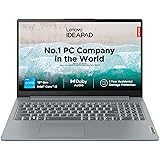
Lenovo IdeaPad Slim 3 13th Gen Intel Core i3-1315U 15.6" (39.6cm) FHD Thin and Light Laptop (8GB RAM/512GB SSD/Backlit Keyboard/FHD 1080p Camera/Windows 11/Office 2024/Grey/1.6Kg), 82X700M3IN
₹54,900.00 (as of September 21, 2026 14:37 GMT +05:30 - More infoProduct prices and availability are accurate as of the date/time indicated and are subject to change. Any price and availability information displayed on [relevant Amazon Site(s), as applicable] at the time of purchase will apply to the purchase of this product.)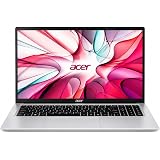
Acer One 15 Smart Laptop AO15-41M-G2 | AMD Ryzen 3 7320U | AMD Radeon 610M Graphics | 8GB LPDDR5 RAM | 256GB NVMe SSD | 15.6" FHD Display | Windows 11 Home | Silver
₹37,949.00 (as of September 21, 2026 14:37 GMT +05:30 - More infoProduct prices and availability are accurate as of the date/time indicated and are subject to change. Any price and availability information displayed on [relevant Amazon Site(s), as applicable] at the time of purchase will apply to the purchase of this product.)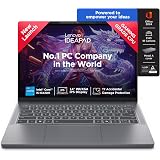
Lenovo IdeaPad Slim 3 13th Gen Intel Core i5-13420H 14 inch (35.5cm) WUXGA IPS Laptop (16GB RAM/512GB SSD/Windows 11/Office 2024/Top Metal Cover/Backlit KB/Luna Grey/1.39Kg), 83K000FYIN
₹76,990.00 (as of September 21, 2026 14:37 GMT +05:30 - More infoProduct prices and availability are accurate as of the date/time indicated and are subject to change. Any price and availability information displayed on [relevant Amazon Site(s), as applicable] at the time of purchase will apply to the purchase of this product.)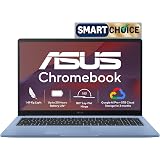
ASUS Chromebook CM1505 (2026), Smartchoice, MediaTek Kompanio 540 Processor, 4GB RAM, 64GB SSD, FHD, 15.6"(39.6 cm), 60Hz, Chrome OS, Fabric Blue, 1.49 Kg, CM1505CM4A-S70080, Thin & Light Laptop
₹22,990.00 (as of September 21, 2026 14:37 GMT +05:30 - More infoProduct prices and availability are accurate as of the date/time indicated and are subject to change. Any price and availability information displayed on [relevant Amazon Site(s), as applicable] at the time of purchase will apply to the purchase of this product.)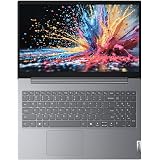
Lenovo 15 (2026), Intel Core i7 13th Gen 13620H - (16 GB DDR5/512 GB SSD/Intel Iris Xe Graphics/Windows 11 Pro) Thin and Light Business Laptop/15.6" FHD Display/Luna Grey/Copilot Key/1.5 kg/MSO 2024
₹77,580.00 (as of September 21, 2026 14:37 GMT +05:30 - More infoProduct prices and availability are accurate as of the date/time indicated and are subject to change. Any price and availability information displayed on [relevant Amazon Site(s), as applicable] at the time of purchase will apply to the purchase of this product.)