
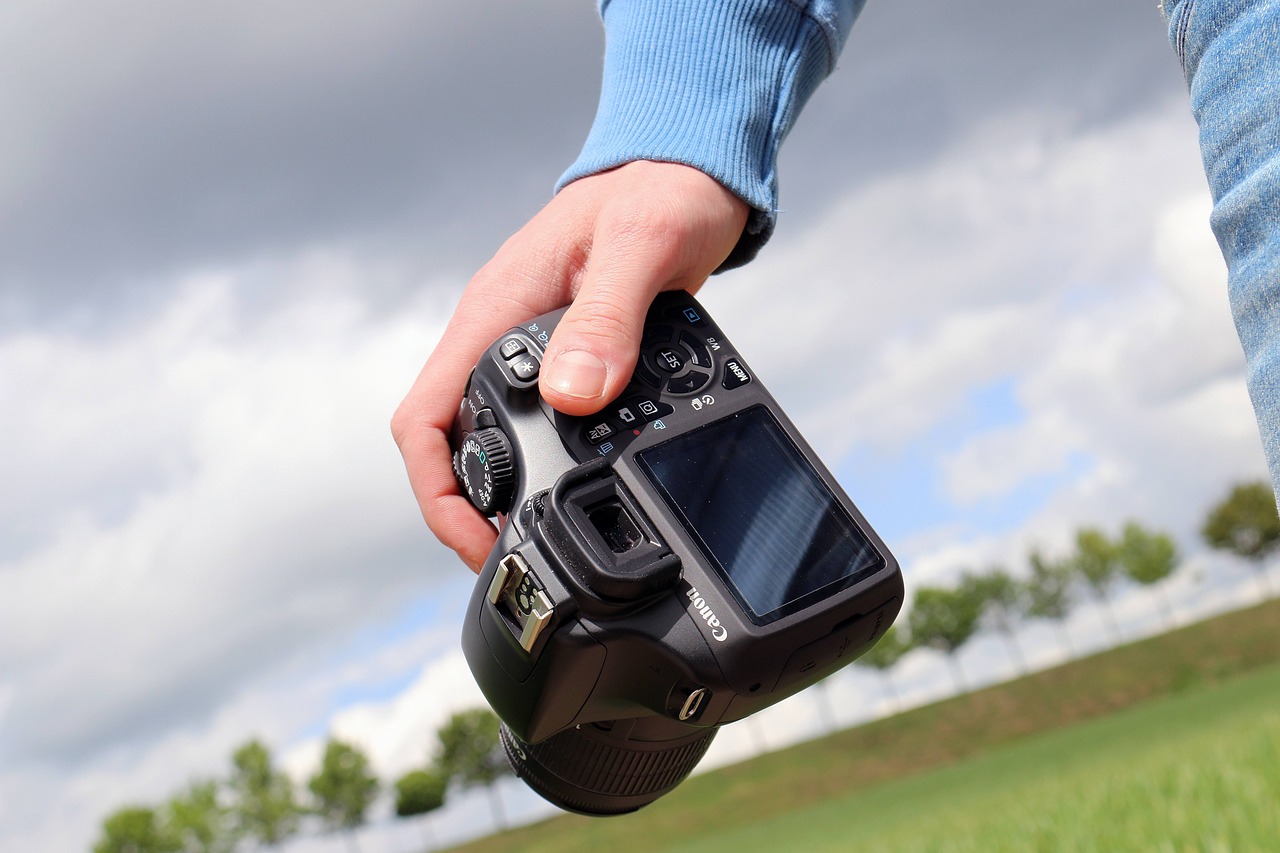
DSLR Cameras Under ₹50,000: Your Gateway to Professional Shots
The world of professional photography once seemed an exclusive domain, requiring hefty investments. However, the advent of advanced technology has democratized image-making, bringing powerful DSLR cameras within reach of aspiring photographers. With a budget of under ₹50,000, you can unlock a treasure trove of features that were once exclusive to high-end models, paving your way to stunning, professional-quality shots. This guide explores the best DSLR cameras available in this price bracket, detailing their capabilities and helping you make an informed decision.
Understanding DSLR Fundamentals: Why They Matter for Pro-Level Results
DSLR, or Digital Single-Lens Reflex, cameras offer a distinct advantage for those seeking professional results. Their core strength lies in the optical viewfinder, which allows you to see precisely what the lens sees, eliminating the lag and display inaccuracies sometimes found in mirrorless cameras. The interchangeable lens system is another crucial factor, granting immense creative freedom. You can swap lenses to capture wide landscapes, intimate portraits, or telephoto action, each lens offering a unique perspective and depth of field. Furthermore, DSLRs typically boast larger sensors (APS-C in this price range) compared to compact cameras, leading to superior image quality, better low-light performance, and more pleasing background blur (bokeh). Their robust build quality, intuitive controls, and extensive accessory support further solidify their position as the go-to choice for serious hobbyists and emerging professionals.
Key Features to Prioritize When Choosing Your DSLR
Within the ₹50,000 budget, several critical features will significantly impact your photographic journey.
- Sensor Size and Resolution: Aim for an APS-C sensor, offering a good balance of image quality and detail. Resolution in the 20-24 megapixel range is ample for most applications, providing sufficient detail for printing and cropping.
- Autofocus System: A robust autofocus system is paramount for capturing sharp images, especially in dynamic situations. Look for a camera with a decent number of autofocus points (at least 9, ideally more) and good tracking capabilities.
- ISO Performance: The ability to shoot in low light without excessive noise is crucial. A higher native ISO range and good in-camera noise reduction will allow you to capture usable images in dimly lit environments.
- Video Capabilities: Many modern DSLRs offer excellent video recording features. If you’re interested in vlogging or filmmaking, look for Full HD (1080p) recording at 30fps or 60fps, and consider 4K if available within your budget.
- Connectivity: Wi-Fi and Bluetooth connectivity are increasingly important for seamless image transfer to smartphones and remote camera control.
- Ergonomics and Build Quality: A comfortable grip, well-placed buttons, and a durable body are essential for long shooting sessions.
- Lens Ecosystem: Consider the availability and cost of additional lenses for the brand you choose.
Top DSLR Contenders Under ₹50,000: A Deep Dive
Several manufacturers consistently offer excellent value in this price segment. Here are some of the leading contenders:
1. Canon EOS 200D Mark II (or similar Rebel series):
Canon’s entry-level DSLRs are renowned for their user-friendliness and excellent image quality. The EOS 200D Mark II, often available with a kit lens within this budget, excels in several areas.
- Sensor and Image Quality: It features a 24.1MP APS-C CMOS sensor that delivers vibrant colors and sharp details. Canon’s color science is widely appreciated for its pleasing skin tones and natural look.
- Autofocus: The Dual Pixel CMOS AF system is a standout feature, providing fast and accurate autofocus during live view and video recording, a significant advantage over older DSLR models. It offers 9 autofocus points in the viewfinder.
- Video: It can record Full HD 1080p video at up to 60fps, with smooth and reliable autofocus thanks to Dual Pixel AF.
- Usability: The vari-angle touchscreen is incredibly useful for shooting at various angles and for vlogging. The guided UI mode makes it easy for beginners to understand camera settings.
- Connectivity: Wi-Fi and Bluetooth enable easy image sharing and remote control.
- Pros: Excellent image quality, user-friendly interface, superb live view AF, compact and lightweight.
- Cons: Limited viewfinder AF points compared to higher-end models.
2. Nikon D3500 (or similar entry-level Nikon):
Nikon’s entry-level DSLRs are celebrated for their exceptional image quality and robust build. The D3500, though a slightly older model, often remains a fantastic value proposition.
- Sensor and Image Quality: It boasts a 24.2MP APS-C CMOS sensor without an optical low-pass filter, resulting in incredibly sharp and detailed images. Nikon’s dynamic range is also a strong suit, allowing for more detail in both highlights and shadows.
- Autofocus: The 11-point autofocus system is reliable for stills, and its performance is good for its class.
- ISO Performance: Excellent ISO performance for its segment, producing clean images even at higher ISO settings.
- Usability: The deep grip makes it very comfortable to hold, and the button layout is intuitive. Nikon’s Guide Mode is excellent for teaching new users the basics of photography.
- Connectivity: While it lacks built-in Wi-Fi, it features Bluetooth for seamless image transfer via Nikon’s SnapBridge app.
- Pros: Superb image quality, excellent dynamic range, outstanding battery life, comfortable ergonomics.
- Cons: No touchscreen, limited video features compared to some competitors.
3. Nikon D5600 (if available within budget):
Stepping up slightly, the Nikon D5600 offers a more advanced feature set while often remaining within the ₹50,000 range, especially with kit lenses or during sales.
- Sensor and Image Quality: Similar to the D3500, it features a 24.2MP APS-C sensor for sharp, detailed images with excellent dynamic range.
- Autofocus: A more advanced 39-point autofocus system, including 9 cross-type sensors, provides superior subject tracking.
- Video: Capable of recording Full HD 1080p video at up to 60fps, with good AF performance.
- Usability: Features a fully articulating vari-angle touchscreen, making it versatile for various shooting scenarios.
- Connectivity: Built-in Wi-Fi, Bluetooth, and NFC for easy image transfer and remote control.
- Pros: Excellent image quality, advanced AF system, fully articulating touchscreen, good connectivity.
- Cons: Can be slightly above the strict ₹50,000 mark depending on the deal.
4. Canon EOS 800D (or Rebel T7i):
Another strong contender from Canon, the 800D offers a more advanced feature set than the 200D Mark II, often found within the budget.
- Sensor and Image Quality: Features a 24.2MP APS-C CMOS sensor, delivering Canon’s signature pleasing colors and good detail.
- Autofocus: A more advanced 45-point all cross-type autofocus system ensures fast and accurate focusing in the viewfinder.
- Video: Offers smooth Full HD 1080p video recording at up to 60fps, with excellent Dual Pixel CMOS AF for live view shooting.
- Usability: A vari-angle touchscreen and a well-laid-out control scheme make it a joy to use.
- Connectivity: Wi-Fi, NFC, and Bluetooth for convenient wireless connectivity.
- Pros: Excellent AF system, great image and video quality, user-friendly interface, good connectivity.
- Cons: Can be slightly larger and heavier than the 200D Mark II.
Beyond the Body: The Importance of Lenses
While the camera body is crucial, the lens you attach it to is equally, if not more, important for achieving professional results. For under ₹50,000, you’ll likely be looking at a kit lens (typically an 18-55mm zoom). However, to truly elevate your photography, consider investing in one or two prime lenses.
- 50mm f/1.8 (Nifty Fifty): This is a legendary lens for a reason. Its wide aperture allows for stunning bokeh, excellent low-light performance, and a natural perspective similar to the human eye. It’s incredibly affordable and a must-have for portraiture and general photography.
- 35mm f/1.8: A slightly wider perspective than the 50mm, the 35mm is excellent for street photography, environmental portraits, and general-purpose shooting.
Investing in these affordable prime lenses will dramatically improve your image quality and creative possibilities, often surpassing the capabilities of a kit zoom lens.
Maximizing Your Investment: Tips for Professional Shots
Purchasing a great camera is only the first step. Here’s how to make the most of your under-₹50,000 DSLR and achieve professional-looking results:
- Learn the Exposure Triangle: Master aperture, shutter