
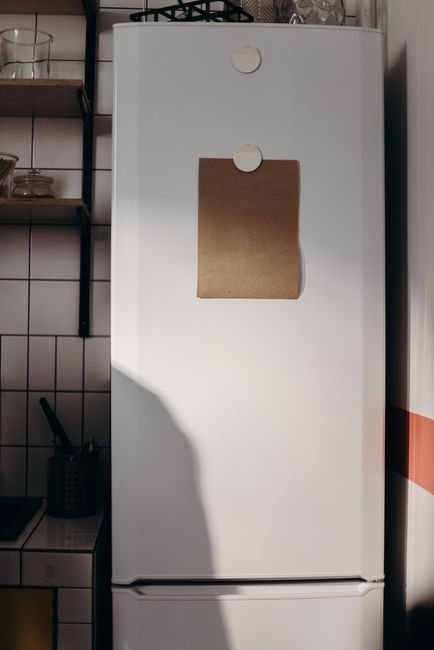
Double Door Refrigerator vs. Single Door: Which is Better?
The kitchen is the heart of the home, and the refrigerator is its unwavering beat. Choosing the right refrigerator is a significant decision, impacting not only your daily convenience but also your energy consumption and storage needs. Two of the most prevalent configurations are the single-door and double-door refrigerator. While both serve the fundamental purpose of preserving food, their design, functionality, and suitability for different households vary considerably. Understanding these distinctions is crucial for making an informed purchase that aligns with your lifestyle and budget.
Understanding the Basics: Single Door Refrigerators
The single-door refrigerator, often referred to as a direct cool or frost-free model (though direct cool models are more common in smaller, budget-friendly units), is characterized by a single door that opens to reveal both the refrigerator and freezer compartments. In direct cool models, the freezer compartment is typically a small section at the top, often without a separate door, and prone to ice build-up. Frost-free single-door refrigerators, while less common, offer a more advanced cooling system that prevents ice accumulation.
Key Characteristics of Single Door Refrigerators:
- Space Efficiency: Their compact design makes them ideal for smaller kitchens, studio apartments, or as secondary refrigerators for beverages or overflow storage.
- Affordability: Generally, single-door refrigerators are the most budget-friendly option available.
- Simplicity: Their straightforward design means fewer moving parts and potentially easier maintenance.
- Lower Capacity: They offer limited storage space, making them less suitable for larger families or those who frequently grocery shop in bulk.
- Direct Cool vs. Frost-Free: Direct cool models require manual defrosting, a tedious but sometimes necessary task. Frost-free models automate this process, offering greater convenience.
- Energy Consumption: Smaller units tend to be more energy-efficient, especially if they are direct cool models. However, older or less efficient models can still consume a significant amount of electricity.
Who is a Single Door Refrigerator Best For?
- Individuals and Couples: The limited capacity is perfectly adequate for one or two people.
- Students: Their compact size and affordability make them a popular choice for dorm rooms or shared student housing.
- Small Apartments/Kitchens: When space is at a premium, a single-door refrigerator is a practical solution.
- Secondary Refrigeration: As a dedicated beverage cooler or for storing items that don’t fit in the main refrigerator.
- Budget-Conscious Buyers: If cost is a primary concern, a single-door refrigerator is the most accessible option.
Understanding the Evolution: Double Door Refrigerators
The double-door refrigerator represents a significant step up in functionality and capacity. The defining feature is the separation of the refrigerator and freezer compartments into distinct sections, each with its own door. This design offers numerous advantages in terms of organization, accessibility, and food preservation.
Key Characteristics of Double Door Refrigerators:
- Separate Freezer and Refrigerator Compartments: This is the most significant advantage. It allows for better temperature control in each section and prevents the transfer of odors between fresh food and frozen items.
- Higher Capacity: Double-door refrigerators come in a wider range of sizes, catering to families and individuals with larger storage needs.
- Improved Organization: The separate compartments, often with dedicated shelves and drawers, facilitate better organization of both fresh and frozen foods.
- Frost-Free Technology: Almost all double-door refrigerators utilize frost-free technology, eliminating the need for manual defrosting and ensuring consistent cooling.
- Advanced Features: Many double-door models come equipped with advanced features such as adjustable shelves, humidity-controlled crispers, interior LED lighting, water dispensers, ice makers, and digital temperature controls.
- Energy Efficiency (Modern Models): While generally consuming more power than smaller single-door units due to their size and features, modern double-door refrigerators with energy-efficient ratings (like Energy Star) can still be quite economical to run.
- Higher Initial Cost: Double-door refrigerators are generally more expensive than single-door models.
Types of Double Door Refrigerators:
Within the double-door category, there are further configurations to consider:
- Top Freezer: The most traditional design, with the freezer located above the refrigerator. This is often the most affordable double-door option.
- Bottom Freezer: The freezer is located below the refrigerator. This design offers easier access to frequently used refrigerated items.
- Side-by-Side: The refrigerator and freezer are positioned vertically next to each other. This offers convenient access to both compartments but can sometimes have narrower shelves.
- French Door: Features two doors for the refrigerator compartment that open outwards from the center, with a pull-out freezer drawer below. This offers the widest refrigerator opening and excellent accessibility.
Who is a Double Door Refrigerator Best For?
- Families: The larger capacity and improved organization are essential for storing food for multiple people.
- Home Cooks and Entertainers: Ample space for fresh ingredients, prepped meals, and frozen items for entertaining.
- Bulk Shoppers: The ability to store larger quantities of frozen goods and fresh produce is a significant benefit.
- Those Seeking Convenience: Frost-free operation, advanced features, and better organization contribute to a more convenient kitchen experience.
- Individuals or Couples with Higher Storage Needs: Even for smaller households, if you enjoy cooking, entertain frequently, or simply prefer to buy in bulk, a double-door model might be a better fit.
Direct Comparison: Key Differentiating Factors
Let’s delve deeper into the crucial differences that will guide your decision:
1. Capacity and Storage:
- Single Door: Limited capacity, typically ranging from 50 to 200 liters. Best suited for smaller households or specific storage needs.
- Double Door: Significantly higher capacity, starting from around 200 liters and going up to 600 liters or more. Offers ample space for families and bulk storage.
2. Freezer Functionality:
- Single Door: Freezer compartment is often small, integrated, and prone to ice build-up (direct cool). Defrosting is a manual and recurring task.
- Double Door: Dedicated, larger freezer compartment with frost-free technology. Significantly more convenient and efficient for long-term food preservation.
3. Organization and Accessibility:
- Single Door: Limited shelving and compartments make organization challenging, especially with a combined refrigerator-freezer.
- Double Door: Separate compartments, adjustable shelves, drawers, and specialized zones allow for superior organization and easy access to both fresh and frozen items.
4. Energy Efficiency:
- Single Door: Smaller, direct cool models can be very energy-efficient. However, older or frost-free single-door models might not be as efficient as their modern double-door counterparts.
- Double Door: Larger units inherently consume more power. However, modern double-door refrigerators with high energy efficiency ratings (e.g., 4-star or 5-star) can be surprisingly economical to run, especially when compared to older or less efficient single-door models. The advanced cooling systems in frost-free double-door units can also contribute to more consistent and efficient temperature maintenance.
5. Cost:
- Single Door: The most budget-friendly option, with prices starting from under $200.
- Double Door: A significant investment, with prices starting from around $400 and extending well over $1000, depending on size, brand, and features.
6. Features and Technology:
- Single Door: Basic functionality, with minimal advanced features.
- Double Door: Often equipped with a plethora of features like digital temperature controls, quick freeze/cool functions, humidity-controlled crispers, interior lighting, water dispensers, and ice makers, enhancing convenience and food preservation.
7. Maintenance:
- Single Door (Direct Cool): Requires regular manual defrosting, which can be time-consuming and messy.
- Double Door (Frost-Free): Virtually maintenance-free in terms of defrosting. Occasional cleaning of shelves and seals is generally all that’s needed.
Making the Right Choice: Factors to Consider
When deciding between a double-door and single-door refrigerator, ask yourself these critical questions:
- Household Size: How many people will be using the refrigerator? A single person might be fine with a single door, while a family of four will undoubtedly need the capacity of a double door.
- Shopping Habits: Do you buy groceries daily or do you prefer to stock up weekly or monthly? Bulk shoppers will benefit from the larger storage of a double door.
- Dietary Habits and Cooking Style: Do you cook frequently, prepare meals in advance, or entertain often? These activities necessitate more storage space for fresh ingredients and prepped items.
- Available Space: Measure your kitchen carefully. A compact single-door refrigerator might be the only option for a very small kitchen, while larger double-door models require more floor space and clearance.
- Budget: Determine your spending limit. Single-door refrigerators are significantly cheaper upfront, but consider long-term energy costs.
- Desired Features: Are you looking for basic cooling, or do you want advanced features like an ice maker, water dispenser, or precise temperature control?
- Maintenance Tolerance: Are you willing to