
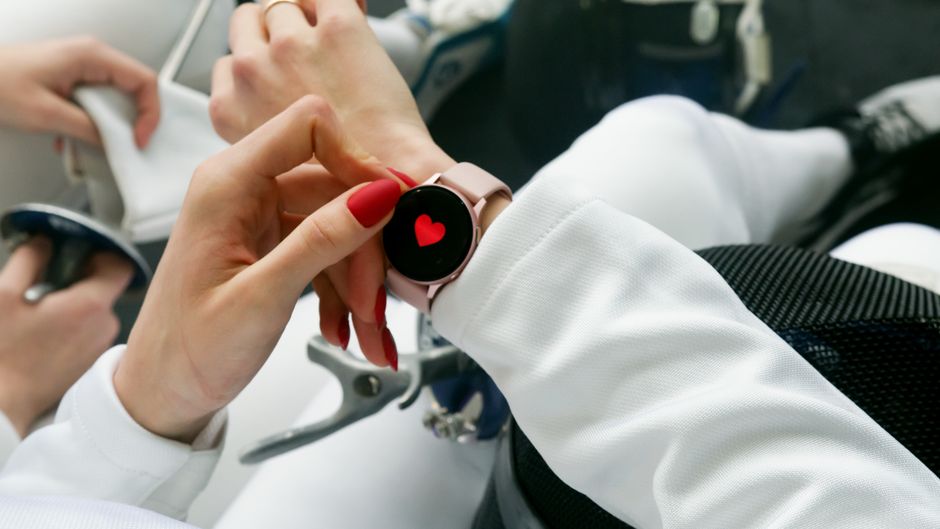
Navigating the Digital Pulse: Choosing the Right Smartwatch for Heart Conditions
For individuals managing heart conditions, a smartwatch can be more than a mere accessory; it can be a vital tool for monitoring, early detection, and proactive health management. With an ever-expanding market, selecting the right device demands careful consideration of features specifically beneficial for cardiac health. This guide delves into the top smartwatch picks, focusing on their cardiovascular capabilities, user-friendliness, and overall value for those prioritizing heart well-being.
Key Cardiovascular Features to Prioritize:
When choosing a smartwatch for heart conditions, certain functionalities stand out as paramount.
- ECG (Electrocardiogram) Sensor: This is arguably the most critical feature. An ECG sensor can detect signs of atrial fibrillation (AFib), a common heart rhythm disorder, by measuring the electrical activity of the heart. These readings can be shared with a physician, providing valuable diagnostic information.
- Heart Rate Monitoring (HRM): Consistent and accurate heart rate tracking is fundamental. Look for devices that offer continuous HRM, including resting heart rate, during exercise, and even alerts for unusually high or low heart rates.
- Blood Oxygen Saturation (SpO2) Monitoring: While not solely a cardiac metric, SpO2 levels can indicate how well your body is delivering oxygen. Fluctuations can sometimes be linked to underlying cardiac or respiratory issues.
- Irregular Rhythm Notifications: Beyond a full ECG, many smartwatches offer algorithms that can detect potential irregular heart rhythms and prompt the user to take an ECG reading.
- Fall Detection: For individuals at higher risk of falls due to their condition, this feature can automatically alert emergency contacts or services.
- Activity Tracking and Workout Modes: Understanding how your heart responds to physical activity is crucial. Comprehensive activity tracking, including various workout modes, helps monitor exertion levels and recovery.
- Sleep Tracking: Poor sleep can exacerbate heart conditions. Advanced sleep tracking, including sleep stages and duration, can offer insights into overall health and identify potential issues.
- Stress Management Tools: Chronic stress negatively impacts heart health. Features like guided breathing exercises and stress level monitoring can be beneficial.
- Companion App and Data Export: The accompanying app should be intuitive, display data clearly, and ideally allow for easy export of health metrics for sharing with healthcare providers.
- Battery Life: Consistent monitoring requires a device that can last through the day and night without frequent charging.
Top Smartwatch Picks for Heart Conditions:
1. Apple Watch Series 9 (and older Series with ECG capabilities):
The Apple Watch has consistently led the pack in health tracking, and its ECG capabilities are a significant advantage for cardiac monitoring.
- ECG App: The built-in ECG app allows users to take on-demand readings, detecting signs of AFib. The results can be exported as a PDF for physician review.
- Heart Rate Alerts: The Apple Watch can notify users of high, low, or irregular heart rates, providing timely warnings.
- Blood Oxygen Sensor: Measures blood oxygen saturation, offering another layer of health insight.
- Fall Detection: A robust fall detection feature can automatically contact emergency services if a hard fall is detected.
- Activity Tracking: Comprehensive activity tracking, including detailed workout metrics and calorie burn, helps users understand their exertion levels.
- Sleep Tracking: Provides detailed sleep stage analysis, duration, and quality.
- Irregular Rhythm Notifications: Proactively monitors for signs of AFib even when not actively taking an ECG.
- User Interface and Ecosystem: The watchOS ecosystem is renowned for its user-friendliness and seamless integration with the iPhone, making data management straightforward.
- Battery Life: While not the absolute best, it generally lasts a full day with moderate use.
- Considerations: Primarily compatible with iPhones.
2. Samsung Galaxy Watch 6 (and older models with ECG capabilities):
Samsung’s flagship smartwatch offers a compelling alternative, especially for Android users, with robust health tracking features.
- ECG App: Similar to the Apple Watch, the Galaxy Watch 6 features an ECG app for AFib detection, with data export options.
- Heart Rate Monitor: Provides continuous heart rate monitoring with alerts for abnormal readings.
- Blood Oxygen Monitoring: Tracks SpO2 levels, contributing to a holistic view of cardiovascular health.
- Irregular Heart Rhythm Notifications: Alerts users to potential irregular heartbeats.
- Fall Detection: Includes a fall detection feature for enhanced safety.
- Body Composition Analysis: A unique feature that measures body fat percentage, skeletal muscle, and body water, which can indirectly relate to cardiovascular health.
- Sleep Tracking: Offers advanced sleep tracking, including sleep scores and stages.
- Workout Tracking: Extensive support for various sports and activities.
- User Interface and Ecosystem: The Wear OS powered by Samsung offers a fluid experience for Android users, integrating well with Samsung Health.
- Battery Life: Generally offers good battery life, often lasting over a day.
- Considerations: Best experienced with an Android smartphone.
3. Fitbit Sense 2:
The Fitbit Sense 2 is specifically designed with holistic health in mind, making it a strong contender for individuals managing heart conditions.
- ECG App: The Sense 2 includes an ECG app to assess heart rhythm for signs of AFib.
- Electrodermal Activity (EDA) Sensor: This unique sensor measures your body’s tiny electrical changes from sweat, which can indicate your body’s response to stress. Managing stress is crucial for heart health.
- Continuous Heart Rate Tracking: Provides 24/7 heart rate monitoring with alerts for high, low, and irregular rhythms.
- Blood Oxygen (SpO2) Monitoring: Tracks blood oxygen levels overnight.
- Advanced Sleep Tracking: Offers detailed insights into sleep stages, duration, and quality, along with a nightly Sleep Profile.
- Stress Management Score: Combines heart rate, sleep, and activity data to provide a daily stress score and guided mindfulness sessions.
- Activity and Workout Tracking: Comprehensive tracking for various activities.
- User Interface and App: The Fitbit app is known for its user-friendly interface and wealth of health insights.
- Battery Life: Typically offers multi-day battery life, reducing charging frequency.
- Considerations: While it has ECG, the integration with healthcare providers might be less direct than some other options.
4. Garmin Vivosmart 5:
For those seeking a more discreet and focused approach to health monitoring, the Garmin Vivosmart 5 offers essential cardiac features.
- Heart Rate Monitoring: Provides continuous wrist-based heart rate tracking with alerts for abnormal readings.
- Pulse Ox Sensor: Measures blood oxygen saturation levels, particularly useful during sleep.
- Body Battery™ Energy Monitoring: This feature uses heart rate variability, stress, sleep, and activity data to gauge your body’s energy reserves. Understanding your energy levels can help manage exertion.
- Advanced Sleep Tracking: Offers insights into sleep stages, duration, and quality.
- Stress Tracking: Monitors stress levels and offers relaxation reminders.
- Activity Tracking: Robust activity tracking for various sports and daily movements.
- User Interface and App: Garmin Connect is a powerful platform for analyzing health data.
- Battery Life: Excellent battery life, often lasting up to a week.
- Considerations: Does not feature an ECG sensor, which is a significant omission for direct AFib detection. Its strength lies in broader wellness monitoring.
5. Amazfit Balance:
The Amazfit Balance offers a comprehensive suite of health tracking features at a competitive price point, making advanced monitoring more accessible.
- BioTracker™ PPG Sensor: Provides 24/7 heart rate monitoring and alerts for abnormal heart rates.
- SpO2 Monitoring: Tracks blood oxygen saturation levels.
- PAI™ Health Assessment System: Converts your physiological data into a single, intuitive score that represents your physical activity level.
- Stress Monitoring: Tracks stress levels and offers guided breathing exercises.
- Sleep Quality Monitoring: Analyzes sleep stages, duration, and provides a sleep score.
- Activity and Sports Modes: Supports a wide range of sports and activities.
- User Interface and App: Zepp OS is user-friendly, and the Zepp app provides detailed health reports.
- Battery Life: Known for its impressive multi-day battery life.
- Considerations: Does not offer an ECG function. Its strength lies in comprehensive wellness monitoring and affordability.
Making the Informed Decision:
When selecting a smartwatch for heart conditions, it’s crucial to consult with your healthcare provider. They can offer personalized recommendations based on your specific health needs and the capabilities of each device.
- Prioritize ECG: If AFib detection is a primary concern, prioritize devices with a certified ECG sensor.
- Understand Data Interpretation: Be aware that smartwatch data is not a substitute for professional medical diagnosis. It’s a tool to inform conversations with your doctor.
- Comfort and Wearability: You’ll be wearing this device constantly, so comfort, strap material, and overall design are important.
- Budget: Smartwatches range significantly in price. Determine your budget and find a device that offers the best value for your health priorities.
- Ecosystem Compatibility: Ensure the smartwatch integrates seamlessly with your existing smartphone ecosystem (iOS or Android).
By carefully considering these top