
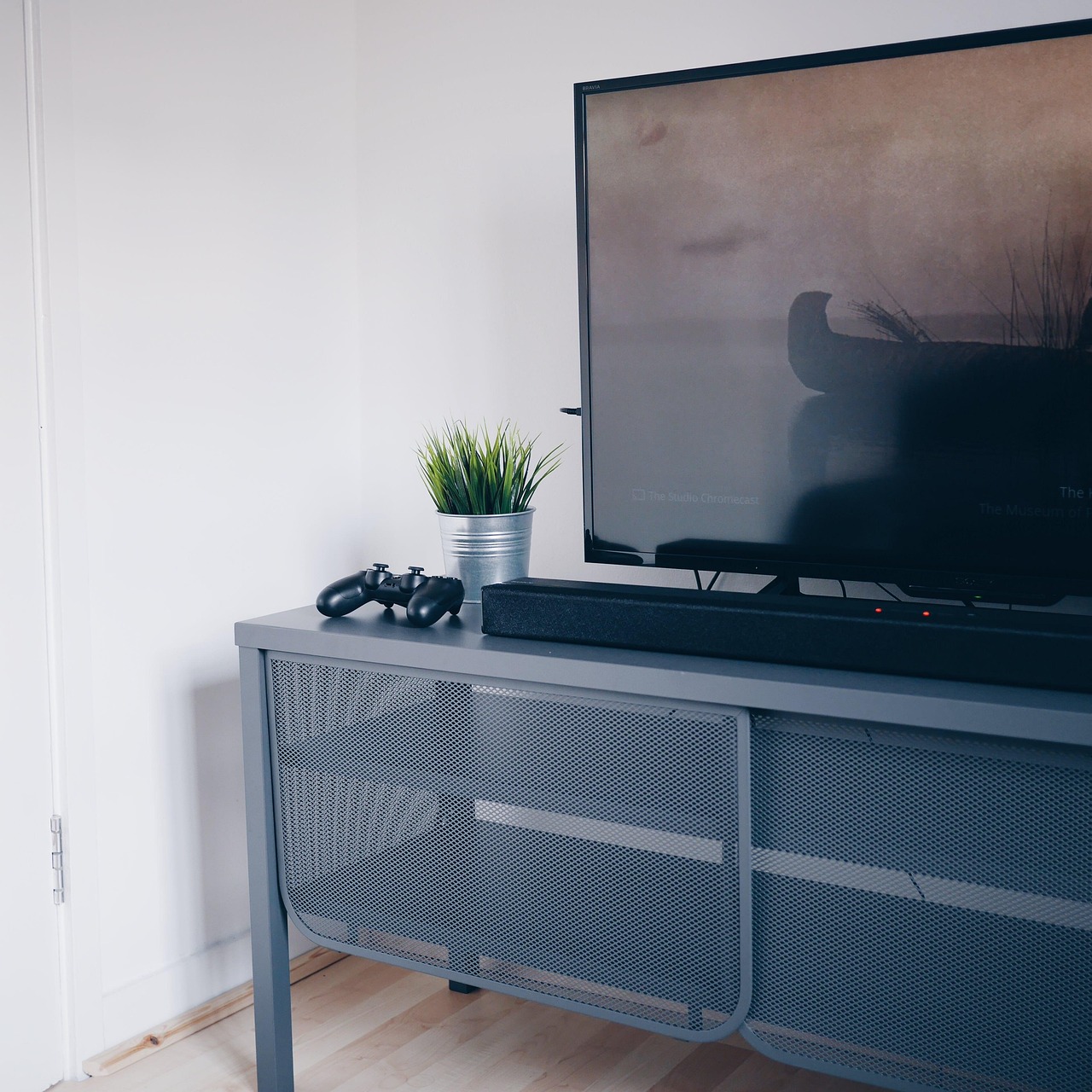
Brighten Your Home: Unveiling the Best LED TV Features
The modern living room is increasingly defined by the centerpiece of entertainment: the LED TV. Gone are the days of bulky cathode-ray tubes; today’s LED televisions offer unparalleled visual fidelity, immersive experiences, and a wealth of features designed to elevate your home viewing. Choosing the right LED TV can feel overwhelming with the sheer volume of options and technical jargon. This guide delves into the most impactful LED TV features, empowering you to make an informed decision and truly brighten your home with stunning visuals.
Resolution: The Foundation of Clarity
The most fundamental feature dictating picture sharpness is resolution. LED TVs primarily come in three main resolutions:
-
Full HD (1920 x 1080 pixels): This was the standard for years and still offers a perfectly acceptable viewing experience for smaller screen sizes (under 40 inches) or for those on a tighter budget. However, compared to higher resolutions, individual pixels become more noticeable on larger screens, leading to a less crisp image.
-
4K Ultra HD (3840 x 2160 pixels): This is the current benchmark for most mid-range to high-end LED TVs. 4K offers four times the pixel count of Full HD, resulting in significantly sharper, more detailed images. Text is more legible, fine textures are discernible, and the overall viewing experience is dramatically more immersive, especially on larger screen sizes (50 inches and above). For the best visual impact, ensure your content is also in 4K.
-
8K Ultra HD (7680 x 4320 pixels): Representing the pinnacle of current consumer display technology, 8K boasts sixteen times the pixel count of Full HD. While content availability is still limited, 8K TVs offer an astonishing level of detail and realism, especially noticeable on very large screens (75 inches and above). Upscaling technology plays a crucial role here, intelligently enhancing lower-resolution content to appear sharper on the 8K panel.
High Dynamic Range (HDR): Unlocking True Contrast and Color
HDR is perhaps the most transformative feature for picture quality in recent years. It significantly expands the range of brightness and color a TV can display, leading to a more lifelike and impactful image. Key HDR formats to look for include:
-
HDR10: The most common and widely adopted HDR standard. It’s an open standard, meaning it doesn’t require licensing fees, making it prevalent across most HDR-capable TVs and content. HDR10 utilizes static metadata, meaning the brightness and color information is fixed for the entire program.
-
Dolby Vision: A premium HDR format that offers superior picture quality. Dolby Vision uses dynamic metadata, allowing for scene-by-scene or even frame-by-frame adjustments to brightness and color. This results in more precise contrast, richer colors, and greater detail in both bright highlights and dark shadows. Many streaming services and Blu-ray discs support Dolby Vision, and it often requires a compatible TV.
-
HDR10+: An open-source alternative to Dolby Vision that also utilizes dynamic metadata. It aims to provide similar benefits in terms of scene-by-scene optimization, offering a competitive option for those seeking advanced HDR performance without proprietary licensing.
Contrast Ratio and Black Levels: The Depth of the Image
A TV’s ability to display deep blacks and bright whites is crucial for image depth and realism. This is determined by its contrast ratio.
-
Native Contrast Ratio: Refers to the difference between the brightest white and the darkest black a panel can produce on its own. Higher native contrast ratios lead to more vibrant images with better detail in dark scenes.
-
Dynamic Contrast Ratio: Achieved through backlighting techniques that adjust the brightness of different zones of the screen. While this can enhance perceived contrast, true native contrast is often preferred for the most accurate representation.
-
Local Dimming: A crucial feature for LED TVs, especially those with full-array backlighting. Local dimming allows the TV to independently control the brightness of specific zones of LEDs behind the screen. This enables deeper blacks by dimming or turning off LEDs in dark areas of the image, while simultaneously keeping bright areas illuminated. This significantly improves contrast and reduces the “halo effect” often seen around bright objects on dark backgrounds. Full-array local dimming (FALD) offers the most granular control and superior performance.
Refresh Rate and Motion Handling: Smoothness in Every Scene
For fast-paced action, sports, and video games, a high refresh rate is essential for smooth motion.
-
Refresh Rate (Hz): Indicates how many times per second the image on the screen is updated. Standard refresh rates are 60Hz and 120Hz. A 120Hz refresh rate offers noticeably smoother motion, reducing blur and judder, especially in fast-moving scenes.
-
Motion Interpolation: Many TVs employ motion interpolation technologies (often marketed with proprietary names like Motionflow, TruMotion, or Clear Motion) to artificially create intermediate frames between existing ones. This can further smooth out motion, but it can also introduce the “soap opera effect,” where content appears unnaturally fluid. The ability to adjust or disable these features is a plus.
Color Accuracy and Gamut: The Vibrancy of the Spectrum
The ability of an LED TV to accurately reproduce a wide range of colors is paramount for a true-to-life viewing experience.
-
Color Gamut: Refers to the range of colors a display can produce. Wide Color Gamut (WCG) technology allows TVs to display a much broader spectrum of colors than standard displays, leading to richer, more vibrant, and nuanced hues. Look for TVs that cover a significant percentage of the DCI-P3 color space, which is widely used in professional cinema.
-
Color Depth (Bits): Indicates the number of bits used to represent each color channel (red, green, blue). 10-bit color depth allows for over a billion shades of color, compared to the 16.7 million colors of 8-bit displays. This enables smoother color gradients and prevents banding in areas of subtle color transition.
Smart TV Platform and Connectivity: The Gateway to Content
Modern LED TVs are more than just displays; they are integrated entertainment hubs.
-
Operating System: The smart TV platform (e.g., Google TV, webOS, Tizen, Roku TV) dictates the user interface, app availability, and overall ease of use. Look for a platform that is intuitive, responsive, and offers access to your favorite streaming services.
-
App Store: A robust app store is crucial for accessing a wide variety of content, from popular streaming services like Netflix and Disney+ to niche apps and games.
-
Connectivity: Ensure the TV has ample HDMI ports, preferably supporting the latest HDMI 2.1 standard for high-bandwidth content like 4K at 120Hz and gaming features like Variable Refresh Rate (VRR) and Auto Low Latency Mode (ALLM). Wi-Fi and Ethernet connectivity for internet access are standard. Bluetooth allows for wireless audio streaming and peripheral connections.
Audio Quality: Completing the Immersion
While many LED TVs offer decent built-in audio, it’s often the weakest link in the home theater experience.
-
Built-in Speakers: Consider the wattage and speaker configuration. Some higher-end TVs offer more sophisticated sound systems, but for a truly immersive audio experience, a dedicated soundbar or home theater system is usually recommended.
-
Audio Technologies: Look for support for audio formats like Dolby Atmos, which can create a more three-dimensional soundscape when paired with compatible soundbars or speakers.
Gaming Features: For the Enthusiast
For gamers, specific features can significantly enhance their experience.
-
Low Input Lag: The time it takes for a signal to travel from your controller to the screen. Lower input lag is crucial for responsive gameplay.
-
Variable Refresh Rate (VRR): Synchronizes the TV’s refresh rate with the frame rate of your gaming console or PC, eliminating screen tearing and stuttering for smoother gameplay.
-
Auto Low Latency Mode (ALLM): Automatically switches the TV to its low-latency game mode when a game console is detected, ensuring optimal gaming performance without manual adjustments.
By understanding these key features, you can confidently navigate the world of LED TVs and select a model that will truly brighten your home with stunning visuals and an unparalleled entertainment experience.