The relentless hum of summer heat can transform a sanctuary into a sweltering ordeal. While air conditioners are the traditional champions of cool, their energy consumption and upfront costs often leave homeowners seeking more economical and eco-friendly alternatives. Enter the humble yet remarkably effective air cooler. Far from being a mere fan with a water tank, modern air coolers offer a sophisticated blend of evaporative cooling technology, smart features, and energy efficiency, making them a compelling choice for a comfortable home environment. This comprehensive guide delves deep into the world of home air coolers, equipping you with the knowledge to make an informed decision and transform your living space into a haven of cool.
The Science of Serenity: How Air Coolers Work
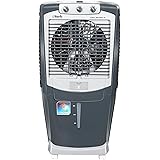
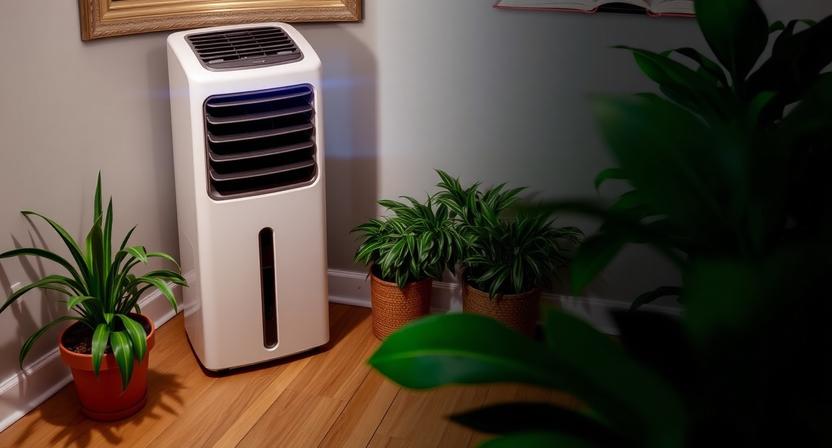
At its core, an air cooler operates on the principle of evaporative cooling, a natural process that has been utilized for centuries. The magic happens within the cooler’s cooling pads, typically made from a porous material like honeycomb cellulose or aspen wood fibers. These pads are constantly kept moist by a reservoir of water. As warm, dry air is drawn into the cooler by an internal fan, it passes through these saturated pads. The water within the pads then evaporates, absorbing heat from the air. This process cools the air significantly, and the now-chilled, humidified air is then propelled back into your room. Think of it like standing near a waterfall on a hot day – the evaporating water draws heat away, leaving you feeling refreshed.
Key Advantages: Why Choose an Air Cooler?
The appeal of air coolers lies in a multitude of benefits that resonate with the modern homeowner:
- Energy Efficiency: This is arguably the biggest draw. Air coolers consume a fraction of the electricity that air conditioners do, often comparable to a standard fan. This translates to substantial savings on your electricity bills, especially during prolonged hot spells.
- Environmental Friendliness: Their lower energy consumption directly contributes to a smaller carbon footprint. Furthermore, air coolers do not use refrigerants like Freon, which are harmful to the ozone layer.
- Natural Cooling: The evaporative cooling process adds a touch of humidity to the air, which can be beneficial in dry climates, alleviating symptoms like dry skin, irritated eyes, and scratchy throats. Unlike air conditioners that can over-dry the air, coolers provide a more natural and comfortable cooling sensation.
- Portability and Versatility: Most air coolers are designed with wheels, making them easy to move from room to room. This allows you to direct cool air precisely where you need it most, whether it’s your bedroom, living room, or home office.
- Lower Purchase Cost: Air coolers generally have a significantly lower upfront purchase price compared to air conditioners, making them a more accessible cooling solution for a wider range of budgets.
- No Complex Installation: Unlike air conditioners that require professional installation and often involve drilling holes for vents or window units, air coolers are plug-and-play devices. Simply fill the water tank, plug it in, and enjoy.
- Improved Air Quality: As air is drawn through the cooling pads, dust particles and other airborne allergens are trapped, leading to cleaner air circulation. Some models even feature additional filters for enhanced air purification.
Understanding the Types of Home Air Coolers
The air cooler market offers a variety of options to suit different needs and preferences. Understanding these distinctions will help you pinpoint the perfect model:
- Personal Air Coolers: These are compact, portable units designed for individual use. They are ideal for cooling small spaces like a desk, bedside table, or a small personal workspace. Their water tanks are typically smaller, requiring more frequent refills.
- Room Air Coolers: These are larger, more powerful units designed to cool entire rooms. They have larger water tanks and more robust fans to circulate air effectively across a broader area. These are the most common type for general home use.
- Desert Coolers: These are a specific sub-category of room coolers often found in drier climates. They are characterized by their larger fan sizes and more efficient cooling pads, designed to maximize evaporative cooling in arid conditions.
- Smart Air Coolers: The integration of technology has extended to air coolers. Smart models offer features like Wi-Fi connectivity, allowing you to control the cooler remotely via a smartphone app. You can adjust fan speeds, set timers, and even monitor water levels from anywhere. Some also integrate with voice assistants like Alexa or Google Assistant.
Essential Features to Consider When Buying
Navigating the sea of air cooler models can be daunting. Here are the crucial features to scrutinize to ensure you select a unit that meets your needs:
- Cooling Capacity (Coverage Area): This is paramount. Air coolers are rated by their ability to cool a specific square footage. Ensure the cooler’s capacity matches or slightly exceeds the size of the room you intend to cool. Overestimating is better than underestimating.
- Water Tank Capacity: A larger tank means longer operating times between refills. Consider how often you’re willing to refill the tank and choose accordingly. For overnight cooling, a larger capacity is essential.
- Fan Speed and Airflow (CFM): Look for models with multiple fan speed settings. Higher Cubic Feet per Minute (CFM) indicates more air circulation, leading to faster and more effective cooling. Adjustable airflow direction is also a desirable feature.
- Cooling Pad Material: Honeycomb cellulose pads are generally considered more efficient and durable than traditional aspen wood pads. They offer better water retention and evaporation.
- Water Level Indicator: This is a practical feature that lets you know when the water tank needs refilling, preventing the cooler from running dry and losing its cooling efficiency.
- Timer Function: A timer allows you to set the cooler to automatically switch off after a specified period, saving energy and ensuring you don’t wake up to a chilly room.
- Ice Compartment/Ice Packs: Some models have a dedicated compartment where you can add ice cubes or reusable ice packs. This significantly boosts the cooling power of the air by further chilling the water before evaporation.
- Oscillation Feature: An oscillating fan head helps to distribute cool air more evenly throughout the room, preventing stagnant pockets of warm air.
- Noise Level: Air coolers, like any fan-based appliance, produce noise. Check the decibel rating (dB) if noise is a concern, especially for bedroom use. Quieter models are often preferred for sleeping environments.
- Power Consumption: While generally energy-efficient, compare the wattage of different models to find the most economical option.
- Additional Features: Consider extras like remote controls, air purification filters (HEPA, activated carbon), insect repellent dispensers, or aromatherapy trays if these enhance your desired user experience.
Optimizing Your Air Cooler Experience: Tips for Maximum Comfort
To get the most out of your air cooler, consider these practical tips:
- Proper Ventilation is Key: Air coolers work by evaporation, which adds moisture to the air. For optimal cooling, it’s crucial to have some form of ventilation in the room. Leave a window or door slightly ajar to allow humid air to escape and fresh, drier air to enter. This prevents the room from becoming overly humid and maintains the cooler’s effectiveness.
- Placement Matters: Position your air cooler in a location where it can draw in warm air and expel cool air efficiently. Avoid placing it directly against walls or furniture that could obstruct airflow. Placing it near an open window can enhance its performance by drawing in cooler outside air.
- Regular Maintenance is Crucial: To ensure your air cooler operates at peak efficiency and hygiene, regular maintenance is essential.
- Water Tank Cleaning: Empty and clean the water tank regularly (at least once a week) to prevent the growth of mold, mildew, and bacteria. Use a mild detergent and water, and ensure the tank is thoroughly dried before refilling.
- Cooling Pad Cleaning/Replacement: Clean the cooling pads according to the manufacturer’s instructions. This may involve rinsing them with water or using a mild cleaning solution. Over time, cooling pads can become clogged with dust and mineral deposits, reducing their efficiency. Replace them as recommended by the manufacturer, typically every 1-3 years depending on usage and water quality.
- Filter Cleaning: If your cooler has air filters, clean or replace them regularly as per the manual.
- Use Ice for an Extra Boost: During extremely hot days, adding ice cubes or frozen ice packs to the water tank or designated ice compartment can significantly enhance the cooling effect.
- Consider Humidity Levels: Air coolers are most effective in dry climates. In very humid environments, their cooling capacity may be reduced, and they can contribute to an uncomfortable muggy feeling. If you live in a high-humidity region, an air conditioner might be a more suitable choice.
- Adjust Fan Speed: Start with a lower fan speed and gradually increase it as needed. This can help conserve energy and reduce noise levels.
- Use the Timer: Utilize the timer function to automatically switch off the cooler when you’re not in the room or when you’re sleeping, saving energy and preventing unnecessary operation.
The Future of Home Cooling: Innovations in Air Cooler Technology
The air cooler market is not static. Manufacturers are continuously innovating to enhance performance, user experience, and sustainability. Expect to see more advancements in:
- Advanced Cooling Pad Technologies: New materials and designs are being developed to improve water retention, evaporation rates, and overall cooling efficiency.
- Smart Connectivity and AI Integration: Enhanced app control, personalized cooling profiles, and even predictive cooling
Havai Elite Pro 90 Desert Air Cooler, 90L, 16-Inch Fan, 20 Ft Air Throw | Powerful 16-inch desert air cooler with 90 L tank, 3-side honeycomb pads, 20 ft air throw and 5 castor wheels
₹8,990.00 (as of September 14, 2026 20:07 GMT +05:30 - More infoProduct prices and availability are accurate as of the date/time indicated and are subject to change. Any price and availability information displayed on [relevant Amazon Site(s), as applicable] at the time of purchase will apply to the purchase of this product.)
Jumbo150L Desert Air Cooler for home | Densenest Honeycomb Pads | Fully Collapsible Louvers, Inverter Compatible | High Air Delivery | Multi Colour
₹19,990.00 (as of September 14, 2026 20:07 GMT +05:30 - More infoProduct prices and availability are accurate as of the date/time indicated and are subject to change. Any price and availability information displayed on [relevant Amazon Site(s), as applicable] at the time of purchase will apply to the purchase of this product.)
NEW VERSION BIG 20 Inch high SPEED HEAVY QUALITY OMS Mini Air for Room Cooling AC Artic with 7 LED Light, 1/2/3 HTimer, 3 Wind Speeds and 3 Spray Modes for Office,Home,Dorm,Travel,Multi purposes
₹795.00 (as of September 14, 2026 20:07 GMT +05:30 - More infoProduct prices and availability are accurate as of the date/time indicated and are subject to change. Any price and availability information displayed on [relevant Amazon Site(s), as applicable] at the time of purchase will apply to the purchase of this product.)
SUMMERCOOL Solitaire Tower Air Cooler with Wheel | Automatic Water inlet | Auto Swing | 30ft Air Throw | Inverter Compatible | Honey Comb | 12 inch Fan | Ideal for Living Room | 75Ltr tank
₹7,689.00 (as of September 14, 2026 20:07 GMT +05:30 - More infoProduct prices and availability are accurate as of the date/time indicated and are subject to change. Any price and availability information displayed on [relevant Amazon Site(s), as applicable] at the time of purchase will apply to the purchase of this product.)
Portable Mini Air Cooler Fan, USB Powered, with Mist Humidifier, LED Light, 3 Speed Settings(multicolor)
Now retrieving the price.
(as of September 14, 2026 20:07 GMT +05:30 - More infoProduct prices and availability are accurate as of the date/time indicated and are subject to change. Any price and availability information displayed on [relevant Amazon Site(s), as applicable] at the time of purchase will apply to the purchase of this product.)
KUHL Exzel H1 BLDC Desert Cooler with Mist Humidifier, Silver
₹6,999.00 (as of September 14, 2026 20:07 GMT +05:30 - More infoProduct prices and availability are accurate as of the date/time indicated and are subject to change. Any price and availability information displayed on [relevant Amazon Site(s), as applicable] at the time of purchase will apply to the purchase of this product.)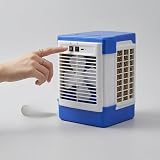
Drumstone Portable Blue Desert Air Cooler for Home & Office, High Airflow Cooling Fan with Water Tank, Energy Efficient Personal Cooler, Adjustable Speed, Compact Cooling
₹1,959.00 (as of September 14, 2026 20:07 GMT +05:30 - More infoProduct prices and availability are accurate as of the date/time indicated and are subject to change. Any price and availability information displayed on [relevant Amazon Site(s), as applicable] at the time of purchase will apply to the purchase of this product.)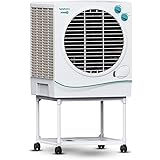
Symphony Jumbo 51 Desert Air Cooler For Home with Aspen Pads, Powerful Fan, Cool Flow Dispenser and Free Trolley (51L, White)
₹9,192.00 (as of September 14, 2026 20:07 GMT +05:30 - More infoProduct prices and availability are accurate as of the date/time indicated and are subject to change. Any price and availability information displayed on [relevant Amazon Site(s), as applicable] at the time of purchase will apply to the purchase of this product.)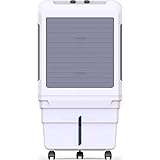
Bajaj DMH 85X 85L Desert Air Cooler | High Air Delivery with Turbo Fan Technology | 3-Side Honeycomb Cooling & 4-Way Swing | Inverter Compatible | 1 Year Warranty【White】
₹8,899.00 (as of September 14, 2026 20:07 GMT +05:30 - More infoProduct prices and availability are accurate as of the date/time indicated and are subject to change. Any price and availability information displayed on [relevant Amazon Site(s), as applicable] at the time of purchase will apply to the purchase of this product.)
Master Cool 95XL+ Desert Air Cooler, White, ABS, Honeycomb Cooling, 4 Speed, 95L Tank
₹13,499.00 (as of September 14, 2026 20:07 GMT +05:30 - More infoProduct prices and availability are accurate as of the date/time indicated and are subject to change. Any price and availability information displayed on [relevant Amazon Site(s), as applicable] at the time of purchase will apply to the purchase of this product.)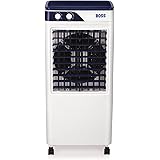
BOSS BreezePro 36L Personal Air Cooler For Room|Honeycomb Cooling Pads|High-Speed | Powerful Air Throw|3-Speed Control|Portable Cooler-Home|2 Year Product Warranty
Now retrieving the price.
(as of September 14, 2026 20:07 GMT +05:30 - More infoProduct prices and availability are accurate as of the date/time indicated and are subject to change. Any price and availability information displayed on [relevant Amazon Site(s), as applicable] at the time of purchase will apply to the purchase of this product.)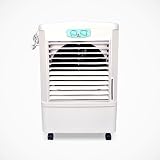
CELLO Breezer 45 Litres Heavy Duty Vertical Commercial Air Cooler | High-Density Honeycomb Cooling Pads, Auto-Fill Water Technology, Powerful Air Flow | Long Life Air Cooler For Restaurants & Office
₹8,161.00 (as of September 14, 2026 20:07 GMT +05:30 - More infoProduct prices and availability are accurate as of the date/time indicated and are subject to change. Any price and availability information displayed on [relevant Amazon Site(s), as applicable] at the time of purchase will apply to the purchase of this product.)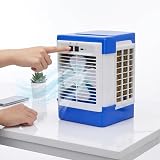
Cospex (3 YEAR WARRANTY) Portable Desert Air Cooler for Home & Office with High Air Delivery, Powerful Cooling Performance, Honeycomb Cooling Pads, Multi Speed Control & Large Water Tank
₹2,139.00 (as of September 14, 2026 20:07 GMT +05:30 - More infoProduct prices and availability are accurate as of the date/time indicated and are subject to change. Any price and availability information displayed on [relevant Amazon Site(s), as applicable] at the time of purchase will apply to the purchase of this product.)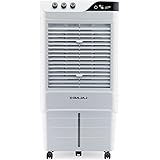
Bajaj DMH 90 Neo 90L Desert Air Cooler for Home|For Larger Room|Anti-Bacterial Honeycomb Cooling Pad|High-Speed|Ice Chamber|90Ft Air Throw|3-Speed Control|3 Year Comprehensive Product Warranty|White
₹9,899.00 (as of September 14, 2026 20:07 GMT +05:30 - More infoProduct prices and availability are accurate as of the date/time indicated and are subject to change. Any price and availability information displayed on [relevant Amazon Site(s), as applicable] at the time of purchase will apply to the purchase of this product.)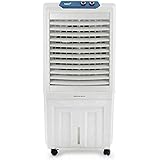
Livpure KoolBliss Neo Desert Cooler 90L |471 Sq. Ft. Area Coverage| 43Ft. Poweful Air Throw|Inverter Compatible|3 Speed Control|Axial Fan Technology| 2 Yrs Motor Warranty & 1 Yr Comprehensive (White)
₹9,499.00 (as of September 14, 2026 20:07 GMT +05:30 - More infoProduct prices and availability are accurate as of the date/time indicated and are subject to change. Any price and availability information displayed on [relevant Amazon Site(s), as applicable] at the time of purchase will apply to the purchase of this product.)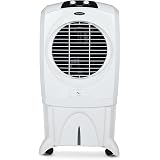
Symphony Mastercool 70 XL+ Desert Air Cooler with Honeycomb Cooling, 70L Tank, 150W, 34 Sq mt coverage Area.
₹12,549.00 (as of September 14, 2026 20:07 GMT +05:30 - More infoProduct prices and availability are accurate as of the date/time indicated and are subject to change. Any price and availability information displayed on [relevant Amazon Site(s), as applicable] at the time of purchase will apply to the purchase of this product.)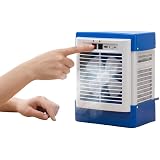
Drumstone (𝐒𝐩𝐞𝐜𝐢𝐚𝐥 𝟏𝟓 𝐘𝐞𝐚𝐫𝐬 𝐖𝐚𝐫𝐫𝐚𝐧𝐭𝐲) Desert Air Cooler for Home with Large Water Tank, Portable High Airflow Cooling Fan, Powerful Air Throw, Energy Efficient Air Cooler.
₹1,849.00 (as of September 14, 2026 20:07 GMT +05:30 - More infoProduct prices and availability are accurate as of the date/time indicated and are subject to change. Any price and availability information displayed on [relevant Amazon Site(s), as applicable] at the time of purchase will apply to the purchase of this product.)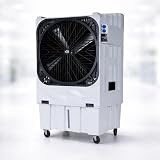
200 Desert Air Cooler Commercial 3000 Sqft | 13000 m³/h Airflow | 30 Inch Fan | 100mm Honeycomb Pads | 500W High Performance Cooler for Large Rooms, Halls, Warehouses & Outdoor Use (White)
Now retrieving the price.
(as of September 14, 2026 20:07 GMT +05:30 - More infoProduct prices and availability are accurate as of the date/time indicated and are subject to change. Any price and availability information displayed on [relevant Amazon Site(s), as applicable] at the time of purchase will apply to the purchase of this product.)
Drumstone (3 YEAR WARRANTY) Desert Air Cooler for Home & Office with High Air Delivery, Large Water Tank, Powerful Cooling Fan, Portable Room Cooler with Multi Direction Air Flow & Durable Body
₹2,139.00 (as of September 14, 2026 20:07 GMT +05:30 - More infoProduct prices and availability are accurate as of the date/time indicated and are subject to change. Any price and availability information displayed on [relevant Amazon Site(s), as applicable] at the time of purchase will apply to the purchase of this product.)