
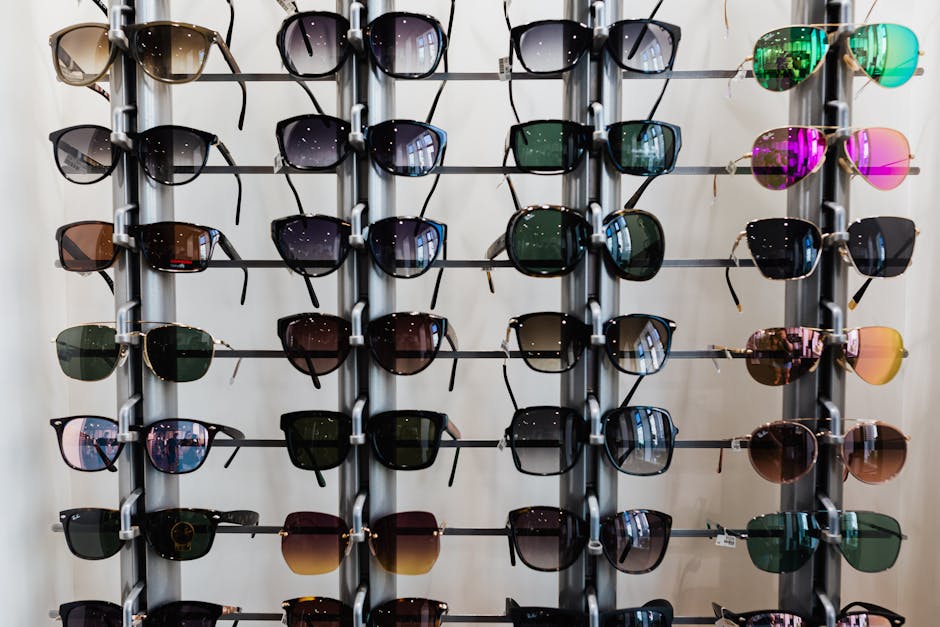
Beyond Fashion: Sunglass Styles for Sports and Outdoor Activities
Sunglasses are no longer just a chic accessory; they are essential gear for anyone embracing an active lifestyle. When venturing outdoors for sports or recreational pursuits, the right pair of sunglasses transcends mere aesthetics, offering crucial protection, enhanced performance, and unparalleled comfort. This detailed exploration delves into the specialized sunglass styles designed to meet the unique demands of various sports and outdoor activities, ensuring you’re equipped for every adventure.
The Foundation: Essential Features for Active Eyewear
Before dissecting specific styles, understanding the core functionalities of performance eyewear is paramount.
- Impact Resistance: Sports sunglasses must withstand accidental impacts from flying debris, errant balls, or unexpected tumbles. Materials like polycarbonate and Trivex are industry standards, offering superior shatter resistance without compromising clarity. Look for ANSI Z87.1 certification as a benchmark for impact protection.
- UV Protection: Prolonged exposure to ultraviolet (UV) radiation, both UVA and UVB, can cause significant damage to the eyes, leading to conditions like cataracts and macular degeneration. All reputable sports sunglasses should offer 100% UV protection.
- Lens Technology: Beyond basic UV blocking, advanced lens technologies elevate performance.
- Polarization: Reduces glare from reflective surfaces like water, snow, and roads, improving visual clarity and reducing eye strain. Essential for water sports, fishing, driving, and cycling.
- Photochromic Lenses: Automatically adjust their tint based on UV light intensity, transitioning from clear indoors to dark outdoors. Ideal for activities with variable light conditions, such as hiking or trail running.
- Hydrophobic and Oleophobic Coatings: Repel water, sweat, and oils, ensuring a clear field of vision. Crucial for water sports, running, and any activity where sweat is a factor.
- Anti-Scratch Coatings: Protect lenses from minor abrasions, extending their lifespan and maintaining optical clarity.
- Frame Design and Fit: A secure and comfortable fit is non-negotiable.
- Grips: Rubberized or silicone accents on the nose pads and temples prevent slippage, even when wet or during intense movement.
- Ventilation: Strategically placed vents in the frame or lenses help reduce fogging, a common issue in humid conditions or during high-exertion activities.
- Lightweight Materials: Frames made from materials like Grilamid TR-90 or nylon reduce pressure points and enhance comfort during extended wear.
- Wrap-Around Design: Offers a wider field of vision and superior protection from peripheral light and debris.
Sunglass Styles Tailored for Specific Sports and Activities
The demands of a cyclist differ vastly from those of a golfer or a hiker. Understanding these nuances allows for informed choices.
1. Running and Trail Running:
Runners need lightweight, secure, and fog-resistant eyewear that offers excellent peripheral vision.
- Key Features: Secure fit with rubberized nose pads and temple tips, ventilation to combat fogging, wrap-around design for wide peripheral vision, and impact-resistant lenses.
- Lens Recommendations:
- Clear or Light Tint (Yellow, Orange, Rose): Enhances contrast and definition in low-light conditions or on overcast days, ideal for trail running where shadows are prevalent.
- Gray or Brown Tint: Provides good all-around clarity and color neutrality for sunny conditions.
- Photochromic: Excellent for trails with changing light as you move through shaded areas and open paths.
- Frame Styles: Often feature a sporty, streamlined design with flexible temples that grip securely. Some models incorporate adjustable nose pads for a personalized fit.
2. Cycling (Road and Mountain Biking):
Cyclists require eyewear that protects against wind, debris, and sun while offering an unobstructed view of the road or trail.
- Key Features: Superior wind protection, wide field of vision, secure fit that stays put during vibrations and turns, and easily interchangeable lenses for varying light conditions.
- Lens Recommendations:
- Clear: For nighttime riding or extremely low light.
- Yellow or Orange: Boosts contrast and visibility in overcast or hazy conditions.
- Red or Rose: Cuts through glare and enhances detail on sunny days, particularly on green terrain.
- Polarized Brown or Gray: Excellent for road cycling to reduce glare from the tarmac.
- Photochromic: A versatile choice for unpredictable weather.
- Frame Styles: Typically feature a more aggressive wrap-around design with larger lenses for maximum coverage. Some models have interchangeable lens systems for quick adaptation. Vents are often integrated into the top of the frame to manage airflow.
3. Water Sports (Surfing, Kayaking, Fishing, Boating):
Water enthusiasts need eyewear that floats, repels water, and offers excellent glare reduction.
- Key Features: Floating capability (some models), polarization to cut water glare, hydrophobic coatings to repel water and sweat, secure fit to prevent loss, and impact resistance.
- Lens Recommendations:
- Polarized Blue or Green Tint: Ideal for water sports as they cut glare reflecting off the water’s surface and enhance contrast.
- Polarized Gray: Offers good color neutrality while reducing glare.
- Mirror Coatings: Can further reduce the amount of light entering the eyes, beneficial for bright, sunny days on the water.
- Frame Styles: Often feature a more robust, slightly larger frame with integrated rubber grips. Some are designed with a leash attachment point for added security.
4. Skiing and Snowboarding:
While often associated with goggles, sunglasses are a viable option for milder conditions or for athletes who prefer them. They need to offer excellent UV protection, impact resistance, and fog management.
- Key Features: High UV protection, impact resistance, excellent peripheral vision, secure fit, and often a vented frame to reduce fogging.
- Lens Recommendations:
- Brown, Rose, or Yellow Tints: Enhance contrast and definition against snow, which can appear flat and featureless. They help distinguish contours and prevent disorientation.
- Amber: Another excellent choice for contrast enhancement in variable snow conditions.
- Photochromic: Useful for changing light on the slopes.
- Frame Styles: Typically feature a wrap-around design that fits snugly against the face to prevent snow and wind ingress. Some styles may have a foam lining for added comfort and insulation.
5. Golf:
Golfers require lenses that enhance contrast and allow them to track the ball against the sky and green with precision.
- Key Features: Enhanced contrast, color neutrality, comfortable fit for extended wear, and glare reduction.
- Lens Recommendations:
- G Green or Brown Tints: Specifically designed to enhance the green of the golf course and improve contrast, making the ball stand out against the turf and sky.
- Gray Tints: Offer good color neutrality for general wear.
- Polarized Lenses: Can be beneficial to reduce glare from sun reflecting off the course.
- Frame Styles: Often feature a more classic or semi-rimless design, prioritizing comfort and a wide field of vision without being overly aggressive.
6. Climbing and Mountaineering:
Climbers face intense sun, wind, and potential debris at high altitudes. They need robust protection and excellent peripheral vision.
- Key Features: Maximum UV protection, excellent peripheral vision, secure fit that won’t shift during strenuous movements, and durable, impact-resistant frames.
- Lens Recommendations:
- Gray or Brown Tints: Provide good all-around protection and color neutrality.
- Amber: Can be useful for enhancing contrast in varied lighting conditions.
- Photochromic: Adaptable to changing light as you ascend or descend.
- Side Shields: Many mountaineering-specific sunglasses feature removable side shields to block out stray light and wind.
- Frame Styles: Often feature a wrap-around design with a secure fit and sometimes include a cord to prevent them from falling.
7. General Outdoor Activities (Hiking, Camping, Walking):
For less specialized activities, versatility and comfort are key.
- Key Features: Good UV protection, comfortable fit for extended wear, decent peripheral vision, and a durable frame.
- Lens Recommendations:
- Gray or Brown Tints: Versatile for most sunny conditions.
- Polarized Lenses: Beneficial for reducing glare from various surfaces encountered outdoors.
- Photochromic Lenses: A convenient option for unpredictable weather.
- Frame Styles: A wide range of styles can work, from sporty wraps to more casual designs, as long as they offer adequate protection and a comfortable fit.
Choosing the Right Lens Color for Your Activity:
Lens color significantly impacts visual perception and performance.
- Gray: Reduces brightness without distorting colors. Good for general use and sunny conditions.
- Brown/Amber: Enhances contrast and depth perception. Excellent for golf, cycling, and driving.
- Yellow: Boosts contrast in low-light conditions. Ideal for cloudy days, fog, and early morning/late evening activities.
- Rose/Red: Enhances contrast and definition, particularly against green backgrounds. Good for cycling, skiing, and hunting.
- Green: Offers good contrast and color