
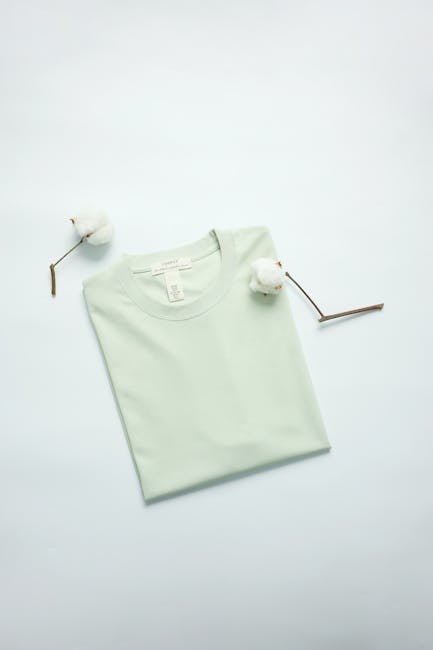
Beat the Heat: The Ultimate Guide to Breathable Cotton T-Shirts
The relentless embrace of summer heat demands a wardrobe that prioritizes comfort and cooling. Among the most versatile and enduring staples, the humble cotton t-shirt reigns supreme. However, not all cotton tees are created equal when it comes to battling the mercury. This comprehensive guide delves into the world of breathable cotton t-shirts, empowering you to make informed choices and stay cool, comfortable, and stylish all season long.
Understanding Cotton’s Breathability: The Science Behind the Cool
At its core, cotton’s exceptional breathability stems from its natural fiber structure. Cotton fibers are composed of hollow, tubular cells that, when woven into fabric, create microscopic air pockets. These pockets facilitate air circulation, allowing heat and moisture to escape from your body. This natural wicking property is crucial for regulating body temperature. When you sweat, the cotton fibers absorb the moisture and, thanks to the air pockets, allow it to evaporate, taking heat with it. This evaporative cooling effect is the key to staying comfortable in sweltering conditions.
Beyond the Basic Tee: Decoding Cotton Types for Optimal Breathability
While all cotton offers some level of breathability, specific types and weaves dramatically enhance this characteristic. Understanding these nuances is vital for selecting the ultimate heat-beating t-shirt.
-
100% Cotton: The Unadulterated Champion: For pure, unadulterated breathability, 100% cotton is the undisputed king. This ensures you’re getting the full benefit of cotton’s natural properties without any synthetic additives that might hinder airflow.
-
Pima Cotton and Supima Cotton: The Luxury of Long Staple Fibers: These premium cotton varieties are distinguished by their exceptionally long staple fibers. This means fewer fiber ends protrude from the yarn, resulting in a smoother, softer fabric that is also more durable and less prone to pilling. Crucially, the longer fibers create a more uniform and tightly woven fabric, which paradoxically enhances breathability by allowing for more consistent air passage. The smooth surface also means less friction against the skin, further contributing to comfort.
-
Egyptian Cotton: A Historical Standard of Excellence: Similar to Pima and Supima, Egyptian cotton boasts long staple fibers known for their strength, softness, and breathability. Its historical reputation for quality speaks volumes about its performance in warm weather.
-
Organic Cotton: A Breathable and Responsible Choice: Organic cotton is grown without synthetic pesticides or fertilizers, making it a more environmentally friendly option. From a breathability standpoint, the absence of harsh chemical treatments often results in a purer, more natural fiber that retains its inherent air-trapping qualities. Furthermore, organic cotton farming practices can sometimes lead to stronger, healthier plants, potentially yielding higher quality fibers.
-
The Weave Matters: Jersey, Rib Knit, and Interlock: The way cotton is woven significantly impacts its breathability and feel.
-
Single Jersey: This is the most common knit for t-shirts. It’s lightweight, has a slight stretch, and drapes well. Its open knit structure allows for good airflow, making it a solid choice for everyday wear in the heat. Look for a lighter weight jersey for maximum coolness.
-
Rib Knit: Characterized by its vertical ribbed texture, rib knit cotton is typically more elastic and form-fitting than jersey. While it can be slightly denser, the raised ribs create channels that can still facilitate air circulation. It’s often used for collars and cuffs but can also be found in entire t-shirts, offering a snug yet breathable option.
-
Interlock Knit: This double-knit construction creates a smooth, double-sided fabric that is thicker and more stable than single jersey. While it offers excellent durability and a refined finish, it can be less breathable than lighter jersey knits. However, high-quality interlock with a fine gauge can still offer good comfort.
-
Beyond the Fiber: Factors Influencing Breathability
While the type of cotton and weave are paramount, other factors contribute to a t-shirt’s ability to keep you cool.
-
Weight (GSM): Fabric weight, often measured in grams per square meter (GSM), is a crucial indicator. Lighter weight t-shirts (typically below 150 GSM) will naturally be more breathable than heavier ones. For intense heat, opt for t-shirts in the 120-140 GSM range.
-
Color: Lighter colors absorb less solar radiation than darker colors. This means a white or light-colored cotton t-shirt will reflect more heat away from your body, keeping you cooler than a black or navy counterpart, even if the fabric composition is identical.
-
Fit: A loose, relaxed fit allows for maximum air circulation around your body. Tight-fitting t-shirts, regardless of material, can trap heat and moisture, leading to discomfort. Opt for styles that skim your body rather than cling to it.
-
Dyeing Process: While less impactful than fiber type or weave, some dyeing processes can affect the fabric’s porosity. Natural dyes or low-impact dyeing methods are generally considered less likely to interfere with cotton’s natural breathability compared to harsh chemical dyes.
Styling Your Breathable Cotton T-Shirts for Maximum Coolness
The versatility of the cotton t-shirt extends beyond its cooling properties. Here’s how to integrate them stylishly into your summer wardrobe:
-
The Classic Casual: Pair a light-colored, relaxed-fit 100% cotton jersey tee with chino shorts or linen trousers for an effortlessly cool and comfortable look.
-
Layering for Sun Protection: A breathable cotton t-shirt can serve as an excellent base layer under a lightweight linen shirt or open-weave cardigan. This provides sun protection without sacrificing airflow.
-
Elevated Everyday: Tuck a well-fitting Pima cotton t-shirt into a pair of tailored shorts or a skirt, adding a stylish belt and minimalist jewelry for a more polished appearance that still prioritizes comfort.
-
Active Pursuits: For light activities like walking or gardening, a moisture-wicking, lightweight cotton t-shirt is ideal. Consider options with a slightly looser fit to maximize ventilation.
-
Beach Bound: A simple white or pastel cotton tee is perfect for throwing over swimwear. Its quick-drying nature makes it ideal for beach days.
Caring for Your Breathable Cotton T-Shirts
To ensure your breathable cotton t-shirts remain at their peak performance, proper care is essential.
-
Washing: Wash in cool or lukewarm water using a mild detergent. Hot water can damage cotton fibers and cause shrinkage. Avoid fabric softeners, as they can coat the fibers and reduce their ability to wick moisture.
-
Drying: Air drying is the best method for preserving the integrity and breathability of cotton t-shirts. Hang them on a line or drying rack, away from direct sunlight, which can fade colors and weaken fibers. If you must use a dryer, opt for a low-heat setting and remove the shirts while slightly damp to prevent over-drying.
-
Ironing: If ironing is necessary, use a medium heat setting. Ironing while the fabric is slightly damp can make the process easier and prevent scorching.
The Verdict: Invest in Breathable Cotton
In the quest for summer comfort, breathable cotton t-shirts are not just a wardrobe staple; they are an investment in your well-being. By understanding the nuances of cotton types, weaves, and other influential factors, you can confidently select t-shirts that will keep you cool, dry, and stylish throughout the hottest months. Embrace the natural superiority of cotton and beat the heat with ease.