
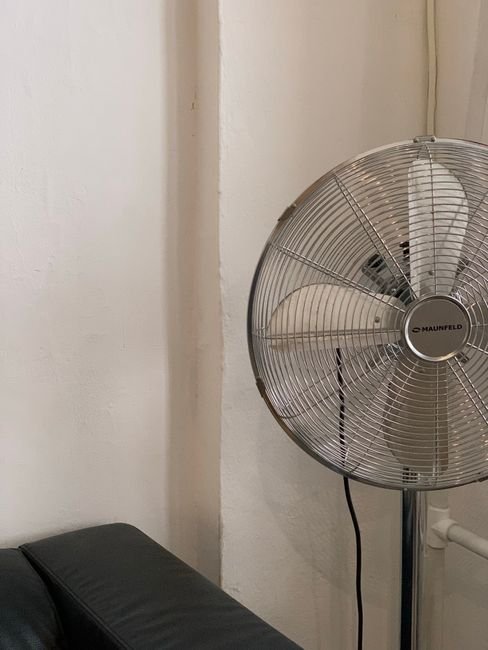
Are Fans Effective for Allergies? The Truth Revealed
The persistent tickle in your throat, the constant sniffles, the maddening itch – allergy season can feel like an unwelcome guest that overstays its welcome. For many, seeking relief involves a multi-pronged approach, and in the quest for cleaner air, electric fans often enter the discussion. But do these common household appliances truly offer a solution to allergy sufferers, or are they merely perpetuating the problem? This in-depth exploration delves into the science, the benefits, and the potential drawbacks of using fans for allergy relief, revealing the nuanced truth.
The primary allure of fans in an allergy context lies in their ability to circulate air. This circulation can, in theory, create a constant flow that prevents allergens like pollen, dust mites, pet dander, and mold spores from settling in one place. By keeping airborne particles in motion, the hope is that they will be either dispersed to less critical areas or, more optimistically, drawn towards filtration systems.
The Indirect Benefits: Creating a Healthier Environment
While fans themselves don’t possess inherent allergen-filtering capabilities, their role in creating a more conducive environment for allergy management is undeniable.
- Improved Air Circulation: In a closed room, stagnant air can become a breeding ground for allergens. Fans, by introducing movement, disrupt this stillness. This is particularly beneficial in smaller spaces where allergens can quickly concentrate. Imagine a dusty room; a fan can prevent dust from accumulating on surfaces by keeping it suspended, making it easier to clean.
- Enhanced Ventilation: When used strategically, fans can aid in ventilation. Opening a window and placing a fan to draw fresh air in or push stale air out can significantly reduce the concentration of indoor allergens. This is especially effective for flushing out pollen that may have infiltrated the home during peak seasons.
- Complementing Air Purifiers: Perhaps the most significant way fans can be effective for allergies is by working in tandem with air purifiers. An air purifier is designed to capture airborne particles. However, without adequate air circulation, the purifier might only be effectively cleaning the air in its immediate vicinity. A fan can strategically direct the air towards the purifier, ensuring a more comprehensive cleaning of the room. By creating a gentle current, the fan encourages the movement of allergens from across the room towards the air purifier’s intake.
- Reducing Humidity: High humidity levels can exacerbate allergies by promoting the growth of mold and dust mites. While fans don’t dehumidify in the same way an air conditioner or dedicated dehumidifier does, the constant airflow they provide can help to dry out surfaces and reduce overall moisture, making the environment less hospitable to these common allergens. This is particularly relevant in bathrooms and kitchens.
- Personal Cooling: While not a direct allergy treatment, the comfort provided by a fan can be a significant indirect benefit for allergy sufferers. When experiencing allergic reactions, the body can become overheated due to inflammation and the effort of breathing. A fan’s cooling breeze can provide much-needed relief and a sense of comfort, making the experience of allergies more bearable.
The Potential Pitfalls: When Fans Can Worsen Symptoms
The effectiveness of fans for allergies is not a universal guarantee. In certain circumstances, and with improper usage, fans can inadvertently worsen allergy symptoms.
- Simply Redistributing Allergens: The most common concern is that fans, especially those without filters, merely stir up existing allergens. Instead of removing them, they can simply re-suspend dust, pollen, and dander into the air, increasing the likelihood of inhalation. If a fan is blowing directly onto a dusty surface, it will inevitably kick up that dust.
- Spreading Mold Spores: In damp environments, fans can inadvertently spread mold spores throughout the air. If mold is present, the airflow from a fan can carry these microscopic particles to new areas, potentially leading to further growth and a wider distribution of allergens.
- Drying Out Nasal Passages: While some find the airflow drying, others can experience dryness in their nasal passages and throat. This dryness can make these delicate tissues more susceptible to irritation from allergens, potentially leading to increased congestion and discomfort.
- Lack of Filtration: Standard household fans are not designed with HEPA filters, the gold standard for capturing microscopic allergens. Their primary function is air movement, not purification. Therefore, they cannot trap and remove allergens from the air.
Maximizing Fan Effectiveness for Allergy Sufferers
To harness the potential benefits of fans while mitigating their drawbacks, a strategic approach is crucial.
- Strategic Placement: Position fans to facilitate airflow towards windows for ventilation or towards an air purifier. Avoid placing fans directly on dusty surfaces. If using a fan for cooling, aim it towards yourself rather than general room circulation if your primary concern is allergen dispersal.
- Regular Cleaning: This is paramount. A dusty fan is an allergen-spreading fan. Regularly clean fan blades, grilles, and motors with a damp cloth or vacuum cleaner attachments to remove accumulated dust and debris. This should be done frequently, especially during peak allergy seasons.
- Combine with Air Purifiers: This is where fans truly shine. Use fans to direct air into your air purifier. This synergy ensures that the air purifier can work more efficiently, capturing a greater volume of allergens.
- Use in Conjunction with Other Allergy Management Strategies: Fans should be considered a supplementary tool, not a standalone solution. Continue to implement other proven allergy management techniques such as regular vacuuming with a HEPA filter, dusting with damp cloths, washing bedding frequently in hot water, and controlling indoor humidity levels.
- Consider Fan Types: While most standard fans lack filtration, some specialized fans or fan attachments may incorporate basic filters. However, these are generally not as effective as dedicated HEPA air purifiers.
- Observe and Adjust: Pay attention to how your body reacts to fan usage. If you notice an increase in allergy symptoms, re-evaluate your fan placement and usage habits. It might be that your environment requires a more robust solution.
The Science Behind Airflow and Allergens
The effectiveness of any air movement strategy for allergens hinges on understanding how these particles behave in the air. Pollen, for instance, is relatively large and tends to settle quickly. Dust mites, on the other hand, are microscopic and their waste products, which are allergenic, can remain airborne. Pet dander is also very small and can stay suspended for extended periods.
Fans, by their nature, disrupt the settling process. When a fan is active, the air currents it generates can lift these particles off surfaces and keep them circulating. This is where the dichotomy arises: for those with sensitive respiratory systems, this increased airborne concentration can lead to immediate reactions. However, for those who can tolerate the temporary increase in airborne allergens, this circulation can be beneficial if it directs these particles towards a capture mechanism like an air purifier or out of the home via ventilation.
Research into the direct impact of fans on allergen reduction is limited and often points to their indirect benefits. Studies on air purifiers, however, consistently highlight the importance of air circulation for their effectiveness. A fan’s role in this scenario is to ensure that the air containing allergens reaches the purifier’s intake efficiently. Without this circulation, the air purifier would only be effective in a small radius.
Conclusion: A Tool, Not a Cure
In conclusion, electric fans are not a direct cure for allergies, nor are they a magic bullet. Their effectiveness is highly dependent on how they are used and in conjunction with what other strategies. When used passively to simply blow air around a room with no other interventions, they can indeed exacerbate allergy symptoms by redistributing allergens. However, when employed strategically as part of a comprehensive allergy management plan, particularly in conjunction with air purifiers and proper ventilation, fans can play a valuable supporting role. They can enhance the efficiency of air purification, aid in flushing out allergens, and contribute to a more comfortable living environment. The key lies in understanding their limitations and leveraging their strengths to create a cleaner, healthier space for allergy sufferers. Regular cleaning of the fan itself is non-negotiable, transforming it from a potential allergen spreader to a beneficial component of a well-rounded allergy control strategy.