
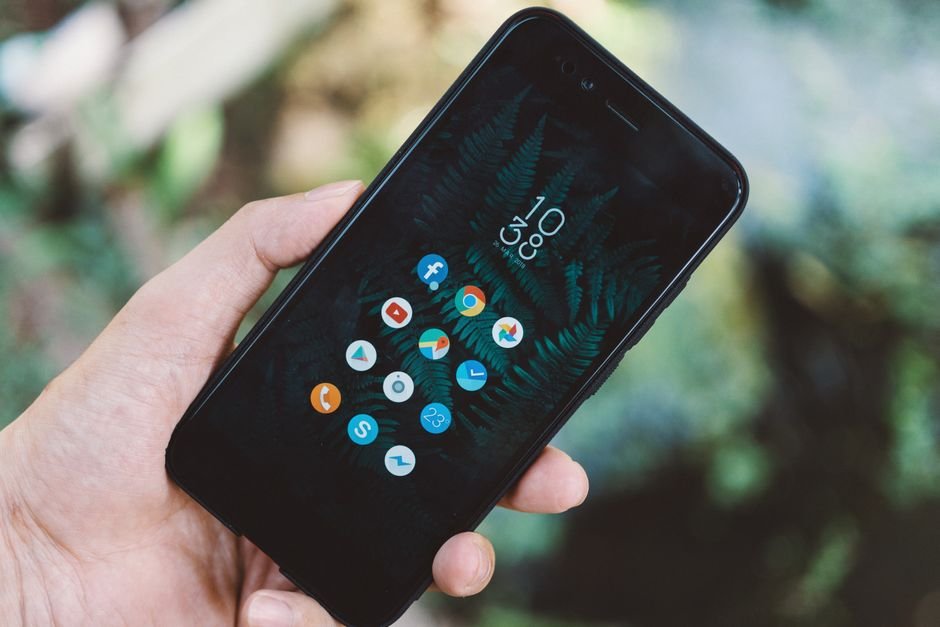
AMOLED Display Smartphones: The Ultimate Visual Experience
The smartphone display is our primary gateway to the digital world, and for a growing number of consumers, that gateway is illuminated by AMOLED technology. AMOLED (Active-Matrix Organic Light-Emitting Diode) displays have revolutionized the visual experience on mobile devices, offering a stunning combination of vibrant colors, deep blacks, exceptional contrast, and energy efficiency. This article delves deep into what makes AMOLED the ultimate visual experience, exploring its core technology, key advantages, and the impact it has on our daily interactions with our smartphones.
At its heart, AMOLED technology differs fundamentally from traditional LCD (Liquid Crystal Display) panels. While LCDs rely on a backlight that shines through liquid crystals to create an image, each pixel in an AMOLED display is an individual organic light-emitting diode. This means each pixel generates its own light and color. The “Active-Matrix” part refers to the thin-film transistor (TFT) that controls each individual pixel, allowing for faster refresh rates and more precise control. This pixel-by-pixel illumination is the secret sauce behind AMOLED’s superior visual prowess.
One of the most striking benefits of AMOLED is its unparalleled contrast ratio. Because each pixel can be individually turned off, AMOLED displays achieve true blacks. Unlike LCDs, where the backlight is always on, resulting in a grayish hue even when displaying black, AMOLED pixels emit no light when black is required. This results in an infinite contrast ratio, where the difference between the brightest white and the darkest black is immeasurable. This deep blackness makes images pop, colors appear richer, and text sharper, leading to a more immersive and lifelike viewing experience. Whether you’re scrolling through social media, watching a movie, or playing a game, the absence of a washed-out backlight makes a significant difference.
The vibrant and accurate color reproduction of AMOLED displays is another major draw. Organic LEDs are inherently capable of producing a wider color gamut than traditional LCDs. This means AMOLED screens can display a broader spectrum of colors, resulting in more saturated and lifelike hues. Reds are redder, blues are bluer, and greens are greener. This is particularly noticeable in high-resolution images and videos, where the subtle nuances of color are crucial for an authentic representation. For photographers, graphic designers, and anyone who appreciates visual fidelity, AMOLED displays offer a canvas that truly brings their content to life. Furthermore, many AMOLED panels are calibrated to meet industry standards like DCI-P3, ensuring professional-grade color accuracy for content creation and consumption.
Energy efficiency is a significant advantage that often goes overlooked by the average consumer but is crucial for smartphone battery life. Because AMOLED pixels only consume power when they are illuminated, displaying black consumes no energy at all. This makes AMOLED displays significantly more power-efficient than LCDs, especially when viewing content with a lot of dark elements. Features like “Always-On Display” (AOD), which allows a portion of the screen to remain active to show time, notifications, and other essential information without draining the battery excessively, are made possible by this inherent energy efficiency. This means users can enjoy the visual benefits of AMOLED without constantly worrying about their battery levels.
The faster response times of AMOLED pixels contribute to a smoother and more fluid visual experience. Since each pixel can be switched on and off almost instantaneously, motion blur is significantly reduced. This is particularly beneficial for fast-paced gaming and watching action-packed movies. When you’re rapidly swiping through menus or playing a game that requires quick reflexes, the lack of ghosting or trailing artifacts makes the interaction feel more responsive and natural. This translates to a more enjoyable and less fatiguing visual experience, especially during extended use.
Beyond the core technological advantages, AMOLED displays have enabled several innovative smartphone features. The sleek and slim designs of modern smartphones are partly due to AMOLED’s thinner panel construction compared to LCDs. Without the need for a separate backlight layer, manufacturers can create more compact and lightweight devices.
The ability of AMOLED to display true blacks also makes under-display fingerprint sensors possible. These sensors work by illuminating the area around the fingerprint with the display itself, allowing the sensor to capture the ridge detail. This seamless integration contributes to a cleaner and more modern aesthetic for smartphones.
Furthermore, the superior contrast and color capabilities of AMOLED are perfectly suited for HDR (High Dynamic Range) content. HDR videos and images offer a wider range of brightness and color detail, resulting in a more realistic and impactful visual experience. When paired with an AMOLED display, HDR content truly shines, revealing details in both the brightest highlights and the darkest shadows that would be lost on less capable displays.
The evolution of AMOLED technology has also seen the introduction of flexible and foldable displays. These innovative designs, made possible by the organic nature of the diodes, are pushing the boundaries of what a smartphone can be, offering larger screen real estate in a compact form factor. This flexibility opens up new possibilities for multitasking, media consumption, and gaming on the go.
While AMOLED technology has largely surpassed traditional LCDs in the premium smartphone segment, it’s important to acknowledge that not all AMOLED displays are created equal. Manufacturers employ various panel types, such as Super AMOLED, Dynamic AMOLED, and AMOLED Plus, each with subtle variations in brightness, color accuracy, and power efficiency. These advancements continue to push the envelope, offering even greater visual fidelity and performance.
The impact of AMOLED on the smartphone user experience is undeniable. It transforms mundane tasks into visually engaging experiences. Reading e-books feels more natural with crisp text against a deep black background. Browsing photos becomes a joy as colors are rendered with stunning accuracy. Immersive gaming is elevated with vibrant graphics and smooth motion. Even simple everyday interactions, like checking notifications or navigating maps, benefit from the clarity and richness that AMOLED provides.
In conclusion, AMOLED display smartphones represent the pinnacle of mobile visual technology. Their ability to produce true blacks, vibrant colors, and exceptional contrast, coupled with their energy efficiency and faster response times, creates an unparalleled viewing experience. As the technology continues to evolve, we can expect even more breathtaking visual innovations from our pocket-sized supercomputers. The ultimate visual experience is no longer a futuristic concept; it’s a reality found within the vibrant pixels of an AMOLED display.