
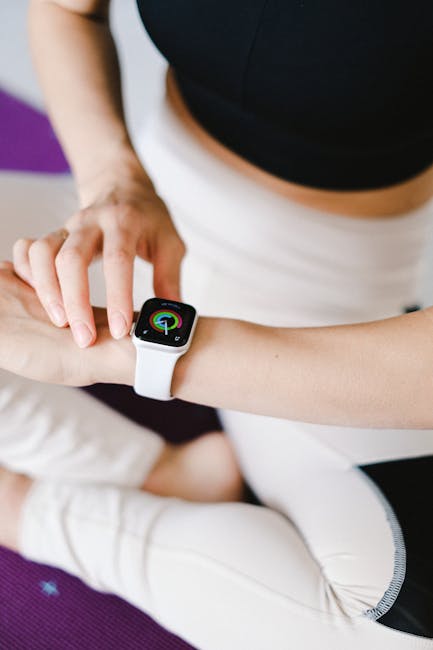
Smartwatch vs. Sports Watch: Decoding the Differences for Your Wrist
The wearable technology landscape is awash with devices, and at its forefront are smartwatches and sports watches. While both grace your wrist and offer a glimpse into the digital world or your physical prowess, their fundamental design philosophies and feature sets diverge significantly. Understanding these distinctions is paramount to making an informed purchase that aligns with your lifestyle and priorities.
At its core, a smartwatch is a miniature extension of your smartphone. Its primary objective is to provide seamless connectivity and access to a broad spectrum of digital functionalities. Think of it as a discreet notification hub, a portable control center, and a mini-computer on your wrist.
Key Characteristics of Smartwatches:
- Connectivity is King: Smartwatches excel in their ability to connect to your smartphone via Bluetooth. This enables them to mirror notifications for calls, texts, emails, social media updates, and app alerts. Many advanced models also offer standalone cellular connectivity (eSIM), allowing you to leave your phone behind for calls, texts, and data access.
- App Ecosystem: A defining feature of most smartwatches is their access to an app store. This allows users to download and install a vast array of applications, ranging from productivity tools like calendars and reminders to entertainment options like music players and even simple games.
- Versatile Functionality: Beyond notifications, smartwatches offer a rich tapestry of features. These often include contactless payments (NFC), voice assistants (like Siri, Google Assistant, or Alexa), built-in GPS for navigation, music storage and playback, and a comprehensive suite of health and fitness tracking capabilities.
- Design and Customization: Smartwatches typically boast a more sophisticated and stylish aesthetic, often incorporating premium materials like stainless steel, ceramic, and leather. They frequently feature vibrant, high-resolution touchscreens and offer extensive customization options for watch faces, allowing users to personalize their device to match their outfit or mood.
- Target Audience: Smartwatches appeal to a broad audience, including tech enthusiasts, busy professionals who need to stay connected on the go, and individuals who value convenience and a seamless integration of their digital and physical lives.
Conversely, a sports watch is purpose-built for athletes and fitness enthusiasts. Its primary focus is on delivering accurate and in-depth performance metrics, robust durability, and specialized features designed to enhance training and athletic performance.
Key Characteristics of Sports Watches:
- Performance Metrics Focus: Sports watches prioritize the collection and analysis of detailed physiological data. This includes advanced metrics like heart rate variability (HRV), VO2 max, running dynamics, recovery time, training load, and sleep stage analysis. These insights are crucial for athletes looking to optimize their training, prevent overtraining, and improve their performance.
- Durability and Ruggedness: Built to withstand the rigors of intense physical activity, sports watches are typically constructed with robust materials like reinforced plastic, titanium, and scratch-resistant glass (e.g., Gorilla Glass or sapphire crystal). They often boast higher water resistance ratings, making them suitable for swimming, diving, and other water sports.
- Specialized Sports Modes: Sports watches offer a wide array of pre-programmed sports profiles, catering to specific activities like running, cycling, swimming, hiking, skiing, and triathlons. Each profile is optimized to track relevant metrics for that particular sport.
- Long Battery Life: To endure long training sessions and multi-day events, sports watches generally offer significantly longer battery life compared to smartwatches. This is often achieved through more power-efficient displays and optimized software.
- GPS Accuracy and Navigation: While many smartwatches have GPS, sports watches often feature more advanced GPS systems with multi-band support for enhanced accuracy in challenging environments like dense forests or urban canyons. They may also include features like breadcrumb trails, route planning, and back-to-start navigation.
- Minimalist Interface (often): While some high-end sports watches incorporate touchscreens, many rely on physical buttons for navigation, which are easier to operate with sweaty hands or gloves. The user interface is typically geared towards quick access to performance data rather than extensive app interaction.
- Target Audience: Sports watches are designed for serious athletes, runners, cyclists, swimmers, hikers, triathletes, and anyone who demands precise data and reliable performance tracking for their chosen activities.
The Overlap and the Evolution:
It’s crucial to acknowledge that the lines between these two categories are increasingly blurred. Many modern smartwatches have incorporated impressive fitness tracking features, including advanced heart rate monitoring, GPS, and a growing number of sports modes. Similarly, some sports watches are now integrating more smartwatch-like functionalities, such as limited app notifications and contactless payments.
However, the core distinction remains in their primary design intent. A smartwatch is a general-purpose wearable with added health and fitness capabilities, while a sports watch is a specialized tool for athletic performance with some smart features.
Choosing the Right Device for You:
The decision between a smartwatch and a sports watch hinges on your individual needs and priorities:
-
For the Everyday Connector and Casual Fitness Enthusiast: If your priority is staying connected to your digital life, receiving notifications, managing your schedule, and engaging with a wider app ecosystem, while also benefiting from basic fitness tracking (steps, heart rate, sleep), a smartwatch is likely your best bet. Brands like Apple (Apple Watch), Samsung (Galaxy Watch), and Google (Pixel Watch) excel in this space.
-
For the Dedicated Athlete and Performance Optimizer: If your life revolves around training, you demand granular data to improve your performance, need rugged durability, and prioritize long battery life for extended activities, a sports watch is the superior choice. Brands like Garmin, Suunto, Polar, and Coros are industry leaders in this domain.
-
The Hybrid Approach: For those who want a bit of both worlds, there are devices that straddle the line. Some “hybrid” smartwatches offer a more classic watch design with a small digital display for notifications and fitness tracking. Conversely, higher-end sports watches are increasingly incorporating more sophisticated smartwatch features.
Key Differentiating Features to Consider:
When making your decision, delve into the specifics:
- App Support: Do you need access to a vast app store or are you content with pre-installed or limited app functionality?
- Connectivity: Do you require cellular connectivity for phone-free operation, or is Bluetooth connectivity to your smartphone sufficient?
- Health Metrics: Beyond basic steps and heart rate, do you need advanced metrics like HRV, VO2 max, or detailed sleep stage analysis?
- Durability and Water Resistance: What level of ruggedness and water resistance do your activities demand?
- Battery Life: How important is extended battery life for your typical usage patterns?
- GPS Accuracy and Navigation: How critical is precise GPS tracking and advanced navigation features for your adventures?
- Design and Aesthetics: Do you prefer a stylish, everyday wearable or a rugged, performance-oriented device?
- Budget: Both categories offer a wide range of price points, but specialized sports watches can sometimes command higher prices due to their advanced sensors and materials.
Ultimately, the best device for you is the one that seamlessly integrates into your lifestyle and empowers you to achieve your goals, whether they are staying connected, crushing your personal bests, or a harmonious blend of both. By understanding the fundamental differences between smartwatches and sports watches, you can confidently navigate the wearable market and find the perfect companion for your wrist.