
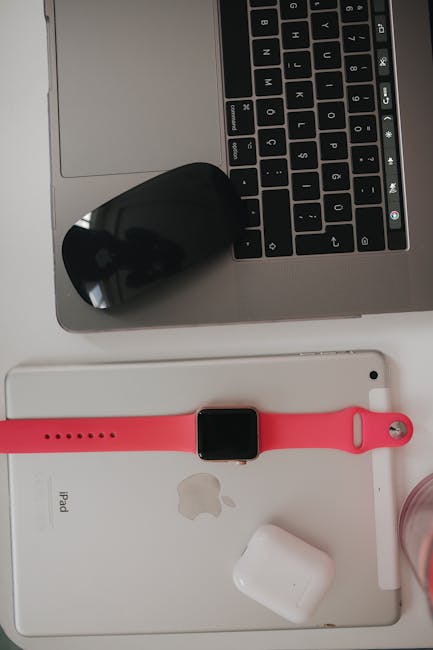
Apple Watch Original Price: What You Paid at Launch
The launch of the Apple Watch in April 2015 was a watershed moment, not just for Apple, but for the wearable technology industry. It wasn’t merely a new gadget; it was a statement, a carefully crafted piece of hardware designed to integrate seamlessly into the Apple ecosystem and redefine personal connectivity. Understanding the original pricing of the Apple Watch is crucial for appreciating its market positioning, its perceived value at the time, and how it paved the way for subsequent iterations. The initial pricing strategy was multifaceted, reflecting different materials, sizes, and functionalities, creating a tiered system that catered to a range of consumer budgets and desires.
The Three Tiers: Sport, Watch, and Edition
Apple strategically segmented the original Apple Watch into three distinct collections, each with its own price point and target audience. This approach allowed them to appeal to a broader spectrum of consumers, from the fitness enthusiast to the fashion-conscious individual.
Apple Watch Sport: The Accessible Entry Point
The Apple Watch Sport was positioned as the most affordable option, making the Apple Watch experience accessible to a wider audience. It featured an anodized aluminum case in silver, space gray, gold, or rose gold, paired with a durable fluoroelastomer band. The Sport model was designed for an active lifestyle, emphasizing its resilience and lightweight nature.
The original launch prices for the Apple Watch Sport were:
- 38mm case: $349
- 42mm case: $399
These prices were competitive within the nascent smartwatch market, offering a premium brand experience at a relatively accessible price point. The choice of size (38mm and 42mm) was an early indicator of Apple’s focus on personalization and catering to different wrist sizes and aesthetic preferences. The aluminum construction, while not as luxurious as stainless steel, was robust and aesthetically pleasing, making it a practical choice for everyday wear. The fluoroelastomer band, available in a variety of vibrant colors, further enhanced its sporty appeal and customization options.
Apple Watch (Stainless Steel): The Everyday Premium
The standard Apple Watch collection stepped up the material quality and design, targeting users who desired a more refined and classic timepiece. These models featured a polished stainless steel case, available in silver or space black, and came with a selection of interchangeable bands, including the Milanese Loop, Leather Loop, Modern Buckle, and Woven Nylon. The stainless steel case offered a more substantial feel and a higher perceived value.
The original launch prices for the standard Apple Watch varied depending on the case material and the chosen band:
- 38mm case with Sport Band: $549
- 42mm case with Sport Band: $599
- 38mm case with Milanese Loop: $649
- 42mm case with Milanese Loop: $699
- 38mm case with Leather Loop or Modern Buckle: $699
- 42mm case with Leather Loop: $749
- 38mm case with Link Bracelet: $949
- 42mm case with Link Bracelet: $999
This tiered pricing within the standard collection highlighted the significant cost difference associated with premium band materials. The Milanese Loop, with its intricate woven stainless steel mesh, and the Link Bracelet, a more traditional watch band construction, represented the highest price points for the stainless steel models. This strategy allowed users to customize their Apple Watch not just in terms of size, but also in terms of the level of luxury and material finish, further personalizing the ownership experience.
Apple Watch Edition: The Ultimate Luxury Statement
At the pinnacle of the original Apple Watch lineup sat the Apple Watch Edition. This collection was designed for the luxury market, utilizing precious metals and high-end finishes. The cases were crafted from 18-karat yellow or rose gold, and each Edition model came with a specially designed leather band or a sophisticated gold clasp. The Edition was not just a smartwatch; it was positioned as a piece of jewelry, a status symbol that leveraged Apple’s design prowess and brand cachet.
The original launch prices for the Apple Watch Edition were significantly higher, reflecting the use of precious metals:
- 38mm case with Modern Buckle (Rose Gold): $10,000
- 42mm case with Buckle (Yellow Gold): $17,000
These eye-watering prices underscored Apple’s ambition to compete in the ultra-luxury segment. The Edition models were sold in select Apple Stores and authorized retailers, often with a more curated retail experience. The choice of 18-karat gold, a material synonymous with high-end jewelry, immediately set these models apart. The varying price points within the Edition line likely reflected different band styles, clasp mechanisms, and the specific gold alloy used. This was Apple’s boldest move, aiming to disrupt the traditional luxury watch market by offering a technologically advanced and design-forward alternative.
Factors Influencing Original Pricing
Several key factors contributed to the original pricing structure of the Apple Watch:
- Materials and Craftsmanship: The most significant differentiator in price was the material used for the case. Aluminum for the Sport, stainless steel for the standard Watch, and 18-karat gold for the Edition represented escalating costs in raw materials and manufacturing processes. The finishing techniques, such as polishing and anodizing, also added to the cost.
- Band Options: As seen in the standard Watch collection, the type and material of the band played a crucial role in the final price. Premium materials like Milanese Loop and Link Bracelet commanded higher prices due to their complex manufacturing and luxurious feel.
- Target Market Segmentation: Apple’s strategy of offering three distinct tiers allowed them to capture different market segments. The Sport appealed to budget-conscious tech enthusiasts and athletes, the standard Watch catered to everyday users seeking a blend of functionality and style, and the Edition targeted the ultra-luxury consumer.
- Brand Premium: Apple has always commanded a premium for its brand and its perceived quality and innovation. The Apple Watch, as a first-generation product in a new category for the company, benefited from this brand equity.
- Research and Development Costs: Developing a completely new product category, especially one as complex as a smartwatch with advanced sensors and software integration, involves substantial research and development investment. These costs are inevitably factored into the final product pricing.
- Ecosystem Integration: The pricing also reflected the value of the Apple Watch as an integrated component of the Apple ecosystem. Its ability to seamlessly interact with the iPhone, receive notifications, and utilize Apple Pay contributed to its overall perceived value.
The original pricing of the Apple Watch was a masterclass in market segmentation and value proposition. By offering a tiered approach, Apple successfully catered to a diverse range of consumers, from those seeking an affordable entry into the smartwatch world to those desiring a luxurious wearable statement. The Sport models provided an accessible entry point, the standard Watch offered a premium everyday experience, and the Edition pushed the boundaries of luxury tech. This multifaceted pricing strategy not only defined the initial perception of the Apple Watch but also laid the groundwork for its future evolution and market dominance.