
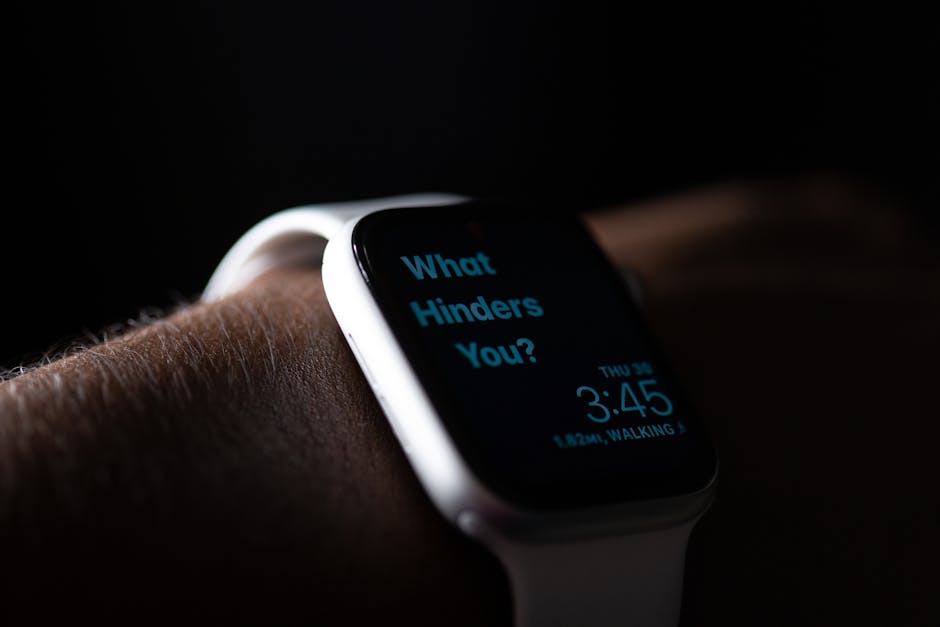
Fitness Band with Sleep Tracking: Your Guide to Better Rest
The pursuit of optimal health and well-being has become increasingly sophisticated, extending beyond mere physical activity to encompass the crucial, yet often overlooked, realm of sleep. For many, the modern lifestyle presents a constant battle against fatigue, stress, and disrupted sleep patterns. Enter the fitness band with sleep tracking – a wearable technology that has revolutionized our understanding and management of rest. Far more than a simple step counter, these devices offer a detailed, data-driven approach to improving sleep quality, empowering individuals to take control of their nightly recovery.
The core functionality of a fitness band with sleep tracking lies in its ability to monitor various physiological indicators throughout the night. Accelerometers, the same sensors that count your steps during the day, are adept at detecting movement. During sleep, significant movement can indicate restlessness or difficulty falling asleep. Conversely, periods of stillness often correspond to deeper, more restorative sleep stages. However, the sophistication extends beyond simple motion detection. Many advanced models incorporate optical heart rate sensors. These sensors, utilizing photoplethysmography (PPG), can detect subtle changes in blood volume beneath the skin, which correlate with your heart rate. Fluctuations in heart rate throughout the night provide further insights into your sleep cycles. For instance, a lower resting heart rate is generally associated with deeper sleep stages.
The true magic of these devices lies in their ability to translate raw physiological data into actionable insights about your sleep architecture. Sleep is not a monolithic state; it’s a complex, cyclical process divided into distinct stages. Fitness bands typically identify and differentiate between:
- Awake: Periods of wakefulness, which can occur during the night.
- Light Sleep: This is the initial stage of sleep, characterized by slower brain waves and muscle activity. It’s easy to be awakened from this stage and constitutes a significant portion of overall sleep.
- Deep Sleep (Slow-Wave Sleep): This is the most restorative stage, crucial for physical recovery, muscle repair, and growth hormone release. Brain waves are at their slowest during deep sleep, and it’s the hardest stage to be woken from.
- REM Sleep (Rapid Eye Movement): This stage is characterized by rapid eye movements, increased brain activity, and muscle paralysis. It’s during REM sleep that most vivid dreaming occurs and plays a vital role in cognitive functions like memory consolidation, learning, and emotional processing.
By continuously monitoring movement and heart rate, fitness bands can estimate the time spent in each of these stages. They then present this information in a user-friendly format, often through a companion mobile application. This visual representation allows users to see patterns in their sleep, identifying which stages they are getting enough of and where there might be room for improvement.
The benefits of utilizing a fitness band for sleep tracking are multifaceted. Firstly, increased awareness is paramount. Many individuals are unaware of the true quality or quantity of their sleep. A fitness band provides objective data, removing the guesswork. You might feel like you slept well, but the data might reveal otherwise, prompting you to investigate underlying causes. This awareness is the first step towards making meaningful changes.
Secondly, these devices facilitate identification of sleep disruptors. By correlating sleep data with daily activities, users can pinpoint factors that negatively impact their rest. Did a late-night caffeine intake coincide with a night of fragmented sleep? Did an intense workout close to bedtime lead to less deep sleep? The data can reveal these connections, allowing for informed adjustments to lifestyle choices. This personalized feedback loop is invaluable for optimizing sleep hygiene.
Thirdly, fitness bands can help establish and maintain consistent sleep schedules. The data provides a clear picture of how variations in bedtime and wake-up time affect sleep quality. By observing the impact of a consistent routine, users are motivated to adhere to it, which is a cornerstone of good sleep hygiene. Many bands also offer smart alarm features that aim to wake you during a lighter sleep stage, promoting a more refreshed feeling upon waking.
Furthermore, the tracking of sleep stages can provide insights into potential sleep disorders. While a fitness band is not a medical diagnostic tool, consistent patterns of very little deep or REM sleep, or frequent awakenings, could prompt a conversation with a healthcare professional. Early detection and intervention for conditions like sleep apnea or insomnia can significantly improve overall health.
Beyond the core tracking, many fitness bands offer additional features to enhance the sleep tracking experience. Sleep scores are a common metric, providing a single, digestible number that summarizes the overall quality of your night’s rest. These scores are often calculated based on factors like duration, time in deep and REM sleep, and restlessness. Sleep history allows for long-term trend analysis, enabling users to see how their sleep patterns evolve over weeks and months, and to assess the effectiveness of any changes they implement.
The companion apps often provide personalized recommendations based on your sleep data. These can range from suggesting an earlier bedtime to recommending relaxation techniques before sleep. Some apps even integrate with other health data, such as activity levels and heart rate variability, to offer a more holistic view of your well-being and its impact on sleep.
To maximize the benefits of your fitness band’s sleep tracking capabilities, consider these practical tips. Ensure accurate data collection by wearing the band snugly but comfortably throughout the night. A loose band can lead to inaccurate heart rate readings and movement detection. Charge your device sufficiently so it doesn’t die mid-sleep. Regularly review your sleep data to identify trends and patterns. Don’t just look at a single night; analyze your sleep over a week or longer. Experiment with lifestyle changes and observe how they impact your sleep metrics. This iterative process of observation and adjustment is key to improvement.
Understand the limitations. While advanced, fitness bands are still estimations. They cannot definitively diagnose sleep disorders. If you have persistent concerns about your sleep, consult a medical professional. Prioritize consistency. The most significant improvements in sleep quality often come from consistent habits, and your fitness band can be a powerful motivator in maintaining those habits.
The integration of fitness bands into our daily lives has ushered in a new era of proactive health management. By providing granular insights into our sleep, these devices empower us to move beyond simply surviving on insufficient rest to actively optimizing our nights for better days. The data is not just numbers; it’s a roadmap to a more energized, focused, and healthier you. Embracing the capabilities of a fitness band with sleep tracking is an investment in your most vital resource: restorative sleep.