
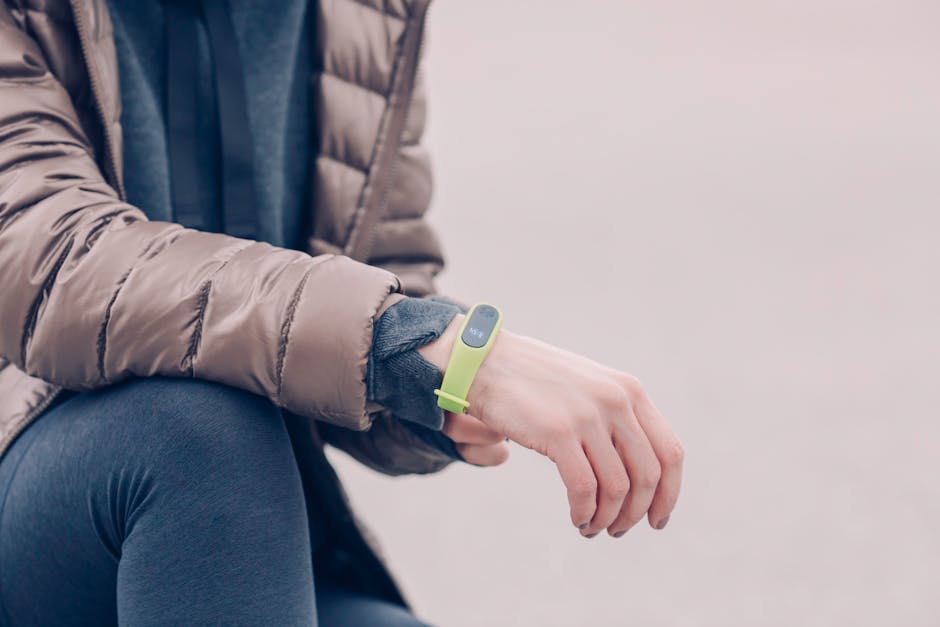
Fitness Trackers: Your Personal Revolution in Health and Wellness
The modern health journey is no longer a solitary quest. Gone are the days of guesswork and vague intentions. Enter the fitness tracker, a sleek, wrist-worn companion that has fundamentally reshaped how we approach our well-being. These sophisticated devices, once novelties, are now indispensable tools, offering a quantifiable and actionable roadmap to a healthier, happier you. From meticulously logging your daily steps to deciphering the intricacies of your sleep patterns, fitness trackers are democratizing health data, empowering individuals with the knowledge and motivation to make transformative changes.
At its core, a fitness tracker is a personal data scientist for your body. It continuously gathers information about your physical activity, heart rate, sleep cycles, and sometimes even more advanced metrics like blood oxygen levels and ECG readings. This constant stream of data, often visualized through intuitive mobile applications, provides an unprecedented level of insight into your physiological state. This isn’t just about numbers; it’s about understanding the direct correlation between your lifestyle choices and your body’s response.
One of the most significant ways fitness trackers revolutionize health is through enhanced activity monitoring and motivation. The simple act of tracking steps can be a powerful catalyst for change. Seeing your daily progress visualized, often with streaks and milestone achievements, taps into our innate desire for accomplishment. This gamified approach transforms mundane activities into engaging challenges. Suddenly, that extra walk around the block isn’t a chore, but an opportunity to hit your target. Many trackers also offer personalized activity goals, nudging you towards increased movement based on your historical data and current fitness level. This intelligent feedback loop encourages consistency, a cornerstone of any successful health regimen. Furthermore, the social features often integrated into fitness tracker ecosystems allow you to connect with friends, participate in challenges, and share your progress, fostering a sense of accountability and friendly competition that can significantly boost motivation.
Beyond mere activity, fitness trackers offer profound insights into cardiovascular health. Continuous heart rate monitoring is a game-changer. By tracking your resting heart rate, you can identify trends that may indicate improved fitness or potential underlying issues. During exercise, real-time heart rate data allows for optimized training zones. Understanding your heart rate variability (HRV) provides a deeper look into your body’s recovery status and stress levels. Some advanced trackers even offer ECG capabilities, allowing for on-demand electrocardiograms that can detect irregular heart rhythms like atrial fibrillation, a critical step in early detection and prevention of serious cardiovascular events. This proactive approach to heart health, facilitated by readily accessible data, empowers individuals to make informed decisions and seek medical attention when necessary.
The often-overlooked pillar of health, sleep, is meticulously analyzed by fitness trackers. Poor sleep is a silent saboteur of well-being, impacting everything from cognitive function and mood to immune response and weight management. Fitness trackers break down your sleep into stages: light, deep, and REM sleep, and also track wakefulness. By understanding your sleep duration, consistency, and quality, you can begin to identify patterns and make adjustments to your sleep hygiene. Are you consistently getting enough deep sleep? Is your REM sleep being interrupted? The data provides a tangible starting point for improving your sleep environment, bedtime routine, and overall sleep health. This granular understanding of sleep allows for targeted interventions, leading to more restorative rest and, consequently, improved daytime energy and focus.
The journey to a healthier lifestyle is also about informed nutrition and weight management. While fitness trackers don’t directly measure calorie intake, they provide the crucial “calories burned” metric, allowing for a more accurate assessment of your energy balance. When paired with a nutrition tracking app, this data becomes incredibly powerful. You can see how your dietary choices impact your energy expenditure and overall calorie deficit or surplus. Many trackers also offer insights into your basal metabolic rate (BMR) and active calorie burn, providing a clearer picture of your daily energy needs. This data-driven approach moves beyond subjective estimations and empowers you to make more precise nutritional adjustments, supporting your weight management goals with scientific backing.
Stress management and mindfulness are increasingly recognized as vital components of holistic health, and fitness trackers are stepping up to the plate. By monitoring heart rate variability (HRV), a key indicator of the autonomic nervous system’s balance, trackers can provide insights into your stress levels. Some devices offer guided breathing exercises, prompting you to take a moment to relax and recalibrate when stress levels appear elevated. This real-time feedback and intervention encourage a more mindful approach to daily life, helping you to identify stressors and develop coping mechanisms. The awareness of your body’s stress response, facilitated by the tracker, can be the first step towards proactively managing it.
Furthermore, fitness trackers are invaluable tools for personalizing your fitness journey. Generic workout plans often fail because they don’t account for individual differences in fitness levels, recovery rates, and preferences. Fitness trackers provide the data to create truly personalized programs. If your heart rate consistently spikes too high during a particular exercise, the tracker suggests you scale back. If your recovery metrics indicate you’re ready for a more intense session, it provides that signal. This adaptive approach ensures you’re always training at an optimal intensity, maximizing results while minimizing the risk of overtraining and injury. The data becomes your personal coach, guiding you towards sustainable progress.
The democratization of health data is a profound revolution in itself. Previously, obtaining detailed insights into your body’s performance required expensive clinical tests or the constant supervision of a personal trainer. Fitness trackers put this power directly into the hands of the consumer. This accessibility fosters a sense of ownership and empowerment over one’s health. Individuals are no longer passive recipients of health advice; they are active participants, armed with objective data to inform their decisions and drive their progress. This shift from reactive to proactive health management is the true revolutionary potential of fitness trackers.
The continuous evolution of fitness tracker technology promises even greater advancements. Future iterations will likely incorporate more sophisticated biosensors, offering deeper insights into hormonal fluctuations, hydration levels, and even early disease detection markers. The integration with artificial intelligence will lead to even more personalized and predictive health recommendations. As these devices become more sophisticated and integrated into our daily lives, they are poised to become indispensable partners in navigating the complex landscape of health and wellness, fundamentally revolutionizing our approach to a healthier future.