
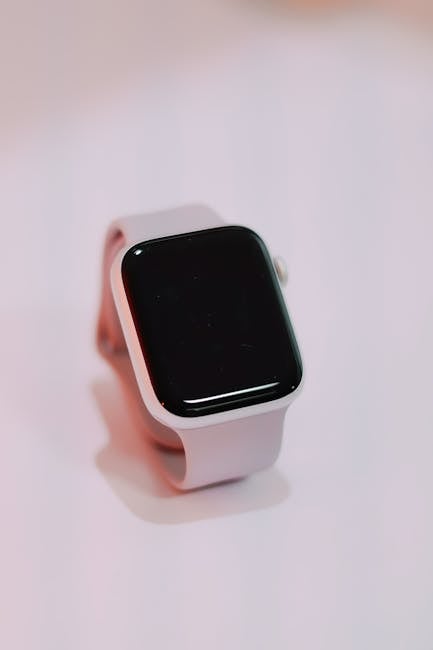
The Sticker Shock and the Dawn of a New Era: Remembering the Original Apple Watch Price Tag
The year 2015 marked a pivotal moment in wearable technology. Apple, a company synonymous with disrupting industries, ventured into a new frontier with the introduction of the Apple Watch. More than just a gadget, it was positioned as a fashion accessory, a health tracker, and a communication hub, all elegantly strapped to one’s wrist. But as the initial buzz subsided and the realities of the marketplace set in, one crucial element stood out: the original Apple Watch price tag. This was not a device designed for the masses at entry-level pricing; it was an aspirational product, a statement piece, and its cost reflected that ambition.
The original Apple Watch launched with a tiered pricing structure that immediately sparked conversation, and for many, a touch of sticker shock. The entry point for this revolutionary device was set at $349. This was the price for the Apple Watch Sport, the most affordable iteration. Crafted from anodized aluminum and featuring a durable Ion-X glass display, it was aimed at a more active and budget-conscious consumer, though “budget-conscious” was certainly a relative term when discussing a device of this caliber. Even at its lowest rung, the Apple Watch represented a significant investment, placing it firmly in the premium segment of the nascent smartwatch market.
However, $349 was merely the beginning of the price journey. Moving up the ladder, the standard Apple Watch (later referred to as the Apple Watch Series 1 and 2, though the nomenclature was less defined at launch) started at $549. This model was distinguished by its stainless steel case, sapphire crystal display – a much more scratch-resistant material – and a wider array of band options. The increased durability and premium materials justified the substantial jump in price, signaling Apple’s intent to position the Watch not just as a piece of technology, but as a piece of jewelry.
The true pinnacle of the original Apple Watch pricing, however, resided with the Apple Watch Edition. This was where Apple truly pushed the boundaries, targeting the luxury market with unparalleled extravagance. The Edition models, crafted from 18-karat gold (available in yellow or rose gold), started at a staggering $10,000. The most expensive configurations, featuring diamond embellishments, could climb to an eye-watering $17,000. This was not a price point for the average consumer; it was an exclusive offering for those who sought the ultimate expression of luxury and technological innovation. The Edition was a bold statement, signaling Apple’s willingness to compete in the ultra-luxury space, a territory traditionally dominated by Swiss watchmakers.
The tiered pricing strategy was a deliberate and calculated move by Apple. It allowed them to cater to a broader spectrum of consumers within the premium market, from those seeking a functional and stylish smartwatch to those desiring an opulent and status-defining accessory. The Sport model offered an accessible entry point, while the stainless steel version provided a balance of premium features and price. The Edition, on the other hand, was pure aspiration, a halo product designed to generate buzz and elevate the entire brand’s perception of the Apple Watch.
It’s crucial to remember the context of 2015. The smartwatch market was still in its infancy. Competitors like Samsung and LG had released their own smartwatches, but they largely operated in a more utilitarian and less design-focused space. Apple’s approach was fundamentally different. They leaned heavily into the aesthetic appeal, the seamless integration with the iPhone ecosystem, and the promise of a more intuitive and engaging user experience. The pricing reflected this holistic vision. It wasn’t just about the hardware; it was about the brand, the design, the software, and the aspirational lifestyle Apple cultivated.
The $349 entry price for the Sport model, while high for a first-generation gadget, was competitive within the premium smartwatch segment that Apple was defining. It was significantly more than a fitness tracker but offered a wealth of functionality that traditional watches couldn’t replicate. The $549 standard model positioned the Apple Watch as a direct competitor to mid-range luxury watches, offering advanced features alongside its sophisticated design.
The audacious pricing of the Apple Watch Edition, however, was perhaps the most discussed aspect. At $10,000 and upwards, it was a bold gamble. Apple was venturing into a market where brand heritage and craftsmanship were paramount. While Apple offered cutting-edge technology and a sleek design, it lacked the centuries of tradition associated with established luxury watch brands. The Edition was a statement of intent, a declaration that Apple was serious about competing at the highest echelons of luxury goods. It generated immense publicity, even if the actual sales volume for the Edition models was considerably lower than the Sport and standard versions.
The original Apple Watch price tag, therefore, was not just a number; it was a carefully crafted message. It communicated exclusivity, innovation, and a premium experience. It signaled that this was not just another gadget, but a sophisticated accessory that would integrate seamlessly into users’ lives and wardrobes. The pricing strategy also allowed for a wider range of accessibility within the premium market, ensuring that different consumer segments could engage with the Apple Watch ecosystem. While the higher price points were undoubtedly a barrier for many, they also served to solidify the Apple Watch’s position as a desirable, high-end product, setting the stage for its eventual dominance in the wearable market. The initial pricing was a bold declaration of Apple’s ambition, a testament to their belief in the transformative potential of the smartwatch, and a key factor in defining its place in the luxury technology landscape.