
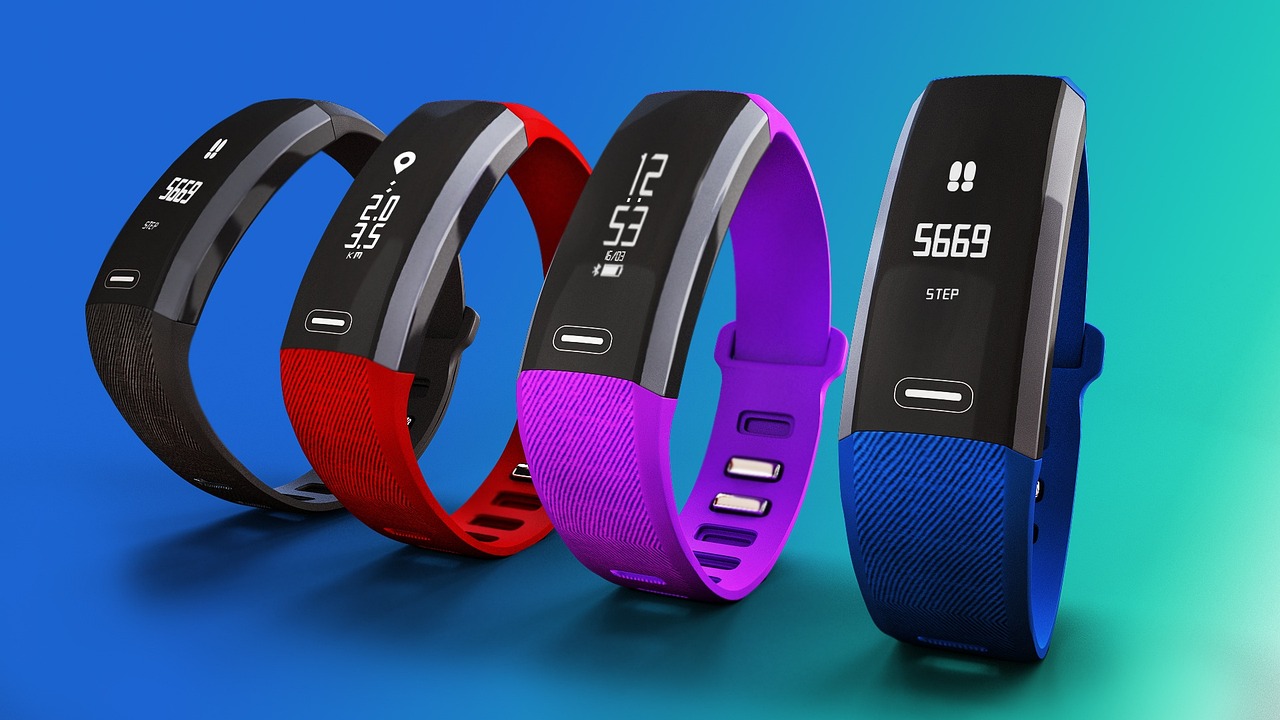
Precision Pulse: Top Fitness Bands with Accurate Heart Rate Monitoring
In the pursuit of optimal health and fitness, understanding your body’s most vital metric – heart rate – is paramount. Accurate heart rate monitoring transforms passive activity tracking into intelligent training. Gone are the days of guesswork; modern fitness bands offer sophisticated optical sensors and advanced algorithms to deliver real-time, reliable heart rate data, empowering you to optimize workouts, manage stress, and gain deeper insights into your cardiovascular health. This article delves into the leading fitness bands that excel in heart rate accuracy, helping you choose the perfect companion for your wellness journey.
The Science Behind Accurate Heart Rate Monitoring
At the core of every modern fitness band’s heart rate capabilities lies photoplethysmography (PPG). This technology utilizes LEDs to emit light into your skin and a photodetector to measure the amount of light that is reflected back. As your heart pumps blood, blood volume in your capillaries fluctuates. The photodetector senses these changes in light absorption, which are then translated into your heart rate.
However, achieving true accuracy is a complex endeavor. Factors like skin tone, wrist movement, ambient light, and even the fit of the band can influence readings. Leading manufacturers invest heavily in sophisticated algorithms that account for these variables, employing techniques like multi-wavelength LEDs, noise reduction filters, and machine learning to refine the raw data into precise heart rate measurements. When evaluating fitness bands, look for mentions of proprietary sensor technology and advanced algorithms, as these are key indicators of a commitment to accuracy.
Key Features to Consider for Accurate Heart Rate Monitoring
Beyond the underlying technology, several features enhance the usability and reliability of heart rate monitoring on a fitness band:
- Continuous Monitoring: Essential for capturing resting heart rate, sleep tracking, and understanding heart rate variability (HRV) over extended periods.
- Real-time Workout Zones: Displays your current heart rate in relation to your personalized heart rate zones (e.g., fat burn, cardio, peak), allowing for immediate intensity adjustments during exercise.
- High Heart Rate Alerts: Notifies you when your heart rate exceeds a pre-set threshold, which can be crucial for safety during intense activities or for individuals with certain medical conditions.
- Resting Heart Rate Tracking: A key indicator of cardiovascular fitness, a consistently lower resting heart rate generally signifies a healthier heart.
- Heart Rate Variability (HRV): Measures the time intervals between heartbeats. Higher HRV often indicates better recovery and resilience, while lower HRV can suggest stress or fatigue.
- Chest Strap Compatibility: For the absolute highest level of accuracy, especially during high-intensity interval training (HIIT) or activities with significant arm movement, many advanced bands offer compatibility with external chest strap monitors, which are generally considered the gold standard.
Top Fitness Bands with Superior Heart Rate Accuracy
Based on extensive research, user reviews, and expert analysis, the following fitness bands consistently rank high for their accurate heart rate monitoring capabilities:
1. Garmin Vivosmart 5
Garmin is renowned for its robust GPS and advanced sensor technology, and the Vivosmart 5 continues this legacy. Its optical heart rate sensor is highly regarded for its consistency across various activities, from steady-state cardio to more demanding strength training. The band excels at continuous monitoring, providing detailed insights into resting heart rate and sleep stages. Garmin’s Body Battery™ feature, which uses heart rate data, stress levels, and sleep to gauge your energy reserves, is a standout, offering actionable advice on when to push and when to rest. The Vivosmart 5 also offers high heart rate alerts and Pulse Ox sensing for blood oxygen saturation, further enhancing its health monitoring prowess. While it doesn’t offer built-in GPS, its accuracy in tracking heart rate during connected GPS workouts is commendable.
2. Fitbit Charge 5
The Fitbit Charge 5 has solidified its position as a top-tier fitness tracker, largely due to its impressive heart rate accuracy. Featuring Fitbit’s latest optical heart rate sensor, it delivers reliable readings during workouts and throughout the day. The Charge 5’s detailed sleep tracking, including sleep stages and the new Daily Readiness Score (which leverages heart rate data, activity, and sleep), provides a holistic view of your well-being. Active Zone Minutes, a metric that awards you for time spent in fat-burning, cardio, and peak heart rate zones, is a motivating feature. The inclusion of an ECG app for on-demand heart rhythm assessment and high/low heart rate notifications adds a significant layer of health monitoring.
3. Whoop 4.0
While not a traditional “fitness band” in terms of a screen-based display, the Whoop 4.0 is a powerful wearable focused entirely on physiological data, with heart rate monitoring at its absolute core. Its advanced sensor suite, combined with sophisticated algorithms, delivers exceptionally accurate continuous heart rate data, including HRV. Whoop’s primary focus is on recovery and strain, using your heart rate, sleep, and other physiological metrics to provide a daily recovery score and recommend optimal training intensity. The absence of a screen encourages users to rely on the app for data, fostering a deeper engagement with their body’s signals. For data-driven athletes and those serious about optimizing performance and recovery, Whoop is an unparalleled choice.
4. Apple Watch Series 8 / SE (2nd Gen)
While often categorized as smartwatches, Apple Watches are undeniably powerful fitness trackers with exceptionally accurate heart rate sensors. The Series 8, in particular, boasts an advanced optical heart rate sensor that rivals dedicated fitness trackers. It provides continuous monitoring, real-time workout zone tracking, and detailed sleep analysis. The ECG app, irregular rhythm notifications, and fall detection further enhance its health and safety features. The Apple Watch ecosystem seamlessly integrates with the Health app, allowing for comprehensive data aggregation. For iPhone users seeking a device that excels in both fitness tracking and everyday smart functionality, the Apple Watch remains a top contender. The SE model offers many of the same core fitness tracking features at a more accessible price point.
5. Samsung Galaxy Watch 5
For Android users, the Samsung Galaxy Watch 5 offers a compelling package with accurate heart rate monitoring at its forefront. Its BioActive Sensor, combining optical heart rate, electrical heart signal, and bioelectrical impedance analysis, provides a wealth of health data. Continuous heart rate tracking, detailed workout analysis, and sleep tracking are all handled with impressive accuracy. The watch’s ability to track blood pressure and ECG (in select regions) further elevates its health monitoring capabilities. Seamless integration with the Samsung Health ecosystem ensures a comprehensive overview of your fitness journey.
Factors Affecting Heart Rate Accuracy and How to Optimize Them
Even with the most advanced technology, certain factors can impact your heart rate readings. Understanding and mitigating these can significantly improve accuracy:
- Band Fit: This is arguably the most crucial factor. The band should be snug but not uncomfortably tight. It should sit about a finger’s width above your wrist bone. If the band slides around, the sensor won’t have consistent contact with your skin.
- Wrist Position: During exercise, excessive wrist movement, especially during activities like weightlifting or boxing, can interfere with the optical sensor. Try to keep your wrist relatively still when possible or opt for a chest strap for such activities.
- Skin Tone: Individuals with darker skin tones may experience slightly less accurate readings with some optical sensors due to melanin absorption of light. Manufacturers are continually improving algorithms to address this, but it’s something to be aware of.
- Tattoos: Dark or heavily pigmented tattoos on the wrist can also interfere with light transmission and reflection, potentially affecting accuracy.
- Temperature: Extreme cold can constrict blood vessels, making it harder for the sensor to get a good reading. Wearing the band on your non-dominant wrist or slightly higher on your arm can sometimes help.
- Sweat: Excessive sweat can dilute the signal. Wiping the sensor and your wrist before and after workouts can help.
- Calibration: Some devices offer manual calibration options or learn your individual physiology over time, improving accuracy.
Beyond the Numbers: Utilizing Heart Rate Data Effectively
Accurate heart rate data is only valuable if you know how to interpret and use it. Here’s how to leverage your fitness band’s insights:
- Optimize Workout Intensity: Understand your heart rate zones and aim to spend time in the zones that align with your fitness goals. For example, if your goal is fat loss, focus on sustained periods in the fat-burning zone. For cardiovascular improvement, target the cardio zone.
- Monitor Recovery: Track your resting heart rate and HRV. A consistently elevated resting heart rate or a sudden drop in HRV can indicate fatigue, illness, or overtraining, signaling the need for rest and recovery.
- Manage Stress: Elevated heart rate during periods of perceived stress can be an indicator. Using your band to track your response to stress and implementing mindfulness techniques can be beneficial.
- Track Progress: Observe trends in your resting heart rate and how quickly your heart rate recovers after exercise. A decreasing resting heart rate and faster recovery are positive signs of improved cardiovascular fitness.
- Sleep Analysis: Heart rate during sleep provides insights into sleep quality and the body’s recovery processes.
By choosing a fitness band with a proven track record for accurate heart rate monitoring and understanding how to interpret the data, you unlock a powerful tool for achieving your health and fitness aspirations. The precision pulse of these devices empowers informed decisions, leading to more effective training, better recovery, and a deeper understanding of your body’s remarkable capabilities.