
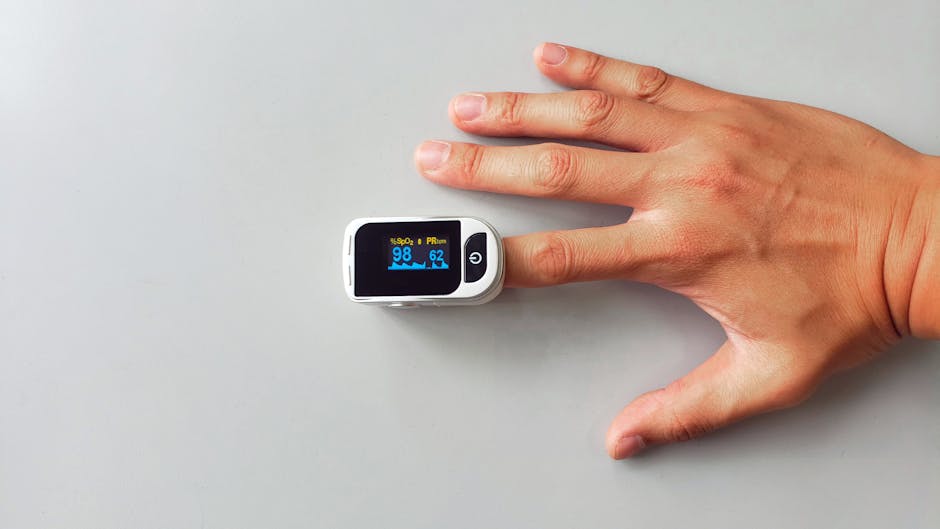
Fitness Tracker with SpO2: Your Guide to Blood Oxygen Monitoring
The integration of SpO2 (blood oxygen saturation) monitoring into fitness trackers marks a significant advancement in personal health technology. Beyond merely counting steps and tracking heart rate, these devices now offer a deeper insight into your body’s physiological responses, particularly concerning oxygen levels. Understanding and utilizing this feature can empower you to optimize your training, identify potential health concerns, and gain a more holistic view of your well-being.
What is SpO2 and Why Does it Matter?
SpO2 refers to the percentage of hemoglobin in your blood that is carrying oxygen. Hemoglobin is the protein in red blood cells responsible for transporting oxygen from your lungs to the rest of your body. A healthy SpO2 level typically ranges from 95% to 100%. Levels below 90% can indicate hypoxemia, a condition where your blood oxygen levels are abnormally low, which can have serious health implications.
For athletes and fitness enthusiasts, SpO2 monitoring can be a valuable tool. During strenuous exercise, your body’s oxygen demand increases significantly. Tracking your SpO2 can help you understand how well your cardiovascular and respiratory systems are coping with the increased workload. It can also provide insights into your body’s acclimatization to altitude, as lower oxygen availability at higher elevations can impact SpO2 levels.
Beyond fitness, SpO2 monitoring can be a vital indicator for individuals with respiratory conditions like asthma, COPD, or sleep apnea. Fluctuations in blood oxygen levels during sleep or throughout the day can signal a worsening of their condition, prompting them to seek medical attention sooner.
How Do Fitness Trackers Measure SpO2?
Fitness trackers utilize a non-invasive technology called photoplethysmography (PPG) to measure SpO2. This involves shining two different wavelengths of light – red and infrared – through your skin, typically on your wrist.
- Red Light: Absorbed by deoxygenated hemoglobin (hemoglobin without oxygen).
- Infrared Light: Absorbed by oxygenated hemoglobin (hemoglobin with oxygen).
The sensor on the tracker detects how much of each light wavelength is absorbed and reflected back. By analyzing the differences in absorption between the two wavelengths, the device can calculate the ratio of oxygenated to deoxygenated hemoglobin, thus determining your SpO2 percentage.
Key Features and Considerations When Choosing a Fitness Tracker with SpO2:
When selecting a fitness tracker with SpO2 capabilities, several factors warrant your attention to ensure you get a device that meets your needs and expectations.
- Accuracy: While consumer-grade SpO2 sensors are generally reliable for trend monitoring, they are not medical-grade devices. Look for trackers that have been validated by reputable sources or have undergone independent testing for accuracy. User reviews can also provide valuable insights into real-world performance.
- Continuous vs. On-Demand Measurement: Some trackers offer continuous SpO2 monitoring, providing a constant stream of data throughout the day and night. Others allow for on-demand readings, meaning you initiate the measurement when you want to check your levels. Continuous monitoring is beneficial for identifying subtle changes and tracking trends, especially during sleep, while on-demand is useful for quick checks during or after exercise.
- Sleep Tracking Integration: The ability to track SpO2 during sleep is a significant advantage. Low oxygen levels during sleep can be an indicator of sleep apnea or other respiratory disturbances. A tracker that integrates SpO2 data with sleep stages, heart rate variability, and breathing rate can provide a more comprehensive picture of your sleep quality and potential issues.
- Companion App and Data Visualization: The accompanying smartphone app plays a crucial role in interpreting your SpO2 data. Look for an app that presents your readings clearly, offers historical trends, allows you to set custom alerts for low SpO2 levels, and provides actionable insights based on your data. Features like guided breathing exercises or recovery recommendations based on SpO2 can enhance the user experience.
- Battery Life: Continuous SpO2 monitoring can be power-intensive. Consider the overall battery life of the tracker, especially if you plan to use this feature regularly. Some devices may require more frequent charging when SpO2 monitoring is enabled.
- Comfort and Design: Since you’ll likely be wearing the tracker for extended periods, comfort and design are important. Look for lightweight, breathable materials and a secure fit that doesn’t interfere with sleep or exercise.
- Additional Health Metrics: While SpO2 is the focus, consider other health metrics the tracker offers, such as heart rate, ECG (electrocardiogram), body temperature, stress tracking, and advanced sleep analysis. A comprehensive suite of metrics can provide a more holistic view of your health.
- Water Resistance: If you engage in water sports or sweat heavily during workouts, ensure the tracker has adequate water resistance for your activities.
How to Use Your Fitness Tracker’s SpO2 Feature Effectively:
Maximizing the benefits of your SpO2-equipped fitness tracker requires understanding how to use it correctly and interpret the data it provides.
- Proper Fit: For accurate readings, ensure the tracker is snug but not too tight on your wrist. It should be positioned a finger’s width above your wrist bone. Avoid wearing it over tattoos, as they can interfere with light transmission.
- Resting Measurements: Take readings when you are at rest, ideally for a few minutes, to get a baseline of your normal SpO2 levels. Avoid taking readings immediately after intense exercise or when you are experiencing significant stress or anxiety.
- During Exercise: Monitor your SpO2 during strenuous workouts, especially in challenging environments like high altitudes. Observe how your levels respond to exertion and recovery. If you notice significant drops, it might be a sign to ease up or adjust your training intensity.
- Sleep Monitoring: Enable SpO2 tracking during sleep. Review your sleep data in the morning to identify any patterns of low oxygen saturation that might occur during the night. This is particularly important if you experience symptoms like snoring, daytime fatigue, or morning headaches.
- Hydration and Breathing: Dehydration and shallow breathing can affect SpO2 levels. Ensure you are adequately hydrated and practice deep, diaphragmatic breathing exercises.
- Understand Your Baseline: Everyone’s SpO2 levels can vary slightly. Track your readings over time to establish your personal baseline. This will help you identify significant deviations.
- Consult a Healthcare Professional: Crucially, remember that your fitness tracker is not a medical device. If you consistently observe low SpO2 readings (below 90%) or experience concerning symptoms like shortness of breath, chest pain, or persistent fatigue, consult your doctor. They can provide a proper diagnosis and recommend appropriate treatment.
Interpreting Your SpO2 Data:
- 95-100%: This is the healthy range for most individuals.
- 90-94%: While still within a generally acceptable range for some, consistently falling in this bracket might warrant closer observation, especially if accompanied by symptoms.
- Below 90%: This is considered low blood oxygen saturation (hypoxemia) and requires attention. If this occurs during exercise, it’s a signal to reduce intensity. If it happens during rest or sleep, it’s essential to consult a healthcare professional.
Benefits of SpO2 Monitoring in Fitness Trackers:
The inclusion of SpO2 sensors in fitness trackers unlocks a range of benefits for users:
- Enhanced Fitness Performance: By understanding how your body utilizes oxygen, you can tailor your training to optimize performance and recovery. Athletes can monitor their acclimatization to high altitudes and adjust training accordingly.
- Early Detection of Potential Health Issues: Fluctuations in SpO2 can be an early warning sign of respiratory problems, cardiovascular issues, or sleep disorders. This allows for proactive engagement with healthcare providers.
- Improved Sleep Quality Insights: Tracking SpO2 during sleep can help identify potential sleep apnea or other breathing disturbances, leading to better sleep hygiene and treatment.
- Holistic Health Overview: SpO2 data complements other metrics like heart rate and activity levels, providing a more comprehensive understanding of your overall physiological state.
- Motivation and Awareness: Seeing your SpO2 data can increase your awareness of your body’s responses and motivate you to adopt healthier habits, such as proper breathing techniques and adequate rest.
- Recovery Monitoring: SpO2 levels can indicate how well your body is recovering after intense workouts. Lower than usual SpO2 during rest might suggest your body needs more time to recover.
The Future of SpO2 in Wearable Technology:
The integration of SpO2 monitoring is a testament to the evolving capabilities of fitness trackers. As sensor technology advances and algorithms become more sophisticated, we can expect even greater accuracy and deeper insights. Future iterations may offer more personalized recommendations based on your SpO2 trends, predictive capabilities for potential health concerns, and seamless integration with telehealth platforms. The continued development in this area promises to make wearable technology an even more powerful tool for proactive health management and personalized wellness journeys.