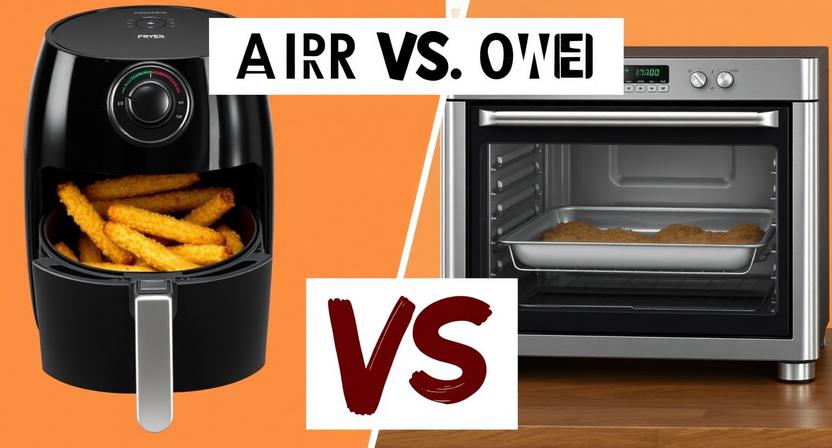
The kitchen landscape is constantly evolving, with innovative appliances vying for prime real estate on our countertops. Among the most debated contenders are the trusty oven and the trendy air fryer. Both promise delicious results, but their methods, efficiencies, and ideal applications differ significantly. Understanding these distinctions is crucial to making an informed decision about which appliance, or perhaps both, will best serve your culinary needs. This in-depth exploration will dissect the core functionalities, advantages, disadvantages, and best use cases for both the air fryer and the oven, empowering you to choose the right tool for your gastronomic endeavors.
The Air Fryer: A Countertop Dynamo of Crispy Delights
At its heart, an air fryer is a compact convection oven. It circulates hot air at high speeds around the food, mimicking the browning and crisping effect of deep-frying without the excessive oil. This rapid air circulation is its superpower, leading to remarkably crispy exteriors on a variety of foods.
How it Works: A heating element, typically located at the top of the appliance, heats the air. A powerful fan then blasts this hot air downwards and around the food placed in a perforated basket or tray. This continuous flow of superheated air cooks the food quickly and evenly, creating a satisfying crunch.
Key Advantages of Air Fryers:
- Speed: Air fryers excel at rapid cooking. For smaller portions and items like fries, chicken wings, or frozen snacks, they can significantly outperform a conventional oven, preheating in mere minutes and delivering results in a fraction of the time.
- Crispiness: This is the air fryer’s raison d’être. It’s unparalleled at achieving a golden-brown, crispy exterior that mimics deep-frying. This makes it a game-changer for health-conscious individuals seeking to reduce their oil intake.
- Energy Efficiency (for small batches): For cooking small to medium-sized portions, an air fryer is generally more energy-efficient than a large, preheated oven. It heats up faster and uses less energy to maintain its temperature.
- Ease of Use: Most air fryers are incredibly user-friendly, with simple digital controls for temperature and time. Their compact size also makes them easy to store and clean.
- Versatility (within its niche): While not a full oven replacement, air fryers are surprisingly versatile for specific tasks. They can roast vegetables, cook small cuts of meat, reheat leftovers to their former crispy glory, and even bake small desserts like cookies or muffins.
- Less Mess: Compared to deep-frying, air frying is significantly cleaner. There’s no oil splatter to contend with, and most baskets and trays are dishwasher-safe.
Potential Downsides of Air Fryers:
- Limited Capacity: The primary drawback of most air fryers is their size. They are ideal for individuals, couples, or small families, but cooking for larger gatherings can be a challenge, often requiring multiple batches.
- Uneven Cooking (if overcrowded): To achieve optimal crispiness, food needs adequate space for air circulation. Overcrowding the basket will lead to uneven cooking, with some pieces cooked and others pale and soggy.
- Not Ideal for Wet Batters: The circulating hot air can blow away thin, wet batters, making them less suitable for traditional fried chicken or tempura.
- Can Dry Out Food: The intense hot air can sometimes dry out leaner cuts of meat or delicate items if not monitored closely.
- Countertop Footprint: While compact compared to an oven, a dedicated air fryer still occupies valuable countertop space.
The Oven: The Timeless Culinary Workhorse
The conventional oven, a staple in kitchens for generations, offers a vast and versatile cooking environment. It utilizes radiant heat and convection (in many modern models) to cook food within its insulated chamber.
How it Works: Ovens generate heat through electric elements or gas burners. This heat radiates inwards, cooking food placed on racks. Convection ovens incorporate a fan to circulate hot air, promoting more even cooking and browning, similar to an air fryer but on a larger scale.
Key Advantages of Ovens:
- Capacity: Ovens are designed to handle large quantities of food. Whether you’re roasting a whole turkey, baking multiple trays of cookies, or preparing a feast for a crowd, an oven’s expansive interior is indispensable.
- Versatility (Broad Spectrum): The oven is the undisputed champion of culinary versatility. It can bake, roast, broil, toast, dehydrate (in some models), and even slow cook. It handles everything from delicate pastries to dense casseroles with aplomb.
- Even Cooking (with proper technique): While requiring a bit more attention to rack placement and rotation, ovens, especially convection models, can achieve remarkably even cooking for large dishes.
- Ideal for Wet Batters and Large Roasts: Ovens are perfectly suited for recipes that involve wet batters, large cuts of meat that require slow, even cooking, and dishes that benefit from the gentle, pervasive heat.
- Broiling Functionality: The broil setting in most ovens provides intense direct heat from above, perfect for searing, browning the tops of dishes, or quickly cooking thin cuts of meat.
Potential Downsides of Ovens:
- Preheating Time: Ovens require significant time to preheat, often 10-20 minutes or more, before cooking can begin. This can make them less convenient for quick meals.
- Energy Consumption (for small batches): Heating a large oven cavity for a small portion of food is considerably less energy-efficient than using a dedicated appliance like an air fryer.
- Slower Cooking Times: Generally, ovens take longer to cook food compared to air fryers, especially for items that benefit from rapid browning.
- Cleaning Can Be More Involved: While many ovens have self-cleaning functions, regular cleaning of racks, trays, and the interior can be a more time-consuming task.
- Less Crispy Results (without convection): Traditional ovens without a convection fan may not achieve the same level of crispiness as an air fryer, especially on items like fries.
Direct Comparison: Key Differentiating Factors
| Feature | Air Fryer | Oven |
|---|---|---|
| Cooking Method | High-speed hot air circulation | Radiant heat, convection (in many models) |
| Primary Benefit | Crispy texture, speed for small batches | Large capacity, broad versatility, traditional cooking |
| Ideal For | Fries, wings, snacks, reheating crispy items | Roasts, baking, casseroles, large meals, delicate items |
| Speed | Very fast for small portions | Slower, especially preheating |
| Capacity | Limited | Large |
| Energy Use | Efficient for small batches | Less efficient for small batches, efficient for large |
| Oil Use | Minimal to none | Varies by recipe, often more oil for certain dishes |
| Mess | Generally minimal | Varies by recipe, can be more involved |
| Counter Space | Occupies dedicated space | Built-in or larger freestanding unit |
Which Appliance is Right for You? Considering Your Lifestyle and Culinary Habits
The “right” appliance isn’t a one-size-fits-all answer. It depends entirely on your individual needs, cooking habits, and household size.
Choose an Air Fryer If:
- You’re a busy individual or couple: You prioritize quick meal preparation and enjoy crispy snacks without the fuss of deep-frying.
- You’re health-conscious: You want to enjoy the taste and texture of fried foods with significantly less oil.
- You frequently cook frozen foods: Air fryers excel at transforming frozen fries, nuggets, and other convenience items into perfectly crispy delights.
- You have limited oven space or an older oven: An air fryer can supplement your existing cooking capabilities, offering speed and crispiness where your oven might fall short.
- You enjoy experimenting with crispy vegetables and small portions of meat: Air fryers are fantastic for roasting vegetables to perfection and cooking individual portions of chicken or fish.
- You appreciate easy cleanup: The non-stick, often dishwasher-safe components make post-meal cleanup a breeze.
Consider an Oven If:
- You regularly cook for a family or entertain guests: You need the capacity to prepare large meals and multiple dishes simultaneously.
- You enjoy baking and pastry making: Ovens provide the consistent, even heat required for successful baking.
- You frequently prepare large roasts or casseroles: These dishes require the ample space and pervasive heat of an oven.
- You value a wide range of cooking methods: You want the flexibility to bake, broil, roast, and more, all within one appliance.
- You’re building a new kitchen or replacing an old appliance: A modern oven with convection capabilities offers a good balance of versatility and efficiency.
- You prefer traditional cooking methods and are comfortable with longer cooking times: You appreciate the nuances of oven cooking and the development of flavors over time.
Cookwell Air Fryer - 5L With See Through Window - 1400W (Grey & Black)
₹3,399.00 (as of September 29, 2026 01:11 GMT +05:30 - More infoProduct prices and availability are accurate as of the date/time indicated and are subject to change. Any price and availability information displayed on [relevant Amazon Site(s), as applicable] at the time of purchase will apply to the purchase of this product.)
Wonderchef Evita Air Fryer for Kitchen 2 L 1000W, Rapid Hot Air Technology, Adjustble Temperature and Time, Make Crispy Snacks and Desserts, Free Access to Recipe Book with 120 Recipes, 2-Yr Warranty
₹3,275.00 (as of September 29, 2026 01:11 GMT +05:30 - More infoProduct prices and availability are accurate as of the date/time indicated and are subject to change. Any price and availability information displayed on [relevant Amazon Site(s), as applicable] at the time of purchase will apply to the purchase of this product.)
Havells Prolife Stellar Chef Smartchoice Air Fryer 5.5 Ltr|1500 Watts|See Through Window|Aerocrisp Tech: Rapid air circulation in every direction|Non Stick Silicon Coated Basket|2 Year Brand Warranty
₹5,375.30 (as of September 29, 2026 01:11 GMT +05:30 - More infoProduct prices and availability are accurate as of the date/time indicated and are subject to change. Any price and availability information displayed on [relevant Amazon Site(s), as applicable] at the time of purchase will apply to the purchase of this product.)
KENT Classic Hot Air Fryer 4L 1300 W | 80% Less Oil | Instant Electric Air Fryer | Auto Cut Off | Fry, Grill, Roast, Steam, and Bake | 1 Year Warranty | Black
₹2,849.00 (as of September 29, 2026 01:11 GMT +05:30 - More infoProduct prices and availability are accurate as of the date/time indicated and are subject to change. Any price and availability information displayed on [relevant Amazon Site(s), as applicable] at the time of purchase will apply to the purchase of this product.)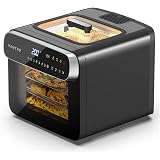
VANTRO 13L Digital Air Fryer Oven | 1800W | Top Glass Viewing Window | 360° Rapid Air Technology | Rotisserie, Bake, Grill, Roast | LED Touch Control | 6 Accessories
₹6,999.00 (as of September 29, 2026 01:11 GMT +05:30 - More infoProduct prices and availability are accurate as of the date/time indicated and are subject to change. Any price and availability information displayed on [relevant Amazon Site(s), as applicable] at the time of purchase will apply to the purchase of this product.)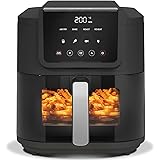
Nutricook 5L Air Fryer Slim with 100% Toxin-Free Ceramic Coating—No PTFE, PFAS, PFOA or Microplastics, Clear Window, Light & Large Basket | 1500W, 4 Presets, 2-Year Warranty
₹5,999.00 (as of September 29, 2026 01:11 GMT +05:30 - More infoProduct prices and availability are accurate as of the date/time indicated and are subject to change. Any price and availability information displayed on [relevant Amazon Site(s), as applicable] at the time of purchase will apply to the purchase of this product.)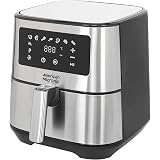
AMERICAN MICRONIC® 6.5 L Digital Air Fryer | 1700W TurboTunnel Fresh Air Technology | 200 °C Max Temp | 60-Min Timer | 8 One-Touch Preset Menus | Healthy Oil-Free Cooking
₹6,887.00 (as of September 29, 2026 01:11 GMT +05:30 - More infoProduct prices and availability are accurate as of the date/time indicated and are subject to change. Any price and availability information displayed on [relevant Amazon Site(s), as applicable] at the time of purchase will apply to the purchase of this product.)
V-Guard Emocia Pro Air Fryer (New Launch) | 5 Litre Capacity | Touch Panel Control & Digital Display | See-Through Window | 2 Year Coverage by V-Guard | Premium SS Finish | Air Fryer Oven
₹5,799.00 (as of September 29, 2026 01:11 GMT +05:30 - More infoProduct prices and availability are accurate as of the date/time indicated and are subject to change. Any price and availability information displayed on [relevant Amazon Site(s), as applicable] at the time of purchase will apply to the purchase of this product.)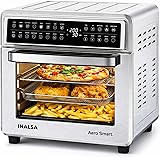
INALSA Air Fryer Oven With 23L Capacity|1700 W-16 Preset Programs |Digital Display and Touch Control| Rotisserie & Convection| 9 Accessories| Recipe Book|2 Year Warranty-Aero Smart23
₹12,997.00 (as of September 29, 2026 01:11 GMT +05:30 - More infoProduct prices and availability are accurate as of the date/time indicated and are subject to change. Any price and availability information displayed on [relevant Amazon Site(s), as applicable] at the time of purchase will apply to the purchase of this product.)
PHILIPS Air Fryer NA130, 6.2 Litre, Extra Large, 100% Food Safe | uses up to 90% less fat, 1700W, with Rapid Air Technology (Black)
₹6,150.00 (as of September 29, 2026 01:11 GMT +05:30 - More infoProduct prices and availability are accurate as of the date/time indicated and are subject to change. Any price and availability information displayed on [relevant Amazon Site(s), as applicable] at the time of purchase will apply to the purchase of this product.)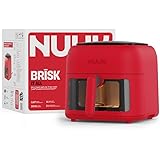
NUUK BRĪSK 6.5L 100% Toxin-Free Ceramic Air Fryer|ILAG® CeramicTech™|No Micro plastics, No PTFE, PFAS, PFOA|12 Cooking Presets|Digital Display|Shake Reminder|360° Even Cooking
₹8,999.00 (as of September 29, 2026 01:11 GMT +05:30 - More infoProduct prices and availability are accurate as of the date/time indicated and are subject to change. Any price and availability information displayed on [relevant Amazon Site(s), as applicable] at the time of purchase will apply to the purchase of this product.)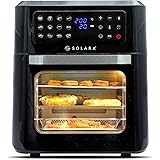
SOLARA 12L Air Fryer Oven for Home Kitchen, 1800W OTG Air Fryer Oven 12 Litre with 12 Presets, 9 Accessories, Grill, Roast, Bake, Reheat, AirFryer OTG, XX-Large, Recipe E-book, 1 Year Warranty, Black
₹8,299.00 (as of September 29, 2026 01:11 GMT +05:30 - More infoProduct prices and availability are accurate as of the date/time indicated and are subject to change. Any price and availability information displayed on [relevant Amazon Site(s), as applicable] at the time of purchase will apply to the purchase of this product.)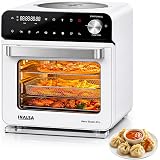
INALSA Air fryer Oven 1700 W(Air Fryer + Steam)|10-in-1 Preset Air fry,Steam,Roast,Ferment,idli,Momos,Sanitize & More|15 L Large Family Size Capacity|Self Clean Function|2 Yr Warranty,Aero Steam Pro
₹16,999.00 (as of September 29, 2026 01:11 GMT +05:30 - More infoProduct prices and availability are accurate as of the date/time indicated and are subject to change. Any price and availability information displayed on [relevant Amazon Site(s), as applicable] at the time of purchase will apply to the purchase of this product.)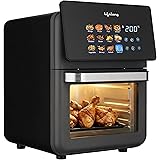
Lifelong Air Fryer Oven 10L | 12 Preset Modes | 1350W Power | Healthy Low Oil Cooking, Rapid Air Technology, Glass Lid | LED Touch Display | Nonstick Easy Clean Kitchen Appliance with Oil Drip Tray
₹4,999.00 (as of September 29, 2026 01:11 GMT +05:30 - More infoProduct prices and availability are accurate as of the date/time indicated and are subject to change. Any price and availability information displayed on [relevant Amazon Site(s), as applicable] at the time of purchase will apply to the purchase of this product.)
Faber 6L 1500W Digital Air Fryer | Fry, Bake, Roast, Toast, Defrost, Grill & Reheat | 85% Less Oil, 360° Air Cooking|8-Preset Menu,LED Display&Touch Control, Non-Stick Pan,View Window|FAF 6.0L NEO BK
₹5,715.00 (as of September 29, 2026 01:11 GMT +05:30 - More infoProduct prices and availability are accurate as of the date/time indicated and are subject to change. Any price and availability information displayed on [relevant Amazon Site(s), as applicable] at the time of purchase will apply to the purchase of this product.)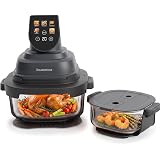
Domestica Aerion Air Fryer | Pure Glass Visible Cooking | 4L + 1.5L Dual Bowl | 5 in 1 Airfry, Bake, Recrisp, Keep Warm | Dishwasher Safe | Soft Touch Button Controls | 1500W | 1 Yr Warranty
₹7,998.00 (as of September 29, 2026 01:11 GMT +05:30 - More infoProduct prices and availability are accurate as of the date/time indicated and are subject to change. Any price and availability information displayed on [relevant Amazon Site(s), as applicable] at the time of purchase will apply to the purchase of this product.)
Philips Smartchoice OneChef 6L Smart All in One Device, 100% Food Safe | 33-in-1 Functions: Air Fryer, Stir Fry, Steam, Boil, Curry & More. AmbiHeat Technology for Indian Recipes & Biryani.
₹19,995.00 (as of September 29, 2026 01:11 GMT +05:30 - More infoProduct prices and availability are accurate as of the date/time indicated and are subject to change. Any price and availability information displayed on [relevant Amazon Site(s), as applicable] at the time of purchase will apply to the purchase of this product.)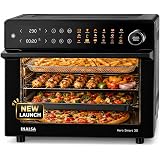
INALSA Air Fryer Oven 30 Ltr, 1800 W, Multi-Cooker, Air Fry, Aero Smart 30 | Stainless Steel Air Fryer Interior, 18 Preset, 9 Accessories, Digital Display Oven
₹19,001.00 (as of September 29, 2026 01:11 GMT +05:30 - More infoProduct prices and availability are accurate as of the date/time indicated and are subject to change. Any price and availability information displayed on [relevant Amazon Site(s), as applicable] at the time of purchase will apply to the purchase of this product.)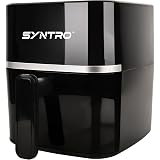
Syntro Nutrify Air Fryer 3.5 Litre, Rapid Air Technology, Adjustable Temperature Control, Oil-Free Cooking, Black
₹2,499.00 (as of September 29, 2026 01:11 GMT +05:30 - More infoProduct prices and availability are accurate as of the date/time indicated and are subject to change. Any price and availability information displayed on [relevant Amazon Site(s), as applicable] at the time of purchase will apply to the purchase of this product.)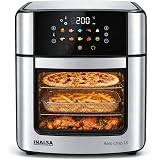
INALSA Air Fryer Oven|16L, 1800W|Stainless Steel Body12-in-1 Functions,Fry,Bake,Grill,Dehydrate,Roast& Reheat|10 Preset|Rotisserie & Convection|Dishwasher Safe Accessories|2Yr Warranty,Aero Crisp 16
₹11,398.00 (as of September 29, 2026 01:11 GMT +05:30 - More infoProduct prices and availability are accurate as of the date/time indicated and are subject to change. Any price and availability information displayed on [relevant Amazon Site(s), as applicable] at the time of purchase will apply to the purchase of this product.)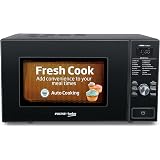
Voltas Beko 25 L Convection Microwave Oven (MC25BD, Black,151 India Dishes; Auto Menu, Stainless Steel Cavity)
₹12,100.00 (as of September 28, 2026 21:05 GMT +05:30 - More infoProduct prices and availability are accurate as of the date/time indicated and are subject to change. Any price and availability information displayed on [relevant Amazon Site(s), as applicable] at the time of purchase will apply to the purchase of this product.)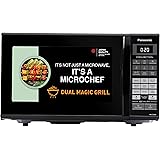
Panasonic 27L Convection Microwave Oven(NN-CT645BFDG,Black, Magic Grill)
₹13,690.00 (as of September 28, 2026 21:05 GMT +05:30 - More infoProduct prices and availability are accurate as of the date/time indicated and are subject to change. Any price and availability information displayed on [relevant Amazon Site(s), as applicable] at the time of purchase will apply to the purchase of this product.)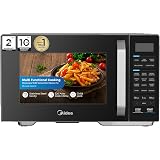
Midea 28L Convection Microwave oven with Air Fry, Grill, 900W Microwave Power, 326 Auto Cook Menus, Stainless Steel Cavity (MMOP03XA-ECSEBK, Multi-Stage Cooking, Defrost by Time)
₹10,990.00 (as of September 28, 2026 21:05 GMT +05:30 - More infoProduct prices and availability are accurate as of the date/time indicated and are subject to change. Any price and availability information displayed on [relevant Amazon Site(s), as applicable] at the time of purchase will apply to the purchase of this product.)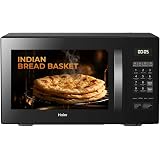
Haier 23L Convection Microwave
₹11,999.00 (as of September 28, 2026 21:05 GMT +05:30 - More infoProduct prices and availability are accurate as of the date/time indicated and are subject to change. Any price and availability information displayed on [relevant Amazon Site(s), as applicable] at the time of purchase will apply to the purchase of this product.)
Midea 20L Solo Microwave Oven | 5 Power Levels + Defrost | 10-Year Magnetron Warranty | Mechanical Knob Control | Easy-Clean Powder-Coated Cavity | Energy Efficient | Oven for Reheating & Cooking
₹4,640.00 (as of September 28, 2026 21:05 GMT +05:30 - More infoProduct prices and availability are accurate as of the date/time indicated and are subject to change. Any price and availability information displayed on [relevant Amazon Site(s), as applicable] at the time of purchase will apply to the purchase of this product.)
Haier 22L Convection Microwave Oven, 205 Auto cook Menus, 10 Power Levels, 4 Combination Cooking, Multistage Cooking, Auto Defrost, Child Lock (HIL22ECCFSD, Black)
Now retrieving the price.
(as of September 28, 2026 21:05 GMT +05:30 - More infoProduct prices and availability are accurate as of the date/time indicated and are subject to change. Any price and availability information displayed on [relevant Amazon Site(s), as applicable] at the time of purchase will apply to the purchase of this product.)
IFB 30L Convection Microwave Oven with 360 Degree Motorized Rotisserie 101 Auto Cook Menus (30BRC2, Black, Auto Defrost, Grill Mode, Combi-Cook Modes, 10 Power Levels)
₹16,489.00 (as of September 28, 2026 21:05 GMT +05:30 - More infoProduct prices and availability are accurate as of the date/time indicated and are subject to change. Any price and availability information displayed on [relevant Amazon Site(s), as applicable] at the time of purchase will apply to the purchase of this product.)
Cuisinart AMW-60 3-in-1 Microwave Oven with Air Fryer & Convection | 220–240V, 50Hz | 1500W | 17L Capacity | 8 Auto Cook Menus | Stainless Steel Interior | Black
₹52,199.00 (as of September 28, 2026 21:05 GMT +05:30 - More infoProduct prices and availability are accurate as of the date/time indicated and are subject to change. Any price and availability information displayed on [relevant Amazon Site(s), as applicable] at the time of purchase will apply to the purchase of this product.)
Samsung 28L, Convection Microwave Oven with Curd Making(MC28A5013AK/TL, Black, Ceramic Enamel Cavity with 10 Year Warranty)
₹14,500.00 (as of September 28, 2026 21:05 GMT +05:30 - More infoProduct prices and availability are accurate as of the date/time indicated and are subject to change. Any price and availability information displayed on [relevant Amazon Site(s), as applicable] at the time of purchase will apply to the purchase of this product.)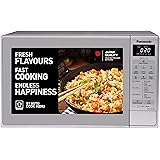
Panasonic 20L Solo Microwave Oven (NN-ST26JMFDG, Silver, 51 Auto Menus)
₹7,190.00 (as of September 28, 2026 21:05 GMT +05:30 - More infoProduct prices and availability are accurate as of the date/time indicated and are subject to change. Any price and availability information displayed on [relevant Amazon Site(s), as applicable] at the time of purchase will apply to the purchase of this product.)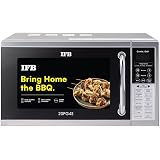
IFB 20L Grill Microwave Oven with Dual Quartz, 61 Auto Cook Menus (20PG4S, Silver, Combi-Cook Modes, Auto Defrost, Child Safety Lock)
₹9,990.00 (as of September 28, 2026 21:05 GMT +05:30 - More infoProduct prices and availability are accurate as of the date/time indicated and are subject to change. Any price and availability information displayed on [relevant Amazon Site(s), as applicable] at the time of purchase will apply to the purchase of this product.)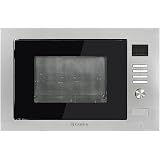
Faber 32L Built-In Microwave Oven || 10 Auto Cook Menus || Grill, Convection, Defrost & Combination Cooking || 1 Yr Warranty || Energy Efficient || FBIMWO 32L CGS with 2 Yr Warranty
₹56,073.00 (as of September 28, 2026 21:05 GMT +05:30 - More infoProduct prices and availability are accurate as of the date/time indicated and are subject to change. Any price and availability information displayed on [relevant Amazon Site(s), as applicable] at the time of purchase will apply to the purchase of this product.)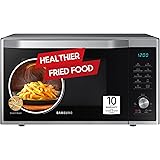
Samsung 32L, Slim Fry, Convection Microwave Oven with Tandoor and Curd making(MC32A7035CT/TL, Stainless Steel, Ceramic Enamel Cavity with 10 Year Warranty)
₹18,860.00 (as of September 28, 2026 21:05 GMT +05:30 - More infoProduct prices and availability are accurate as of the date/time indicated and are subject to change. Any price and availability information displayed on [relevant Amazon Site(s), as applicable] at the time of purchase will apply to the purchase of this product.)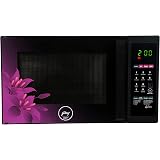
Godrej 34 Litres Convection Microwave Oven (GME 734 CR1 PM, Violet Floral, Dual Grill Technology)
₹18,918.00 (as of September 28, 2026 21:05 GMT +05:30 - More infoProduct prices and availability are accurate as of the date/time indicated and are subject to change. Any price and availability information displayed on [relevant Amazon Site(s), as applicable] at the time of purchase will apply to the purchase of this product.)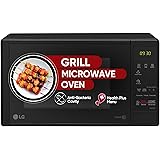
LG 20 L Grill Microwave Oven (MH2044DB, Black, Quartz Heater, I-Wave Technology, Indian Cuisine, Auto Cook Menu, Steam Clean, Anti-Bacterial Cavity & Health plus Menu)
₹7,990.00 (as of September 28, 2026 21:05 GMT +05:30 - More infoProduct prices and availability are accurate as of the date/time indicated and are subject to change. Any price and availability information displayed on [relevant Amazon Site(s), as applicable] at the time of purchase will apply to the purchase of this product.)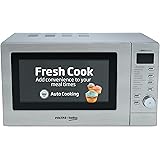
Voltas Beko 20 L Convection Microwave Oven, 10 power levels (MC20SD, Silver)
₹11,499.00 (as of September 28, 2026 21:05 GMT +05:30 - More infoProduct prices and availability are accurate as of the date/time indicated and are subject to change. Any price and availability information displayed on [relevant Amazon Site(s), as applicable] at the time of purchase will apply to the purchase of this product.)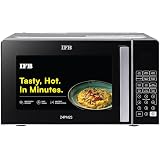
IFB 24L Solo Microwave Oven with 69 Auto Cook Menus (24PM2S, Silver, Mug Recipes, Steam Clean, Auto Reheat, Preset Timer, Power Save, Child Safety Lock, 10 Power Levels)
₹8,490.00 (as of September 28, 2026 21:05 GMT +05:30 - More infoProduct prices and availability are accurate as of the date/time indicated and are subject to change. Any price and availability information displayed on [relevant Amazon Site(s), as applicable] at the time of purchase will apply to the purchase of this product.)
Haier Vogue 20L Lemon Solo Microwave Oven with Auto Cook Menus I Digital Display
₹7,999.00 (as of September 28, 2026 21:05 GMT +05:30 - More infoProduct prices and availability are accurate as of the date/time indicated and are subject to change. Any price and availability information displayed on [relevant Amazon Site(s), as applicable] at the time of purchase will apply to the purchase of this product.)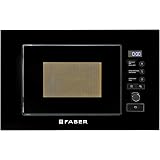
Faber 20L Built-In Black Finish Microwave Oven with Touch Control | Auto Cook Menus & Auto Power Off Protection | Grill, Convection, Defrost & Combination Cooking | 1 Yr Warranty | FBIMWO 20 L SG BK
₹33,990.00 (as of September 28, 2026 21:05 GMT +05:30 - More infoProduct prices and availability are accurate as of the date/time indicated and are subject to change. Any price and availability information displayed on [relevant Amazon Site(s), as applicable] at the time of purchase will apply to the purchase of this product.)