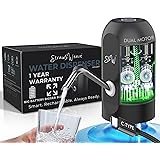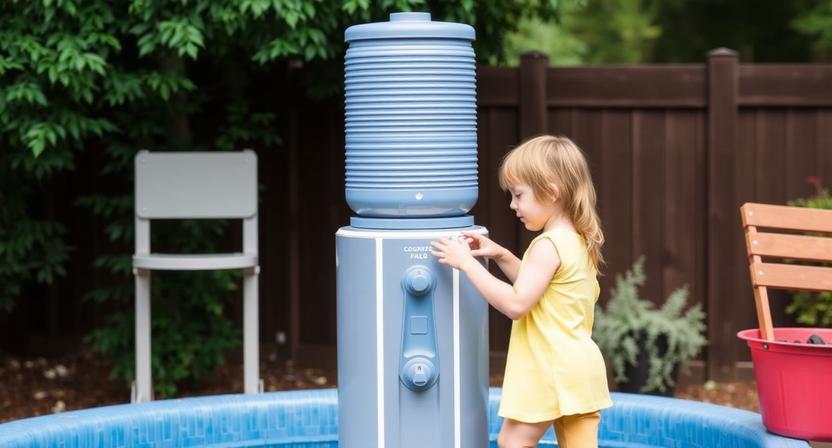
Water coolers, a ubiquitous feature in many homes, offer convenient access to refreshing hydration. However, like any appliance, they come with inherent safety considerations, particularly when children are present. Ensuring your family stays safe around your water cooler requires a proactive approach, encompassing proper placement, maintenance, and vigilant supervision. This article delves into crucial water cooler safety tips, empowering families to enjoy the benefits of their cooler without compromising on well-being.
1. Strategic Placement: The Foundation of Water Cooler Safety
The location of your water cooler is paramount in preventing accidents. Prioritize a stable, level surface that can adequately support the weight of the cooler and its water bottle, especially when full. Avoid placing it on unstable furniture, carpets, or near the edge of countertops where it could be easily knocked over.
Keep it away from high-traffic areas. A busy hallway or the path to a frequently used door increases the risk of accidental bumps and topples. Opt for a more secluded spot, such as a kitchen corner, a dedicated utility room, or a spacious pantry.
Consider proximity to electrical outlets. Water and electricity are a dangerous combination. Ensure the cooler is placed within reach of a grounded electrical outlet, but not so close that spills or condensation could create a hazard. Avoid using extension cords as they can be tripping hazards and may not be rated for the appliance’s power draw.
Think about accessibility for children. While you want to prevent them from tampering, consider how an adult would safely access and change the water bottle. A location that requires excessive bending or reaching can lead to strain and potential accidents.
2. The Water Bottle Factor: Handling with Care
Water cooler bottles, typically made of PET plastic or glass, can be heavy and unwieldy. Always use the correct lifting techniques. Bend your knees, keep your back straight, and lift with your legs, not your back. If the bottle feels too heavy, don’t hesitate to ask for assistance.
Inspect bottles for damage before use. Cracks or leaks can compromise the bottle’s integrity and lead to spills. Discard any damaged bottles immediately.
Secure the bottle properly. Ensure the bottle is firmly seated in its housing and the cap is securely removed or pierced according to the manufacturer’s instructions. A loose bottle can shift and cause water to spill.
For glass bottles, exercise extreme caution. While more environmentally friendly, glass is inherently fragile. Handle with extra care, and consider using a protective sleeve if available.
3. Temperature Control: Avoiding Scalds and Burns
Many water coolers offer both hot and cold water options. This dual functionality necessitates specific safety protocols, especially concerning the hot water dispenser.
Educate all family members about hot water safety. This is non-negotiable. Clearly explain that the hot water is as hot as tap water, and can cause severe burns. Establish a strict “hands-off” rule for young children around the hot water dispenser.
Always dispense hot water with caution. Place a cup or container firmly under the spout before dispensing. Dispense slowly and steadily, avoiding sudden movements.
Never allow children to operate the hot water dispenser unsupervised. Even older children may not fully grasp the potential dangers. Designate an adult to handle hot water dispensing.
Be mindful of steam. When dispensing hot water, steam will be released. Keep your face and hands away from the steam plume to prevent burns.
Consider disabling the hot water feature if it’s not frequently used. Many coolers have a switch to turn off the hot water reservoir, significantly reducing the risk of burns. This is an excellent safety measure for households with very young children or if hot water dispensing is infrequent.
4. Drip Tray and Spills: Maintaining a Clean and Dry Environment
Spills are inevitable, especially with active children. A well-maintained drip tray and prompt cleanup are crucial for preventing slips and falls.
Regularly empty and clean the drip tray. A full drip tray is ineffective and can lead to overflow and larger spills. Clean it with mild soap and water to prevent bacterial growth.
Wipe up spills immediately. Keep a clean cloth or paper towels readily available near the water cooler. Don’t delay in cleaning up any water that spills onto the floor.
Ensure the floor around the cooler is dry. This is particularly important in kitchens or areas where water is frequently used. Consider placing a non-slip mat near the water cooler to absorb minor drips and provide traction.
5. Childproofing Your Water Cooler: Layers of Protection
Children are naturally curious, and water coolers can be an object of fascination. Implementing childproofing measures can prevent unauthorized access and potential accidents.
Utilize child lock features. Many modern water coolers come equipped with built-in child locks for the hot water dispenser. Ensure these locks are engaged at all times.
Consider after-market child safety locks. If your cooler doesn’t have built-in locks, consider purchasing universal child safety locks designed for appliances. These can often be attached to levers or buttons.
Educate older children about the dangers. While child locks are essential, open communication is equally important. Explain to older children why they shouldn’t play with the water cooler, especially the hot water dispenser.
Supervise young children closely. This is the most effective childproofing measure. Never leave young children unattended in an area with an accessible water cooler.
6. Maintenance and Hygiene: A Healthy and Safe Cooler
Beyond immediate safety hazards, regular maintenance ensures the water cooler operates efficiently and hygienically, contributing to overall family health.
Follow the manufacturer’s recommended cleaning schedule. Most manufacturers provide instructions for cleaning the cooler’s interior and exterior. This typically involves disinfecting the spigots and internal components.
Use appropriate cleaning solutions. Avoid harsh chemicals that could contaminate the water. Mild soap and water, or a diluted vinegar solution, are usually sufficient.
Replace water filters as recommended. If your cooler has a filter, adhere to the replacement schedule. Clogged or old filters can reduce water quality and potentially harbor bacteria.
Inspect the power cord and plug regularly. Ensure there are no signs of fraying or damage. A damaged cord can pose an electrical hazard.
Listen for unusual noises. Any strange sounds from the cooler could indicate a mechanical issue that needs professional attention.
7. Emergency Preparedness: Knowing What to Do
Despite all precautions, accidents can happen. Having a plan in place for emergencies can mitigate the severity of any incident.
Know the location of your first-aid kit. Ensure it’s well-stocked with supplies for treating minor burns and cuts.
Familiarize yourself with basic first-aid for burns. In case of a hot water burn, immediately run cool (not ice-cold) water over the affected area for at least 10-20 minutes. Seek medical attention for severe burns.
Have emergency contact numbers readily accessible. This includes numbers for your doctor, local emergency services, and poison control.
Keep the water cooler’s manual handy. It contains important information about operation, troubleshooting, and safety features.
By implementing these comprehensive water cooler safety tips, families can create a secure environment around this convenient appliance, ensuring hydration remains a healthy and worry-free aspect of daily life. Vigilance, education, and proactive measures are the cornerstones of water cooler safety for all ages.
AADYOM Electric Water Dispenser Pump, USB Rechargeable Water Pump with a Push Button and Angled Metal Spout, Compact White and Black Design for Home and Office Refills
₹279.65 (as of October 12, 2026 20:05 GMT +05:30 - More infoProduct prices and availability are accurate as of the date/time indicated and are subject to change. Any price and availability information displayed on [relevant Amazon Site(s), as applicable] at the time of purchase will apply to the purchase of this product.)
Aak Bharat BPA-Free Water Dispenser with Tap, 10L Food-Grade Plastic | Home & Office Use, 10 Litre Capacity, Food-Grade Plastic, Easy-Access Tap
₹239.00 (as of October 12, 2026 20:05 GMT +05:30 - More infoProduct prices and availability are accurate as of the date/time indicated and are subject to change. Any price and availability information displayed on [relevant Amazon Site(s), as applicable] at the time of purchase will apply to the purchase of this product.)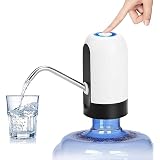
4WAZQAG Gater Dispenser Pump Automatic Wireless Water Can Dispenser Pump for 20 Litre Bottle Water Can Stand Jar Dispenser for Home Office Camping Parties
₹128.00 (as of October 12, 2026 20:05 GMT +05:30 - More infoProduct prices and availability are accurate as of the date/time indicated and are subject to change. Any price and availability information displayed on [relevant Amazon Site(s), as applicable] at the time of purchase will apply to the purchase of this product.)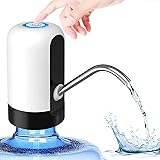
Konquer TimeS KTS Automatic Wireless Water Can Dispenser Pump for 20 Litre Bottle Can, White/Black
₹324.00 (as of October 12, 2026 20:05 GMT +05:30 - More infoProduct prices and availability are accurate as of the date/time indicated and are subject to change. Any price and availability information displayed on [relevant Amazon Site(s), as applicable] at the time of purchase will apply to the purchase of this product.)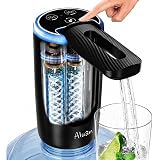
Aluan Foldable Water Dispenser Pump for Home, Automatic Drinking Water Pump for 20 Litre Bottle Portable Water Pump Dispenser with 1200Mah Battery Timed Auto Stop for Office Traveling Camping(Black)
₹664.00 (as of October 12, 2026 20:05 GMT +05:30 - More infoProduct prices and availability are accurate as of the date/time indicated and are subject to change. Any price and availability information displayed on [relevant Amazon Site(s), as applicable] at the time of purchase will apply to the purchase of this product.)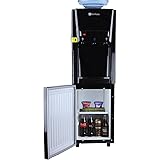
BonKaso Blueprint Hot & Cold Water Dispenser 21C Top Loading with Refrigerator Black, 20 L
₹7,699.00 (as of October 12, 2026 20:05 GMT +05:30 - More infoProduct prices and availability are accurate as of the date/time indicated and are subject to change. Any price and availability information displayed on [relevant Amazon Site(s), as applicable] at the time of purchase will apply to the purchase of this product.)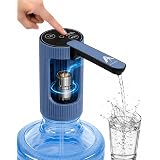
BKK Automatic Water Dispenser Pump for 20 Litre Bottle, USB Rechargeable Portable Electric Water Pump with 12S/60S Timer, 45° Foldable Spout, One Touch Control for Home & Office, 6 Month Warranty
₹299.00 (as of October 12, 2026 20:05 GMT +05:30 - More infoProduct prices and availability are accurate as of the date/time indicated and are subject to change. Any price and availability information displayed on [relevant Amazon Site(s), as applicable] at the time of purchase will apply to the purchase of this product.)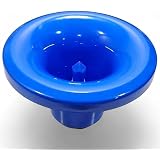
Water Dispenser Spare Parts Compatible with All Model Atlantis
₹549.00 (as of October 12, 2026 20:05 GMT +05:30 - More infoProduct prices and availability are accurate as of the date/time indicated and are subject to change. Any price and availability information displayed on [relevant Amazon Site(s), as applicable] at the time of purchase will apply to the purchase of this product.)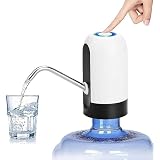
KK Mart Automatic Wireless Water and Oil Can Dispenser Pump for 20 Litre Bottle Can, with Low Noise & High Efficiency
₹249.00 (as of October 12, 2026 20:05 GMT +05:30 - More infoProduct prices and availability are accurate as of the date/time indicated and are subject to change. Any price and availability information displayed on [relevant Amazon Site(s), as applicable] at the time of purchase will apply to the purchase of this product.)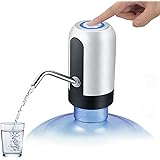
UrbanBite Water Dispenser Pump Automatic Wireless Water Can Dispenser Pump for 20 Litre Bottle Water Can Stand Jar Dispenser for Home Office Camping Parties - White
₹189.00 (as of October 12, 2026 20:05 GMT +05:30 - More infoProduct prices and availability are accurate as of the date/time indicated and are subject to change. Any price and availability information displayed on [relevant Amazon Site(s), as applicable] at the time of purchase will apply to the purchase of this product.)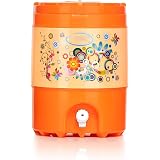
20 Litre Insulated Water Dispenser with Tap, Large Water Cooler Jug with Lid, Portable Water Storage Container for Home, Kitchen, Office, Camping, Picnic, Party & Outdoor Use
₹999.00 (as of October 12, 2026 20:05 GMT +05:30 - More infoProduct prices and availability are accurate as of the date/time indicated and are subject to change. Any price and availability information displayed on [relevant Amazon Site(s), as applicable] at the time of purchase will apply to the purchase of this product.)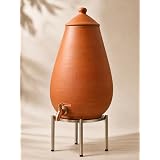
Desi Potters Oval Clay Water Camper with Tap | Handmade Natural Terracotta, Matka Water Dispenser, Earthen Mitti Water Pot, For Home, Kitchen, Office & Serving
₹2,789.00 (as of October 12, 2026 20:05 GMT +05:30 - More infoProduct prices and availability are accurate as of the date/time indicated and are subject to change. Any price and availability information displayed on [relevant Amazon Site(s), as applicable] at the time of purchase will apply to the purchase of this product.)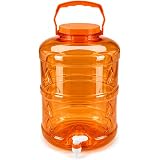
Water Dispenser with Tap, Transparent Plastic Water Storage Container with Wide Mouth Drinking Water Jar (Orange, 20 Liter)
₹399.00 (as of October 12, 2026 20:05 GMT +05:30 - More infoProduct prices and availability are accurate as of the date/time indicated and are subject to change. Any price and availability information displayed on [relevant Amazon Site(s), as applicable] at the time of purchase will apply to the purchase of this product.)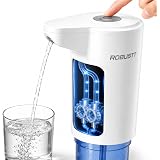
Robustt Water Dispenser Pump for 20 Litre Water Bottle | USB Type-C Rechargeable Electric Water Can Dispenser | One-Touch Drinking Water Dispenser for Home, Office & Outdoor Use | White
₹331.00 (as of October 12, 2026 20:05 GMT +05:30 - More infoProduct prices and availability are accurate as of the date/time indicated and are subject to change. Any price and availability information displayed on [relevant Amazon Site(s), as applicable] at the time of purchase will apply to the purchase of this product.)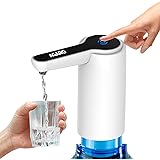
AGARO Electric Water Dispenser Pump, Automatic Water Dispenser Pump, USB Rechargeable, Drinking Water Pump for 20 Litre Bottle Can, Retention and Portable Water Pump Home, Camping, Party (White)
₹455.00 (as of October 12, 2026 20:05 GMT +05:30 - More infoProduct prices and availability are accurate as of the date/time indicated and are subject to change. Any price and availability information displayed on [relevant Amazon Site(s), as applicable] at the time of purchase will apply to the purchase of this product.)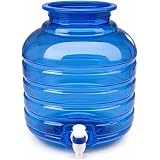
Plastic Water Dispenser 10L for Bottle Jar with Tap | Water Matka | Pani Matka Jar Water Contenar BPA Free Plastic, Blue Pack of 1
₹253.00 (as of October 12, 2026 20:05 GMT +05:30 - More infoProduct prices and availability are accurate as of the date/time indicated and are subject to change. Any price and availability information displayed on [relevant Amazon Site(s), as applicable] at the time of purchase will apply to the purchase of this product.)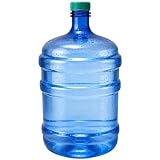
Water Cane Plastic Blue 20L Water Bottle Removable Dispenser Water Cooling Machine Bottle Reusable Large Capacity Bottle and Removeable Cap
₹350.00 (as of October 12, 2026 20:05 GMT +05:30 - More infoProduct prices and availability are accurate as of the date/time indicated and are subject to change. Any price and availability information displayed on [relevant Amazon Site(s), as applicable] at the time of purchase will apply to the purchase of this product.)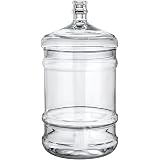
PAALS® Water Dispenser Plastic Bottle 20L I Mineral Water Dispensers Jar I Drinking Water Can I PAALS® BPA Free Water Bottle Large Container I Without Cap (Transparent)
₹439.00 (as of October 12, 2026 20:05 GMT +05:30 - More infoProduct prices and availability are accurate as of the date/time indicated and are subject to change. Any price and availability information displayed on [relevant Amazon Site(s), as applicable] at the time of purchase will apply to the purchase of this product.)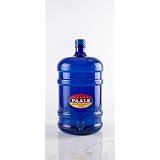
PAALS® Water Dispenser Plastic Bottle 20L I Mineral Water Dispensers Jar I Drinking Water Can I BPA Free Water Bottle Large Container with Built-in Tap and Thread Cap Multi Colour (Blue)
₹449.00 (as of October 12, 2026 20:05 GMT +05:30 - More infoProduct prices and availability are accurate as of the date/time indicated and are subject to change. Any price and availability information displayed on [relevant Amazon Site(s), as applicable] at the time of purchase will apply to the purchase of this product.)