Summer is a vibrant season, bursting with opportunities for outdoor activity and athletic pursuits. Whether you’re a seasoned athlete aiming for peak performance, a casual enthusiast seeking to stay active, or a parent guiding young champions, intelligent tracking is the key to unlocking your full potential and ensuring every swing, stride, and splash counts. Forget haphazard notes and unreliable memory; the smartest way to track your summer sports involves leveraging technology, understanding your data, and adapting your approach for continuous improvement and amplified enjoyment.
I. The Foundation: Choosing Your Tracking Arsenal
The modern landscape offers a diverse array of tools, each catering to different needs and preferences. The initial step in smart tracking is selecting the right arsenal.
-
Wearable Technology: Your Personal Data Hub
- Smartwatches & Fitness Trackers: These are the undisputed champions for comprehensive, real-time data collection. They monitor heart rate, steps, distance, calories burned, sleep patterns, and often GPS for outdoor activities. Brands like Apple Watch, Garmin, Fitbit, and Samsung Galaxy Watch offer varying levels of sophistication and specialized features for specific sports. For runners, cyclists, and swimmers, GPS accuracy and sport-specific metrics (pace, cadence, stroke rate) are paramount. For general fitness, heart rate zones and activity duration are key indicators.
- Sport-Specific Devices: For niche activities, consider dedicated devices. Golfers might opt for GPS rangefinders or swing analyzers that attach to their clubs. Tennis players could use smart sensors that clip onto their rackets to analyze serve speed, spin, and shot placement. Cyclists benefit from power meters and cadence sensors for granular performance insights.
-
Smartphone Apps: Versatile and Accessible
- Dedicated Sports Apps: Platforms like Strava, Nike Run Club, MyFitnessPal, and TrainingPeaks offer robust tracking capabilities for a multitude of sports. Strava excels in social sharing and segment challenges, motivating users through friendly competition. Nike Run Club provides guided runs and personalized training plans. MyFitnessPal is ideal for tracking nutrition alongside activity, crucial for optimizing performance and recovery. TrainingPeaks is a powerhouse for structured training, allowing coaches and athletes to meticulously plan and analyze workouts.
- General Health & Fitness Apps: Most smartphones come with built-in health apps (Apple Health, Google Fit) that aggregate data from wearables and manual input, providing a holistic view of your well-being. These are excellent for casual tracking and understanding daily activity levels.
-
Manual Input & Journaling: The Human Touch
- Digital Journals: While technology is powerful, sometimes a pen and paper, or a simple notes app, can be incredibly effective. Manually logging subjective feelings (energy levels, perceived exertion, mood), specific drills practiced, or any unusual sensations can provide invaluable context that sensors miss. This is particularly useful for identifying mental fatigue or early signs of overtraining.
- Spreadsheets: For the data-inclined, spreadsheets (Google Sheets, Excel) offer ultimate customization. You can create detailed logs for every aspect of your training, from workout specifics to nutrition, sleep, and recovery, allowing for deep dive analysis and trend identification.
II. The Science of Tracking: What to Measure and Why
Simply collecting data is insufficient; understanding what to measure and why is where true intelligence lies.
-
Performance Metrics: Quantifying Progress
- Running: Pace (min/mile or min/km), distance, elevation gain, heart rate zones, cadence, stride length, VO2 max estimates.
- Cycling: Speed, distance, cadence, power output (watts), heart rate zones, elevation gain.
- Swimming: Distance, pace (per 100m/yd), stroke rate, SWOLF score (strokes per length + time per length), heart rate (if using waterproof sensors).
- Team Sports (Soccer, Basketball, etc.): While harder to quantify precisely, apps can track distance covered, sprints, and heart rate. Focus on session duration, intensity, and perceived exertion.
- Strength Training: Sets, reps, weight lifted, rest periods, perceived exertion.
-
Physiological Indicators: Listening to Your Body
- Heart Rate: Resting heart rate (a key indicator of cardiovascular fitness and recovery), heart rate during exercise (to gauge intensity and effort), and heart rate variability (HRV – a nuanced measure of autonomic nervous system balance and recovery). Many wearables now offer advanced HRV tracking.
- Sleep: Duration, quality (deep, REM, light sleep), and consistency. Poor sleep significantly impacts performance and recovery.
- Recovery: Subjective measures like muscle soreness, fatigue levels, and readiness scores (often provided by advanced wearables).
-
Subjective Data: The Unquantifiable Edge
- Perceived Exertion (RPE): A scale from 1-10 to gauge how hard you feel you’re working. This is crucial for aligning objective data with your body’s signals.
- Mood and Energy Levels: Logging these can reveal the impact of training, sleep, and nutrition on your overall well-being.
- Nutrition and Hydration: What you consume directly impacts your energy, recovery, and performance. Tracking macronutrients, micronutrients, and fluid intake is vital.
III. The Art of Analysis: Turning Data into Action
Data is only useful if it informs your decisions. Smart tracking involves a continuous loop of collecting, analyzing, and adapting.
- Establish Baselines: Before diving deep, understand your starting point. Track your performance in a typical session to establish a baseline for comparison.
- Identify Trends: Look for patterns over time. Are you consistently improving your pace? Is your resting heart rate decreasing? Are you experiencing increased fatigue after certain types of workouts?
- Set SMART Goals: Make your goals Specific, Measurable, Achievable, Relevant, and Time-bound. Use your tracked data to inform realistic goal setting. For example, instead of “run faster,” aim for “increase average running pace by 10 seconds per mile over the next 8 weeks.”
- Analyze Performance Against Goals: Regularly review your tracked data in relation to your goals. Are you on track? If not, why?
- Understand the “Why” Behind the Numbers: Don’t just look at the numbers; try to understand what they mean for your body. A sudden spike in heart rate might indicate dehydration or insufficient sleep. A plateau in performance could signal the need for a change in training stimulus.
- Cross-Reference Data Sources: Correlate data from different sources. Does a poor night’s sleep correlate with a slower run or lower power output on the bike? Does a specific meal impact your energy levels during a workout?
- Visualize Your Data: Many apps and platforms offer charting and graphing tools. Visualizing your progress can be incredibly motivating and make complex data easier to understand.
IV. The Smartest Strategies for Summer Sports Tracking
Beyond the tools and metrics, specific strategies elevate your tracking from mere data collection to intelligent optimization.
- Consistency is Key: Track every relevant activity, even the “easy” ones. Sporadic tracking provides an incomplete picture.
- Listen to Your Body First, Then the Data: Technology is a powerful guide, but your body’s signals are paramount. If you feel unwell or overly fatigued, don’t push through just because your watch says you’re “ready.”
- Embrace Periodization: Structure your training with varying intensity and volume. Tracking helps you monitor your body’s response to different training phases and adjust accordingly.
- Prioritize Recovery: Track sleep, hydration, and perceived soreness. Adequate recovery is as crucial as the training itself for preventing injury and maximizing gains.
- Don’t Fear Plateaus: Plateaus are normal. Use your tracking data to identify potential causes – insufficient training load, lack of variety, or inadequate recovery – and adjust your plan.
- Leverage Social Accountability (When Appropriate): Platforms like Strava allow you to share your activities with friends or training partners. This can provide motivation and a sense of accountability.
- Review and Reflect Regularly: Schedule time each week or month to review your tracked data. This is where insights are born and adjustments are made.
- Adapt and Evolve: Your tracking strategy shouldn’t be static. As your fitness improves and your goals change, so too should your approach to tracking. Experiment with different metrics and tools to find what works best for you.
- Focus on Enjoyment: Ultimately, summer sports are about fun. Smart tracking should enhance, not detract from, your enjoyment. It should empower you to perform better, feel healthier, and make the most of your active season.
By adopting a thoughtful, data-driven, and body-aware approach to tracking your summer sports, you transform passive participation into active optimization. This intelligent methodology ensures every effort is measured, every recovery is understood, and every summer day is an opportunity to excel and truly savor the thrill of athletic pursuit.
Nex-Q2 Smart Fitness Band with Heart Rate Monitoring, HRV Analysis, Stress Monitoring, Sleep Tracking, 25+ Days Battery Life, 30+ Sports Modes, Subscription Free
₹2,799.00 (as of October 9, 2026 19:58 GMT +05:30 - More infoProduct prices and availability are accurate as of the date/time indicated and are subject to change. Any price and availability information displayed on [relevant Amazon Site(s), as applicable] at the time of purchase will apply to the purchase of this product.)
Google Fitbit Air - Screenless Activity Tracker with Fitness, Heart Rate, and Sleep Tracking - Personalized AI-Powered Coaching - Up to 7 Days’ Battery Life - Works with iOS and Android - Obsidian
₹13,999.00 (as of October 9, 2026 19:58 GMT +05:30 - More infoProduct prices and availability are accurate as of the date/time indicated and are subject to change. Any price and availability information displayed on [relevant Amazon Site(s), as applicable] at the time of purchase will apply to the purchase of this product.)
Loop Smart Band Health & Fitness Tracker ECG PPG Body Temperature, HRV Analysis, 30+ Sports Modes, Sleep and Stress Monitor, Subscription Free Screenless Smart Bracele (Black)
₹6,350.00 (as of October 9, 2026 19:58 GMT +05:30 - More infoProduct prices and availability are accurate as of the date/time indicated and are subject to change. Any price and availability information displayed on [relevant Amazon Site(s), as applicable] at the time of purchase will apply to the purchase of this product.)
Pebble Qore Fitness Band with 45 Days Battery Life| 100+ Sports Modes| Advanced Health Tracking HR| SpO2| Stress| Sleep| OneKey Measurement| Smart Notifications - Midnight Blue
₹2,499.00 (as of October 9, 2026 19:58 GMT +05:30 - More infoProduct prices and availability are accurate as of the date/time indicated and are subject to change. Any price and availability information displayed on [relevant Amazon Site(s), as applicable] at the time of purchase will apply to the purchase of this product.)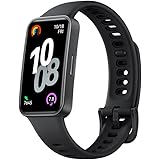
Huawei Band 10 Smartwatch with AI-Powered Fitness Monitoring, Pro-Level Sleep Analysis, Emotional Wellbeing Assistant,Streamlined Metallic Design,Fast Charging,iOS Android (Band 10, Strap Black)
₹3,299.00 (as of October 9, 2026 19:58 GMT +05:30 - More infoProduct prices and availability are accurate as of the date/time indicated and are subject to change. Any price and availability information displayed on [relevant Amazon Site(s), as applicable] at the time of purchase will apply to the purchase of this product.)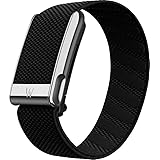
Whoop MG Life – Health and Fitness Tracker -12-Month Membership – 24/7 Activity and Sleep Tracker– Blood Pressure Insights, Activity Tracking – ECG Software – 14+ Days Battery Life
₹47,050.00 (as of October 9, 2026 19:58 GMT +05:30 - More infoProduct prices and availability are accurate as of the date/time indicated and are subject to change. Any price and availability information displayed on [relevant Amazon Site(s), as applicable] at the time of purchase will apply to the purchase of this product.)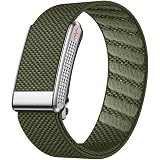
Theera wellness Smart band | Fitness Tracker, Sleep | Stress | ECG | Non-invasive blood glucose measurement | HRV | Body temparature | IPX8 | Blood pressure | 10+ Days Battery Life | Grey (Olive Green)
₹6,999.00 (as of October 9, 2026 19:58 GMT +05:30 - More infoProduct prices and availability are accurate as of the date/time indicated and are subject to change. Any price and availability information displayed on [relevant Amazon Site(s), as applicable] at the time of purchase will apply to the purchase of this product.)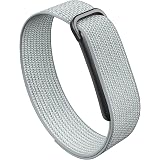
Fit Style Smart Band Fitness Health Activity Tracker HRV Analysis, Sleep and Stress Monitor, Subscription Free Screenless Smart Bracelet (Gray)
₹3,100.00 (as of October 9, 2026 19:58 GMT +05:30 - More infoProduct prices and availability are accurate as of the date/time indicated and are subject to change. Any price and availability information displayed on [relevant Amazon Site(s), as applicable] at the time of purchase will apply to the purchase of this product.)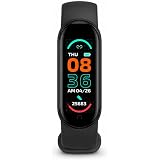
Drumstone 𝟏𝟓 𝐘𝐞𝐚𝐫 𝐋𝐨𝐧𝐠 𝐋𝐢𝐟𝐞 𝐖𝐚𝐫𝐫𝐚𝐧𝐭𝐲 Smart Fitness Band with Heart Rate Monitor, Step Counter, Sleep Monitor, Bluetooth Activity Tracker, Waterproof Sports Band for Men & Women
₹889.00 (as of October 9, 2026 19:58 GMT +05:30 - More infoProduct prices and availability are accurate as of the date/time indicated and are subject to change. Any price and availability information displayed on [relevant Amazon Site(s), as applicable] at the time of purchase will apply to the purchase of this product.)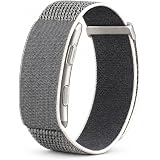
BYDEE Smart Fitness Tracker | Heart Rate, SpO2, Sleep & ECG Monitor | Trusted Fitness Data| 7 Days Battery | Body Temperature | Multi-Sport Tracker for Daily Health & Fitness| Smart Band
Now retrieving the price.
(as of October 9, 2026 19:58 GMT +05:30 - More infoProduct prices and availability are accurate as of the date/time indicated and are subject to change. Any price and availability information displayed on [relevant Amazon Site(s), as applicable] at the time of purchase will apply to the purchase of this product.)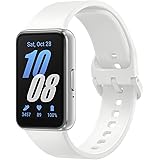
Samsung Galaxy Fit3 Smartwatch Silver (Silver) SM-R390
₹3,899.00 (as of October 9, 2026 19:58 GMT +05:30 - More infoProduct prices and availability are accurate as of the date/time indicated and are subject to change. Any price and availability information displayed on [relevant Amazon Site(s), as applicable] at the time of purchase will apply to the purchase of this product.)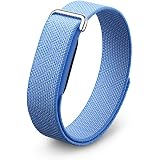
Google Fitbit Air - Screenless Activity Tracker with Fitness, Heart Rate, and Sleep Tracking - Personalized AI-Powered Coaching - Up to 7 Days’ Battery Life - Works with iOS and Android - Lavender
₹15,999.00 (as of October 9, 2026 19:58 GMT +05:30 - More infoProduct prices and availability are accurate as of the date/time indicated and are subject to change. Any price and availability information displayed on [relevant Amazon Site(s), as applicable] at the time of purchase will apply to the purchase of this product.)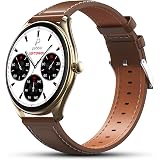
Pebble Royale Legend 1.43" AMOLED Display, Slimmest Design, Bluetooth Calling, Premium Built, Always On Display, Multi Sports Mode, Health Suite, Smart Calculator (Brown)
Now retrieving the price.
(as of October 9, 2026 19:58 GMT +05:30 - More infoProduct prices and availability are accurate as of the date/time indicated and are subject to change. Any price and availability information displayed on [relevant Amazon Site(s), as applicable] at the time of purchase will apply to the purchase of this product.)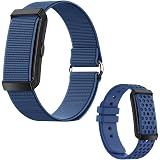
pTron Reflect ACE Smart Fitness Band w/ 45 Days Battery Life, 112 Sports Modes, Heart Rate, SpO2, Stress, Sleep Tracking, HRV, Smart Notifications, 1-Key Measurement, Nylon & Silicon Straps (Blue)
₹2,299.00 (as of October 9, 2026 19:58 GMT +05:30 - More infoProduct prices and availability are accurate as of the date/time indicated and are subject to change. Any price and availability information displayed on [relevant Amazon Site(s), as applicable] at the time of purchase will apply to the purchase of this product.)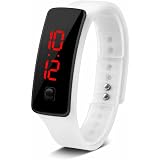
Drumstone 𝟏𝟓 𝐘𝐞𝐚𝐫 𝐋𝐨𝐧𝐠 𝐋𝐢𝐟𝐞 𝐖𝐚𝐫𝐫𝐚𝐧𝐭𝐲 Touch Screen LED Smart Fitness Band Silicone Wrist Watch, Electronic Sports Watch for Kids, Men, Women, Everyday Outdoor Use
₹499.00 (as of October 9, 2026 19:58 GMT +05:30 - More infoProduct prices and availability are accurate as of the date/time indicated and are subject to change. Any price and availability information displayed on [relevant Amazon Site(s), as applicable] at the time of purchase will apply to the purchase of this product.)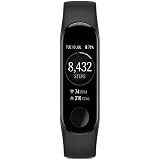
Lambent 𝟏 𝐘𝐞𝐚𝐫𝐬 𝐖𝐚𝐫𝐫𝐚𝐧𝐭𝐲 Smart Fitness Band with OLED Display Bluetooth Activity Tracker Heart Rate Monitor Step Counter Waterproof Silicone Strap Rechargeable Fitness Watch for Daily
₹899.00 (as of October 9, 2026 19:58 GMT +05:30 - More infoProduct prices and availability are accurate as of the date/time indicated and are subject to change. Any price and availability information displayed on [relevant Amazon Site(s), as applicable] at the time of purchase will apply to the purchase of this product.)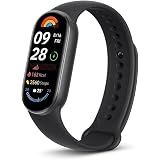
Drumstone (10 Year Warranty Smart Band 9 Global Version, 1.62" AMOLED Display with 1200-Nit Brightness, Up to 21-Day Battery Life, 150+, Bluetooth 5.4 & 50M Water-Resistant Fitness Tracker, Black
₹769.00 (as of October 9, 2026 19:58 GMT +05:30 - More infoProduct prices and availability are accurate as of the date/time indicated and are subject to change. Any price and availability information displayed on [relevant Amazon Site(s), as applicable] at the time of purchase will apply to the purchase of this product.)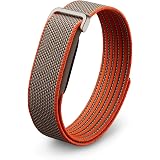
Google Fitbit Air - Screenless Fitness and Health Tracking - Works with Android and iOS - Stephen Curry Special Edition
₹23,949.00 (as of October 9, 2026 19:58 GMT +05:30 - More infoProduct prices and availability are accurate as of the date/time indicated and are subject to change. Any price and availability information displayed on [relevant Amazon Site(s), as applicable] at the time of purchase will apply to the purchase of this product.)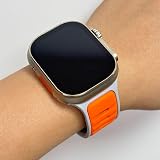
UGMA Products Android Smart Watch, Black, 1.99-inch Touch Display | bluetooth
₹499.00 (as of October 9, 2026 19:58 GMT +05:30 - More infoProduct prices and availability are accurate as of the date/time indicated and are subject to change. Any price and availability information displayed on [relevant Amazon Site(s), as applicable] at the time of purchase will apply to the purchase of this product.)