
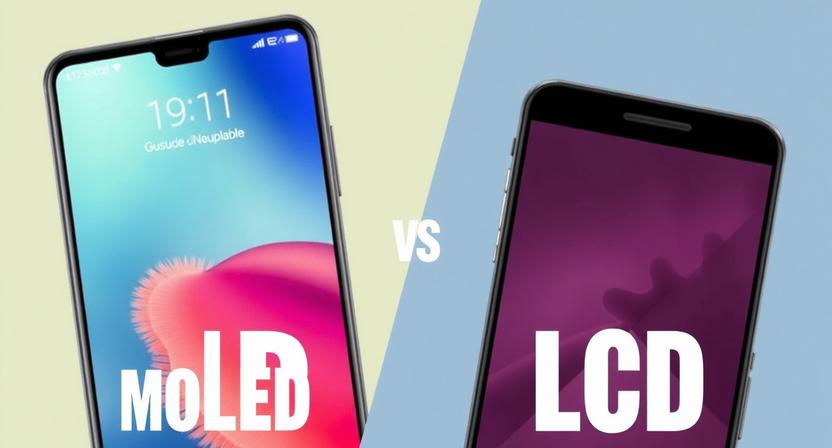
In the ever-evolving landscape of smartphone technology, the display remains a cornerstone of user experience. From vibrant visuals to power efficiency, the screen dictates how we interact with our devices. For years, two dominant display technologies have vied for supremacy: LCD (Liquid Crystal Display) and AMOLED (Active-Matrix Organic Light-Emitting Diode). While both have their strengths, understanding their fundamental differences is crucial to discerning which technology truly reigns supreme for your smartphone needs.
Deconstructing the Technologies: How They Work
At their core, LCD and AMOLED operate on vastly different principles. LCD technology relies on a backlight, typically LEDs, that shines through a layer of liquid crystals. These crystals, when subjected to an electrical current, twist and untwist to either block or allow light to pass through colored filters, creating the pixels you see. This means that even when displaying a black pixel, the backlight is still on, albeit filtered to appear dark.
AMOLED, on the other hand, is a self-emissive technology. Each individual pixel in an AMOLED display is an organic light-emitting diode that produces its own light when an electric current passes through it. This fundamental difference is the source of many of AMOLED’s advantages. When an AMOLED pixel is meant to display black, it simply turns off, emitting no light whatsoever.
Visual Fidelity: Color, Contrast, and Brightness
The most immediate and impactful difference between AMOLED and LCD lies in their visual output. AMOLED displays are renowned for their superior contrast ratios. Because black pixels are truly black, the difference between the darkest and brightest parts of an image is immense, resulting in incredibly deep blacks and vibrant colors that pop. This makes AMOLED ideal for media consumption, gaming, and viewing HDR (High Dynamic Range) content, where the dynamic range of colors and brightness is paramount.
LCDs, while capable of producing excellent colors, often struggle to achieve the same level of contrast. The inherent backlight means that blacks are never truly black, leading to a slightly washed-out appearance when compared to AMOLED. However, advancements in LCD technology, such as local dimming, have helped to mitigate this issue in higher-end LCD panels, allowing for better control over backlight illumination.
Color accuracy is another area where AMOLED often shines. The self-emissive nature allows for precise control over individual pixel color emission, leading to more vivid and accurate color reproduction. While premium LCDs can also achieve excellent color accuracy, AMOLED’s inherent ability to produce pure black further enhances the perceived richness and depth of colors.
Brightness is a more nuanced comparison. Traditionally, high-end LCD panels could achieve higher peak brightness levels than AMOLED, making them more suitable for outdoor use in direct sunlight. However, recent AMOLED advancements have closed this gap significantly, with many flagship AMOLED displays now rivaling or even surpassing the peak brightness of their LCD counterparts. This makes legibility in bright conditions a less decisive factor than it once was.
Power Efficiency: The Battery Life Battle
The power consumption of a smartphone display is a critical factor for battery life. Here, AMOLED holds a distinct advantage, particularly in scenarios involving dark content. Because AMOLED pixels emit their own light and can be individually turned off, displaying dark themes, black wallpapers, or content with significant black areas consumes considerably less power than on an LCD.
In contrast, an LCD’s backlight is always on, regardless of the content being displayed. While the liquid crystals can block light, they still require energy to operate. Therefore, when displaying predominantly white or bright content, the power consumption between AMOLED and LCD can be more comparable, with some high-brightness LCDs potentially consuming less in these specific scenarios. However, for the average user who engages in a mix of activities, AMOLED’s efficiency with darker content often translates to better overall battery life.
Durability and Longevity: The Burn-in Concern
One of the historical drawbacks of AMOLED technology has been the potential for burn-in. This occurs when static images are displayed for extended periods, causing the organic compounds in the diodes to degrade unevenly, leaving a permanent ghost image on the screen. While this was a more prevalent issue in early AMOLED panels, modern AMOLED displays incorporate advanced pixel management techniques and software safeguards to significantly mitigate this risk. For typical smartphone usage, burn-in is rarely a concern for most users.
LCDs, on the other hand, are generally more resistant to burn-in. Their reliance on liquid crystals and a backlight makes them less susceptible to permanent image retention. However, LCDs can be more prone to physical damage due to their layered construction and the presence of a backlight unit, which can be more fragile than the simpler structure of an AMOLED panel.
Refresh Rate and Response Time: The Smoothness Factor
The refresh rate of a display, measured in Hertz (Hz), determines how many times the screen updates per second. A higher refresh rate results in smoother scrolling, more fluid animations, and a more responsive gaming experience. Both AMOLED and LCD technologies can achieve high refresh rates, with many modern smartphones offering 120Hz or even higher.
However, AMOLED generally boasts significantly faster response times. Response time refers to how quickly a pixel can change from one color to another. AMOLED’s self-emissive nature allows for near-instantaneous pixel transitions, resulting in virtually no motion blur during fast-paced action. LCDs, due to the physical movement of liquid crystals, have slower response times, which can lead to noticeable ghosting or smearing in fast-moving content. This makes AMOLED the preferred choice for gamers and users who prioritize a fluid visual experience.
Cost and Availability: The Economic Equation
Historically, AMOLED displays were more expensive to manufacture, contributing to higher smartphone prices. This often led to LCD being the dominant technology in mid-range and budget-friendly devices. However, as AMOLED manufacturing processes have matured and scaled, the cost difference has diminished considerably.
Today, while premium AMOLED panels are still found in flagship devices, AMOLED technology is increasingly trickling down into more affordable smartphones. Conversely, high-quality LCD panels are still prevalent in many devices across various price points, offering a compelling alternative for users who prioritize other features or are on a tighter budget.
The Verdict: A Matter of Priorities
Ultimately, the question of which display technology reigns supreme is not a simple one. Both AMOLED and LCD offer compelling advantages, and the “best” choice depends heavily on individual user priorities and the specific implementation of the technology by the manufacturer.
For users who demand the absolute best in visual fidelity, with unparalleled contrast, vibrant colors, and deep blacks, AMOLED is the clear winner. Its superior performance in media consumption, gaming, and HDR content makes it the choice for enthusiasts and power users. The improved power efficiency, especially with darker themes, is also a significant benefit for battery-conscious individuals.
However, for users who prioritize affordability, are less concerned with the absolute deepest blacks, or are particularly worried about potential burn-in (though less of a concern now), high-quality LCD displays remain an excellent option. They offer good color reproduction, decent brightness, and are generally more cost-effective.
The smartphone market is a dynamic ecosystem, and both AMOLED and LCD technologies continue to evolve. As manufacturers push the boundaries of innovation, the lines between the two are becoming increasingly blurred. For the discerning consumer, understanding these fundamental differences allows for a more informed decision, ensuring that the screen you gaze at every day truly enhances your smartphone experience.
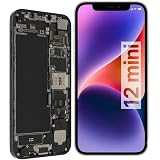
Compatible with iPhone 12 Mini 5.4 Inch, Screen Assembly with Clear Display, Responsive Touchscreen, Durable Replacement Digitizer and Easy Installation
₹2,499.00 (as of September 21, 2026 11:31 GMT +05:30 - More infoProduct prices and availability are accurate as of the date/time indicated and are subject to change. Any price and availability information displayed on [relevant Amazon Site(s), as applicable] at the time of purchase will apply to the purchase of this product.)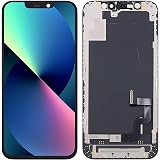
Premium 6.1" Screen Replacement for iPhone 12 – Full HD LCD Display Digitizer Assembly with 3D Touch
₹1,999.00 (as of September 21, 2026 11:31 GMT +05:30 - More infoProduct prices and availability are accurate as of the date/time indicated and are subject to change. Any price and availability information displayed on [relevant Amazon Site(s), as applicable] at the time of purchase will apply to the purchase of this product.)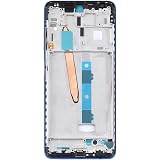
TEKNIVO Poco X3/X3 PRO Compatible LCD Frame Front Panel (Blue)
₹499.00 (as of September 21, 2026 11:31 GMT +05:30 - More infoProduct prices and availability are accurate as of the date/time indicated and are subject to change. Any price and availability information displayed on [relevant Amazon Site(s), as applicable] at the time of purchase will apply to the purchase of this product.)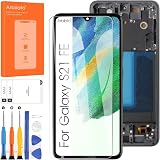
OLED Screen for Samsung Galaxy S21 FE 5G Screen Replacement for Samsung S21 FE 5G LCD Screen SM-G990B,SM-G990U Touch Display Digitizer Assembly Repair Parts With Frame(Black With Fingerprint Function)
₹14,455.00 (as of September 21, 2026 11:31 GMT +05:30 - More infoProduct prices and availability are accurate as of the date/time indicated and are subject to change. Any price and availability information displayed on [relevant Amazon Site(s), as applicable] at the time of purchase will apply to the purchase of this product.)
Premium 6.1" Screen Replacement for iPhone 12 Pro – Full HD LCD Display Digitizer Assembly with 3D Touch
₹2,799.00 (as of September 21, 2026 11:31 GMT +05:30 - More infoProduct prices and availability are accurate as of the date/time indicated and are subject to change. Any price and availability information displayed on [relevant Amazon Site(s), as applicable] at the time of purchase will apply to the purchase of this product.)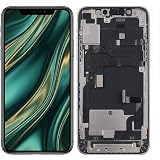
Premium OLED Compatible iPhone 12 Replacement Display Screen | Original Quality LCD Touchscreen
₹4,299.00 (as of September 21, 2026 11:31 GMT +05:30 - More infoProduct prices and availability are accurate as of the date/time indicated and are subject to change. Any price and availability information displayed on [relevant Amazon Site(s), as applicable] at the time of purchase will apply to the purchase of this product.)
Premium 6.7" Screen Replacement for iPhone 15 Pro Max – Full HD LCD Display Digitizer Assembly with 3D Touch
₹4,299.00 (as of September 21, 2026 11:31 GMT +05:30 - More infoProduct prices and availability are accurate as of the date/time indicated and are subject to change. Any price and availability information displayed on [relevant Amazon Site(s), as applicable] at the time of purchase will apply to the purchase of this product.)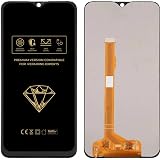
LCD Display Touch Screen Assembly for Vivo Y12, Y11, Y15, Y17, Y3, U3X, U10, Premium Display
Now retrieving the price.
(as of September 21, 2026 11:31 GMT +05:30 - More infoProduct prices and availability are accurate as of the date/time indicated and are subject to change. Any price and availability information displayed on [relevant Amazon Site(s), as applicable] at the time of purchase will apply to the purchase of this product.)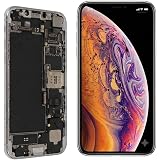
Compatible with iPhone Xs Max Screen Assembly with Clear Display, Responsive Touchscreen, Durable Replacement Digitizer and Easy Installation
₹1,999.00 (as of September 21, 2026 11:31 GMT +05:30 - More infoProduct prices and availability are accurate as of the date/time indicated and are subject to change. Any price and availability information displayed on [relevant Amazon Site(s), as applicable] at the time of purchase will apply to the purchase of this product.)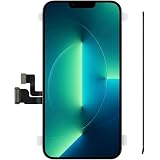
Compatible with iPhone 13 Pro 6.1 Inch, Screen Assembly with Clear HD Display, Responsive Touchscreen, Durable Replacement Digitizer and Easy Installation
₹2,899.00 (as of September 21, 2026 11:31 GMT +05:30 - More infoProduct prices and availability are accurate as of the date/time indicated and are subject to change. Any price and availability information displayed on [relevant Amazon Site(s), as applicable] at the time of purchase will apply to the purchase of this product.)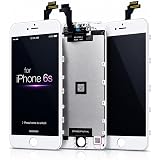
HD Quality Display Screen Replacement Compatible with iPhone 6s, Full HD IPS, White
Now retrieving the price.
(as of September 21, 2026 11:31 GMT +05:30 - More infoProduct prices and availability are accurate as of the date/time indicated and are subject to change. Any price and availability information displayed on [relevant Amazon Site(s), as applicable] at the time of purchase will apply to the purchase of this product.)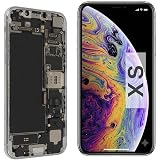
Compatible with iPhone Xs 5.8 Inch, Screen Assembly with Clear Display, Responsive Touchscreen, Durable Replacement Digitizer and Easy Installation
₹1,699.00 (as of September 21, 2026 11:31 GMT +05:30 - More infoProduct prices and availability are accurate as of the date/time indicated and are subject to change. Any price and availability information displayed on [relevant Amazon Site(s), as applicable] at the time of purchase will apply to the purchase of this product.)
Premium 6.9" Screen Replacement for iPhone 16 Pro Max – Full HD LCD Display Digitizer Assembly with 3D Touch
Now retrieving the price.
(as of September 21, 2026 11:31 GMT +05:30 - More infoProduct prices and availability are accurate as of the date/time indicated and are subject to change. Any price and availability information displayed on [relevant Amazon Site(s), as applicable] at the time of purchase will apply to the purchase of this product.)
Original Quality LCD Screen Replacement Display Combo Folder for Vivo Y20 | Original LCD, Display Combo, Replacement Part, Vivo Y20 Compatible, Original Display
Now retrieving the price.
(as of September 21, 2026 11:31 GMT +05:30 - More infoProduct prices and availability are accurate as of the date/time indicated and are subject to change. Any price and availability information displayed on [relevant Amazon Site(s), as applicable] at the time of purchase will apply to the purchase of this product.)
Premium 5.8" Screen Replacement for iPhone 11 Pro – Full HD LCD Display Digitizer Assembly with 3D Touch
₹2,699.00 (as of September 21, 2026 11:31 GMT +05:30 - More infoProduct prices and availability are accurate as of the date/time indicated and are subject to change. Any price and availability information displayed on [relevant Amazon Site(s), as applicable] at the time of purchase will apply to the purchase of this product.)
TEKNIVO Poco F1 Compatible LCD Frame Front Panel – Black,
₹399.00 (as of September 21, 2026 11:31 GMT +05:30 - More infoProduct prices and availability are accurate as of the date/time indicated and are subject to change. Any price and availability information displayed on [relevant Amazon Site(s), as applicable] at the time of purchase will apply to the purchase of this product.)
LCD Touch Glass Combo Folder Compatible for Mi AMOLED Display with Touch Screen Digitizer (Mi 12 5g)
₹1,946.00 (as of September 21, 2026 11:31 GMT +05:30 - More infoProduct prices and availability are accurate as of the date/time indicated and are subject to change. Any price and availability information displayed on [relevant Amazon Site(s), as applicable] at the time of purchase will apply to the purchase of this product.)
14 Inch Mobile Phone Screen Magnifier,Folding Stand Holder Portable Anti-Radiation for Movie Video Enlarger 3D Phone Agnifier Screen Pull Design for All Smartphone(Black)
₹249.00 (as of September 21, 2026 11:31 GMT +05:30 - More infoProduct prices and availability are accurate as of the date/time indicated and are subject to change. Any price and availability information displayed on [relevant Amazon Site(s), as applicable] at the time of purchase will apply to the purchase of this product.)
Compatible with iPhone XR Screen Assembly with Clear Display, Responsive Touchscreen, Durable Replacement Digitizer and Easy Installation
₹1,599.00 (as of September 21, 2026 11:31 GMT +05:30 - More infoProduct prices and availability are accurate as of the date/time indicated and are subject to change. Any price and availability information displayed on [relevant Amazon Site(s), as applicable] at the time of purchase will apply to the purchase of this product.)