The sun, a vital source of life and energy, also emits ultraviolet (UV) radiation, a potent force that, while invisible, poses significant threats to our delicate eyesight. Prolonged and unprotected exposure to UV rays can lead to a spectrum of eye conditions, ranging from uncomfortable short-term effects to irreversible long-term damage. This comprehensive guide delves into the crucial role of UV protection sunglasses in safeguarding your vision, explaining the science behind UV radiation, the risks associated with exposure, and how to choose the right eyewear for optimal eye health.
Understanding Ultraviolet (UV) Radiation:
UV radiation is categorized into three main types based on wavelength: UVA, UVB, and UVC.
-
UVA Rays: These have longer wavelengths and penetrate deeper into the eye, reaching the lens and retina. While less intense than UVB, their cumulative effect over time contributes to premature aging of the eye tissues and increases the risk of cataracts and macular degeneration. UVA rays are present throughout the day and can even penetrate cloud cover and glass.
-
UVB Rays: These are shorter wavelength rays and are the primary cause of sunburn on the skin. In the eyes, UVB rays can cause photokeratitis, a painful inflammation of the cornea often referred to as “snow blindness” or “welder’s flash.” They are also implicated in the development of pterygium (a fleshy growth on the conjunctiva) and play a significant role in skin cancer around the eyes. UVB intensity is highest between 10 am and 4 pm and is more effectively blocked by the ozone layer, although its presence is still a concern, especially at higher altitudes and near reflective surfaces like water and snow.
-
UVC Rays: These have the shortest wavelengths and are the most harmful. Fortunately, the Earth’s ozone layer absorbs almost all UVC radiation, rendering it a negligible threat to human eyes.
The Silent Threats: Risks of UV Exposure to Your Eyes:
Ignoring UV protection can have a cascade of negative consequences for your vision. Understanding these risks underscores the importance of making UV-blocking sunglasses a non-negotiable part of your daily routine.
-
Photokeratitis (Snow Blindness): This is an acute, painful sunburn of the cornea. Symptoms include redness, tearing, blurred vision, a gritty sensation, and sensitivity to light. While temporary, it can be extremely debilitating and increase susceptibility to infection.
-
Cataracts: This is a clouding of the natural lens of the eye, leading to gradual vision loss, blurred or hazy vision, glare, and difficulty seeing at night. UV radiation is a significant risk factor for developing cataracts, with studies showing a strong correlation between cumulative UV exposure and cataract formation.
-
Macular Degeneration: This condition affects the macula, the central part of the retina responsible for sharp, detailed vision. UV exposure is a contributing factor to age-related macular degeneration (AMD), which can lead to irreversible central vision loss, making reading and recognizing faces difficult.
-
Pterygium: This is a non-cancerous growth of the conjunctiva (the clear membrane covering the white part of the eye) that can extend onto the cornea. UV exposure, particularly from sunlight reflecting off water or sand, is a primary cause. Pterygia can cause irritation, redness, and, if they grow large enough, interfere with vision.
-
Pinguecula: Similar to pterygium, this is a yellowish, slightly raised spot on the conjunctiva, usually on the side closer to the nose. It is also linked to chronic UV exposure and can cause irritation and dryness.
-
Skin Cancer Around the Eyes: The delicate skin around the eyes is susceptible to UV-induced skin cancers, including basal cell carcinoma, squamous cell carcinoma, and melanoma. Wraparound sunglasses with side shields offer additional protection for these sensitive areas.
The Essential Shield: Why UV Protection Sunglasses Matter:
Sunglasses are more than just a fashion accessory; they are a vital piece of protective eyewear. The key to their effectiveness lies in their ability to block harmful UV rays.
-
Blocking Harmful UV Rays: High-quality sunglasses are designed to absorb or reflect UV radiation before it reaches your eyes. Look for labels that explicitly state “100% UV protection” or “UV 400,” meaning they block all UVA and UVB rays up to 400 nanometers.
-
Reducing Glare: While not directly related to UV protection, good sunglasses also reduce glare from surfaces like water, snow, and roads. This improves visual comfort and reduces eye strain, especially in bright conditions.
-
Enhancing Visual Clarity and Comfort: By filtering out excessive light and glare, UV-protective sunglasses can improve contrast and make it easier to see in bright sunlight. This leads to greater visual comfort and reduces the squinting that can cause headaches and facial fatigue.
-
Protecting Against Environmental Factors: Beyond UV rays, sunglasses can also offer a degree of protection against wind, dust, and debris, further safeguarding the eyes from irritation and potential injury.
Decoding the Labels: What to Look for When Buying UV Protection Sunglasses:
Navigating the world of sunglasses can be confusing, but understanding key features will ensure you make an informed choice for your eye health.
-
UV Protection Rating: This is the most critical factor. Always choose sunglasses that offer “100% UV protection” or “UV 400.” This ensures they block all harmful UVA and UVB rays. Do not rely on the tint of the lens; a dark tint does not necessarily mean better UV protection.
-
Lens Material:
- Polycarbonate: A popular choice due to its impact resistance and lightweight nature. It naturally blocks most UV rays.
- CR-39 (Plastic): Offers good optical clarity and is more scratch-resistant than polycarbonate. UV protection is added during the manufacturing process.
- Glass: Provides excellent optical clarity and scratch resistance but is heavier and more prone to shattering. UV protection is achieved through coatings.
- Trivex: A newer material offering excellent impact resistance, lightweight comfort, and good optical clarity, with inherent UV blocking properties.
-
Lens Color and Tint: The color of the lens primarily affects how you perceive colors and reduces brightness. It does not influence UV protection.
- Gray: Reduces brightness without distorting colors, making it ideal for general use.
- Brown/Amber: Enhances contrast and depth perception, good for driving and outdoor activities.
- Green: Offers good contrast and color accuracy, also suitable for general use.
- Yellow/Orange: Enhances contrast in low-light conditions, beneficial for sports like skiing or cycling in overcast weather.
- Rose/Red: Can improve visibility in hazy conditions and reduce eye strain.
-
Polarization: Polarized lenses reduce glare by filtering out horizontally oriented light waves reflected from surfaces like water, snow, and roads. This significantly improves visual comfort and clarity, especially for activities involving water or driving. While not directly UV protection, it complements it by reducing strain.
-
Frame Style and Fit:
- Wraparound Styles: These offer the most comprehensive protection by minimizing UV rays entering from the sides and top. They are ideal for sports and outdoor activities.
- Large Lenses: Larger lenses provide a wider field of vision and better coverage, reducing peripheral UV exposure.
- Comfortable Fit: Ensure the sunglasses fit snugly without being too tight. They should rest comfortably on your nose and ears without slipping down.
-
Brand Reputation and Certifications: Reputable eyewear brands often adhere to strict quality control standards. Look for certifications from organizations like the American National Standards Institute (ANSI) for impact resistance and UV protection.
Incorporating UV Protection into Your Lifestyle:
Making UV protection a habit is essential for long-term eye health.
- Daily Wear: Wear sunglasses whenever you are outdoors, even on cloudy days, as UV rays can penetrate cloud cover.
- Children’s Eye Health: Children’s eyes are particularly vulnerable to UV damage due to their larger pupils and clearer lenses. Ensure they wear UV-protective sunglasses from a young age.
- Reflective Surfaces: Be extra vigilant around water, snow, sand, and concrete, as these surfaces reflect a significant amount of UV radiation.
- High Altitudes: UV radiation intensity increases with altitude. Always wear sunglasses when at higher elevations.
- Medications and Eye Conditions: Certain medications can increase your sensitivity to sunlight. If you have specific eye conditions or are taking photosensitizing medications, consult your eye doctor about appropriate eyewear.
- Regular Eye Exams: Schedule regular comprehensive eye examinations with your ophthalmologist or optometrist. They can assess your eye health, detect early signs of UV-related damage, and recommend the best protective measures.
By understanding the dangers of UV radiation and making informed choices about your eyewear, you can significantly reduce the risk of developing serious eye conditions and preserve your precious vision for years to come. UV protection sunglasses are an investment in your long-term eye health, a simple yet powerful tool in safeguarding the window to your world.
Dervin UV Protected Cat Eye Retro Sunglasses for Women
₹399.00 (as of September 22, 2026 10:29 GMT +05:30 - More infoProduct prices and availability are accurate as of the date/time indicated and are subject to change. Any price and availability information displayed on [relevant Amazon Site(s), as applicable] at the time of purchase will apply to the purchase of this product.)
BLINKRAY Classic Retro Rectangular Frame Sunglasses inspired by karan Aujla With UV400 Protection for Men & Women
₹474.00 (as of September 22, 2026 10:29 GMT +05:30 - More infoProduct prices and availability are accurate as of the date/time indicated and are subject to change. Any price and availability information displayed on [relevant Amazon Site(s), as applicable] at the time of purchase will apply to the purchase of this product.)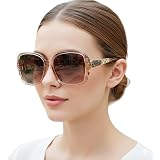
Eymen I Oversized Sunglasses for Women Square Polarized Sparkling Frame
₹360.00 (as of September 22, 2026 10:29 GMT +05:30 - More infoProduct prices and availability are accurate as of the date/time indicated and are subject to change. Any price and availability information displayed on [relevant Amazon Site(s), as applicable] at the time of purchase will apply to the purchase of this product.)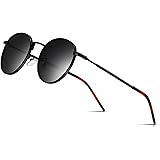
Dervin Ponderable UV Protection Coating Round Sunglasses for Men and Women Classic Metal Sun Glasses
₹599.00 (as of September 22, 2026 10:29 GMT +05:30 - More infoProduct prices and availability are accurate as of the date/time indicated and are subject to change. Any price and availability information displayed on [relevant Amazon Site(s), as applicable] at the time of purchase will apply to the purchase of this product.)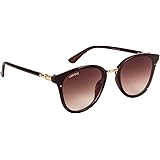
Voyage UV Protection Cat-eye Sunglass
₹679.00 (as of September 22, 2026 10:29 GMT +05:30 - More infoProduct prices and availability are accurate as of the date/time indicated and are subject to change. Any price and availability information displayed on [relevant Amazon Site(s), as applicable] at the time of purchase will apply to the purchase of this product.)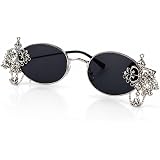
Navratri Oxidised Sunglasses with Ghungroo Chain Charms | Oval Black Lenses, Fleur-de-lis Design, Festival Eyewear, Ethnic Accessories, Boho Style
₹399.00 (as of September 22, 2026 10:29 GMT +05:30 - More infoProduct prices and availability are accurate as of the date/time indicated and are subject to change. Any price and availability information displayed on [relevant Amazon Site(s), as applicable] at the time of purchase will apply to the purchase of this product.)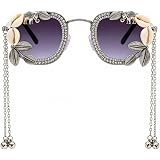
Navratri Leafy Kaudi Silver Oxidised Sunglasses | Kaudi Garba Chashme/Sunglasses for Women | Dandiya Accessories | Ethnic Festival Accessories | Traditional Navratri Accessories
₹395.00 (as of September 22, 2026 10:29 GMT +05:30 - More infoProduct prices and availability are accurate as of the date/time indicated and are subject to change. Any price and availability information displayed on [relevant Amazon Site(s), as applicable] at the time of purchase will apply to the purchase of this product.)
TheDarker Retro Cat-Eye Sunglasses for Men & Women | Small Metal Frame UV Protection Shades | Lightweight Non-Polarized Stylish Eyewear for Outdoor, Travel.
₹166.00 (as of September 22, 2026 10:29 GMT +05:30 - More infoProduct prices and availability are accurate as of the date/time indicated and are subject to change. Any price and availability information displayed on [relevant Amazon Site(s), as applicable] at the time of purchase will apply to the purchase of this product.)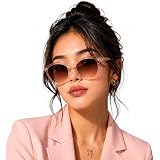
HAYDEN haiza Women's Round Sunglasses with Pink Transparent Frame | Gradient Tinted Lenses, Retro Style, Lightweight Frame, UV Protection, Fashion Eyewear
₹325.00 (as of September 22, 2026 10:29 GMT +05:30 - More infoProduct prices and availability are accurate as of the date/time indicated and are subject to change. Any price and availability information displayed on [relevant Amazon Site(s), as applicable] at the time of purchase will apply to the purchase of this product.)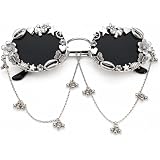
Navratri Fancy Black Sunglasses with Silver Oxidized Charms | Floral & Animal Charms, Dark Tinted Lenses, Metal Frame, Fashion Eyewear, Women's Style
₹449.00 (as of September 22, 2026 10:29 GMT +05:30 - More infoProduct prices and availability are accurate as of the date/time indicated and are subject to change. Any price and availability information displayed on [relevant Amazon Site(s), as applicable] at the time of purchase will apply to the purchase of this product.)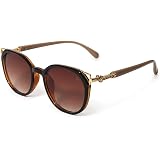
HASHTAG EYEWEAR UV Protected Sunglasses for Women | Stylish Retro Gradient Goggles | Lightweight Polarized Eyewear | Driving Glasses | Fashionable Ladies Shades for Outdoor
₹599.00 (as of September 22, 2026 10:29 GMT +05:30 - More infoProduct prices and availability are accurate as of the date/time indicated and are subject to change. Any price and availability information displayed on [relevant Amazon Site(s), as applicable] at the time of purchase will apply to the purchase of this product.)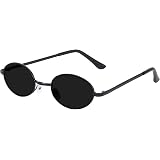
Legend Eyewear Retro Oval Sunglasses For Women & Men|Trending,Stylish & Durable Metal Frame Vintage 90S Sunglasses With Uv 400 Protection Lenses
₹295.00 (as of September 22, 2026 10:29 GMT +05:30 - More infoProduct prices and availability are accurate as of the date/time indicated and are subject to change. Any price and availability information displayed on [relevant Amazon Site(s), as applicable] at the time of purchase will apply to the purchase of this product.)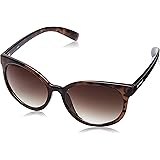
Fastrack *380-390 UV protected CatEye Sunglasses for Women
₹1,102.00 (as of September 22, 2026 10:29 GMT +05:30 - More infoProduct prices and availability are accurate as of the date/time indicated and are subject to change. Any price and availability information displayed on [relevant Amazon Site(s), as applicable] at the time of purchase will apply to the purchase of this product.)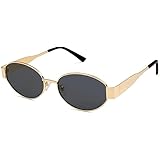
Afflatus® Fashionable Retro Oval Sunglasses for Women & Men | Trendy, Stylish & Classic 90s-Inspired Design | UV400 Protection & Durable Metal Frame
₹299.00 (as of September 22, 2026 10:29 GMT +05:30 - More infoProduct prices and availability are accurate as of the date/time indicated and are subject to change. Any price and availability information displayed on [relevant Amazon Site(s), as applicable] at the time of purchase will apply to the purchase of this product.)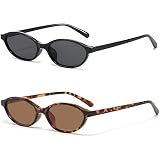
Legend Eyewear Womens Oval Sunglasses 90s Retro Cat Eye Glasses UV400 Shades | Y2K Retro Oval Cat Eye Sunglasses with Slim Narrow Frame UV Protection Lightweigh
₹349.00 (as of September 22, 2026 10:29 GMT +05:30 - More infoProduct prices and availability are accurate as of the date/time indicated and are subject to change. Any price and availability information displayed on [relevant Amazon Site(s), as applicable] at the time of purchase will apply to the purchase of this product.)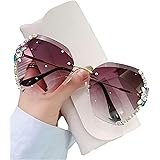
Dervin Sunglasses for Women – UV400 Protection, Rimless Flower Diamond-Cut Lens, Trendy Driving Shades for Women (Oversized)
₹499.00 (as of September 22, 2026 10:29 GMT +05:30 - More infoProduct prices and availability are accurate as of the date/time indicated and are subject to change. Any price and availability information displayed on [relevant Amazon Site(s), as applicable] at the time of purchase will apply to the purchase of this product.)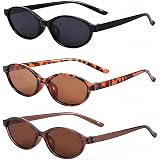
Zytiqt 3Pcs Small Oval Sunglasses for Women Stylish | Narrow Oval Sunglasses For Women, 3-Pack, Retro 90s Style, Suitable For Daily Commuting, Driving, Shopping, Parties, Trave
₹439.00 (as of September 22, 2026 10:29 GMT +05:30 - More infoProduct prices and availability are accurate as of the date/time indicated and are subject to change. Any price and availability information displayed on [relevant Amazon Site(s), as applicable] at the time of purchase will apply to the purchase of this product.)
ROYAL SON Oversized Butterfly UV Protected Women Sunglasses
₹699.00 (as of September 22, 2026 10:29 GMT +05:30 - More infoProduct prices and availability are accurate as of the date/time indicated and are subject to change. Any price and availability information displayed on [relevant Amazon Site(s), as applicable] at the time of purchase will apply to the purchase of this product.)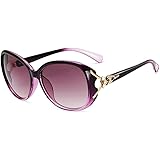
ELEGANTE Sunglasses for Women Fashion Ladies Shades Wrap Frame Trendy Stylish Sun Glasses UV Protection
₹499.00 (as of September 22, 2026 10:29 GMT +05:30 - More infoProduct prices and availability are accurate as of the date/time indicated and are subject to change. Any price and availability information displayed on [relevant Amazon Site(s), as applicable] at the time of purchase will apply to the purchase of this product.)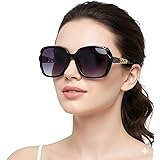
Legend Eyewear Oversized Sunglasses for Women Square non Polarized Sparkling Frame
₹355.00 (as of September 22, 2026 10:29 GMT +05:30 - More infoProduct prices and availability are accurate as of the date/time indicated and are subject to change. Any price and availability information displayed on [relevant Amazon Site(s), as applicable] at the time of purchase will apply to the purchase of this product.)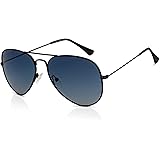
Vincent Chase Eyewear By Lenskart | Full Rim Pilot Sunglasses| Polarized And 100% Uv Protected | Men & Women
₹899.00 (as of September 23, 2026 05:56 GMT +05:30 - More infoProduct prices and availability are accurate as of the date/time indicated and are subject to change. Any price and availability information displayed on [relevant Amazon Site(s), as applicable] at the time of purchase will apply to the purchase of this product.)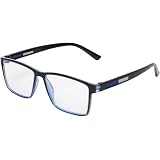
RRTBZ Photochromic Sunglasses for Men And Women | Stylish Day Night Photochromic Transition Lenses Sunglasses
₹299.00 (as of September 23, 2026 05:56 GMT +05:30 - More infoProduct prices and availability are accurate as of the date/time indicated and are subject to change. Any price and availability information displayed on [relevant Amazon Site(s), as applicable] at the time of purchase will apply to the purchase of this product.)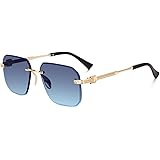
Dervin UV Protected Square Rimless Sunglasses for Men and Women
₹395.00 (as of September 23, 2026 05:56 GMT +05:30 - More infoProduct prices and availability are accurate as of the date/time indicated and are subject to change. Any price and availability information displayed on [relevant Amazon Site(s), as applicable] at the time of purchase will apply to the purchase of this product.)
PC Star ClearView Round Fashion Eyeglasses for Women & Men, Lightweight Round TR90 Frame, Clear Lens Non-Prescription Glasses for Daily Wear, Office, Reading & Casual Style
₹199.00 (as of September 23, 2026 05:56 GMT +05:30 - More infoProduct prices and availability are accurate as of the date/time indicated and are subject to change. Any price and availability information displayed on [relevant Amazon Site(s), as applicable] at the time of purchase will apply to the purchase of this product.)
Vincent Chase By Lenskart | Full Rim Square | Polarized and 100% UV Protected | Men & Women | Large | VC S12934
₹999.00 (as of September 23, 2026 05:56 GMT +05:30 - More infoProduct prices and availability are accurate as of the date/time indicated and are subject to change. Any price and availability information displayed on [relevant Amazon Site(s), as applicable] at the time of purchase will apply to the purchase of this product.)
GEMIX HD UV Protection Day and Driving Bikes and Car Anti-Glare Polarized Sunglasses Unisex Goggles Fit Over Glasses For Men Women Combo Pack of 2
₹199.00 (as of September 23, 2026 05:56 GMT +05:30 - More infoProduct prices and availability are accurate as of the date/time indicated and are subject to change. Any price and availability information displayed on [relevant Amazon Site(s), as applicable] at the time of purchase will apply to the purchase of this product.)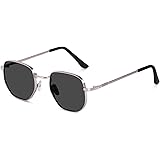
Sheomy Hexagon Glasses Silver Frame Black Shades, Photo Props Unisex Sunglasses (Pack of 1 (Black)) -022
₹199.00 (as of September 23, 2026 05:56 GMT +05:30 - More infoProduct prices and availability are accurate as of the date/time indicated and are subject to change. Any price and availability information displayed on [relevant Amazon Site(s), as applicable] at the time of purchase will apply to the purchase of this product.)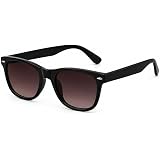
BANSAL'S APPAREL Vista Square Sunglasses for Men & Women | UV400 Protection | Premium Black Polycarbonate Frame | Purple Gradient Lens | Lightweight Fashion Eyewear
₹199.00 (as of September 23, 2026 05:56 GMT +05:30 - More infoProduct prices and availability are accurate as of the date/time indicated and are subject to change. Any price and availability information displayed on [relevant Amazon Site(s), as applicable] at the time of purchase will apply to the purchase of this product.)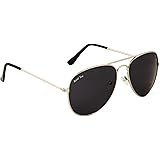
ROYAL SON UV Protected Aviator Unisex Sunglasses
₹398.00 (as of September 23, 2026 05:56 GMT +05:30 - More infoProduct prices and availability are accurate as of the date/time indicated and are subject to change. Any price and availability information displayed on [relevant Amazon Site(s), as applicable] at the time of purchase will apply to the purchase of this product.)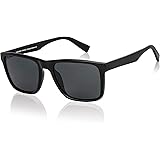
Vincent Chase By Lenskart | Full Rim Square | Polarized Stylish Sunglasses | 100% UV Protected | For Men & Women
₹999.00 (as of September 23, 2026 05:56 GMT +05:30 - More infoProduct prices and availability are accurate as of the date/time indicated and are subject to change. Any price and availability information displayed on [relevant Amazon Site(s), as applicable] at the time of purchase will apply to the purchase of this product.)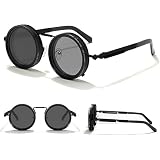
ZEXREL Adjustable Tint Sunglasses Twist Round SunglassesAdjustable Brightness1-9 Gears Polarized, Unisex Round Glasses for Fishing Driving Cycling, UV400 Protection Outdoor Shades
₹884.00 (as of September 23, 2026 05:56 GMT +05:30 - More infoProduct prices and availability are accurate as of the date/time indicated and are subject to change. Any price and availability information displayed on [relevant Amazon Site(s), as applicable] at the time of purchase will apply to the purchase of this product.)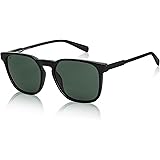
VINCENT CHASE EYEWEAR By Lenskart |Full Rim Square Sunglasses| Style Cast (Pc)|Polarized And 100% UV Protected|Men & Women| Vc S13980
₹949.00 (as of September 23, 2026 05:56 GMT +05:30 - More infoProduct prices and availability are accurate as of the date/time indicated and are subject to change. Any price and availability information displayed on [relevant Amazon Site(s), as applicable] at the time of purchase will apply to the purchase of this product.)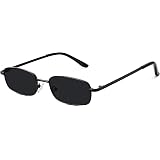
Hasterr Lifestyle Rectangle Retro UV Protection Sunglasses for Men & Women, Stylish 90's Narrow Frame
₹348.00 (as of September 23, 2026 05:56 GMT +05:30 - More infoProduct prices and availability are accurate as of the date/time indicated and are subject to change. Any price and availability information displayed on [relevant Amazon Site(s), as applicable] at the time of purchase will apply to the purchase of this product.)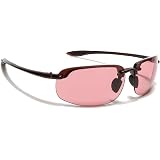
Voyage UV Protected Wrap Around Sunglasses for Men & Women
₹1,299.00 (as of September 23, 2026 05:56 GMT +05:30 - More infoProduct prices and availability are accurate as of the date/time indicated and are subject to change. Any price and availability information displayed on [relevant Amazon Site(s), as applicable] at the time of purchase will apply to the purchase of this product.)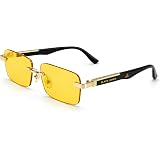
Black Jones | Full Rim Rectangular | Non Polarized Stylish Sunglasses | 100% UV Protected | For Men & Women | Rimless Frame | Yellow Tinted Lenses
₹599.00 (as of September 23, 2026 05:56 GMT +05:30 - More infoProduct prices and availability are accurate as of the date/time indicated and are subject to change. Any price and availability information displayed on [relevant Amazon Site(s), as applicable] at the time of purchase will apply to the purchase of this product.)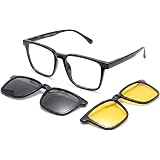
Eyeric Unisex 3 in 1 Magnetic Clip On Sunglasses with Polarized Lens | Rectangular Sunglasses | UV400 Protection | Anti-Glare | Lightweight
₹999.00 (as of September 23, 2026 05:56 GMT +05:30 - More infoProduct prices and availability are accurate as of the date/time indicated and are subject to change. Any price and availability information displayed on [relevant Amazon Site(s), as applicable] at the time of purchase will apply to the purchase of this product.)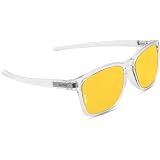
Eyewearlabs OKNO | Polarized Full Rim Square Branded Stylish Sunglasses For Men & Women | 100% UV Protection Shades | Cricket Sports Cycling Driving | Medium | Crystal
₹999.00 (as of September 23, 2026 05:56 GMT +05:30 - More infoProduct prices and availability are accurate as of the date/time indicated and are subject to change. Any price and availability information displayed on [relevant Amazon Site(s), as applicable] at the time of purchase will apply to the purchase of this product.)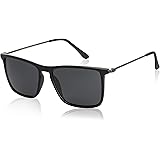
Vincent Chase By Lenskart | Full Rim Square | Classics | Polarized and 100% UV Protected | Men & Women |
₹999.00 (as of September 23, 2026 05:56 GMT +05:30 - More infoProduct prices and availability are accurate as of the date/time indicated and are subject to change. Any price and availability information displayed on [relevant Amazon Site(s), as applicable] at the time of purchase will apply to the purchase of this product.)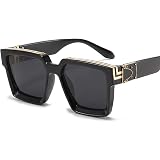
Retro Square Lens UV400 Protection Fashion Sunglasses for Men & Women
₹399.00 (as of September 23, 2026 05:56 GMT +05:30 - More infoProduct prices and availability are accurate as of the date/time indicated and are subject to change. Any price and availability information displayed on [relevant Amazon Site(s), as applicable] at the time of purchase will apply to the purchase of this product.)