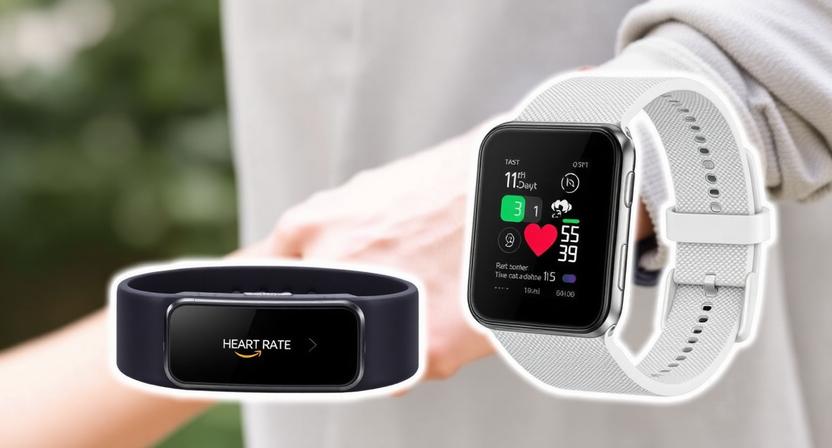
Navigating the ever-expanding landscape of wearable technology can be a daunting task, especially when seeking the perfect fitness band with a reliable heart rate monitor. These devices have evolved from simple step counters to sophisticated personal health hubs, offering invaluable insights into our activity levels, sleep patterns, and crucially, our cardiovascular health. A heart rate monitor is no longer a premium feature; it’s a fundamental component for anyone serious about tracking their fitness progress, optimizing workouts, and understanding their body’s responses. This guide delves deep into the world of fitness bands, highlighting the best options available, their key features, and what to consider when making your purchase.
Understanding Heart Rate Monitoring in Fitness Bands
At its core, a heart rate monitor in a fitness band utilizes optical sensors, typically located on the underside of the device, to detect blood flow beneath the skin. As your heart pumps blood, the volume of blood in your wrist fluctuates. The optical sensor emits light, and a photodiode measures the amount of light that is absorbed or reflected. During systole (when the heart contracts), blood volume increases, absorbing more light. During diastole (when the heart relaxes), blood volume decreases, allowing more light to be reflected. This continuous measurement provides real-time heart rate data, which can be displayed as beats per minute (BPM).
Accuracy is Paramount: When choosing a fitness band, the accuracy of its heart rate monitor is a primary concern. While optical sensors have improved significantly, they can still be influenced by factors like skin tone, temperature, movement (especially during high-intensity interval training or weightlifting), and the tightness of the band. Look for reviews that specifically address heart rate accuracy during various activities and compare them to chest strap monitors, which are generally considered the gold standard.
Types of Heart Rate Data: Beyond real-time BPM, advanced fitness bands offer a range of heart rate metrics:
- Resting Heart Rate (RHR): A crucial indicator of cardiovascular fitness. A lower RHR generally signifies a more efficient heart. Tracking RHR over time can reveal improvements in your fitness level.
- Heart Rate Zones: These are calculated based on your maximum heart rate and are used to tailor workout intensity. Zones typically include:
- Fat Burn (Zone 2): 60-70% of maximum heart rate. Ideal for longer, lower-intensity cardio.
- Cardio (Zone 3): 70-80% of maximum heart rate. Improves cardiovascular health and endurance.
- Peak (Zone 4): 80-90% of maximum heart rate. Builds speed and performance.
- Maximum (Zone 5): 90-100% of maximum heart rate. For short bursts of intense effort.
- Heart Rate Variability (HRV): The variation in time between heartbeats. Higher HRV generally indicates better stress management and recovery. Many advanced bands track HRV overnight.
- All-Day Tracking vs. On-Demand: Some bands continuously monitor your heart rate throughout the day, while others require you to manually initiate a reading. Continuous tracking provides a more comprehensive picture of your daily cardiovascular load.
Key Features to Consider in a Fitness Band with Heart Rate Monitor:
Beyond the core heart rate functionality, several other features enhance the value and usability of a fitness band:
- Activity Tracking: Step counting, distance covered, calories burned, active minutes.
- Sleep Tracking: Duration, sleep stages (light, deep, REM), sleep quality scores.
- GPS: Built-in GPS is essential for accurately tracking outdoor runs, cycles, and walks without needing your phone.
- Water Resistance: Crucial for swimmers and for protection against sweat and rain. Look for ratings like 5 ATM for swimming.
- Smart Notifications: Receive alerts for calls, texts, and app notifications directly on your wrist.
- Workout Modes: Pre-set modes for various activities (running, cycling, yoga, strength training) that optimize data collection.
- Battery Life: A longer battery life means less frequent charging and more consistent data collection.
- Display: Brightness, clarity, and touchscreen responsiveness for easy navigation.
- Companion App: A user-friendly and feature-rich app is vital for analyzing your data, setting goals, and syncing with other health platforms.
- Design and Comfort: A comfortable and stylish design that you’ll want to wear all day.
Top Fitness Bands with Heart Rate Monitors (As of 2026):
This selection represents a blend of established leaders and strong contenders, catering to different needs and budgets.
1. Fitbit Charge 6:
The Fitbit Charge 6 continues to be a benchmark for fitness trackers, offering a well-rounded experience with a focus on health and wellness. Its optical heart rate sensor is generally accurate for most activities, and it excels in sleep tracking and providing actionable insights.
- Heart Rate Features: Continuous optical heart rate tracking, resting heart rate, heart rate zones, SpO2 monitoring (blood oxygen saturation), ECG app for atrial fibrillation detection (in select regions).
- Activity Tracking: Steps, distance, calories, active zone minutes, automatic exercise recognition.
- Sleep Tracking: Advanced sleep stages, sleep score, sleep profile.
- GPS: Built-in GPS for outdoor activities.
- Other Notable Features: Large AMOLED display, Google Maps, YouTube Music, and Google Wallet integration, excellent battery life (up to 7 days), strong water resistance (5 ATM).
- Pros: Comprehensive health metrics, user-friendly app, excellent sleep tracking, good for everyday wear and moderate exercise.
- Cons: Premium features often require a Fitbit Premium subscription.
2. Garmin Vivosmart 5:
Garmin is renowned for its robust GPS and fitness tracking capabilities, and the Vivosmart 5 brings these to a more accessible fitness band format. It’s a great option for those who want detailed workout metrics and reliable heart rate data.
- Heart Rate Features: Continuous optical heart rate tracking, resting heart rate, abnormal heart rate alerts, HRV status.
- Activity Tracking: Steps, distance, calories, intensity minutes, automatic exercise recognition.
- Sleep Tracking: Advanced sleep stages, sleep score.
- GPS: Connects to your smartphone’s GPS for outdoor activities.
- Other Notable Features: Pulse Ox sensor (blood oxygen saturation), Body Battery energy monitoring, stress tracking, menstrual cycle tracking, good battery life (up to 11 days), water rating (5 ATM).
- Pros: Detailed activity and recovery metrics, robust build quality, excellent battery life, good value for the features offered.
- Cons: Display is monochrome and less vibrant than some competitors.
3. Apple Watch SE (2nd Gen):
While technically a smartwatch, the Apple Watch SE offers a compelling fitness band experience with its integrated heart rate monitor and seamless integration with the Apple ecosystem. It’s a powerful device for both fitness and everyday use.
- Heart Rate Features: Optical heart sensor for continuous heart rate monitoring, high and low heart rate notifications, irregular rhythm notifications (with ECG app on Series 4 and later, though SE lacks this).
- Activity Tracking: Steps, distance, calories, active energy, workout tracking with a vast array of sports modes.
- Sleep Tracking: Basic sleep tracking, with more advanced features available through third-party apps.
- GPS: Built-in GPS.
- Other Notable Features: Large, bright Retina display, swimproof design, smart notifications, music control, fall detection, excellent app ecosystem.
- Pros: Seamless Apple integration, comprehensive app support, versatile functionality beyond fitness, stylish design.
- Cons: Shorter battery life (typically 18 hours), requires an iPhone, can be more expensive than dedicated fitness bands.
4. Samsung Galaxy Fit3:
Samsung’s latest entry into the fitness band market, the Galaxy Fit3, offers a larger display and improved health tracking capabilities at a competitive price point. It’s a solid choice for Android users looking for a feature-rich tracker.
- Heart Rate Features: Continuous optical heart rate monitoring, resting heart rate, stress monitoring.
- Activity Tracking: Steps, distance, calories, workout tracking with over 100 exercises.
- Sleep Tracking: Sleep monitoring with detailed stages and sleep coaching.
- GPS: Connects to smartphone GPS.
- Other Notable Features: Large AMOLED display, SpO2 monitoring, body composition analysis (via Samsung Health app), IP68 water and dust resistance, good battery life (up to 13 days).
- Pros: Large, vibrant display, comprehensive health tracking for its price, good battery life, excellent for Samsung users.
- Cons: Relies on smartphone GPS, some advanced features are tied to the Samsung Health ecosystem.
5. Amazfit Band 7:
For budget-conscious users, the Amazfit Band 7 delivers impressive features, including a large display and a surprisingly capable heart rate monitor, making it a strong contender in the value segment.
- Heart Rate Features: 24/7 heart rate monitoring, abnormal heart rate alerts, PAI health assessment system.
- Activity Tracking: Steps, distance, calories, over 120 sports modes.
- Sleep Tracking: Sleep monitoring, including REM sleep.
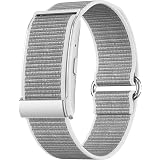
Sekyo Flex Screenless AI Health & Fitness Tracker Band - (No Subscription) | Heart Rate, Sleep, SpO2, HRV & Stress Tracker, 100+ Sport Modes, IP68 Water-Resistant, 25-Day Battery Life
Now retrieving the price.
(as of September 23, 2026 02:32 GMT +05:30 - More infoProduct prices and availability are accurate as of the date/time indicated and are subject to change. Any price and availability information displayed on [relevant Amazon Site(s), as applicable] at the time of purchase will apply to the purchase of this product.)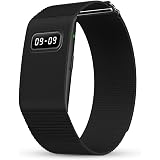
Pebble Qore View Fitness Band with 30 Days Battery Life | 100+ Sports Modes | Advanced Health Tracking | HR & SpO2| Stress | Sleep Monitoring (Deep Black)
₹4,099.00 (as of September 23, 2026 02:32 GMT +05:30 - More infoProduct prices and availability are accurate as of the date/time indicated and are subject to change. Any price and availability information displayed on [relevant Amazon Site(s), as applicable] at the time of purchase will apply to the purchase of this product.)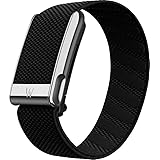
Whoop MG Life – Health and Fitness Tracker -12-Month Membership – 24/7 Activity and Sleep Tracker– Blood Pressure Insights, Activity Tracking – ECG Software – 14+ Days Battery Life
₹45,000.00 (as of September 23, 2026 02:32 GMT +05:30 - More infoProduct prices and availability are accurate as of the date/time indicated and are subject to change. Any price and availability information displayed on [relevant Amazon Site(s), as applicable] at the time of purchase will apply to the purchase of this product.)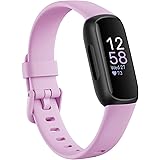
Fitbit Inspire 3 Health & Fitness Tracker (Lilac Bliss/Black) with 6-Month Premium Membership
₹8,998.00 (as of September 23, 2026 02:32 GMT +05:30 - More infoProduct prices and availability are accurate as of the date/time indicated and are subject to change. Any price and availability information displayed on [relevant Amazon Site(s), as applicable] at the time of purchase will apply to the purchase of this product.)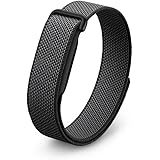
Google Fitbit Air - Screenless Activity Tracker with Fitness, Heart Rate, and Sleep Tracking - Personalized AI-Powered Coaching - Up to 7 Days’ Battery Life - Works with iOS and Android - Obsidian
₹15,600.00 (as of September 23, 2026 02:32 GMT +05:30 - More infoProduct prices and availability are accurate as of the date/time indicated and are subject to change. Any price and availability information displayed on [relevant Amazon Site(s), as applicable] at the time of purchase will apply to the purchase of this product.)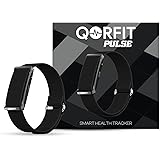
QORFIT Pulse Smart Band for Men & Women, 24/7 Health & Fitness Tracker with HRV, BP, Stress & Sleep Monitor, 127+ Sports Modes, Upto 45 Days Battery, IP68 Waterproof, No Subscription Needed
₹4,444.00 (as of September 23, 2026 02:32 GMT +05:30 - More infoProduct prices and availability are accurate as of the date/time indicated and are subject to change. Any price and availability information displayed on [relevant Amazon Site(s), as applicable] at the time of purchase will apply to the purchase of this product.)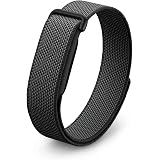
Google Fitbit Air - Screenless Fitness and Health Tracking - Works with Android and iOS - Obsidian
₹15,600.00 (as of September 23, 2026 02:32 GMT +05:30 - More infoProduct prices and availability are accurate as of the date/time indicated and are subject to change. Any price and availability information displayed on [relevant Amazon Site(s), as applicable] at the time of purchase will apply to the purchase of this product.)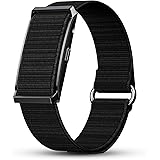
Pebble Newly Launched Qore Fitness Band with 45 Days Battery Life | 100+ Sports Modes | Advanced Health Tracking | HR & SpO2| Stress| Sleep | OneKey Measurement | Smart Notifications - Black
₹2,849.00 (as of September 23, 2026 02:32 GMT +05:30 - More infoProduct prices and availability are accurate as of the date/time indicated and are subject to change. Any price and availability information displayed on [relevant Amazon Site(s), as applicable] at the time of purchase will apply to the purchase of this product.)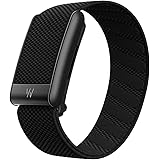
Whoop 5.0 Health and Fitness Wearable – 12 Month Membership Included | 24/7 Activity and Sleep Tracker, AI Coaching, Sleep, Strain, Recovery & Menstrual Cycle Insights – 14+ Days Battery Life
₹28,990.00 (as of September 23, 2026 02:32 GMT +05:30 - More infoProduct prices and availability are accurate as of the date/time indicated and are subject to change. Any price and availability information displayed on [relevant Amazon Site(s), as applicable] at the time of purchase will apply to the purchase of this product.)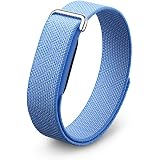
Google Fitbit Air - Screenless Activity Tracker with Fitness, Heart Rate, and Sleep Tracking - Personalized AI-Powered Coaching - Up to 7 Days’ Battery Life - Works with iOS and Android - Lavender
₹15,770.00 (as of September 23, 2026 02:32 GMT +05:30 - More infoProduct prices and availability are accurate as of the date/time indicated and are subject to change. Any price and availability information displayed on [relevant Amazon Site(s), as applicable] at the time of purchase will apply to the purchase of this product.)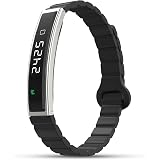
Pebble Newly Launched Arq Smart Bracelet – Digital Display | Heart Rate & SpO2 Monitoring | Sleep Tracker | Sports Modes | Magnetic Strap | Premium Build (Jet Black)
₹3,199.00 (as of September 23, 2026 02:32 GMT +05:30 - More infoProduct prices and availability are accurate as of the date/time indicated and are subject to change. Any price and availability information displayed on [relevant Amazon Site(s), as applicable] at the time of purchase will apply to the purchase of this product.)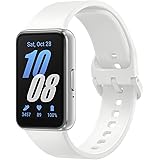
Samsung Galaxy Fit3 Smartwatch Silver (Silver) SM-R390
₹4,299.00 (as of September 23, 2026 02:32 GMT +05:30 - More infoProduct prices and availability are accurate as of the date/time indicated and are subject to change. Any price and availability information displayed on [relevant Amazon Site(s), as applicable] at the time of purchase will apply to the purchase of this product.)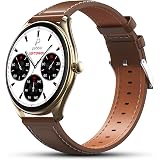
Pebble Royale Legend 1.43" AMOLED Display, Slimmest Design, Bluetooth Calling, Premium Built, Always On Display, Multi Sports Mode, Health Suite, Smart Calculator (Brown)
₹3,499.00 (as of September 23, 2026 02:32 GMT +05:30 - More infoProduct prices and availability are accurate as of the date/time indicated and are subject to change. Any price and availability information displayed on [relevant Amazon Site(s), as applicable] at the time of purchase will apply to the purchase of this product.)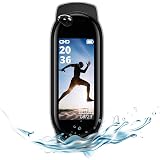
Drumstone 𝟏𝟓 𝐘𝐞𝐚𝐫𝐬 𝐖𝐚𝐫𝐫𝐚𝐧𝐭𝐲 Bluetooth Smart Fitness Band with Heart Rate Sensor, OLED Display, Waterproof Activity Tracker, Step Counter, Calorie & Sleep Monitor
₹469.00 (as of September 23, 2026 02:32 GMT +05:30 - More infoProduct prices and availability are accurate as of the date/time indicated and are subject to change. Any price and availability information displayed on [relevant Amazon Site(s), as applicable] at the time of purchase will apply to the purchase of this product.)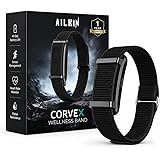
AILKIN Corvex Smart Fitness Band with 45 Days Battery Life Tracker Pro | Up to 45 Days Battery Life, Multiple Sports Modes, Splash Resistant, 24/7 Activity & Sleep Tracking, 1 Year Warranty
₹2,349.00 (as of September 23, 2026 02:32 GMT +05:30 - More infoProduct prices and availability are accurate as of the date/time indicated and are subject to change. Any price and availability information displayed on [relevant Amazon Site(s), as applicable] at the time of purchase will apply to the purchase of this product.)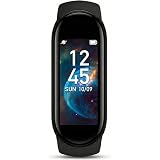
Drumstone Bluetooth Smart Fitness Band with OLED Display, Heart Rate Tracking, Step Counter, Sleep Tracking, Water-Resistant Activity Tracker, Call & Message Notifications for Android & iOS
₹889.00 (as of September 23, 2026 02:32 GMT +05:30 - More infoProduct prices and availability are accurate as of the date/time indicated and are subject to change. Any price and availability information displayed on [relevant Amazon Site(s), as applicable] at the time of purchase will apply to the purchase of this product.)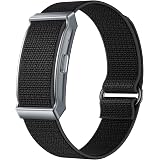
FYFIT Fitness Band Pro with 50-Day Battery, Heart Rate, SpO2 & Sleep Tracker (Black)
₹3,498.00 (as of September 23, 2026 02:32 GMT +05:30 - More infoProduct prices and availability are accurate as of the date/time indicated and are subject to change. Any price and availability information displayed on [relevant Amazon Site(s), as applicable] at the time of purchase will apply to the purchase of this product.)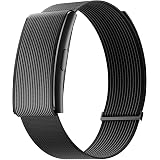
CrossBeats Vector Smart Band with 45 Days Battery Life, 5ATM Waterproof, HRV & SpO2 Tracking, Sleep & Stress Monitoring, 6-Axis Motion Sensor, Strava & Google Health Connect
₹3,999.00 (as of September 23, 2026 02:32 GMT +05:30 - More infoProduct prices and availability are accurate as of the date/time indicated and are subject to change. Any price and availability information displayed on [relevant Amazon Site(s), as applicable] at the time of purchase will apply to the purchase of this product.)
Pebble Qore Fitness Band with 45 Days Battery Life| 100+ Sports Modes| Advanced Health Tracking HR| SpO2| Stress| Sleep| OneKey Measurement| Smart Notifications - Midnight Blue
₹2,849.00 (as of September 23, 2026 02:32 GMT +05:30 - More infoProduct prices and availability are accurate as of the date/time indicated and are subject to change. Any price and availability information displayed on [relevant Amazon Site(s), as applicable] at the time of purchase will apply to the purchase of this product.)