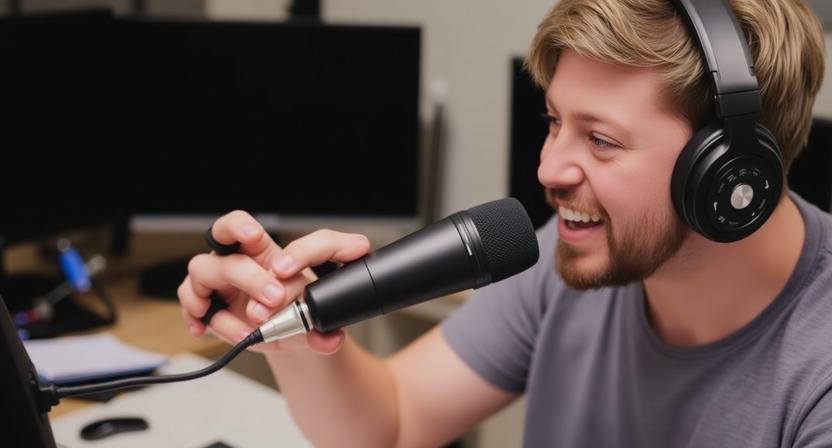
The heart of any successful podcast lies in its audio quality. Listeners are increasingly discerning, and a muffled, hissy, or boomy voice can quickly turn them away. Investing in the right microphone is paramount, transforming your spoken word from a whisper in the wind to a captivating narrative. This comprehensive guide will navigate you through the diverse landscape of podcasting microphones, helping you pinpoint the perfect tool for your unique needs and budget.
Understanding Microphone Types: The Foundation of Your Choice
Before diving into specific models, it’s crucial to grasp the fundamental differences between the two primary microphone types used in podcasting: Dynamic and Condenser.
Dynamic Microphones: These are the workhorses of the audio world, known for their ruggedness and ability to handle high sound pressure levels without distortion. They employ a diaphragm attached to a voice coil that moves within a magnetic field, generating an electrical signal.
- Pros: Durable, excellent at rejecting background noise (ideal for untreated rooms), less sensitive to plosives (p, b sounds), generally more affordable.
- Cons: Less sensitive, requiring a stronger signal from your preamp or interface, may not capture the subtle nuances of a voice as well as condensers.
- Best for: Beginners, busy or noisy environments, interviews where background noise is a concern, loud or energetic speakers.
Condenser Microphones: These microphones utilize a capacitor, where a thin diaphragm is placed close to a backplate. The vibration of the diaphragm changes the capacitance, producing an electrical signal. Condensers are generally more sensitive and capture a wider frequency response.
- Pros: Highly sensitive, capturing rich detail and a wider frequency range, producing a more “airy” and articulate sound.
- Cons: More fragile, more susceptible to background noise and room acoustics, require phantom power (usually from your audio interface or mixer), can be prone to plosive distortion if not managed properly.
- Best for: Home studios with good acoustic treatment, capturing subtle vocal performances, achieving a polished, professional sound.
Polar Patterns: Sculpting Your Soundscape
Beyond the internal mechanics, a microphone’s polar pattern dictates its directionality – how it picks up sound from different angles. Understanding these patterns is key to controlling your audio environment.
- Cardioid: This is the most common pattern for podcasting. It picks up sound primarily from the front, with significant rejection from the sides and rear. This makes it excellent for isolating your voice and minimizing room noise.
- Omnidirectional: This pattern picks up sound equally from all directions. While great for capturing the ambience of a room or multiple speakers in a circular setup, it’s generally not recommended for solo podcasting in untreated spaces due to its susceptibility to background noise.
- Bidirectional (Figure-8): This pattern picks up sound equally from the front and rear, with rejection from the sides. It’s ideal for interviews where two people are sitting on opposite sides of the microphone, but less useful for solo work.
- Supercardioid & Hypercardioid: These are variations of the cardioid pattern, offering even tighter pickup from the front and narrower rear lobes. They can be useful for further isolating a sound source but can also pick up more from a small rear lobe.
Connectivity: How Your Microphone Talks to Your Computer
The way your microphone connects to your recording setup is a crucial consideration.
- USB Microphones: These are plug-and-play marvels, connecting directly to your computer via USB. They contain a built-in preamp and analog-to-digital converter, making them incredibly user-friendly.
- Pros: Simple to set up, no external hardware needed, great for beginners.
- Cons: Limited upgradeability, sound quality can be dependent on the built-in components, less flexibility for complex setups.
- XLR Microphones: These use a professional, three-pin connector and require an external audio interface or mixer to convert the analog signal to digital and provide phantom power (if needed).
- Pros: Superior sound quality potential, greater flexibility and upgradeability, industry standard for professional audio.
- Cons: Requires additional equipment (audio interface/mixer), steeper learning curve.
Top Picks: The Best Microphones for Podcasting in Every Category
Now, let’s dive into some of the most highly recommended microphones, categorized for clarity.
Best Overall USB Microphone: Rode NT-USB+
The Rode NT-USB+ is a perennial favorite for a reason. This condenser microphone offers exceptional audio quality for its price point, delivering a clear, detailed, and natural sound. Its cardioid polar pattern effectively minimizes background noise, making it a fantastic choice for home studios. The integrated pop filter and headphone jack with zero-latency monitoring further enhance its user-friendliness. It’s incredibly easy to set up – just plug it into your computer, and you’re ready to record. The build quality is robust, and the included tripod desk stand is a thoughtful addition for immediate use. Its versatility extends beyond podcasting, making it suitable for voiceovers, streaming, and even basic music recording.
Best Budget USB Microphone: Samson Q2U
For podcasters on a tight budget, the Samson Q2U is an absolute game-changer. This dynamic microphone boasts both USB and XLR outputs, offering incredible flexibility for beginners and those looking to upgrade later. Its cardioid polar pattern excels at rejecting ambient noise, making it a solid choice for less-than-ideal recording environments. The Q2U comes with a built-in headphone jack for direct monitoring and a desktop stand. Its rugged construction ensures it can withstand the rigors of frequent use. The dynamic capsule means it’s less prone to plosive issues, a common concern for newcomers.
Best Premium USB Microphone: Shure MV7
Inspired by the legendary SM7B, the Shure MV7 is a hybrid USB/XLR microphone designed for podcasting and vocalists. It features a touch panel for gain and headphone volume control, and its “Auto Level Mode” intelligently adjusts your gain to maintain a consistent output. The MV7’s cardioid pattern is highly effective at isolating your voice, and its sound signature is warm and present. The ShurePlus MOTIV app provides further control over EQ, compression, and limiting, allowing for fine-tuning of your audio. This microphone offers a taste of professional sound without the complexity of a full XLR setup.
Best Dynamic Microphone for Podcasting (XLR): Shure SM58
The Shure SM58 is an industry icon, renowned for its durability and reliable performance. While often associated with live vocals, its robust dynamic capsule and cardioid polar pattern make it an excellent choice for podcasting, especially in challenging acoustic environments. It’s virtually indestructible and handles high sound pressure levels with ease, meaning plosives are rarely an issue. The SM58 requires an audio interface or mixer to amplify its signal and convert it to digital, but its inherent ability to reject background noise makes it a valuable asset for many podcasters. Its sound is characteristically warm and present, perfect for spoken word.
Best Condenser Microphone for Podcasting (XLR): Rode NT1-A
The Rode NT1-A is a benchmark for affordable, high-quality condenser microphones. This large-diaphragm cardioid condenser delivers an incredibly clean, detailed, and quiet signal, boasting an exceptionally low self-noise rating. It captures a wide frequency response, rendering voices with a polished and articulate quality. While it benefits greatly from acoustic treatment, its sensitivity allows for a rich and nuanced vocal performance. The NT1-A is often bundled with a shock mount and pop filter, making it a comprehensive package for aspiring podcasters seeking professional-grade audio.
Best Microphone for Interviews (Multiple People): Blue Yeti
While the Blue Yeti is a USB microphone, its versatility in polar patterns makes it a strong contender for interviews, especially when recording with a partner in the same room. Beyond cardioid, it offers omnidirectional, bidirectional, and stereo modes. The omnidirectional mode can capture a more natural room sound, while bidirectional is perfect for two people facing each other. Its ease of use and plug-and-play functionality make it accessible. However, its sensitivity to background noise means acoustic treatment is highly recommended, especially when not using the cardioid pattern.
Essential Accessories for Optimal Podcasting Audio
Beyond the microphone itself, a few key accessories can elevate your podcasting sound:
- Pop Filter/Windscreen: These crucial tools attach to your microphone to reduce or eliminate plosives (harsh “p” and “b” sounds) and sibilance (harsh “s” sounds).
- Shock Mount: A shock mount isolates your microphone from vibrations transmitted through your desk or mic stand, preventing unwanted rumble and handling noise from entering your recording.
- Microphone Stand: A sturdy microphone stand (desk stand or boom arm) ensures your microphone is positioned correctly and stably, crucial for consistent audio quality.
- Headphones: Closed-back studio headphones are essential for monitoring your audio during recording. They allow you to hear exactly what your microphone is capturing, helping you identify and correct issues in real-time.
- Audio Interface (for XLR mics): This device acts as the bridge between your XLR microphone and your computer, providing phantom power (if needed), preamplification, and analog-to-digital conversion.
- Acoustic Treatment: While not a direct microphone accessory, treating your recording space with foam panels, bass traps
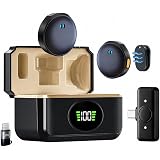
Fire turtle Q-8 Dual Wireless Lavalier Microphone for Camera, Android & iPhone, 2.4GHz Stable Transmission, Noise Cancellation, Plug & Play Mic for YouTube, Vlogging & Interviews
Now retrieving the price.
(as of September 22, 2026 23:40 GMT +05:30 - More infoProduct prices and availability are accurate as of the date/time indicated and are subject to change. Any price and availability information displayed on [relevant Amazon Site(s), as applicable] at the time of purchase will apply to the purchase of this product.)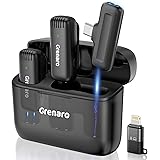
GRENARO J13 Wireless Mic for YouTube, 3-Level Adjustable MicNoise Reduction Lapel Mic with Charging Case, Wireless Mic for Video Recording, YouTube, Facebook, Video Production (Double (Universal))
₹1,898.00 (as of September 22, 2026 23:40 GMT +05:30 - More infoProduct prices and availability are accurate as of the date/time indicated and are subject to change. Any price and availability information displayed on [relevant Amazon Site(s), as applicable] at the time of purchase will apply to the purchase of this product.)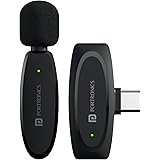
Portronics Dash 7 Ai Omnidirectional Type C Wireless Microphone, Ai Enabled Noise Cancellation, Plug & Play, Lapel Wireless Mic for Video Recording, Supports Type C Android, iPhone, Camera(Black)
₹1,099.00 (as of September 22, 2026 23:40 GMT +05:30 - More infoProduct prices and availability are accurate as of the date/time indicated and are subject to change. Any price and availability information displayed on [relevant Amazon Site(s), as applicable] at the time of purchase will apply to the purchase of this product.)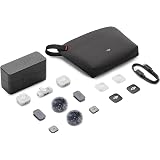
DJI Mic Mini 2 Wireless Lavalier Microphone, 2 TX + 1 Mobile RX + Charging Case, Bluetooth, Noise Cancelling, 400m Range, for iPhone/Android/Camera
₹9,288.00 (as of September 22, 2026 23:40 GMT +05:30 - More infoProduct prices and availability are accurate as of the date/time indicated and are subject to change. Any price and availability information displayed on [relevant Amazon Site(s), as applicable] at the time of purchase will apply to the purchase of this product.)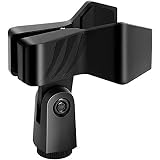
GENEALO Universal Rubber Padded Microphone Clip Holder for Mic Stand | Adjustable Handheld Clamp with 5/8"- 3/8" Thread Adapter Compatible with Dynamic wired Wireless Karaoke Podcast Recording Mic
₹299.00 (as of September 22, 2026 23:40 GMT +05:30 - More infoProduct prices and availability are accurate as of the date/time indicated and are subject to change. Any price and availability information displayed on [relevant Amazon Site(s), as applicable] at the time of purchase will apply to the purchase of this product.)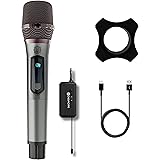
DIGIMORE UHF Wireless Microphone | Noise-Reduction Coil | 200ft Long Range | Cardioid Pattern | 10Hrs Battery | Type-C Port | Ideal for House Parties, Live Events, Singing, Classroom, Church D-340
₹1,999.00 (as of September 22, 2026 23:40 GMT +05:30 - More infoProduct prices and availability are accurate as of the date/time indicated and are subject to change. Any price and availability information displayed on [relevant Amazon Site(s), as applicable] at the time of purchase will apply to the purchase of this product.)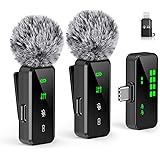
GRENARO Mic for YouTube Wireless, 3-Level Adjustable Noise Cancellation Wireless Microphone,Professional Wireless Mike for Recording, Ideal for Video Recording and Content Creators
₹995.00 (as of September 22, 2026 23:40 GMT +05:30 - More infoProduct prices and availability are accurate as of the date/time indicated and are subject to change. Any price and availability information displayed on [relevant Amazon Site(s), as applicable] at the time of purchase will apply to the purchase of this product.)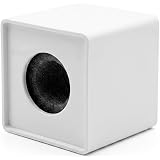
Genealo Mic ID Flag Cube for Handheld Mic|Square Microphone Logo Holder | 3x3 Inch Custom Branding Interview Mic Flag | ABS Plastic Broadcast Microphone ID Block for News, Podcast, Media
₹229.00 (as of September 22, 2026 23:40 GMT +05:30 - More infoProduct prices and availability are accurate as of the date/time indicated and are subject to change. Any price and availability information displayed on [relevant Amazon Site(s), as applicable] at the time of purchase will apply to the purchase of this product.)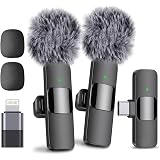
AMBLIC New Dual Wireless Mic for Youtubers Video Recording & Live Streaming | Noise Cancellation with 164Ft Mic for Vlogging, Singing, Plug-Play, DSLR Compatible with All Smartphones & Other Devices
₹499.00 (as of September 22, 2026 23:40 GMT +05:30 - More infoProduct prices and availability are accurate as of the date/time indicated and are subject to change. Any price and availability information displayed on [relevant Amazon Site(s), as applicable] at the time of purchase will apply to the purchase of this product.)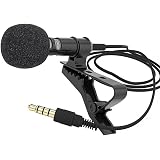
LOVESIDE Clip-On Lapel Collar Mic Dynamic 3.5mm Microphone | Clear Voice Recording, YouTube, Interviews & Vlogging, Universal Compatibility, Smartphones, PCs & Laptops
₹149.00 (as of September 22, 2026 23:40 GMT +05:30 - More infoProduct prices and availability are accurate as of the date/time indicated and are subject to change. Any price and availability information displayed on [relevant Amazon Site(s), as applicable] at the time of purchase will apply to the purchase of this product.)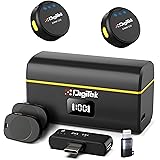
Digitek® (DWM-115 2-in-1 Wireless Microphone, 2.4GHz, Magnetic Clip, Noise Reduction Lavalier Mic, 40m Range, 6Hr Battery, 360° Sound Capture for iOS & Android, Ideal Video Recording, Vlogging
₹2,999.00 (as of September 22, 2026 23:40 GMT +05:30 - More infoProduct prices and availability are accurate as of the date/time indicated and are subject to change. Any price and availability information displayed on [relevant Amazon Site(s), as applicable] at the time of purchase will apply to the purchase of this product.)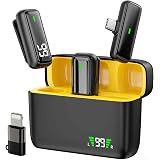
String Swing Wireless Microphone, Noise Cancellation, for iPhone & Android | 48H Battery Backup, 65 ft Wireless Range, YouTube, Vlogging & Live Streaming
₹2,098.00 (as of September 22, 2026 23:40 GMT +05:30 - More infoProduct prices and availability are accurate as of the date/time indicated and are subject to change. Any price and availability information displayed on [relevant Amazon Site(s), as applicable] at the time of purchase will apply to the purchase of this product.)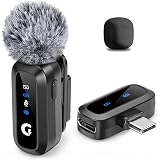
GRENARO Wireless Mic for YouTube, Plug & Play Mini Wireless Microphone for Mobile, Magnetic Clip, 3-Level Noise Reduction, Mic for Video Recording, Live Streaming, Podcast, for Beginners & Creators
₹999.00 (as of September 22, 2026 23:40 GMT +05:30 - More infoProduct prices and availability are accurate as of the date/time indicated and are subject to change. Any price and availability information displayed on [relevant Amazon Site(s), as applicable] at the time of purchase will apply to the purchase of this product.)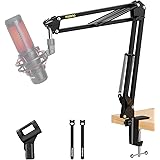
MAONO Boom Arm Microphone Stand: Adjustable Metal Suspension Mic Boom Arm for Podcast Gaming Streaming Recording,with Desk Clamp and 3/8" to 5/8" Screw Adapter-Max Load 1KG AU-B01 Black
₹799.00 (as of September 22, 2026 23:40 GMT +05:30 - More infoProduct prices and availability are accurate as of the date/time indicated and are subject to change. Any price and availability information displayed on [relevant Amazon Site(s), as applicable] at the time of purchase will apply to the purchase of this product.)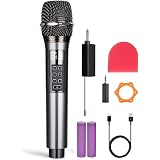
kh UHF Portable Wireless Microphone with Receiver | Echo, Volume & Channel Adjustable Handheld Mic | 50M Long Range Dynamic Cordless Microphone for Karaoke, Singing, Speeches, DJ, PA System, Events
Now retrieving the price.
(as of September 22, 2026 23:40 GMT +05:30 - More infoProduct prices and availability are accurate as of the date/time indicated and are subject to change. Any price and availability information displayed on [relevant Amazon Site(s), as applicable] at the time of purchase will apply to the purchase of this product.)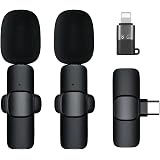
Professional Grade K9 Wireless Mic for iOS and Type C Mobile Collar Microphone for YouTube Recording ASMR Vlog Interview Live Video Recording and Insta Live (Black, 1 Set)
₹349.00 (as of September 22, 2026 23:40 GMT +05:30 - More infoProduct prices and availability are accurate as of the date/time indicated and are subject to change. Any price and availability information displayed on [relevant Amazon Site(s), as applicable] at the time of purchase will apply to the purchase of this product.)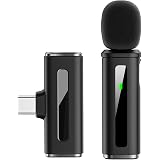
Digitek DWM-010 Mic Wireless with Type-C, Mic for YouTube Wireless Recording, 2.4GHz Wireless Microphone with Noise Reduction, 40m Range, 7H Battery, LED Light Indicator
₹799.00 (as of September 22, 2026 23:40 GMT +05:30 - More infoProduct prices and availability are accurate as of the date/time indicated and are subject to change. Any price and availability information displayed on [relevant Amazon Site(s), as applicable] at the time of purchase will apply to the purchase of this product.)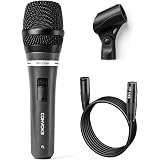
CONVOKE MICONE Wired Professional Impedance-6000 +30% Dynamic Microphone with XLR Cable & Mic Clip | High-Clarity Vocal Mic for Singing, Karaoke, Stage Performance, Public Speaking, DJ, & Recording.
₹1,888.00 (as of September 22, 2026 23:40 GMT +05:30 - More infoProduct prices and availability are accurate as of the date/time indicated and are subject to change. Any price and availability information displayed on [relevant Amazon Site(s), as applicable] at the time of purchase will apply to the purchase of this product.)
LEKATO Wireless Microphone with AI Noise Cancellation – Clip-On Collar Mic for iPhone & Android | 48h Battery & 20m Range | Wireless Mic for YouTube, Vlogging & Video Recording
₹2,199.00 (as of September 22, 2026 23:40 GMT +05:30 - More infoProduct prices and availability are accurate as of the date/time indicated and are subject to change. Any price and availability information displayed on [relevant Amazon Site(s), as applicable] at the time of purchase will apply to the purchase of this product.)