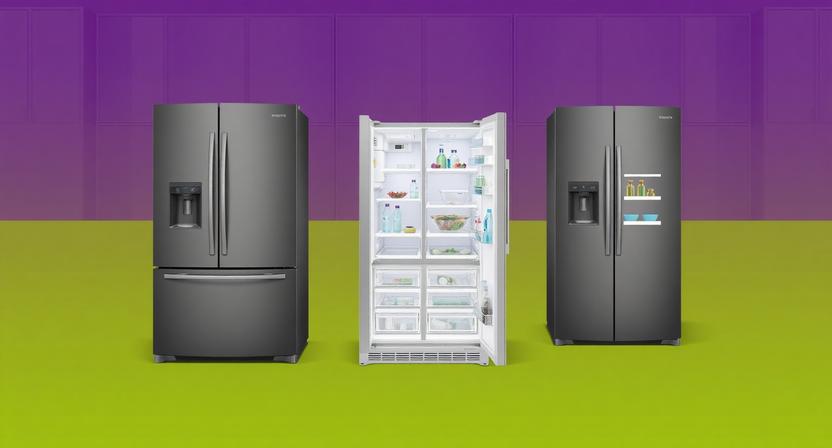
The humble refrigerator, a cornerstone of modern kitchens, is undergoing a dramatic transformation. Beyond simply keeping food cold, double door refrigerators, with their distinct upper freezer and lower refrigerator compartments, are now at the forefront of technological advancement. These appliances are evolving into intelligent hubs, offering unprecedented convenience, energy efficiency, and food preservation capabilities. From smart connectivity to revolutionary cooling systems, the latest innovations are redefining what we expect from our kitchen’s most essential appliance.
One of the most impactful advancements lies in enhanced cooling and temperature control. Traditional refrigerators often struggled with maintaining consistent temperatures, leading to uneven cooling and premature spoilage. Modern double door models are equipped with dual-evaporator cooling systems. This technology utilizes separate evaporators for the refrigerator and freezer compartments, preventing the transfer of moisture and odors between them. This not only ensures optimal humidity levels for fresh produce in the fridge but also keeps frozen items truly frozen without freezer burn. Furthermore, multi-airflow systems, with strategically placed vents throughout the compartments, distribute cool air evenly, eliminating hot spots and maintaining a stable temperature across all shelves. Advanced sensors constantly monitor internal temperatures and adjust cooling power in real-time, responding to door openings and ambient conditions with remarkable precision.
Smart connectivity and intuitive user interfaces are rapidly becoming standard features. Gone are the days of simple dial thermostats. Today’s double door refrigerators boast Wi-Fi connectivity, allowing users to control and monitor their appliance remotely via smartphone apps. This opens up a world of possibilities, from adjusting temperature settings while at the grocery store to receiving notifications if a door is left ajar or if the water filter needs replacement. Integrated touchscreens, often found on the exterior of the refrigerator door, provide a user-friendly interface for managing settings, accessing recipes, creating shopping lists, and even displaying family calendars or photos. Some models even feature internal cameras, allowing users to peek inside their refrigerator from their phone while shopping, eliminating the dreaded “did I forget the milk?” moment.
Energy efficiency remains a paramount concern, and manufacturers are pushing the boundaries with innovative solutions. The adoption of variable-speed compressors is a significant leap forward. Unlike traditional compressors that cycle on and off at full power, these advanced compressors can adjust their speed based on cooling demand, significantly reducing energy consumption and noise levels. Advanced insulation materials and improved door seals further minimize heat exchange, preventing cold air from escaping. The integration of eco-modes and vacation modes allows users to further optimize energy usage during periods of low activity. These features, combined with stringent government energy standards, are making double door refrigerators more sustainable than ever before.
Food preservation technologies are also undergoing a significant overhaul. Beyond precise temperature control, new features are designed to extend the shelf life of various food items. Specialized crisper drawers with adjustable humidity controls are now commonplace, allowing users to create the ideal environment for different types of fruits and vegetables, preventing wilting and over-ripening. Convertible drawers offer remarkable flexibility, allowing users to switch between refrigerator and freezer temperatures, adapting to their specific storage needs. Some high-end models feature advanced air purification systems, utilizing UV-C light or activated carbon filters to eliminate bacteria, mold spores, and odors, thus further preserving food freshness and preventing cross-contamination. The concept of “smart storage” is also emerging, with refrigerators capable of identifying food items (through internal cameras and AI) and suggesting optimal storage locations and expiration dates.
Design and functionality are not being overlooked in this technological race. Double door refrigerators are evolving from utilitarian boxes to stylish kitchen centerpieces. Sleek, minimalist designs with hidden hinges and integrated handles are becoming increasingly popular, seamlessly blending into modern kitchen aesthetics. Fingerprint-resistant finishes make maintenance a breeze, keeping the appliance looking pristine. Flexible shelving and door bin configurations allow for greater customization, accommodating items of all shapes and sizes. Internal LED lighting is brighter, more energy-efficient, and provides better visibility than traditional incandescent bulbs, illuminating every corner of the refrigerator. The integration of water and ice dispensers continues to be refined, with options for filtered water, crushed ice, and even cubed ice, often with advanced dispensing mechanisms for speed and convenience.
The future of double door refrigerators is undeniably intertwined with artificial intelligence (AI) and machine learning. As internal cameras and sensors gather more data, refrigerators will become even more intelligent. Imagine a refrigerator that learns your family’s eating habits and proactively suggests recipes based on the ingredients it detects. Or one that can predict when you’re running low on a particular item and automatically add it to your digital shopping list. Predictive maintenance is another exciting area, where the appliance can diagnose potential issues before they become major problems and alert the user or even schedule a service appointment. The integration of voice assistants is also gaining traction, allowing for hands-free operation and seamless interaction with other smart home devices.
The evolution of double door refrigerators is a testament to ongoing innovation driven by consumer demand for convenience, efficiency, and superior food preservation. These appliances are no longer passive storage units but active participants in our kitchens, contributing to healthier lifestyles and more sustainable living. The latest advancements are not just about features; they are about creating a more intelligent, intuitive, and harmonious kitchen experience for everyone.
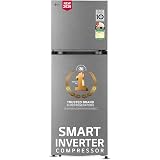
LG 251 L, 2 Star, Frost-Free Smart Inverter Double Door Convertible Refrigerator (GLT2526XWDS, Dazzle Steel, Multi Air Flow Cooling, Smart & Dairy Mode, Convertible Space for More Storage, 2026 Model)
₹28,990.00 (as of September 22, 2026 23:53 GMT +05:30 - More infoProduct prices and availability are accurate as of the date/time indicated and are subject to change. Any price and availability information displayed on [relevant Amazon Site(s), as applicable] at the time of purchase will apply to the purchase of this product.)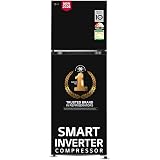
LG 251 L, 2 Star, Smart Inverter, Smart Mode, Frost-Free Double Door Refrigerator (GLT2526WWOB, Onyx Black, Multi Air Flow, Express Freeze, Deodorizer, Bigger Size & Better Cooling, 2026 Model)
₹28,990.00 (as of September 22, 2026 23:53 GMT +05:30 - More infoProduct prices and availability are accurate as of the date/time indicated and are subject to change. Any price and availability information displayed on [relevant Amazon Site(s), as applicable] at the time of purchase will apply to the purchase of this product.)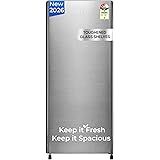
Haier 190 L 3 Star Direct Cool Single Door Refrigerator with Fast Ice Making, Easy Clean Back, Large Vegetable Box (HED-203TDSA-N, Dazzle Steel, 2026 Model)
₹14,690.00 (as of September 22, 2026 23:53 GMT +05:30 - More infoProduct prices and availability are accurate as of the date/time indicated and are subject to change. Any price and availability information displayed on [relevant Amazon Site(s), as applicable] at the time of purchase will apply to the purchase of this product.)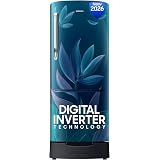
Samsung 183 L, 4 Star, Digital Inverter, Direct-Cool Single Door Refrigerator (RR20H28249U/NL, Paradise Bloom Blue, Base Stand Drawer, Single Touch Defrost, 2026 Model)
₹17,990.00 (as of September 22, 2026 23:53 GMT +05:30 - More infoProduct prices and availability are accurate as of the date/time indicated and are subject to change. Any price and availability information displayed on [relevant Amazon Site(s), as applicable] at the time of purchase will apply to the purchase of this product.)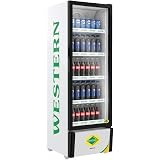
Western Visi 5 Star Cooler Src380Gl | High Ambient | Safety Compliant | Ip24 | Automatic Air- Cooled, Low Power Consumption, Heavy-Duty Compressor, Multicolor
₹32,700.00 (as of September 22, 2026 23:53 GMT +05:30 - More infoProduct prices and availability are accurate as of the date/time indicated and are subject to change. Any price and availability information displayed on [relevant Amazon Site(s), as applicable] at the time of purchase will apply to the purchase of this product.)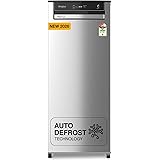
Whirlpool 192 L 3 Star Vitamagic PRO Frost Free Direct-Cool Single Door Refrigerator (215 VMPRO PRM 3S RADIANT STEEL-Y, Silver, Auto Defrost Technology, 2026 Model)
₹16,990.00 (as of September 22, 2026 23:53 GMT +05:30 - More infoProduct prices and availability are accurate as of the date/time indicated and are subject to change. Any price and availability information displayed on [relevant Amazon Site(s), as applicable] at the time of purchase will apply to the purchase of this product.)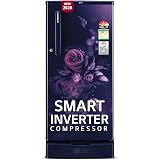
LG 185 L, 4 Star, Smart Inverter, Direct Cool Single Door Refrigerator (GLD1945ZOBE, Blue Euphoria, Base stand with Drawer)
₹17,490.00 (as of September 22, 2026 23:53 GMT +05:30 - More infoProduct prices and availability are accurate as of the date/time indicated and are subject to change. Any price and availability information displayed on [relevant Amazon Site(s), as applicable] at the time of purchase will apply to the purchase of this product.)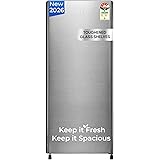
Haier 190 L 4 Star Direct Cool Single Door Refrigerator with Fast Ice Making, Easy Clean Back, Large Vegetable Box (HED-204TDSA-N, Dazzle Steel, 2026 Model)
₹15,490.00 (as of September 22, 2026 23:53 GMT +05:30 - More infoProduct prices and availability are accurate as of the date/time indicated and are subject to change. Any price and availability information displayed on [relevant Amazon Site(s), as applicable] at the time of purchase will apply to the purchase of this product.)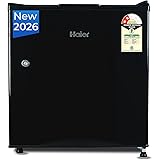
Haier 50 L 2 Star Direct Cool Single Door Mini Bar Refrigerator with Chiller Freezer Box, LED Light for Clear View, Lock & Key and Easy Clean Back (HRD-752KSA, Black Steel, 2026 Model)
₹9,250.00 (as of September 22, 2026 23:53 GMT +05:30 - More infoProduct prices and availability are accurate as of the date/time indicated and are subject to change. Any price and availability information displayed on [relevant Amazon Site(s), as applicable] at the time of purchase will apply to the purchase of this product.)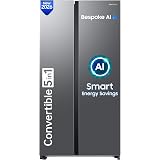
Samsung 653 L, 3 Star, Frost Free, Double Door, Convertible 5-in-1 Digital Inverter, Side By Side AI Enabled Smart Refrigerator with WiFi (RS76CG8003S9HL, Silver, Refined Inox)
₹82,990.00 (as of September 22, 2026 23:53 GMT +05:30 - More infoProduct prices and availability are accurate as of the date/time indicated and are subject to change. Any price and availability information displayed on [relevant Amazon Site(s), as applicable] at the time of purchase will apply to the purchase of this product.)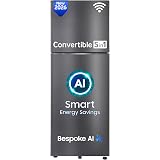
Samsung 419 L, 3 Star, Convertible 5-in-1, Digital Inverter, Frost Free Double Door, Bespoke AI WiFi Refrigerator (RT45HG6A43B1HL, Black DOI, 2026 Model)
₹55,990.00 (as of September 22, 2026 23:53 GMT +05:30 - More infoProduct prices and availability are accurate as of the date/time indicated and are subject to change. Any price and availability information displayed on [relevant Amazon Site(s), as applicable] at the time of purchase will apply to the purchase of this product.)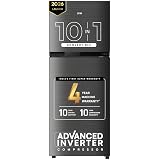
IFB Smart Choice 241L 3Star 10 in 1 Convertible,Advanced Inverter Frost-Free Double Door Refrigerator with 30 Hrs Cooling Retention,Freezer LED &4 Year Super Warranty (2026,IFBFF-291CYOSETM,Onyx Grey)
₹28,990.00 (as of September 22, 2026 23:53 GMT +05:30 - More infoProduct prices and availability are accurate as of the date/time indicated and are subject to change. Any price and availability information displayed on [relevant Amazon Site(s), as applicable] at the time of purchase will apply to the purchase of this product.)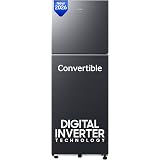
Samsung 236 L, 3 Star, Convertible, Digital Inverter Frost Free Double Door Refrigerator (RT40H28U3FHL, Black DOI, 2026 Model)
₹30,490.00 (as of September 22, 2026 23:53 GMT +05:30 - More infoProduct prices and availability are accurate as of the date/time indicated and are subject to change. Any price and availability information displayed on [relevant Amazon Site(s), as applicable] at the time of purchase will apply to the purchase of this product.)
Haier 596 L 3 Star Frost Free Expert Inverter Smart Sense AI enabled 2-Door Side by Side In-built Water Dispenser Refrigerator (HRS-682SWDU1, Shiny Silver, Magic Convertible)
₹68,890.00 (as of September 22, 2026 23:53 GMT +05:30 - More infoProduct prices and availability are accurate as of the date/time indicated and are subject to change. Any price and availability information displayed on [relevant Amazon Site(s), as applicable] at the time of purchase will apply to the purchase of this product.)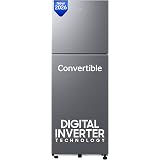
Samsung 256 L, 3 Star, Convertible, Digital Inverter Frost Free Double Door Refrigerator (RT40H30U3THL, Silver, Refined Inox, 2026 Model)
₹32,690.00 (as of September 22, 2026 23:53 GMT +05:30 - More infoProduct prices and availability are accurate as of the date/time indicated and are subject to change. Any price and availability information displayed on [relevant Amazon Site(s), as applicable] at the time of purchase will apply to the purchase of this product.)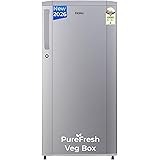
Haier 165 L 1 Star Direct Cool Single Door Refrigerator with Diamond Edge Freezing Technology, Easy Clean Back, Large Vegetable Box (HED-171MSA-P, Moon Silver, 2026 Model)
₹11,990.00 (as of September 22, 2026 23:53 GMT +05:30 - More infoProduct prices and availability are accurate as of the date/time indicated and are subject to change. Any price and availability information displayed on [relevant Amazon Site(s), as applicable] at the time of purchase will apply to the purchase of this product.)
Samsung 236 L, 3 Star, Convertible, Digital Inverter Frost Free Double Door Refrigerator (RT40H28U3THL, Silver, Refined Inox, 2026 Model)
₹29,990.00 (as of September 22, 2026 23:53 GMT +05:30 - More infoProduct prices and availability are accurate as of the date/time indicated and are subject to change. Any price and availability information displayed on [relevant Amazon Site(s), as applicable] at the time of purchase will apply to the purchase of this product.)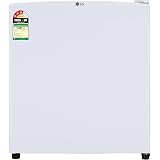
LG 43 L 3 Star Direct Cool Minibar Single Door Refrigerator (GLD0536VRSW, Super White)
₹11,391.00 (as of September 22, 2026 23:53 GMT +05:30 - More infoProduct prices and availability are accurate as of the date/time indicated and are subject to change. Any price and availability information displayed on [relevant Amazon Site(s), as applicable] at the time of purchase will apply to the purchase of this product.)
Haier 190 L 5 Star Direct Cool Inverter Single Door Refrigerator with Fast Ice Making, Easy Clean Back, Large Vegetable Box (HED-205TMIBA-N, Marine Ivy, Base Stand Drawer, 2026 Model)
₹17,590.00 (as of September 22, 2026 23:53 GMT +05:30 - More infoProduct prices and availability are accurate as of the date/time indicated and are subject to change. Any price and availability information displayed on [relevant Amazon Site(s), as applicable] at the time of purchase will apply to the purchase of this product.)