Selecting the ideal water cooler extends beyond a simple purchase; it’s an investment in convenience, health, and often, a more sustainable lifestyle. With a diverse market offering various types, functionalities, and aesthetic considerations, navigating the options can feel daunting. This comprehensive guide will equip you with the knowledge to make an informed decision, ensuring your chosen water cooler perfectly suits your needs.
Understanding the Core Types: Bottled vs. Bottleless
The foundational decision revolves around how your water cooler will be supplied.
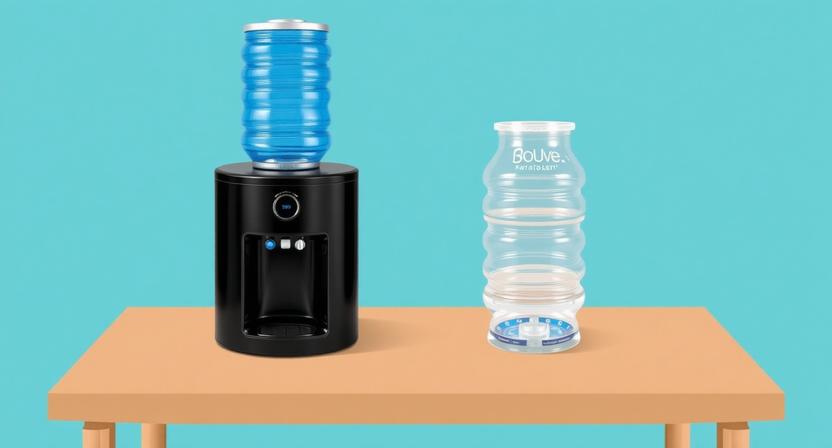
- Bottled Water Coolers: These are the traditional, ubiquitous units that utilize large, returnable plastic bottles (typically 3 or 5 gallons).
- Pros: Simple setup requiring no plumbing. Immediate access to chilled and hot water. Wide availability of bottled water suppliers. Generally lower upfront cost.
- Cons: Ongoing cost of bottled water. Storage space required for spare bottles. Manual bottle replacement can be physically demanding. Environmental concerns associated with plastic bottle production and disposal. Potential for water quality variations between suppliers.
- Bottleless Water Coolers (Point-of-Use or POU): These coolers connect directly to your home or office plumbing, filtering and dispensing water on demand.
- Pros: Unlimited supply of clean, filtered water. Eliminates the need for bottle storage and manual replacement. More environmentally friendly, reducing plastic waste. Can be more cost-effective in the long run. Often offer advanced filtration systems.
- Cons: Requires professional installation to connect to the water line. Higher upfront cost. Potential for water pressure issues if not installed correctly. Relies on consistent water supply.
Key Features to Consider: Beyond the Basics
Once you’ve decided on bottled or bottleless, delve into the specific features that will enhance your experience.
1. Temperature Control: Hot, Cold, and Ambient
- Cold Water Dispensing: This is the primary function for most. Look for models with efficient refrigeration systems that can cool water to your preferred temperature, typically between 40-50°F (4-10°C). Some units offer adjustable cold water thermostats.
- Hot Water Dispensing: Essential for instant tea, coffee, or oatmeal. Hot water temperatures usually range from 180-195°F (82-90°C). Safety features like child-lock mechanisms are crucial for households with children.
- Ambient Water Dispensing: Some models offer a third tap for room-temperature water, appealing to those who prefer it or as a backup if the refrigeration system is temporarily unavailable.
2. Filtration Systems: Purity and Taste
-
Bottled Water Cooler Filtration: While the bottled water itself is typically filtered, some coolers offer an additional layer of filtration, often a simple sediment filter, to catch any particles that might enter during bottle changes.
-
Bottleless Water Cooler Filtration: This is where bottleless coolers truly shine. Common filtration stages include:
- Sediment Filter: Removes larger particles like sand, rust, and silt.
- Activated Carbon Filter: Adsorbs chlorine, volatile organic compounds (VOCs), and other impurities that affect taste and odor.
- Reverse Osmosis (RO) System: A highly effective multi-stage process that pushes water through a semi-permeable membrane, removing a wide range of contaminants including dissolved solids, heavy metals, and even some bacteria and viruses. RO systems often require a storage tank and a drain line.
- Ultrafiltration (UF) System: Uses a membrane with slightly larger pores than RO, effectively removing bacteria, viruses, and suspended solids while retaining beneficial minerals.
- UV Sterilization: Uses ultraviolet light to kill bacteria and viruses without adding chemicals. Often used as a final polishing step.
Consider your local water quality when choosing a filtration system. If your tap water is already of high quality, a simpler carbon filter might suffice. For concerns about specific contaminants, an RO or UF system may be necessary.
3. Capacity and Dispensing Rate
- Bottled Water Coolers: The capacity is dictated by the bottle size (3 or 5 gallons). The dispensing rate will vary depending on the model’s pump and reservoir size.
- Bottleless Water Coolers: Capacity is effectively unlimited, as it draws from your water supply. The dispensing rate is determined by your home’s water pressure and the cooler’s internal mechanisms. Consider how many people will be using the cooler and how frequently it will be used to avoid bottlenecks, especially during peak times.
4. Design and Aesthetics: Blending with Your Space
Water coolers are no longer purely functional; they can be a stylish addition to your kitchen, office, or breakroom.
- Material: Stainless steel offers durability and a premium look, while plastic models are often more affordable.
- Color and Finish: Choose a color and finish that complements your existing decor. Common options include black, white, silver, and stainless steel.
- Size and Footprint: Measure the intended space to ensure a proper fit. Some models are designed for countertop placement, while others are freestanding.
- Noise Level: Refrigeration systems can produce a humming sound. If noise is a concern, look for models with quiet operation features or read reviews for user feedback on noise levels.
5. Energy Efficiency: Saving on Utility Bills
Water coolers, especially those with heating and cooling elements, consume electricity.
- Energy Star Certification: Look for the Energy Star label, indicating that the appliance meets strict energy efficiency guidelines set by the Environmental Protection Agency.
- Thermostat Controls: Models with adjustable thermostats allow you to set preferred temperatures and can help reduce energy consumption when the desired temperature is reached.
- Power-Saving Modes: Some advanced models offer sleep or eco-modes that reduce power usage during periods of inactivity.
6. Maintenance and Cleaning: Keeping it Hygienic
Regular maintenance is crucial for optimal performance and hygiene.
- Drip Tray: Most coolers have a removable drip tray for easy cleaning.
- Spigot Cleaning: Spigots should be cleaned regularly to prevent bacterial growth. Some models have removable spigots for easier cleaning.
- Filter Replacement (Bottleless): Follow the manufacturer’s recommendations for filter replacement intervals. This is a critical aspect of maintaining water quality and system performance.
- Sanitization: Periodically, the internal components of the cooler may require sanitization. Check the user manual for specific instructions.
- Professional Servicing: For bottleless systems, occasional professional servicing might be recommended to ensure the plumbing and filtration components are functioning optimally.
7. Additional Features to Enhance Convenience
- Digital Display: Provides clear temperature readouts and filter life indicators.
- Water Leak Detector: An important safety feature, especially for bottleless models, that alerts you to potential leaks.
- Night Light: Illuminates the dispensing area for easy use in low light conditions.
- Integrated Cup Dispenser: Keeps cups readily available.
- Refrigerated Compartment: Some models include a small refrigerated compartment for storing beverages or snacks.
Making the Final Decision: A Step-by-Step Approach
-
Assess Your Needs:
- Usage: How many people will use the cooler? What are their primary needs (cold, hot, ambient)?
- Location: Where will the cooler be placed? Is plumbing access available for bottleless options?
- Budget: Determine your upfront budget and ongoing costs (bottled water vs. filter replacements).
- Health and Environmental Concerns: Are you prioritizing advanced filtration or reducing plastic waste?
-
Compare Bottled vs. Bottleless: Weigh the pros and cons based on your assessment.
-
Prioritize Features: Rank the features that are most important to you (e.g., filtration level, hot water safety, energy efficiency).
-
Research Brands and Models: Read reviews, compare specifications, and check warranty information.
-
Consider Installation: For bottleless coolers, factor in the cost and complexity of professional installation.
-
Think Long-Term: Consider the ongoing costs of consumables (bottled water, filters) and the lifespan of the appliance.
By meticulously considering these factors, you can confidently choose a water cooler that not only provides refreshing hydration but also seamlessly integrates into your lifestyle and environment.
COSTAR Portable Wireless Water Dispenser Pump for 20 Litre Bottle, Automatic Water Pump with Led Digital Display, Water Dispenser Smart Touch, Rechargeable Battery, Foldable, 1200mAh
₹848.00 (as of September 25, 2026 18:51 GMT +05:30 - More infoProduct prices and availability are accurate as of the date/time indicated and are subject to change. Any price and availability information displayed on [relevant Amazon Site(s), as applicable] at the time of purchase will apply to the purchase of this product.)
GetSetNova Automatic Electric Water Dispenser Pump for 20 Litre Bottle Portable Water Pump Dispenser for Home, Office, and Outdoors | 1200 mAh C-Type Fast Charging Battery (Black)
₹359.00 (as of September 25, 2026 18:51 GMT +05:30 - More infoProduct prices and availability are accurate as of the date/time indicated and are subject to change. Any price and availability information displayed on [relevant Amazon Site(s), as applicable] at the time of purchase will apply to the purchase of this product.)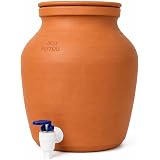
Desi Potters Natural Clay Water Pot Dispenser with Tap | Naturally Cools Water Without Electricity | 100% Natural Handmade Terracotta Clay | Eco-Friendly & Plastic-Free .
₹2,100.00 (as of September 25, 2026 18:51 GMT +05:30 - More infoProduct prices and availability are accurate as of the date/time indicated and are subject to change. Any price and availability information displayed on [relevant Amazon Site(s), as applicable] at the time of purchase will apply to the purchase of this product.)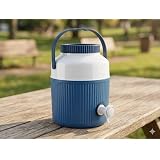
1 Litre Mini Water Cooler & Dispenser | Compact Insulated Water Storage Container with Tap & Lid | Portable Drinking Water Cooler for Home, Office & Travel
₹299.00 (as of September 25, 2026 18:51 GMT +05:30 - More infoProduct prices and availability are accurate as of the date/time indicated and are subject to change. Any price and availability information displayed on [relevant Amazon Site(s), as applicable] at the time of purchase will apply to the purchase of this product.)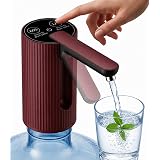
Ashpo Rechargeable Automatic Water Dispenser Pump for 20 Litre can Bottle with 3 Timer Modes, Type-c Charging, Folding Hose and BPA Free Electric Water Pump for Home & Office
₹499.00 (as of September 25, 2026 18:51 GMT +05:30 - More infoProduct prices and availability are accurate as of the date/time indicated and are subject to change. Any price and availability information displayed on [relevant Amazon Site(s), as applicable] at the time of purchase will apply to the purchase of this product.)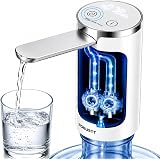
Robustt Smart Automatic Electric Water Dispenser Pump for 20L Bottle | Wireless USB Type-C Rechargeable | Touch LED | Preset 200/600/800ml & Continuous Flow | Foldable Spout | White
₹599.00 (as of September 25, 2026 18:51 GMT +05:30 - More infoProduct prices and availability are accurate as of the date/time indicated and are subject to change. Any price and availability information displayed on [relevant Amazon Site(s), as applicable] at the time of purchase will apply to the purchase of this product.)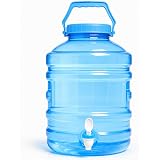
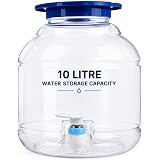
10 Litre Portable Water Dispenser with Tap | BPA-Free Water Storage Container | Leakproof Mini Water Jar for Home, Office, Kitchen, Camping & Travel (Multi Colour)
₹299.00 (as of September 25, 2026 18:51 GMT +05:30 - More infoProduct prices and availability are accurate as of the date/time indicated and are subject to change. Any price and availability information displayed on [relevant Amazon Site(s), as applicable] at the time of purchase will apply to the purchase of this product.)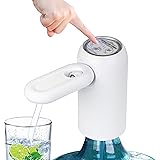
Konquer TimeS KTS Automatic Wireless Water Can Dispenser Pump 3rd Gen Dual Pump with 2.2L/Min Fast Flow, Foldable Spout & LED Lights - Mystical Blue Illumination (3rd Gen Dual Motor)
₹559.00 (as of September 25, 2026 18:51 GMT +05:30 - More infoProduct prices and availability are accurate as of the date/time indicated and are subject to change. Any price and availability information displayed on [relevant Amazon Site(s), as applicable] at the time of purchase will apply to the purchase of this product.)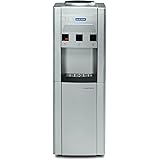
Blue Star Water Dispenser with Refrigerator Hot and Cold Taps (Bwd3Fmrga-G, Grey), 15 Liter
₹10,600.00 (as of September 25, 2026 18:51 GMT +05:30 - More infoProduct prices and availability are accurate as of the date/time indicated and are subject to change. Any price and availability information displayed on [relevant Amazon Site(s), as applicable] at the time of purchase will apply to the purchase of this product.)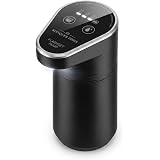
Konquer TimeS 5th Generation Premium Automatic Wireless Water Dispenser Pump | Smart 3-Mode Volume Control (300ml, 1L & 1.5L), 3L/min Fast Flow, Large LED Night Light, Ultra-Quiet One-Touch
₹649.00 (as of September 25, 2026 18:51 GMT +05:30 - More infoProduct prices and availability are accurate as of the date/time indicated and are subject to change. Any price and availability information displayed on [relevant Amazon Site(s), as applicable] at the time of purchase will apply to the purchase of this product.)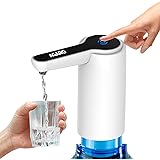
AGARO Electric Water Dispenser Pump, Automatic Water Dispenser Pump, USB Rechargeable, Drinking Water Pump for 20 Litre Bottle Can, Retention and Portable Water Pump Home, Camping, Party (White)
₹479.00 (as of September 25, 2026 18:51 GMT +05:30 - More infoProduct prices and availability are accurate as of the date/time indicated and are subject to change. Any price and availability information displayed on [relevant Amazon Site(s), as applicable] at the time of purchase will apply to the purchase of this product.)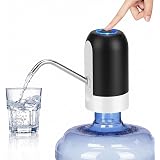
Auraflow Automatic Wireless Water Can Dispenser Pump for 20 Litre Bottle Can, with Low Noise & High Efficiency
₹250.00 (as of September 25, 2026 18:51 GMT +05:30 - More infoProduct prices and availability are accurate as of the date/time indicated and are subject to change. Any price and availability information displayed on [relevant Amazon Site(s), as applicable] at the time of purchase will apply to the purchase of this product.)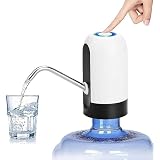
KK Mart Automatic Wireless Water and Oil Can Dispenser Pump for 20 Litre Bottle Can, with Low Noise & High Efficiency
₹249.00 (as of September 25, 2026 18:51 GMT +05:30 - More infoProduct prices and availability are accurate as of the date/time indicated and are subject to change. Any price and availability information displayed on [relevant Amazon Site(s), as applicable] at the time of purchase will apply to the purchase of this product.)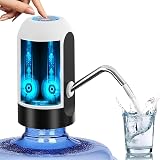
Urdonda Automatic Portable Electric Drinking Water Dispenser Stainless-Steel 5 Gallon Bottle Pump with USB Charging and Switch (White)
₹199.00 (as of September 25, 2026 18:51 GMT +05:30 - More infoProduct prices and availability are accurate as of the date/time indicated and are subject to change. Any price and availability information displayed on [relevant Amazon Site(s), as applicable] at the time of purchase will apply to the purchase of this product.)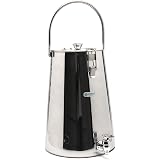
Coconut Stainless Steel Lilly Water Pot (Taper Lilly -12ltr)
₹3,590.00 (as of September 25, 2026 18:51 GMT +05:30 - More infoProduct prices and availability are accurate as of the date/time indicated and are subject to change. Any price and availability information displayed on [relevant Amazon Site(s), as applicable] at the time of purchase will apply to the purchase of this product.)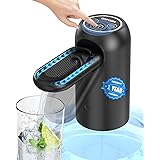
Eopora Automatic Water Dispenser Pump for 20 Litre Bottle, Foldable Two-Tube Water Outlet, 1200Mah Battery USB Rechargeable Electric Water Can Dispenser for Home Office
₹559.00 (as of September 25, 2026 18:51 GMT +05:30 - More infoProduct prices and availability are accurate as of the date/time indicated and are subject to change. Any price and availability information displayed on [relevant Amazon Site(s), as applicable] at the time of purchase will apply to the purchase of this product.)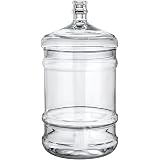
PAALS® Water Dispenser Plastic Bottle 20L I Mineral Water Dispensers Jar I Drinking Water Can I PAALS® BPA Free Water Bottle Large Container I Without Cap (Transparent)
₹449.00 (as of September 25, 2026 18:51 GMT +05:30 - More infoProduct prices and availability are accurate as of the date/time indicated and are subject to change. Any price and availability information displayed on [relevant Amazon Site(s), as applicable] at the time of purchase will apply to the purchase of this product.)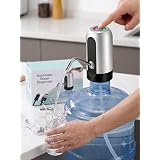
Automatic & Rechargeable Water Dispenser Pump for Bottle and 20L Can(Black) | USB RECHARGEABLE ONE-TOUCH WATER PUMP
₹219.00 (as of September 25, 2026 18:51 GMT +05:30 - More infoProduct prices and availability are accurate as of the date/time indicated and are subject to change. Any price and availability information displayed on [relevant Amazon Site(s), as applicable] at the time of purchase will apply to the purchase of this product.)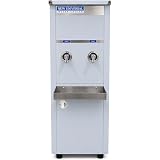
NEW Universal 30L Drinking Water Cooler (NUWC-30/30) – Energy Efficient 5 Star | Dual Cold TAP |, 100% Copper Cooling Coil, Stainless Steel Body, Sleek & Durable Design for Home & Commercial Use.
₹27,500.00 (as of September 25, 2026 18:51 GMT +05:30 - More infoProduct prices and availability are accurate as of the date/time indicated and are subject to change. Any price and availability information displayed on [relevant Amazon Site(s), as applicable] at the time of purchase will apply to the purchase of this product.)