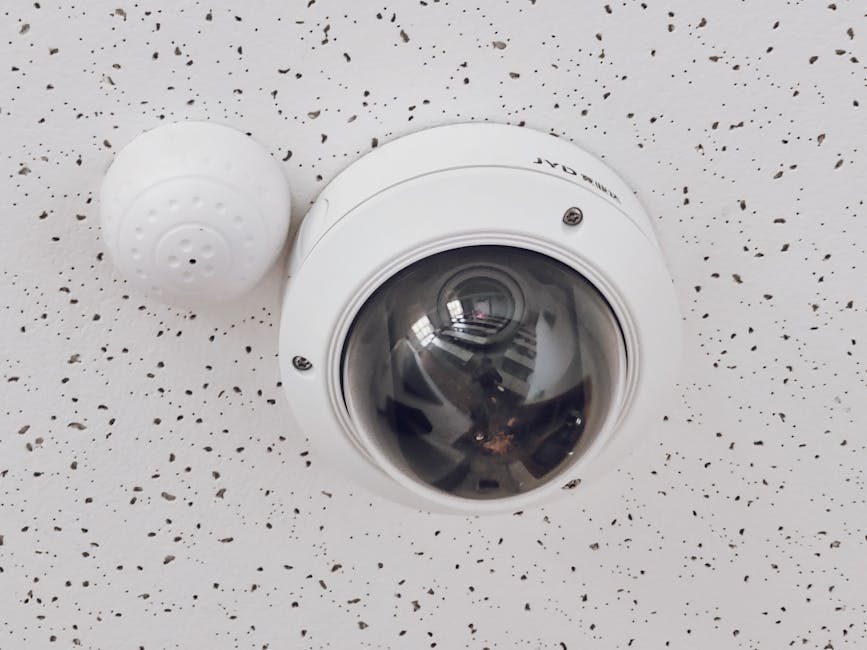
The age of bulky, inaccessible surveillance systems is rapidly fading. Today, CCTV with smartphone app integration has revolutionized how individuals and businesses secure their properties, offering unprecedented convenience and control. This powerful combination transforms static security cameras into dynamic, intelligent tools accessible from virtually anywhere, anytime. Gone are the days of needing to be physically present at a location to review footage or receive alerts. With a modern CCTV system and a dedicated smartphone application, a comprehensive overview of your property’s safety is literally at your fingertips.
The core appeal of this technology lies in its accessibility. Gone are the days of complex server rooms and dedicated monitors. Modern CCTV systems are designed for user-friendliness, with cameras that connect to your home or business network, often wirelessly. This network connection then feeds directly into the cloud or a local storage device, which is subsequently accessible via a dedicated mobile application. This seamless integration means that whether you’re on vacation across the globe, at the office, or simply running errands, you can instantly check in on your home, business, or loved ones.
Key Features Driving the Revolution:
The ubiquity of smartphones has been a catalyst for this technological leap. CCTV manufacturers have capitalized on this by developing sophisticated yet intuitive mobile apps that serve as the central hub for all monitoring activities. These applications are meticulously designed to provide a user-friendly interface, making complex security functions accessible to everyone, regardless of technical expertise.
-
Live View and Real-time Monitoring: The most fundamental feature is the ability to view live camera feeds directly on your smartphone. This provides immediate visual confirmation of what’s happening on your property, offering peace of mind and the ability to react to unfolding events in real-time. High-definition (HD) and even 4K resolution cameras ensure that details are crisp and clear, allowing for accurate identification.
-
Remote Playback and Footage Review: Beyond live viewing, the smartphone app allows for easy playback of recorded footage. Users can navigate through timelines, search for specific events based on date and time, and download or share relevant clips. This is invaluable for investigating incidents, gathering evidence, or simply reviewing past activity.
-
Motion Detection Alerts and Notifications: This is where CCTV truly becomes proactive. Advanced motion detection algorithms within the cameras can distinguish between normal environmental changes (like swaying trees) and genuine intrusions. When suspicious activity is detected, the app will send instant push notifications to your smartphone. These alerts can include a snapshot or short video clip, allowing you to assess the situation immediately and decide on the appropriate course of action.
-
Two-Way Audio Communication: Many modern CCTV systems, particularly those designed for home security, incorporate two-way audio. This allows you to not only hear what’s happening but also to speak through the camera’s speaker. This feature is incredibly useful for communicating with family members, delivery personnel, or even deterring potential intruders with a warning.
-
Pan, Tilt, and Zoom (PTZ) Control: For more advanced surveillance needs, PTZ cameras offer remote control over their movement and zoom capabilities. Via the smartphone app, you can pan left or right, tilt up or down, and zoom in on specific areas of interest, effectively expanding the coverage of a single camera.
-
Night Vision and Low-Light Performance: Modern CCTV cameras excel in low-light conditions, utilizing infrared (IR) technology to provide clear black-and-white footage even in complete darkness. This ensures continuous surveillance, 24/7, regardless of ambient lighting.
-
Cloud Storage and Local Storage Options: Footage can be stored either locally on a Network Video Recorder (NVR) or Digital Video Recorder (DVR), or remotely on secure cloud servers. Cloud storage offers the advantage of off-site backup, protecting your data even if the physical recording device is damaged or stolen. Many apps provide seamless access to both.
-
Multi-Device and Multi-User Access: The flexibility of smartphone app-based CCTV allows for access from multiple devices, such as smartphones, tablets, and even desktop computers. Furthermore, many systems support multiple user accounts, enabling family members or colleagues to share monitoring responsibilities and receive alerts.
Benefits for Homeowners:
For homeowners, remote CCTV monitoring offers a profound sense of security and peace of mind.
-
Deterrence: Visible CCTV cameras act as a significant deterrent to burglars and vandals. The knowledge that their actions are being recorded often dissuades potential criminals.
-
Child and Pet Monitoring: Parents can keep an eye on their children, nannies, or pets while they are away from home. This allows for reassurance and the ability to intervene if necessary.
-
Elderly Care: For elderly relatives living alone, CCTV can provide a vital layer of safety. Family members can discreetly check on their well-being and respond quickly in case of an emergency.
-
Package Theft Prevention: In areas prone to package theft, cameras can help identify perpetrators and, with two-way audio, even deter them in the act.
-
Property Management: Homeowners who rent out properties or are frequently away can remotely monitor for any issues, ensuring their property is being respected.
Advantages for Businesses:
Businesses of all sizes can significantly benefit from smart CCTV solutions.
-
Enhanced Security: Protecting valuable assets, preventing theft, and monitoring employee activity are paramount. Remote access allows for constant oversight, even outside of business hours.
-
Employee Monitoring and Productivity: While ethical considerations are crucial, CCTV can be used to monitor employee productivity, ensure adherence to safety protocols, and investigate workplace incidents.
-
Customer Service Insights: In retail environments, cameras can offer insights into customer behavior, traffic flow, and staff interactions, helping to optimize customer service and sales strategies.
-
Dispute Resolution: Footage can serve as objective evidence in case of customer disputes, slip-and-fall incidents, or other liabilities.
-
Remote Site Monitoring: Businesses with multiple locations or remote sites can centralize their surveillance efforts, monitoring all operations from a single dashboard.
Choosing the Right System:
Selecting the ideal CCTV system with smartphone app requires careful consideration of your specific needs.
-
Camera Type: Decide between indoor, outdoor, dome, bullet, or PTZ cameras based on the area you need to cover and the environmental conditions. Resolution (e.g., 1080p, 4K) is a critical factor for image clarity.
-
Connectivity: Wireless (Wi-Fi) cameras offer easier installation, while wired (Ethernet) cameras generally provide a more stable and secure connection.
-
Storage Solution: Evaluate your storage needs. Cloud storage offers convenience and off-site backup, while local NVR/DVR systems provide more control over your data. Consider the capacity needed for your desired recording duration.
-
App Functionality: Explore the features offered by the accompanying smartphone app. Ensure it provides the live view, playback, notification, and control capabilities you require. User reviews can be insightful here.
-
Scalability: Consider if the system can be easily expanded to include more cameras in the future.
-
Brand Reputation and Support: Opt for reputable brands known for reliable hardware and responsive customer support.
Installation and Setup:
The ease of installation has dramatically improved with modern systems. Many Wi-Fi CCTV cameras can be set up by the user with straightforward instructions. This typically involves connecting the camera to your Wi-Fi network via the smartphone app, mounting the camera in the desired location, and then accessing the feed through the app. For systems utilizing NVRs or DVRs, a slightly more involved setup might be required, often involving connecting cameras via Ethernet cables and configuring the recording unit. However, many manufacturers provide detailed setup guides and online tutorials to assist users.
Security and Privacy Considerations:
While the convenience of remote monitoring is undeniable, data security and user privacy are paramount.
-
Strong Passwords: Always use strong, unique passwords for your Wi-Fi network and your CCTV system.
-
Firmware Updates: Regularly update the firmware on your cameras and recording devices. These updates often include security patches that protect against vulnerabilities.
-
Network Security: Ensure your home or business network is secure with a robust firewall and up-to-date antivirus software.
-
Privacy Zones: Many systems allow you to define “privacy zones” within the camera’s field of view, blacking out specific areas to respect privacy.
-
Data Encryption: Look for systems that utilize end-to-end encryption for data transmission, ensuring that your footage is protected from unauthorized access.
The evolution of CCTV technology, driven by the integration of intuitive smartphone applications, has democratized advanced surveillance. It has transformed security from a complex, costly, and location-bound endeavor into an accessible, user-friendly, and globally connected solution, empowering individuals and businesses with unparalleled control and peace of mind.
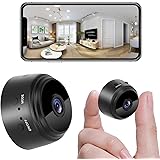
BIGASUO WiFi Camera Security Camera for Home Outdoor High HD Focus Magnet Mini WiFi Magnetic Live Stream Night Vision IP Wireless 1080P Audio Video CCTV for Home and Office Monitor (Basic Black)
₹699.00 (as of September 21, 2026 14:37 GMT +05:30 - More infoProduct prices and availability are accurate as of the date/time indicated and are subject to change. Any price and availability information displayed on [relevant Amazon Site(s), as applicable] at the time of purchase will apply to the purchase of this product.)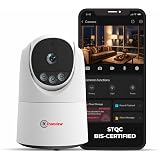
Trueview 3MP Wi-Fi ATC Robot Camera | BIS-ER (STQC Certified) WiFi CCTV Camera | All Time Color Night Vision | Pan Tilt | Smart Tracking | 2-Way Audio | Memory Card & Cloud | T18296S 2026 New Edition
₹2,099.00 (as of September 21, 2026 14:38 GMT +05:30 - More infoProduct prices and availability are accurate as of the date/time indicated and are subject to change. Any price and availability information displayed on [relevant Amazon Site(s), as applicable] at the time of purchase will apply to the purchase of this product.)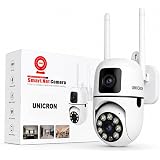
UNICRON CCTV Camera for Home Outdoor & Indoor, 4+4MP FHD Dual Antenna Bulb Wireless WiFi Security Camera 360° Smart, Color Night Vision & Mobile Connectivity
₹1,695.00 (as of September 21, 2026 14:38 GMT +05:30 - More infoProduct prices and availability are accurate as of the date/time indicated and are subject to change. Any price and availability information displayed on [relevant Amazon Site(s), as applicable] at the time of purchase will apply to the purchase of this product.)
Bectro PVC Indoor & Outdoor Wall Mount L-Type Mounting Bracket Specially Designed to be Compatible with EZVIZ C6 Series & C4 Series Smart CCTV Security Cameras
₹246.00 (as of September 21, 2026 14:38 GMT +05:30 - More infoProduct prices and availability are accurate as of the date/time indicated and are subject to change. Any price and availability information displayed on [relevant Amazon Site(s), as applicable] at the time of purchase will apply to the purchase of this product.)
securinnov 4MP WiFi Light Bulb Camera for Home Office Outdoor | 360° Rotation | Color Night Vision |1080p | Motion Detection | Two Way Audio | Wireless Home Security | Mobile App V380 Pro
₹1,989.00 (as of September 21, 2026 14:38 GMT +05:30 - More infoProduct prices and availability are accurate as of the date/time indicated and are subject to change. Any price and availability information displayed on [relevant Amazon Site(s), as applicable] at the time of purchase will apply to the purchase of this product.)
Qubo Smart Cam 360° 3MP | No SD Card Required, Records Directly on Cloud | 2026 Edition - by Hero Group | STQC Certified | AI Person Detection | Intruder Alarm | Night Vision | Two-Way Talk
₹2,880.00 (as of September 21, 2026 14:38 GMT +05:30 - More infoProduct prices and availability are accurate as of the date/time indicated and are subject to change. Any price and availability information displayed on [relevant Amazon Site(s), as applicable] at the time of purchase will apply to the purchase of this product.)
E bom AOV Solar CCTV with Continuous Recording (24 * 7) 4G SIM Security Camera Outdoor Use | Tripple Lens 4+4+4mp | 2-Way Talk | Night Vision |360 Degree | Waterproof Surveillance Camera|AOV Model
₹7,599.00 (as of September 21, 2026 14:37 GMT +05:30 - More infoProduct prices and availability are accurate as of the date/time indicated and are subject to change. Any price and availability information displayed on [relevant Amazon Site(s), as applicable] at the time of purchase will apply to the purchase of this product.)
MacCam 4+4MP Smart WiFi PTZ CCTV Camera for Home Outdoor | 360° View | Color Night Vision | Two Way Audio | Wireless Security Camera with Mobile App V380 Pro (Dual Lens Mini Dome02)
₹2,089.00 (as of September 21, 2026 14:38 GMT +05:30 - More infoProduct prices and availability are accurate as of the date/time indicated and are subject to change. Any price and availability information displayed on [relevant Amazon Site(s), as applicable] at the time of purchase will apply to the purchase of this product.)
ZEPLORE 1080P Mini Spy Camera with Low Light Vision, Portable Security, Hidden-Camera with Audio and Video Recorder for Home Office Wind Desktop Indoor Security Stand Camera (Non WiFi Camera)
₹799.00 (as of September 21, 2026 14:37 GMT +05:30 - More infoProduct prices and availability are accurate as of the date/time indicated and are subject to change. Any price and availability information displayed on [relevant Amazon Site(s), as applicable] at the time of purchase will apply to the purchase of this product.)
DDLC 4MP/8MP Dual Lens WiFi CCTV Camera for Home Indoor | 360° Pan Tilt | Night Vision | Motion Detection | Two Way Audio | Wireless Security Camera with Mobile App V380 Pro
₹1,989.00 (as of September 21, 2026 14:37 GMT +05:30 - More infoProduct prices and availability are accurate as of the date/time indicated and are subject to change. Any price and availability information displayed on [relevant Amazon Site(s), as applicable] at the time of purchase will apply to the purchase of this product.)
DDLC 5MP Indoor WiFi Smart CCTV Camera for Home | Full HD | Color Night Vision | Two Way Audio | Wireless Home Security Camera with Mobile App V380 Pro (CV Dual Lens)
₹2,489.00 (as of September 21, 2026 14:37 GMT +05:30 - More infoProduct prices and availability are accurate as of the date/time indicated and are subject to change. Any price and availability information displayed on [relevant Amazon Site(s), as applicable] at the time of purchase will apply to the purchase of this product.)
Maizic Smarthome Mini Fox 5MP UHD Wi-Fi Indoor CCTV Camera for Home with Color Night Vision, Motion Tracking, Two Way Talk and Multi Users View
₹1,199.00 (as of September 21, 2026 14:38 GMT +05:30 - More infoProduct prices and availability are accurate as of the date/time indicated and are subject to change. Any price and availability information displayed on [relevant Amazon Site(s), as applicable] at the time of purchase will apply to the purchase of this product.)
Maizic Smarthome 3 MP FHD WiFi Indoor Mini Fox Ptz Security Camera with Color Night Vision, 360° Ptz Rotation, Motion Tracking, 2 Way Talk and Multi Users View
₹1,199.00 (as of September 21, 2026 14:38 GMT +05:30 - More infoProduct prices and availability are accurate as of the date/time indicated and are subject to change. Any price and availability information displayed on [relevant Amazon Site(s), as applicable] at the time of purchase will apply to the purchase of this product.)
XIAOMI MI Wireless Home Security Camera 2i 2022 Edition | Full HD Picture | 360 View | 2MP | AI Powered Motion Detection | Enhanced Night Vision| Talk Back Feature (2 Way Calling), 1080p, White
Now retrieving the price.
(as of September 21, 2026 14:37 GMT +05:30 - More infoProduct prices and availability are accurate as of the date/time indicated and are subject to change. Any price and availability information displayed on [relevant Amazon Site(s), as applicable] at the time of purchase will apply to the purchase of this product.)
CP PLUS 2MP Full HD Wi-Fi CCTV Camera for Home with Motion Tracking | Smart Detection Suite | Night Vision | Cloud Recording | View & Talk | Supports OK Google | CTC Cyber Secure | CP-E25Q
₹2,299.00 (as of September 21, 2026 14:38 GMT +05:30 - More infoProduct prices and availability are accurate as of the date/time indicated and are subject to change. Any price and availability information displayed on [relevant Amazon Site(s), as applicable] at the time of purchase will apply to the purchase of this product.)
Qubo Smart 360° 3MP [2K] Wi-Fi Security Camera [2026 Edition] by Hero Group | Indoor CCTV Cam for Home | STQC Certified | AI Person Detection | Color Night Vision | SD&Cloud Storage (Pack of 2)
₹5,750.00 (as of September 21, 2026 14:38 GMT +05:30 - More infoProduct prices and availability are accurate as of the date/time indicated and are subject to change. Any price and availability information displayed on [relevant Amazon Site(s), as applicable] at the time of purchase will apply to the purchase of this product.)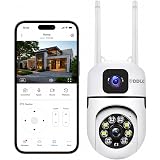
DDLC 4+4MP Smart WiFi PTZ CCTV Camera for Home Outdoor | 360° View | Color Night Vision | Two Way Audio | Wireless Security Camera with Mobile App V380 Pro (New Dual Lens PTZ01)
₹2,079.00 (as of September 21, 2026 14:37 GMT +05:30 - More infoProduct prices and availability are accurate as of the date/time indicated and are subject to change. Any price and availability information displayed on [relevant Amazon Site(s), as applicable] at the time of purchase will apply to the purchase of this product.)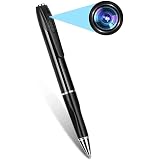
securinnov 1080P Full HD Spy Pen Camera | Invisible Lens for Secret Evidence & Operations | Professional Hidden Video & Audio Recorder for Home Office & Meetings | Indoor Outdoor Usage (Pen Camera)
₹1,989.00 (as of September 21, 2026 14:38 GMT +05:30 - More infoProduct prices and availability are accurate as of the date/time indicated and are subject to change. Any price and availability information displayed on [relevant Amazon Site(s), as applicable] at the time of purchase will apply to the purchase of this product.)
Mini Wireless WiFi Spy Camera 1080P
₹749.00 (as of September 21, 2026 14:37 GMT +05:30 - More infoProduct prices and availability are accurate as of the date/time indicated and are subject to change. Any price and availability information displayed on [relevant Amazon Site(s), as applicable] at the time of purchase will apply to the purchase of this product.)