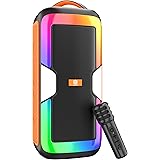
In today’s mobile-first world, the desire for immersive audio experiences extends beyond the living room. Whether you’re hosting a backyard barbecue, embarking on a camping trip, or simply seeking to elevate your personal listening space, a high-quality portable Bluetooth speaker is an indispensable gadget. But with a dizzying array of options flooding the market, deciphering which device will deliver that coveted deep bass and big sound can feel like navigating a sonic labyrinth. This guide cuts through the noise, offering a comprehensive exploration of what truly defines exceptional portable audio, alongside essential considerations for making your perfect purchase.
The Science of Sound: What Makes a Speaker “Big” and “Deep”?
Before diving into specific features, understanding the fundamental acoustic principles behind powerful portable sound is crucial.
- Driver Size and Type: The heart of any speaker lies in its drivers – the components that vibrate to produce sound. For deep bass, larger woofers (typically 3 inches or more in diameter) are essential. These larger diaphragms can move more air, generating lower frequencies. Mid-range drivers handle vocals and instruments, while tweeters reproduce higher frequencies like cymbals and sibilance. A well-balanced speaker will have a synergistic combination of these driver types.
- Passive Radiators vs. Ported Designs: To enhance bass output without requiring massive woofers, manufacturers employ clever design techniques. Passive radiators are essentially unpowered speaker cones that vibrate in response to the air pressure created by the active woofer. This resonance amplifies bass frequencies, allowing for a more compact design. Ported designs, on the other hand, utilize an open tube or port to allow air to escape and enter the enclosure, further boosting bass response.
- Amplifier Power (Wattage): While not the sole determinant of volume, amplifier power, measured in watts, directly influences how loud a speaker can play without distortion. Higher wattage generally translates to more headroom, allowing the speaker to reproduce dynamic passages with greater impact and clarity.
- Enclosure Design and Materials: The physical housing of a speaker plays a vital role. Rigid, non-resonant materials like high-density plastics or aluminum prevent unwanted vibrations that can muddy the sound. The internal volume and shape of the enclosure also influence bass response and overall acoustic performance.
- Digital Signal Processing (DSP): Modern portable speakers often incorporate sophisticated DSP algorithms. These digital processors can equalize frequencies, manage dynamic range, and optimize the audio output for different listening environments, often enhancing perceived bass and clarity.
Key Features to Prioritize for Deep Bass and Big Sound:
When evaluating portable Bluetooth speakers, keep these critical features at the forefront of your decision-making process.
- Bass Response (Frequency Range): Look for specifications indicating a low-end frequency response. While marketing often touts numbers like “down to 40Hz” or “even lower,” it’s important to remember that these might represent the limits of the speaker’s ability, not necessarily its optimal performance. Real-world listening is the ultimate test.
- Soundstage and Imaging: A wide and immersive soundstage makes the music feel expansive, as if the instruments are spread out around you. Good imaging allows you to pinpoint the location of individual instruments within that soundstage. While often associated with larger home audio systems, some portable speakers can achieve impressive spatial qualities.
- Volume and Distortion: A speaker that can get loud without sounding strained or distorted is a hallmark of quality. Listen for a clean, powerful output even at higher volumes. Excessive distortion indicates the amplifier or drivers are being pushed beyond their capabilities.
- Bluetooth Version and Codecs: The latest Bluetooth versions (5.0 and above) offer improved range, stability, and power efficiency. High-quality audio codecs like aptX HD and LDAC are crucial for transmitting higher fidelity audio wirelessly, preserving detail and nuance that might otherwise be lost.
- Battery Life: For true portability, extended battery life is paramount. Consider how long you’ll typically use the speaker away from a power source and choose a model that comfortably exceeds your needs. Many speakers offer 15-20 hours or more on a single charge.
- Durability and Water Resistance (IP Rating): If your adventures take you outdoors, robust construction and a good IP (Ingress Protection) rating are essential. An IPX7 rating, for example, indicates the speaker can be submerged in up to 1 meter of water for 30 minutes, making it ideal for poolside or beach use.
- Connectivity Options: Beyond Bluetooth, some speakers offer auxiliary inputs (3.5mm jack) for wired connections, USB-C for charging and potentially audio playback, and even the ability to pair multiple speakers for stereo or multi-room audio.
- Portability and Design: While sound quality is king, the form factor matters. Consider the speaker’s size, weight, and any carrying straps or handles that might enhance its portability. Aesthetics also play a role for many users.
Top Contenders for Deep Bass and Big Sound:
While specific models evolve rapidly, certain brands and product lines consistently deliver on the promise of powerful portable audio. Here are some categories and examples to guide your search:
- The Powerhouses: These speakers are designed for maximum impact and are often larger and heavier. They typically feature substantial drivers and powerful amplification.
- JBL Charge Series: Renowned for their robust bass response and impressive volume, the Charge series offers a good balance of portability and sonic prowess. Features like power bank functionality are a bonus.
- Sony SRS-XG Series: Sony’s XG line often boasts deep, resonant bass and a surprisingly wide soundstage for its size. Look for models with their proprietary EXTRA BASS technology.
- UE MEGABOOM Series: Ultimate Ears is known for its 360-degree sound and substantial bass output. The MEGABOOM models are built for durability and can fill larger spaces with sound.
- The Compact Kings of Bass: Don’t let their smaller size fool you; these speakers are engineered to punch above their weight class in the bass department.
- Bose SoundLink Revolve/Revolve+: While Bose is often praised for its balanced and refined sound, the Revolve series delivers surprisingly impactful bass for its compact, cylindrical design. The larger Revolve+ offers even more output.
- Anker Soundcore Motion+: This speaker consistently receives rave reviews for its exceptional value and impressive bass extension, often outperforming much more expensive competitors. Its customizable EQ via the app is a significant advantage.
- The Rugged All-Rounders: For those who demand both excellent sound and go-anywhere durability.
- JBL Flip Series: A perennial favorite, the Flip series offers a great combination of portability, water resistance, and satisfying bass. They are versatile enough for most everyday listening scenarios.
- Soundcore Flare Series: These speakers often feature a dual-diaphragm bass enhancement and ambient LED lighting, providing a fun and energetic listening experience with a noticeable low-end punch.
Testing and Listening: Your Ears Don’t Lie
While specifications and reviews are invaluable, nothing replaces your own ears. If possible, audition speakers in person. Pay attention to:
- Low-Frequency Impact: Does the bass feel deep and resonant, or is it boomy and indistinct?
- Mid-Range Clarity: Are vocals and instruments clear and present, or do they get lost in the bass?
- High-Frequency Detail: Are the treble frequencies crisp and natural, or are they harsh or sibilant?
- Volume and Distortion: Crank it up a bit. Does the sound remain clean and powerful, or does it start to break apart?
- Soundstage: Close your eyes. Can you perceive a sense of space and depth in the music?
Beyond the Basics: Advanced Features and Considerations
- Stereo Pairing: Many speakers can be paired with a second identical unit to create a true stereo soundstage, significantly enhancing immersion and volume.
- Multi-Room Audio: Some systems allow you to connect multiple speakers throughout your home, creating a synchronized audio experience.
- Voice Assistant Integration: Certain speakers incorporate microphones for hands-free access to voice assistants like Alexa or Google Assistant.
- Companion Apps: Manufacturer apps often unlock advanced features like EQ customization, firmware updates, and stereo pairing management.
Choosing the right portable Bluetooth speaker is a personal journey. By understanding the core principles of sound reproduction, prioritizing key features, and conducting thorough research, you can confidently select a device that delivers the deep bass and big sound you crave, transforming any environment into your personal concert hall.
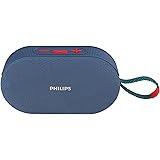
PHILIPS Audio TAS1400BL Wireless Bluetooth Speaker with Deep Bass, Passive Radiator, 12W Sound Output, 1200mAh Rechargable Battery, RGB Light Modes, 10H Playtime, Supports TF/USB/BT Modes (Blue)
₹1,249.00 (as of September 27, 2026 03:16 GMT +05:30 - More infoProduct prices and availability are accurate as of the date/time indicated and are subject to change. Any price and availability information displayed on [relevant Amazon Site(s), as applicable] at the time of purchase will apply to the purchase of this product.)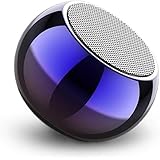
JBL Compatible Ultra Mini Wireless Bluetooth Speaker with Heavy Metal Electroplating | Round Mini Speaker, Power Button Controlled, Long Battery Backup & Quick Charge
₹299.00 (as of September 27, 2026 03:16 GMT +05:30 - More infoProduct prices and availability are accurate as of the date/time indicated and are subject to change. Any price and availability information displayed on [relevant Amazon Site(s), as applicable] at the time of purchase will apply to the purchase of this product.)
Thar Adventure Edition Car Shaped Bluetooth Speaker, 20W Wireless Portable Speaker with HD Sound, Bluetooth 5.0 (Black)
₹751.06 (as of September 27, 2026 03:16 GMT +05:30 - More infoProduct prices and availability are accurate as of the date/time indicated and are subject to change. Any price and availability information displayed on [relevant Amazon Site(s), as applicable] at the time of purchase will apply to the purchase of this product.)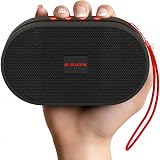
E GATE Atom S21 Bluetooth Wireless Speaker with Phone Stand | 5W | 52mm Driver, Bluetooth 5.2 | TWS Pairing, FM Radio, USB & mSD Card Support | Up to 10 Hours Playtime Portable Speaker (Black)
₹350.00 (as of September 27, 2026 03:16 GMT +05:30 - More infoProduct prices and availability are accurate as of the date/time indicated and are subject to change. Any price and availability information displayed on [relevant Amazon Site(s), as applicable] at the time of purchase will apply to the purchase of this product.)
HAMMER Drop X1 5W Bluetooth Speaker with Twin Pairing, Bluetooth v6.0, 32 Hours Playtime, 52mm Drivers (Green)
₹579.00 (as of September 27, 2026 03:16 GMT +05:30 - More infoProduct prices and availability are accurate as of the date/time indicated and are subject to change. Any price and availability information displayed on [relevant Amazon Site(s), as applicable] at the time of purchase will apply to the purchase of this product.)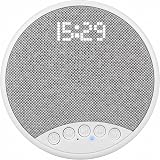
JAARVE Bluetooth Pillow Speaker for Sleeping,Ultra-Thin Under Pillow Speaker with Blue Sleep Timer, Wireless Private Listening,Rechargeable Sleep Aid for Side Sleepers,Bedtime Music (Grey)
Now retrieving the price.
(as of September 27, 2026 03:16 GMT +05:30 - More infoProduct prices and availability are accurate as of the date/time indicated and are subject to change. Any price and availability information displayed on [relevant Amazon Site(s), as applicable] at the time of purchase will apply to the purchase of this product.)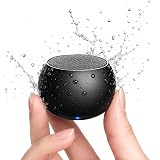
heetipuk Mini Wireless Bluetooth Speaker with Heavy Metal Electroplating | Round Mini Speaker, Power Button Controlled, Long Battery Backup & Quick Charge Thunder Eagle (Black)
₹278.00 (as of September 27, 2026 03:16 GMT +05:30 - More infoProduct prices and availability are accurate as of the date/time indicated and are subject to change. Any price and availability information displayed on [relevant Amazon Site(s), as applicable] at the time of purchase will apply to the purchase of this product.)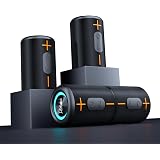
ModishOmbre® Duo Blast 30 W High-Output TWS Bluetooth Speaker | 2.0 DSP Tuned Audio | Dual 15W Dynamic Drivers | 10H Playtime | IPX5 Water Proof | TWS Stereo Pairing | TF/Aux Support | Built-in HD Mic
₹2,199.00 (as of September 27, 2026 03:16 GMT +05:30 - More infoProduct prices and availability are accurate as of the date/time indicated and are subject to change. Any price and availability information displayed on [relevant Amazon Site(s), as applicable] at the time of purchase will apply to the purchase of this product.)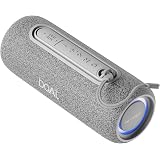
boAt Stone 350 Pro Plus 16W Signature Sound, Up to 8 Hours Playtime, IPX5 Resistance, Type-C Charging, TWS for 2X Power, Built-in Mic, Voice Assistant Wireless Bluetooth Speaker (Titanium Grey)
₹1,599.00 (as of September 27, 2026 03:16 GMT +05:30 - More infoProduct prices and availability are accurate as of the date/time indicated and are subject to change. Any price and availability information displayed on [relevant Amazon Site(s), as applicable] at the time of purchase will apply to the purchase of this product.)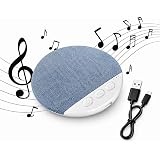
PANCA Bluetooth Pillow Speaker for Sleeping, Wireless Under Pillow Sleep Speaker with White Noise, Portable Mini Stereo Music Speaker for Side Sleepers, Bedside Travel Sleep Aid (Blue)
₹499.00 (as of September 27, 2026 03:16 GMT +05:30 - More infoProduct prices and availability are accurate as of the date/time indicated and are subject to change. Any price and availability information displayed on [relevant Amazon Site(s), as applicable] at the time of purchase will apply to the purchase of this product.)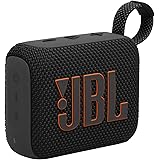
JBL Go 4, Wireless Ultra Portable Bluetooth Speaker, Pro Sound, Vibrant Colors, Water & Dust Proof, Type C (Without Mic, Black)
₹3,499.00 (as of September 27, 2026 03:16 GMT +05:30 - More infoProduct prices and availability are accurate as of the date/time indicated and are subject to change. Any price and availability information displayed on [relevant Amazon Site(s), as applicable] at the time of purchase will apply to the purchase of this product.)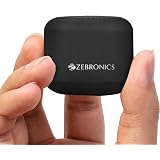
ZEBRONICS Pixie Portable Speaker, 5 Watts, Supports Bluetooth, TWS Function, mSD, Compact Design, Call Function, Carry Loop, Upto 7h Backup (Black)
₹449.00 (as of September 27, 2026 03:16 GMT +05:30 - More infoProduct prices and availability are accurate as of the date/time indicated and are subject to change. Any price and availability information displayed on [relevant Amazon Site(s), as applicable] at the time of purchase will apply to the purchase of this product.)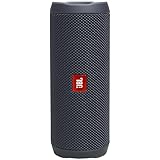
JBL Flip Essential 2, Wireless Portable Bluetooth Speaker with Deep Base, IPX7 Water & Dustproof (Without Mic, Black)
₹4,999.00 (as of September 27, 2026 03:16 GMT +05:30 - More infoProduct prices and availability are accurate as of the date/time indicated and are subject to change. Any price and availability information displayed on [relevant Amazon Site(s), as applicable] at the time of purchase will apply to the purchase of this product.)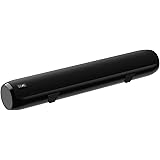
boAt Aavante Bar 610, 25W Signature Sound, 2.0 CH with Dual Passive Radiators, 7 HRS Battery, Sleek Design, Multi Connectivity, Bluetooth Sound Bar, Soundbar Speaker (Charcoal Black)
₹1,999.00 (as of September 27, 2026 03:16 GMT +05:30 - More infoProduct prices and availability are accurate as of the date/time indicated and are subject to change. Any price and availability information displayed on [relevant Amazon Site(s), as applicable] at the time of purchase will apply to the purchase of this product.)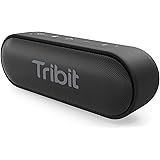
Tribit XSound Go Bluetooth Speaker, 16W, 24H Playtime, IPX7 Waterproof | Bluetooth 5.3, XBass,Portable Design, Enhanced Bass, Built-in Microphone, Hands-Free Calling, Indoor and Outdoor Use
₹3,299.00 (as of September 27, 2026 03:16 GMT +05:30 - More infoProduct prices and availability are accurate as of the date/time indicated and are subject to change. Any price and availability information displayed on [relevant Amazon Site(s), as applicable] at the time of purchase will apply to the purchase of this product.)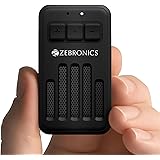
ZEBRONICS Clipper, 4 Watts, Wearable Bluetooth Speaker with Mic, Magnetic Clip-On, Upto 20 Hours Playback, Bluetooth v5.3, Carry Loop, Adventure & Travel Companion, Portable Speaker (Black)
₹599.00 (as of September 27, 2026 03:16 GMT +05:30 - More infoProduct prices and availability are accurate as of the date/time indicated and are subject to change. Any price and availability information displayed on [relevant Amazon Site(s), as applicable] at the time of purchase will apply to the purchase of this product.)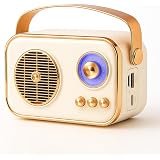
Fire turtle Vintage Bluetooth Wireless Speaker | 10W RMS Loud Sound | Retro Design with Type-C Charging, 8H Battery Backup, USB & AUX Input, Portable Home & Outdoor Speaker 636 White
₹710.00 (as of September 27, 2026 03:16 GMT +05:30 - More infoProduct prices and availability are accurate as of the date/time indicated and are subject to change. Any price and availability information displayed on [relevant Amazon Site(s), as applicable] at the time of purchase will apply to the purchase of this product.)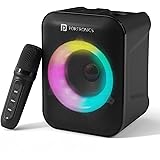
Portronics Apollo One 20W Wireless Bluetooth Portable Speaker with Wireless Karaoke Mic, 5 Hour Playtime, RGB LED Light, Bluetooth V5.3, Easy Grab Handle, USB/AUX in/TF Card, Type C Charging(Black)
₹1,349.00 (as of September 27, 2026 03:16 GMT +05:30 - More infoProduct prices and availability are accurate as of the date/time indicated and are subject to change. Any price and availability information displayed on [relevant Amazon Site(s), as applicable] at the time of purchase will apply to the purchase of this product.)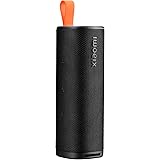
XIAOMI Sound Outdoor Speaker (Black) | 30W Hi-Quality Speaker with Mic | Upto 12hrs Playback Time | IP67 Waterproof & Type C | Wireless Stereo Pairing
₹3,939.00 (as of September 27, 2026 03:16 GMT +05:30 - More infoProduct prices and availability are accurate as of the date/time indicated and are subject to change. Any price and availability information displayed on [relevant Amazon Site(s), as applicable] at the time of purchase will apply to the purchase of this product.)