The sweltering heat of summer can be relentless, transforming your home from a sanctuary into a sauna. While air conditioning offers a powerful solution, it’s not always the most energy-efficient or budget-friendly option. This is where the humble fan steps in, a versatile and cost-effective tool for circulating air, creating a cooling breeze, and improving overall comfort. But with a dizzying array of fan types, sizes, and features, navigating the market can feel overwhelming. This comprehensive guide will equip you with the knowledge to choose the perfect fan for your specific needs, transforming your living space into a cool oasis.
Understanding the Science of Fan Cooling:
Before diving into fan types, it’s crucial to understand how they actually work. Fans don’t lower the ambient temperature of a room. Instead, they create a perceived cooling effect by:
- Evaporation: Moving air over your skin accelerates the evaporation of perspiration. This process draws heat away from your body, making you feel cooler.
- Air Circulation: By moving stagnant air, fans prevent heat from accumulating in one area and promote a more uniform temperature distribution throughout the room. This can make a significant difference, especially in spaces with poor ventilation.
Key Factors to Consider When Choosing a Fan:
Several critical factors will influence your decision. Carefully assessing these will lead you to the ideal fan for your home.
-
Room Size and Purpose:
- Small Rooms (Bedrooms, Offices): Personal fans, desk fans, or small pedestal fans are ideal. They provide targeted cooling without overwhelming a confined space.
- Medium Rooms (Living Rooms, Dining Rooms): Medium to large pedestal fans, tower fans, or even ceiling fans are suitable for broader air circulation.
- Large Rooms (Open Plan Living Areas, Garages): High-velocity fans, industrial-style fans, or multiple strategically placed fans will be necessary to effectively move air.
- Specific Needs (Kitchens, Bathrooms): Ventilation fans are designed to exhaust moist or stale air, preventing mold and mildew growth.
-
Type of Fan: This is perhaps the most significant decision. Each fan type offers distinct advantages.
- Pedestal Fans: These are the classic workhorses of home cooling. Their adjustable height and oscillating heads allow for widespread air distribution. They are generally powerful and come in various sizes. Best for: General room cooling, bedrooms, living areas.
- Tower Fans: Sleek and space-saving, tower fans feature a vertical design that houses a powerful fan mechanism. They often offer multiple speed settings and oscillation for quiet, efficient cooling. Best for: Small to medium rooms where floor space is a concern, bedrooms, offices.
- Box Fans: Simple, affordable, and effective, box fans are square units that can be placed in windows to draw in cool air or exhaust warm air. They are also useful for general room circulation. Best for: Window ventilation, garages, workshops, budget-conscious consumers.
- Desk/Table Fans: Compact and portable, these fans are perfect for personal cooling at your desk, bedside table, or any other close-proximity location. Best for: Personal cooling, small workspaces, dorm rooms.
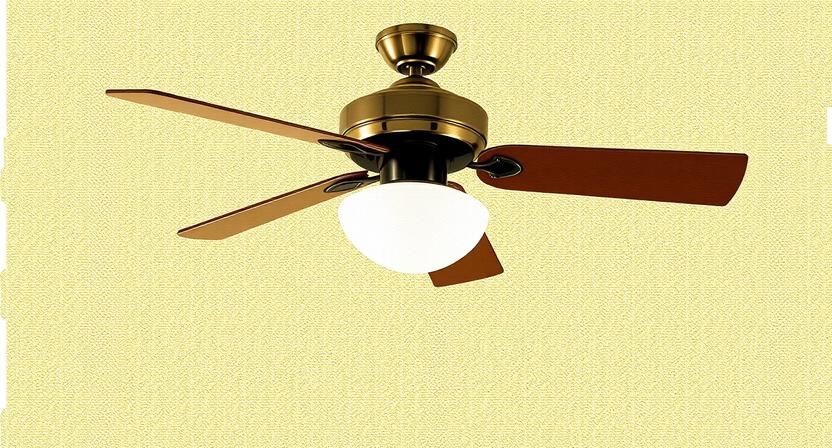
- Ceiling Fans: Installed overhead, ceiling fans are excellent for circulating air throughout an entire room and can reduce reliance on air conditioning. Many models also offer reversible blade direction for winter heating efficiency. Best for: Whole-room air circulation, living rooms, bedrooms, reducing energy costs.
- Window Fans: Designed to fit snugly in window frames, these fans can either pull in outside air or push out hot indoor air. They are particularly effective during cooler evenings. Best for: Ventilation, drawing in cooler outdoor air, exhausting indoor heat.
- High-Velocity/Air Circulator Fans: These powerful fans are designed to move a large volume of air at high speeds. They are excellent for creating a strong breeze and can be used in larger spaces or for targeted cooling. Best for: Large rooms, garages, workshops, creating a strong cooling effect.
- Bladeless Fans: Utilizing innovative technology, these fans use an impeller to draw air in and amplify it through an aperture, creating a smooth, powerful stream of air without visible blades. They are safer for children and pets and easier to clean. Best for: Safety-conscious individuals, modern aesthetics, personal cooling.
- Evaporative Coolers (Swamp Coolers): While not technically fans in the traditional sense, these units use water evaporation to cool the air. They are most effective in dry climates. Best for: Dry climates, creating a humid and cool environment.
-
Features and Functionality: Beyond the basic design, consider these features:
- Speed Settings: Multiple speed settings offer greater control over airflow and noise levels.
- Oscillation: The ability to swivel side-to-side or up-and-down distributes air more evenly and prevents a constant direct breeze.
- Timer: A timer allows you to set the fan to turn off automatically, saving energy and preventing over-cooling.
- Remote Control: Convenience at its finest, a remote control lets you adjust settings without getting up.
- Thermostat/Auto Mode: Some advanced fans can sense the room temperature and adjust speed accordingly.
- Air Purification/Ionizers: Certain fans incorporate air filters or ionizers to improve air quality by removing dust, allergens, and odors.
- Noise Level (Decibels): This is particularly important for bedrooms or quiet workspaces. Look for fans with lower decibel ratings for quieter operation.
- Energy Efficiency: Check the wattage. Lower wattage generally means lower energy consumption. Energy Star certification is a good indicator.
- Portability and Weight: If you plan to move the fan frequently, consider its weight and the presence of handles.
- Ease of Cleaning: Removable grilles or washable filters make maintenance simpler.
-
Budget: Fan prices vary significantly based on type, brand, and features. Determine your budget beforehand to narrow down your options. While high-end models offer advanced features, more affordable options can still provide effective cooling.
-
Aesthetics and Design: The fan will be a visible part of your home décor. Consider its style, color, and how it will complement your existing furnishings.
Top Fan Types in Detail:
Let’s delve deeper into some of the most popular fan categories.
Pedestal Fans: The Versatile All-Rounder
Pedestal fans are the quintessential cooling solution for many households. Their adjustable height allows you to direct airflow precisely where you need it, from floor level to head height. The oscillation feature ensures that the cool breeze reaches across a wider area, preventing a localized cooling effect. When choosing a pedestal fan, look for:
- Sturdy Base: A wide and heavy base is crucial for stability, especially on higher settings.
- Adjustable Height and Tilt: Maximize your airflow customization.
- Powerful Motor: For effective cooling in medium to large rooms.
- Multiple Speed Settings: Adapt to your comfort level and the ambient temperature.
- Quiet Operation: Essential for bedrooms or living areas where noise can be disruptive.
Tower Fans: The Space-Saving Elegance
Tower fans have gained immense popularity due to their slim profile and modern aesthetic. They are ideal for smaller rooms or areas where floor space is at a premium. Their vertical design allows for efficient air circulation without taking up much visual or physical real estate. Key considerations for tower fans include:
- Oscillation Range: A wider oscillation range provides better air distribution.
- Quiet Operation: Many tower fans are designed for whisper-quiet performance, making them perfect for bedrooms.
- Remote Control: Adds a layer of convenience for adjusting settings.
- Air Filters: Some models include filters to capture dust and allergens, improving indoor air quality.
Ceiling Fans: The Integrated Cooling System
Ceiling fans offer a permanent and highly effective solution for whole-room air circulation. They are particularly energy-efficient when used in conjunction with air conditioning, allowing you to set your thermostat a few degrees higher without sacrificing comfort. When selecting a ceiling fan, consider:
- Blade Span: The size of the fan blades should be proportionate to the room size. A larger room requires a larger fan.
- Motor Quality: A powerful and durable motor ensures longevity and efficient airflow.
- Reversible Blades: This feature allows for year-round use. In summer, blades push air down; in winter, they pull air up, circulating warm air from the ceiling.
- Light Fixtures: Many ceiling fans come with integrated light kits, offering a dual-purpose solution.
- Wall Control or Remote: Choose the control method that best suits your preference.
High-Velocity Fans: For Serious Air Movement
When you need serious airflow, high-velocity fans are the answer. These powerful machines are designed to move a large volume of air at high speeds, creating a strong, refreshing breeze. They are often found in workshops, garages, or large open-plan spaces where standard fans may struggle. Look for:
- Durable Construction: These fans are built to withstand demanding use.
- Adjustable Tilt: Allows for directional airflow.
- Multiple Speed Settings: Even at high speeds, some control
Orient Electric Apex-FX 1200mm Ceiling Fan for Home| BEE 1 Star Rated Energy Efficient Fan| Rust Resistant | Strong and Powerful Motor | 2 Years Warranty by Orient | Blue - Pack of 1
₹1,699.00 (as of September 22, 2026 00:10 GMT +05:30 - More infoProduct prices and availability are accurate as of the date/time indicated and are subject to change. Any price and availability information displayed on [relevant Amazon Site(s), as applicable] at the time of purchase will apply to the purchase of this product.)
Colorbot Stella BLDC Ceiling Fans 1200mm | BEE 5 Star Rated Power Saver | AeroQuiet+ Technology | 370 RPM | Remote Control (Boost, Timer, LED, Reverse Mode) | 4 Years Warranty (Arctic White)
₹2,899.00 (as of September 22, 2026 00:10 GMT +05:30 - More infoProduct prices and availability are accurate as of the date/time indicated and are subject to change. Any price and availability information displayed on [relevant Amazon Site(s), as applicable] at the time of purchase will apply to the purchase of this product.)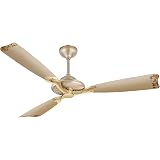
RR Signature Jaipur Mahal NEO 1240 MM | Royal Design Ceiling Fan for Home and Office | High Speed 320 RPM | Thar Gold, 3 Year Warranty & Free Installation
₹5,499.00 (as of September 22, 2026 00:10 GMT +05:30 - More infoProduct prices and availability are accurate as of the date/time indicated and are subject to change. Any price and availability information displayed on [relevant Amazon Site(s), as applicable] at the time of purchase will apply to the purchase of this product.)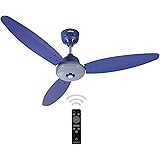
ACTIVA Gracia 1200mm BLDC Ceiling Fan with LED Light, 28W Energy Saving BEE 5 Star Rated Motor, 3 Wider Blades, Full Remote Control, Silent Operation come with 5 Year Warranty (Sparkle Blue)
₹2,197.00 (as of September 22, 2026 00:10 GMT +05:30 - More infoProduct prices and availability are accurate as of the date/time indicated and are subject to change. Any price and availability information displayed on [relevant Amazon Site(s), as applicable] at the time of purchase will apply to the purchase of this product.)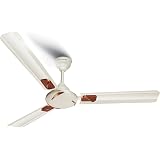
LONGWAY Creta P2 1200 mm/48 inch Ultra High Speed 3 Blade Anti-Dust Decorative Star Rated Ceiling Fan (Ivory, Pack of 1)
₹1,249.00 (as of September 22, 2026 00:10 GMT +05:30 - More infoProduct prices and availability are accurate as of the date/time indicated and are subject to change. Any price and availability information displayed on [relevant Amazon Site(s), as applicable] at the time of purchase will apply to the purchase of this product.)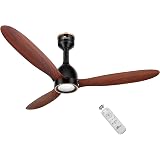
RR Signature COMFYGLOW 1250mm BLDC Underlight Ceiling Fan with 100% Pure Copper Motor - 35W | 350 RPM High Speed | Remote Control & LED Light | 3 Light Modes | 3 Year Warranty - Mahogany
₹4,999.00 (as of September 22, 2026 00:10 GMT +05:30 - More infoProduct prices and availability are accurate as of the date/time indicated and are subject to change. Any price and availability information displayed on [relevant Amazon Site(s), as applicable] at the time of purchase will apply to the purchase of this product.)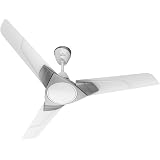
Polycab Aereo Plus Star Rated, 1200mm Ceiling Fan For Home | High Speed & Air Delivery | Saves Up To 33% Electricity, Rust-Proof Blades, 52 Watt | 3-yr Warranty (Pearl White Cloud Grey Silver)
₹2,699.00 (as of September 22, 2026 00:10 GMT +05:30 - More infoProduct prices and availability are accurate as of the date/time indicated and are subject to change. Any price and availability information displayed on [relevant Amazon Site(s), as applicable] at the time of purchase will apply to the purchase of this product.)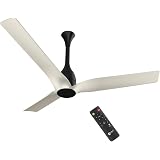
Orient Electric Aerosilent | India’s Most Silent Fan | Less than 50dB| 1200mm BLDC Ceiling Fan with Remote | BEE 5-Star Energy-Efficient Fan | Red Dot Design Winner| 5-Year Warranty | Dune Gold
₹7,199.00 (as of September 22, 2026 00:10 GMT +05:30 - More infoProduct prices and availability are accurate as of the date/time indicated and are subject to change. Any price and availability information displayed on [relevant Amazon Site(s), as applicable] at the time of purchase will apply to the purchase of this product.)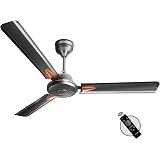
LONGWAY Aero 1200 mm BLDC Ceiling Fan with Remote Control | BEE 5 Star Rated Energy Efficient | Ultra High Speed 3 Blade Anti-Dust Decorative Ceiling Fan | 3 Years Warranty (Smoked Brown, Pack of 1)
₹1,999.00 (as of September 22, 2026 00:10 GMT +05:30 - More infoProduct prices and availability are accurate as of the date/time indicated and are subject to change. Any price and availability information displayed on [relevant Amazon Site(s), as applicable] at the time of purchase will apply to the purchase of this product.)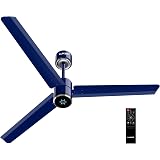
LUKER JVLuker USA Aerozen Prime 1200mm BLDC Ceiling Fan | IR Remote | BEE 5 Star | Power Saver upto 65% | High Air Delivery | U-LED Speed Indicator | Reverse Mode, 3 Years Warranty, Silver Blue Chrome
₹3,699.00 (as of September 22, 2026 00:10 GMT +05:30 - More infoProduct prices and availability are accurate as of the date/time indicated and are subject to change. Any price and availability information displayed on [relevant Amazon Site(s), as applicable] at the time of purchase will apply to the purchase of this product.)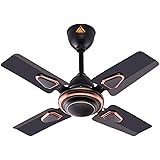
Athots Affleck Ultra 600mm (24 Inch) High Speed Ceiling Fan | Energy Efficient Motor | Anti-Dust Blades | Ideal for Kitchen, Office & Small Room | 24 Months Warranty | (Smock Black)
₹989.00 (as of September 22, 2026 00:10 GMT +05:30 - More infoProduct prices and availability are accurate as of the date/time indicated and are subject to change. Any price and availability information displayed on [relevant Amazon Site(s), as applicable] at the time of purchase will apply to the purchase of this product.)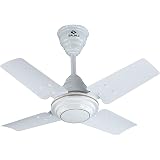
Bajaj Maxima 600mm Ceiling Fan (White)
₹1,550.00 (as of September 22, 2026 00:10 GMT +05:30 - More infoProduct prices and availability are accurate as of the date/time indicated and are subject to change. Any price and availability information displayed on [relevant Amazon Site(s), as applicable] at the time of purchase will apply to the purchase of this product.)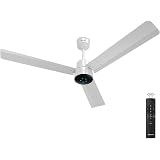
Bajaj Classico Sleek Neo 5S 1200MM BLDC Ceiling Fan with Remote|LED speed indicator|BEE 5 Star Rated Energy Efficient|Power Saving|Sleek Compact Design|High Air Delivery|2Yr Warranty|White & Black
₹3,299.00 (as of September 22, 2026 00:10 GMT +05:30 - More infoProduct prices and availability are accurate as of the date/time indicated and are subject to change. Any price and availability information displayed on [relevant Amazon Site(s), as applicable] at the time of purchase will apply to the purchase of this product.)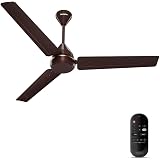
Crompton Energion Hyperboost 1200mm BLDC Ceiling Fan | Point Anywhere Remote Control | BEE 5 Star Rated Energy Efficient | Superior Air Delivery | 2 Year Brand Warranty | Smoked Brown
₹2,799.00 (as of September 22, 2026 00:10 GMT +05:30 - More infoProduct prices and availability are accurate as of the date/time indicated and are subject to change. Any price and availability information displayed on [relevant Amazon Site(s), as applicable] at the time of purchase will apply to the purchase of this product.)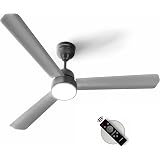
LONGWAY Luminair 1200 mm BLDC Ceiling Fan with Remote Control & LED Light | BEE 5 Star Rated Energy Efficient | Ultra High Speed 3 Blade Anti-Dust Decorative Ceiling Fan (Gray, Pack of 1)
₹2,682.00 (as of September 22, 2026 00:10 GMT +05:30 - More infoProduct prices and availability are accurate as of the date/time indicated and are subject to change. Any price and availability information displayed on [relevant Amazon Site(s), as applicable] at the time of purchase will apply to the purchase of this product.)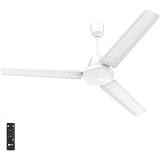
Orient Electric Apex Swift 1200mm BLDC Ceiling Fan with Remote | BEE 5 Star Rated | High Speed, Energy Saving Motor | 210 CMM Air Delivery | Inverter Compatible | 3 Year Warranty by Orient |White
₹2,649.00 (as of September 22, 2026 00:10 GMT +05:30 - More infoProduct prices and availability are accurate as of the date/time indicated and are subject to change. Any price and availability information displayed on [relevant Amazon Site(s), as applicable] at the time of purchase will apply to the purchase of this product.)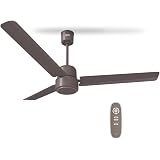
Havells REO BLDC 1200MM 5 Star Rated Ceiling Fan| Air Flow: 220 CMM| Speed: 350 RPM|Watt: 33W| Reverse Rotation Mode| Timer Setting| 2 Year Door Step Warranty By Manufacturer (Unnovate, Stone Grey)
₹2,719.00 (as of September 22, 2026 00:10 GMT +05:30 - More infoProduct prices and availability are accurate as of the date/time indicated and are subject to change. Any price and availability information displayed on [relevant Amazon Site(s), as applicable] at the time of purchase will apply to the purchase of this product.)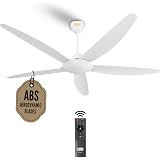
KUHL Meridian M55 1400MM 65% Power Saving BLDC Ceiling Fan With Remote | BEE 5 Star Rated & ISI Marked | High Air Flow | Reverse Mode | 5 Year Warranty on Motor | Free Installation | White
₹5,799.00 (as of September 22, 2026 00:10 GMT +05:30 - More infoProduct prices and availability are accurate as of the date/time indicated and are subject to change. Any price and availability information displayed on [relevant Amazon Site(s), as applicable] at the time of purchase will apply to the purchase of this product.)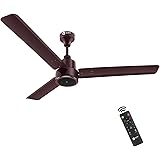
Orient Electric 1200 mm Zeno BLDC | BLDC energy saving ceiling fan with Remote |BEE 5-star rated | Saves up to 50% on electricity bills | 3-year warranty by Orient | Brown, pack of 1
₹3,099.00 (as of September 22, 2026 00:10 GMT +05:30 - More infoProduct prices and availability are accurate as of the date/time indicated and are subject to change. Any price and availability information displayed on [relevant Amazon Site(s), as applicable] at the time of purchase will apply to the purchase of this product.)