
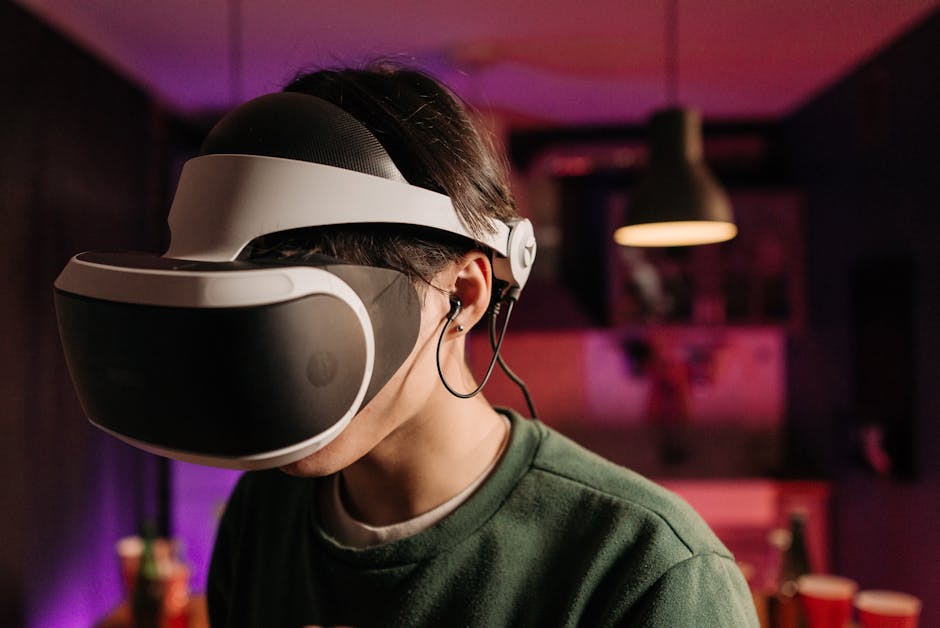
The virtual reality landscape is evolving at an unprecedented pace, and 2026 promises a significant leap forward in headset technology. As consumers increasingly seek immersive and interactive experiences, understanding the key features that define a top-tier VR headset is paramount. This guide delves into the essential aspects to consider, ensuring you make an informed decision for your next virtual adventure.
Display Technology: The Gateway to Immersion
The display is arguably the most crucial component of any VR headset, directly impacting visual fidelity and the sense of presence. In 2026, expect a continued push towards higher resolutions and refresh rates.
- Resolution (Pixels Per Eye): This dictates the sharpness and detail of the virtual world. Look for headsets offering at least 2K per eye (e.g., 2160 x 2160 or higher). Higher resolutions minimize the “screen door effect” – the visible grid of pixels that can break immersion. Some premium headsets are already pushing beyond 4K per eye, offering unparalleled clarity.
- Refresh Rate (Hz): A higher refresh rate translates to smoother motion, reducing motion sickness and enhancing realism. 90Hz is now considered the baseline for comfortable VR. However, 120Hz and even 144Hz are becoming more common in enthusiast-grade headsets, providing a significantly more fluid experience, especially in fast-paced games.
- Field of View (FOV): This refers to how much of the virtual world you can see at once, akin to peripheral vision. A wider FOV (typically measured in degrees) contributes to a more encompassing and naturalistic experience. While 100-110 degrees is standard, headsets pushing towards 120 degrees or more offer a noticeable improvement in immersion.
- Panel Type (OLED vs. LCD): OLED panels excel in contrast ratios, offering true blacks and vibrant colors, which are ideal for dark scenes and atmospheric VR experiences. LCD panels, while generally more affordable and brighter, can suffer from less impressive contrast. The choice often depends on your budget and preferred visual style.
- Lens Technology: Fresnels lenses are common due to their cost-effectiveness and ability to reduce bulk. However, they can sometimes introduce god rays (concentric rings of light) and a narrower sweet spot for optimal clarity. Pancake lenses are a newer, more advanced technology that offers a slimmer profile, wider sweet spot, and improved edge-to-edge sharpness, though they can be more expensive.
Tracking and Input: Interacting with the Virtual World
Seamless and accurate tracking is vital for intuitive interaction and a believable sense of embodiment within VR.
- Inside-Out Tracking: This is the dominant tracking method, utilizing cameras on the headset itself to map your surroundings and track the controllers. It eliminates the need for external base stations, offering greater freedom of movement and simpler setup. Ensure the headset has sufficient cameras (usually 4 or more) for robust tracking in various lighting conditions.
- Outside-In Tracking (Base Station Tracking): While less common in consumer headsets now, this method uses external sensors (base stations) to track the headset and controllers. It generally offers superior accuracy and tracking volume, especially for room-scale VR, but requires more setup and space.
- Controller Design and Tracking: Ergonomics are key. Controllers should feel comfortable in your hand for extended sessions. Look for advanced haptic feedback that provides nuanced tactile sensations, mimicking textures and impacts. Finger tracking, where the headset can detect the individual position and movement of your fingers without holding controllers, is an emerging feature that enhances natural interaction.
- Hand Tracking: Many modern headsets offer controller-free hand tracking, allowing you to interact with virtual objects using your bare hands. While still developing, it’s becoming increasingly sophisticated for menu navigation and simpler interactions. Look for headsets with high-fidelity hand tracking for a more intuitive experience.
Comfort and Ergonomics: Extended Play Sessions
VR can be a demanding experience, so comfort is paramount for enjoying long sessions.
- Weight Distribution and Balance: A well-balanced headset feels lighter and less fatiguing. Look for designs that distribute weight evenly across the head and face.
- Head Strap Design: Adjustable and padded head straps are essential for a secure and comfortable fit. Different strap designs, like halo straps or elite straps, cater to individual preferences and head shapes.
- Facial Interface: The material and design of the facial interface (the part that rests against your face) significantly impact comfort and light leakage. Breathable materials and adjustable padding can prevent discomfort and fogging. Some headsets offer interchangeable facial interfaces for a personalized fit.
- IPD Adjustment (Interpupillary Distance): This setting allows you to adjust the distance between the lenses to match the distance between your pupils. Proper IPD adjustment is crucial for visual clarity and reducing eye strain. Manual or automatic IPD adjustment mechanisms are available.
Audio: Completing the Immersion
Immersive audio is as important as visuals for transporting you to another reality.
- Integrated Audio: Many headsets feature built-in speakers or headphones, offering convenience. Look for spatial audio capabilities that simulate sound coming from specific directions, enhancing realism.
- Audio Jack/Bluetooth: The option to connect your own high-quality headphones via a 3.5mm audio jack or Bluetooth provides greater audio fidelity and personalization.
Connectivity and Performance: The Engine of VR
How your headset connects to its power source and processing unit, and its internal capabilities, are critical.
- Standalone vs. PC VR:
- Standalone headsets (like Meta Quest 3) offer untethered freedom and have their own processing power. They are generally more affordable and easier to use but may have limitations in graphical fidelity compared to PC VR.
- PC VR headsets (like Valve Index or HTC VIVE Pro 2) connect to a powerful gaming PC, unlocking the highest levels of graphical detail and complexity. They offer superior performance but require a significant investment in a capable PC.
- Hybrid headsets are emerging, offering both standalone and PC VR capabilities, providing the best of both worlds.
- Wireless Streaming (for PC VR): For PC VR, wireless streaming options (e.g., Wi-Fi 6/6E) are becoming increasingly robust, offering a tethered experience without the cable. Latency and bandwidth are key considerations here.
- Processor and RAM (for Standalone): For standalone headsets, the onboard processor and RAM determine the performance of native applications and games. Newer, more powerful chipsets (like Qualcomm’s Snapdragon XR series) are crucial for smooth and complex experiences.
Additional Features to Consider in 2026:
- Passthrough/Mixed Reality Capabilities: The ability to see your real-world surroundings through the headset’s cameras is becoming a standard, enabling mixed reality experiences where virtual objects can interact with the physical world. Look for high-resolution, color passthrough for a more seamless blend.
- Eye Tracking: This advanced feature allows the headset to track where you’re looking. It can be used for foveated rendering (rendering only what you’re looking at in high detail, saving processing power), improving social presence in virtual environments, and enabling new forms of interaction.
- Face/Body Tracking: While still niche, some headsets are beginning to incorporate or support face and body tracking for more expressive avatars and a deeper sense of connection in social VR.
- Battery Life (for Standalone): For standalone headsets, battery life is a practical consideration. Aim for at least 2-3 hours of active use. Some headsets offer external battery pack compatibility for extended sessions.
- Software Ecosystem and Content Library: The availability of games, applications, and experiences is crucial. Consider the platform’s ecosystem (e.g., Meta Quest Store, SteamVR) and the variety of content available.
By carefully evaluating these features, consumers can navigate the rapidly advancing VR market and select a headset that delivers the most immersive, comfortable, and engaging virtual reality experiences in 2026.

HD Virtual Reality Headset for iPhone and Android, 3D for Movies and Video Games, White VR Headset Glasses, White and Black, 3D Virtual Reality Goggles for Movies and Gaming, Adjustable Head Strap
₹399.00 (as of September 11, 2026 19:10 GMT +05:30 - More infoProduct prices and availability are accurate as of the date/time indicated and are subject to change. Any price and availability information displayed on [relevant Amazon Site(s), as applicable] at the time of purchase will apply to the purchase of this product.)
CYPHON M3 Pro Battery Pack Head Strap Compatible with Meta Quest 3/3S, 5200mAh Magnetic Hot-Swap Battery, White
₹8,500.00 (as of September 11, 2026 19:10 GMT +05:30 - More infoProduct prices and availability are accurate as of the date/time indicated and are subject to change. Any price and availability information displayed on [relevant Amazon Site(s), as applicable] at the time of purchase will apply to the purchase of this product.)
Irusu Play VR Ultra 2026 | VR Headset for All Mobiles with 40mm HD Anti-BluRay Lens | Adjustable IPD & Focal VR Headset | Built-in Type-C Headphones + Bluetooth Remote | Mobile VR Gaming Set
₹3,199.00 (as of September 11, 2026 19:10 GMT +05:30 - More infoProduct prices and availability are accurate as of the date/time indicated and are subject to change. Any price and availability information displayed on [relevant Amazon Site(s), as applicable] at the time of purchase will apply to the purchase of this product.)
Virtual Reality Headset for Smartphones, 360° Immersive 3D Viewer and Android Cabel Free
₹399.00 (as of September 11, 2026 19:10 GMT +05:30 - More infoProduct prices and availability are accurate as of the date/time indicated and are subject to change. Any price and availability information displayed on [relevant Amazon Site(s), as applicable] at the time of purchase will apply to the purchase of this product.)
VR Headset 3D Glasses for Smartphones, Adjustable Head Strap | Pupil Distance Adjust, Myopia Friendly, Ergonomic Design, Side Phone Loading, Wide Phone Compatibility
₹499.00 (as of September 11, 2026 19:10 GMT +05:30 - More infoProduct prices and availability are accurate as of the date/time indicated and are subject to change. Any price and availability information displayed on [relevant Amazon Site(s), as applicable] at the time of purchase will apply to the purchase of this product.)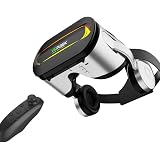
QIWA VRPARK VR Headset 3D Virtual Reality Glasses for Smartphones 4.7-6.5 Inch, Adjustable Focus & Pupil Distance, Immersive Gaming, Movies & 360° Videos
₹2,999.00 (as of September 11, 2026 19:10 GMT +05:30 - More infoProduct prices and availability are accurate as of the date/time indicated and are subject to change. Any price and availability information displayed on [relevant Amazon Site(s), as applicable] at the time of purchase will apply to the purchase of this product.)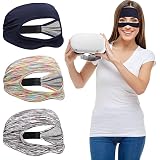
ZORBES 3Pcs Breathable VR Mask Sweat Band for Meta Quest 2 | Sweat Guard, Breathable Stretch Fit, Face Coverage During VR Play, Flexible Wear for Gaming Sessions
₹711.00 (as of September 11, 2026 19:10 GMT +05:30 - More infoProduct prices and availability are accurate as of the date/time indicated and are subject to change. Any price and availability information displayed on [relevant Amazon Site(s), as applicable] at the time of purchase will apply to the purchase of this product.)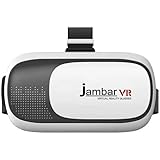
Jambar Original VR Headset Virtual Reality 3D Glasses Box for iOS Android Smartphone Virtual Reality Goggles for 4.7”-6.5” Smart Phone
₹499.00 (as of September 11, 2026 19:10 GMT +05:30 - More infoProduct prices and availability are accurate as of the date/time indicated and are subject to change. Any price and availability information displayed on [relevant Amazon Site(s), as applicable] at the time of purchase will apply to the purchase of this product.)
Mini 3D Virtual Reality Headset for Smartphones, Adjustable VR Glasses for Android & iOS, Lightweight Mobile VR Headset with Adjustable Head Strap
₹499.00 (as of September 11, 2026 19:10 GMT +05:30 - More infoProduct prices and availability are accurate as of the date/time indicated and are subject to change. Any price and availability information displayed on [relevant Amazon Site(s), as applicable] at the time of purchase will apply to the purchase of this product.)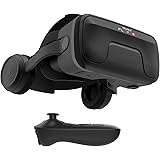
Irusu Play VR Ultra 3D VR Headset for Mobile - Virtual Reality Headset with 40MM HD Anti blueray Coated Lens,Controller,Stereo Headphones,Type C Connector,Inbuilt Touch Button for Mobile VR Gaming.
₹3,199.00 (as of September 11, 2026 19:10 GMT +05:30 - More infoProduct prices and availability are accurate as of the date/time indicated and are subject to change. Any price and availability information displayed on [relevant Amazon Site(s), as applicable] at the time of purchase will apply to the purchase of this product.)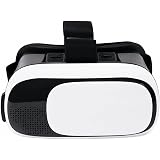
HD Virtual Reality Headset for iPhone and Android, 3D for Movies and Video Games, White VR Headset Glasses, White and Black, 3D Virtual Reality Goggles for Movies and Gaming, Adjustable Head Strap
₹398.00 (as of September 11, 2026 19:10 GMT +05:30 - More infoProduct prices and availability are accurate as of the date/time indicated and are subject to change. Any price and availability information displayed on [relevant Amazon Site(s), as applicable] at the time of purchase will apply to the purchase of this product.)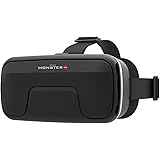
Irusu Monster VR Headset for Mobile | 3D Virtual Reality Box with Inbuilt Touch Button | VR Gaming Set for Movies & Videos | Adjustable Lenses, Comfortable Design (1 Year Warranty)
₹2,199.00 (as of September 11, 2026 19:10 GMT +05:30 - More infoProduct prices and availability are accurate as of the date/time indicated and are subject to change. Any price and availability information displayed on [relevant Amazon Site(s), as applicable] at the time of purchase will apply to the purchase of this product.)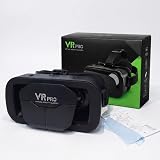
VR PRO Virtual Reality Glasses | Black Headset with Cleaning Cloth | Adjustable, Comfortable fit , immersive experience , easy lens adjustment
₹1,234.00 (as of September 11, 2026 19:10 GMT +05:30 - More infoProduct prices and availability are accurate as of the date/time indicated and are subject to change. Any price and availability information displayed on [relevant Amazon Site(s), as applicable] at the time of purchase will apply to the purchase of this product.)
VR Headset – Immersive 3D Experience for Smartphones | Fitnos
Now retrieving the price.
(as of September 11, 2026 19:10 GMT +05:30 - More infoProduct prices and availability are accurate as of the date/time indicated and are subject to change. Any price and availability information displayed on [relevant Amazon Site(s), as applicable] at the time of purchase will apply to the purchase of this product.)
Virtual Reality Glasses, 3D Immersive Viewing, Adjustable Head Strap, White and Black
₹399.00 (as of September 11, 2026 19:10 GMT +05:30 - More infoProduct prices and availability are accurate as of the date/time indicated and are subject to change. Any price and availability information displayed on [relevant Amazon Site(s), as applicable] at the time of purchase will apply to the purchase of this product.)
Careflection Silicone VR Face Cover for Oculus Quest 2 - Face Pad & Cushion Compatible, Skin Accessory (Black)
₹390.00 (as of September 11, 2026 19:10 GMT +05:30 - More infoProduct prices and availability are accurate as of the date/time indicated and are subject to change. Any price and availability information displayed on [relevant Amazon Site(s), as applicable] at the time of purchase will apply to the purchase of this product.)
Irusu Play VR Plus - HD 3D Virtual Reality Headset with Adjustable HD Lens, Stereo Headphones, Touch Button, Controller - Mobile VR Gaming & Learning Compatible
₹3,199.00 (as of September 11, 2026 19:10 GMT +05:30 - More infoProduct prices and availability are accurate as of the date/time indicated and are subject to change. Any price and availability information displayed on [relevant Amazon Site(s), as applicable] at the time of purchase will apply to the purchase of this product.)
BIGASUO Virtual Reality Headset Glasses Anti-Radiation Adjustable Screen Headband 2022 for All Android (iOS) for All Smartphones,Phones with 2 Year Replacement Warranty (White + Black)
Now retrieving the price.
(as of September 11, 2026 19:10 GMT +05:30 - More infoProduct prices and availability are accurate as of the date/time indicated and are subject to change. Any price and availability information displayed on [relevant Amazon Site(s), as applicable] at the time of purchase will apply to the purchase of this product.)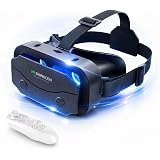
TMY Three D Virtual Reality Glasses Three D Virtual Reality Helmet Movies Game|Smartphone VR Headsets|Consumer Electronics (1305) (TMY10)
₹1,599.00 (as of September 11, 2026 19:10 GMT +05:30 - More infoProduct prices and availability are accurate as of the date/time indicated and are subject to change. Any price and availability information displayed on [relevant Amazon Site(s), as applicable] at the time of purchase will apply to the purchase of this product.)