The hum of a traditional air conditioner can be a familiar sound during sweltering summers, but its energy consumption often leaves a lingering chill on our wallets. Enter the inverter air conditioner (AC), a revolutionary technology that has fundamentally reshaped how we cool our homes and, more importantly, how we save energy. Unlike their conventional counterparts, inverter ACs offer a sophisticated approach to temperature regulation, leading to significant reductions in electricity bills and a more comfortable living environment. This comprehensive guide delves deep into the mechanics, benefits, and practical considerations of inverter ACs, empowering you to make an informed decision for optimal energy savings.
At its core, the difference between an inverter AC and a non-inverter (or fixed-speed) AC lies in their compressor operation. A traditional AC’s compressor cycles on and off. When the thermostat reaches the desired temperature, the compressor shuts down completely. Once the temperature rises above a set point, it roars back to life at full power. This stop-start mechanism is inherently inefficient. Imagine driving a car by constantly accelerating to full speed and then slamming on the brakes; it’s a jerky, energy-intensive process.
An inverter AC, on the other hand, utilizes a variable-speed compressor. This means the compressor doesn’t simply switch on and off. Instead, it can adjust its speed and power output based on the cooling demand. When you first turn on an inverter AC, the compressor runs at a higher speed to quickly bring the room to the desired temperature. Once that temperature is reached, the compressor doesn’t shut off. Instead, it slows down to a much lower speed, maintaining the cool environment with minimal effort. It’s akin to a car smoothly cruising at a consistent speed, making subtle adjustments to maintain momentum.
This continuous, variable operation is the key to the inverter AC’s energy efficiency. By precisely controlling the compressor’s output, it avoids the massive surge of electricity required to start a fixed-speed compressor from a standstill. This constant, low-power maintenance mode significantly reduces overall energy consumption. Studies and real-world usage consistently show that inverter ACs can consume 30-50% less energy than their non-inverter counterparts for the same cooling output. This translates directly into lower monthly electricity bills, a welcome relief for any homeowner.
Beyond energy savings, inverter ACs offer a host of other advantages that contribute to a superior cooling experience. One of the most noticeable benefits is quieter operation. Because the compressor rarely runs at its maximum capacity and doesn’t constantly cycle on and off with jarring starts, inverter ACs operate at a significantly lower noise level. This makes them ideal for bedrooms, living rooms, and any space where peace and quiet are valued. The gentle hum is far less disruptive than the often-loud roar of a traditional AC.
Precise temperature control is another hallmark of inverter AC technology. The variable-speed compressor allows for much finer adjustments to the cooling output. This means that once the desired temperature is reached, it is maintained with remarkable accuracy, preventing the uncomfortable temperature fluctuations often experienced with fixed-speed units. You won’t experience those sudden blasts of cold air followed by periods of warmth. Instead, you’ll enjoy a consistently comfortable environment.
The longevity of the unit can also be enhanced by inverter technology. The constant stop-start cycles of traditional ACs put significant stress on the compressor motor. By operating at a more consistent speed and avoiding these frequent start-up surges, the wear and tear on the compressor is reduced, potentially leading to a longer lifespan for the appliance.
When considering an inverter AC, several factors come into play to maximize your energy savings and ensure you choose the right unit for your needs. Energy Efficiency Ratio (EER) and Seasonal Energy Efficiency Ratio (SEER) are crucial metrics. EER measures efficiency at a specific temperature, while SEER accounts for efficiency over a range of temperatures, making it a more comprehensive indicator for cooling performance throughout the year. Higher EER and SEER ratings signify greater energy efficiency. Look for units with the highest possible ratings within your budget.
Capacity is another vital consideration. The cooling capacity of an AC is measured in British Thermal Units (BTUs). Choosing a unit with the appropriate BTU rating for your room size is essential. An undersized unit will struggle to cool the space effectively, leading to it running constantly at high power and negating energy savings. Conversely, an oversized unit will cycle on and off too frequently, which can also be inefficient and lead to humidity issues. Manufacturers provide guidelines for matching BTU capacity to room size, taking into account factors like ceiling height, insulation, and the number of occupants.
Features can also contribute to energy savings. Many inverter ACs come equipped with advanced features such as:
- Eco Modes: These modes are specifically designed to optimize energy consumption by adjusting cooling intensity and fan speed based on occupancy and ambient temperature.
- Sleep Modes: These modes gradually increase the temperature throughout the night, providing comfortable sleep while reducing energy usage.
- Timers and Scheduling: Programmable timers allow you to set specific on/off times, ensuring the AC only runs when needed, such as before you arrive home or during the hottest parts of the day.
- Smart Connectivity (Wi-Fi Enabled): Many modern inverter ACs can be controlled remotely via smartphone apps. This allows for pre-cooling before you arrive home, turning off the unit remotely if you forget, and monitoring energy usage.
- Motion Sensors: Some advanced models incorporate motion sensors that detect occupancy. If a room is empty, the AC can automatically adjust its settings or even turn off to save energy.
The installation of your inverter AC is as important as the unit itself for optimal performance and energy savings. A professional installation ensures the unit is correctly sized, properly sealed, and positioned for efficient airflow. Improper installation can lead to refrigerant leaks, inefficient cooling, and increased energy consumption.
Maintenance plays a crucial role in keeping your inverter AC running at peak efficiency. Regularly cleaning or replacing air filters is paramount. Dirty filters restrict airflow, forcing the unit to work harder and consume more energy. It’s recommended to clean filters every 2-4 weeks, depending on usage and environmental conditions. Beyond filters, annual professional servicing is advisable. Technicians can check refrigerant levels, clean coils, and ensure all components are functioning correctly, preventing potential issues that could impact efficiency and lead to costly repairs.
While the initial purchase price of an inverter AC might be slightly higher than a comparable non-inverter model, the long-term savings on electricity bills make it a wise investment. The payback period for the additional upfront cost is often surprisingly short, typically ranging from 1 to 3 years, after which you’ll be enjoying the full benefits of reduced energy consumption.
The environmental impact of inverter ACs is also a significant advantage. By consuming less electricity, they contribute to a lower carbon footprint. Reduced energy demand translates to less reliance on fossil fuels for power generation, which is crucial in the global effort to combat climate change. Choosing an inverter AC is not just a financially sound decision; it’s also a more sustainable choice for the planet.
In conclusion, the inverter AC represents a significant leap forward in air conditioning technology, offering unparalleled energy savings, enhanced comfort, and a quieter operation. By understanding its core principles, key features, and best practices for selection and maintenance, you can harness the full potential of inverter ACs to create a cooler, more comfortable, and significantly more energy-efficient home. Investing in an inverter AC is an investment in your comfort, your finances, and a greener future.
Samsung 1.5 Ton 3 Star,New Star rated, Bespoke AI Inverter Smart Split AC (WiFi, Energy Saving,Voice Control,Powerful Cooling,Copper, Digital Inverter, 4 Way swing, White, AR50H18D13HNNA)
₹35,990.00 (as of October 10, 2026 10:55 GMT +05:30 - More infoProduct prices and availability are accurate as of the date/time indicated and are subject to change. Any price and availability information displayed on [relevant Amazon Site(s), as applicable] at the time of purchase will apply to the purchase of this product.)
Daikin 0.8 Ton 2 Star, New Star rated,Fixed Speed Split AC (Copper, PM2.5 Filter, FTQ28XV16, White)
₹25,990.00 (as of October 10, 2026 10:55 GMT +05:30 - More infoProduct prices and availability are accurate as of the date/time indicated and are subject to change. Any price and availability information displayed on [relevant Amazon Site(s), as applicable] at the time of purchase will apply to the purchase of this product.)
Blue Star 2 Ton 5 Star, New Star Rated, Inverter Split AC (Copper,4-Way Swing, DigiQ Hepta Sensor, Blue Fins,Turbo Cool, Self Clean Technology (IA522GXU, White))
₹67,130.00 (as of October 10, 2026 10:55 GMT +05:30 - More infoProduct prices and availability are accurate as of the date/time indicated and are subject to change. Any price and availability information displayed on [relevant Amazon Site(s), as applicable] at the time of purchase will apply to the purchase of this product.)
Daikin 1.5 Ton 3 Star Inverter Split AC (Copper, PM2.5 Filter, MTKL50XV16, White)
₹35,990.00 (as of October 10, 2026 10:55 GMT +05:30 - More infoProduct prices and availability are accurate as of the date/time indicated and are subject to change. Any price and availability information displayed on [relevant Amazon Site(s), as applicable] at the time of purchase will apply to the purchase of this product.)
Panasonic 1.0 Ton 5 Star Premium Wi-Fi Inverter Smart Split AC (Matter/MirAIe, AI, DustBuster, 55°C Oper., Copper Condenser, 8in1 Convertible, 4-Way, PM0.1 Filter, CS/CU-NU12BKY5W, 2026 Model, White)
₹39,990.00 (as of October 10, 2026 10:55 GMT +05:30 - More infoProduct prices and availability are accurate as of the date/time indicated and are subject to change. Any price and availability information displayed on [relevant Amazon Site(s), as applicable] at the time of purchase will apply to the purchase of this product.)
Panasonic 1.0 Ton 3 Star,New star rated,Premium WiFi Inverter Smart Split AC(DustBuster Tech,Matter Enabled, AI, Higher Airflow, Copper Cond.,8-1 Convertible, 2-Way,PM0.1 Filter,CS/CU-SU12BKY3W,White)
₹33,990.00 (as of October 10, 2026 10:55 GMT +05:30 - More infoProduct prices and availability are accurate as of the date/time indicated and are subject to change. Any price and availability information displayed on [relevant Amazon Site(s), as applicable] at the time of purchase will apply to the purchase of this product.)
LG 1.5 Ton 3 Star, 5500W Max Cooling Capacity, Smart Inverter Split AC (Copper, AI Convertible 6-in-1, Energy Saving & Faster Cooling at 55℃, Allergen Protection, Monsoon Comfort, AS-Q19HNXE, White)
₹36,990.00 (as of October 10, 2026 10:55 GMT +05:30 - More infoProduct prices and availability are accurate as of the date/time indicated and are subject to change. Any price and availability information displayed on [relevant Amazon Site(s), as applicable] at the time of purchase will apply to the purchase of this product.)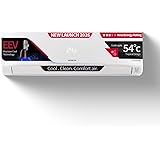
Hitachi Smart Choice 1.5 Ton 3 Star, New Star rated, Inverter Split AC(Copper, Smart View Display, 4 Way Swing,RAS.D318PCD2BS1, White)
₹35,489.00 (as of October 10, 2026 10:55 GMT +05:30 - More infoProduct prices and availability are accurate as of the date/time indicated and are subject to change. Any price and availability information displayed on [relevant Amazon Site(s), as applicable] at the time of purchase will apply to the purchase of this product.)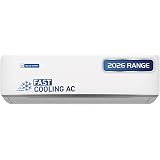
Blue Star 0.9 Ton 3 Star, Inverter Split AC (Copper,4-Way Swing, DigiQ Hepta Sensor, Blue Fins,Turbo Cool, Self Clean Technology (IA311ZXU, White))
₹28,490.00 (as of October 10, 2026 10:55 GMT +05:30 - More infoProduct prices and availability are accurate as of the date/time indicated and are subject to change. Any price and availability information displayed on [relevant Amazon Site(s), as applicable] at the time of purchase will apply to the purchase of this product.)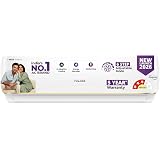
Voltas 1.5 ton 3 Star, New star rated, Inverter Split AC (Copper, Convertible 6-in-1 cooling modes, Ai Enabled, 4-way Swing, Sleep Mode, Auto Clean (183INV VERTIS AI ZEST GOLD, White)
₹37,800.00 (as of October 10, 2026 10:55 GMT +05:30 - More infoProduct prices and availability are accurate as of the date/time indicated and are subject to change. Any price and availability information displayed on [relevant Amazon Site(s), as applicable] at the time of purchase will apply to the purchase of this product.)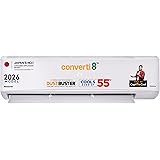
Panasonic 1.5 Ton 3 Star Inverter Split AC (DustBuster Tech,Smart Auto Cool,Higher Airflow,55°C Oper.,Copper Cond.,8in1 Convertible 2-Way,Powerful Mode,PM0.1 Filter,CS/CU-SU18BKY3T,2026 Model,White)
₹35,490.00 (as of October 10, 2026 10:55 GMT +05:30 - More infoProduct prices and availability are accurate as of the date/time indicated and are subject to change. Any price and availability information displayed on [relevant Amazon Site(s), as applicable] at the time of purchase will apply to the purchase of this product.)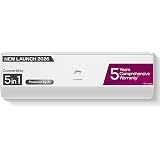
Godrej 2 Ton 3 Star AC | New star rated | Inverter Split AC | 5-Year Comprehensive Warranty | AI Powered | 5-in-1 Convertible | I-Sense Technology | Self-clean (AC 2T EC HIC 24J3TS WA, White)
₹42,700.00 (as of October 10, 2026 10:55 GMT +05:30 - More infoProduct prices and availability are accurate as of the date/time indicated and are subject to change. Any price and availability information displayed on [relevant Amazon Site(s), as applicable] at the time of purchase will apply to the purchase of this product.)
Samsung 2Ton 3Star,New Star rated,Bespoke AI Inverter Smart Split AC (WiFi, Energy Saving, Voice Control, Powerful Cooling, Copper, Digital Inverter, 4 Way swing, White, AR50H24D1XHNNA)
₹57,300.00 (as of October 10, 2026 10:55 GMT +05:30 - More infoProduct prices and availability are accurate as of the date/time indicated and are subject to change. Any price and availability information displayed on [relevant Amazon Site(s), as applicable] at the time of purchase will apply to the purchase of this product.)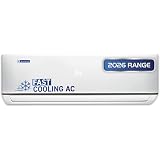
Blue Star 2 Ton 3 Star, New Star Rated, Inverter Split AC (Copper,4-Way Swing, DigiQ Hepta Sensor, Blue Fins,Turbo Cool, Self Clean Technology (IA322DXU, White)
₹59,220.00 (as of October 10, 2026 10:55 GMT +05:30 - More infoProduct prices and availability are accurate as of the date/time indicated and are subject to change. Any price and availability information displayed on [relevant Amazon Site(s), as applicable] at the time of purchase will apply to the purchase of this product.)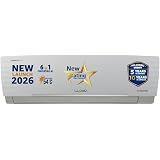
Lloyd 1.5 Ton 5 Star Inverter Split AC, 2026 New Star Rated (6 in 1 Convertible, Cools Up To 54°C, DG Mode, Ice Clean, Smart 4 Way Swing, Turbo Cool, Installation Check, White, GLS18I5AGGGW)
₹39,990.00 (as of October 10, 2026 10:55 GMT +05:30 - More infoProduct prices and availability are accurate as of the date/time indicated and are subject to change. Any price and availability information displayed on [relevant Amazon Site(s), as applicable] at the time of purchase will apply to the purchase of this product.)
Blue Star 1.45 Ton 5 Star, New Star Rated, Inverter Split AC (Copper,4-Way Swing, DigiQ Hepta Sensor, Blue Fins,Turbo Cool, Self Clean Technology (IC518ZXU, White))
₹45,490.00 (as of October 10, 2026 10:55 GMT +05:30 - More infoProduct prices and availability are accurate as of the date/time indicated and are subject to change. Any price and availability information displayed on [relevant Amazon Site(s), as applicable] at the time of purchase will apply to the purchase of this product.)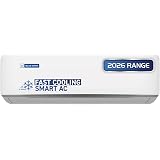
Blue Star 1.45 Ton 5 Star,New Star Rated, Wi-Fi Smart Inverter Split AC (Copper, AI Pro+, 4-Way Swing, DigiQ Hepta Sensor, Blue Fins,Turbo Cool, Self Clean Technology (IC518ZXUS, White))
₹45,990.00 (as of October 10, 2026 10:55 GMT +05:30 - More infoProduct prices and availability are accurate as of the date/time indicated and are subject to change. Any price and availability information displayed on [relevant Amazon Site(s), as applicable] at the time of purchase will apply to the purchase of this product.)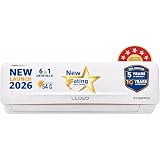
Lloyd 2 Ton 5 Star Inverter Split AC, 2026 New Star Rated (6 in 1 Convertible, Cools Up To 54°C, DG Mode, Ice Clean, Smart 4 Way Swing, Installation Check, White with Golden Deco Strip, GLS24I5AGCGR)
₹57,990.00 (as of October 10, 2026 10:55 GMT +05:30 - More infoProduct prices and availability are accurate as of the date/time indicated and are subject to change. Any price and availability information displayed on [relevant Amazon Site(s), as applicable] at the time of purchase will apply to the purchase of this product.)
Daikin 1.0 Ton 3 Star Inverter Split AC (Copper, PM2.5 Filter, MTKL35XV16, White)
₹35,989.00 (as of October 10, 2026 10:55 GMT +05:30 - More infoProduct prices and availability are accurate as of the date/time indicated and are subject to change. Any price and availability information displayed on [relevant Amazon Site(s), as applicable] at the time of purchase will apply to the purchase of this product.)